
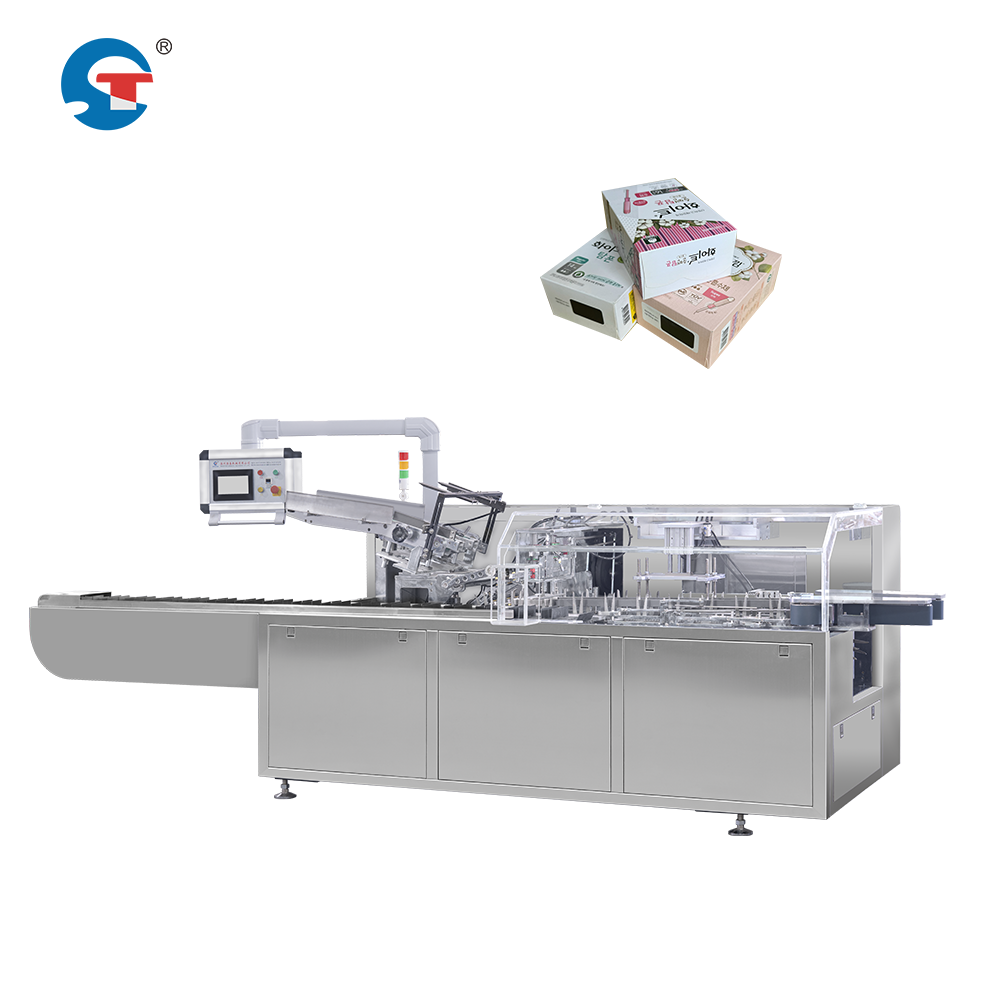
The modern feminine hygiene industry demands precision, consistency, and unwavering adherence to medical-grade standards. A sanitary product packaging machine designed for medical-grade applications represents far more than a simple production tool. It embodies the convergence of automation, regulatory compliance, material science, and quality assurance that ensures consumer safety and product integrity from manufacturing through final delivery.
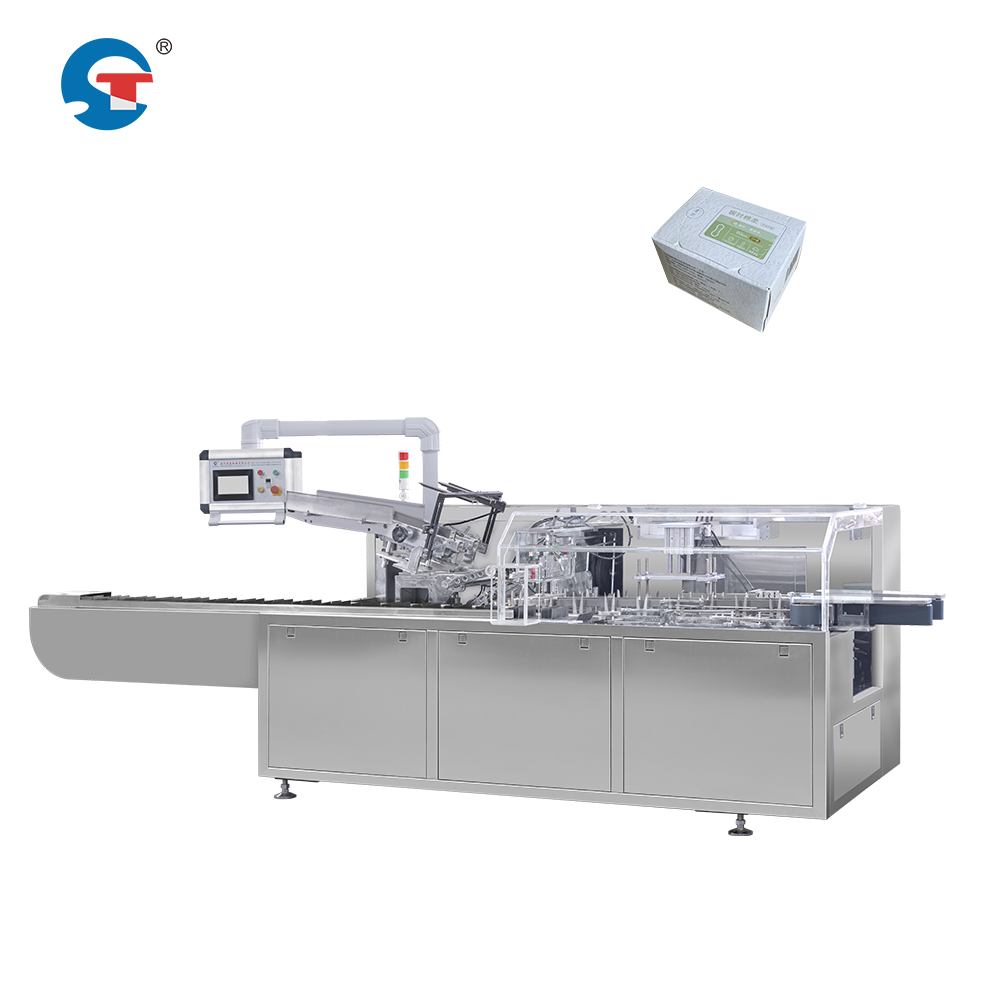
Medical-grade feminine hygiene packaging requires stringent contamination control, precise material specifications, and documented traceability. Manufacturers operating in this space face regulatory pressures from agencies like the FDA and international bodies that mandate sterility assurance, barrier integrity, and compatibility testing. The right automatic pad wrapping equipment transforms production from manual, error-prone processes into standardized, auditable workflows that meet these exacting requirements while maintaining cost efficiency and production velocity.
Regulatory Compliance and Sterility Assurance
Meeting International Medical Standards
Medical-grade packaging for feminine hygiene products must satisfy strict international standards including ISO 11135 for sterilization validation, ISO 14971 for risk management, and country-specific regulations. A sanitary product packaging machine engineered for this environment incorporates design elements that prevent contamination ingress, facilitate sterilization process validation, and maintain product barrier properties. These systems typically feature sealed packaging environments, material compatibility verification, and real-time monitoring systems that document compliance at every production cycle.
The sanitary napkin sealing machine component becomes the critical control point where package integrity is established. Thermal sealing, ultrasonic welding, or adhesive bonding must occur under precisely controlled conditions to create leakproof barriers that protect products from moisture, microbial ingress, and environmental degradation. Manufacturers must validate that their automatic pad wrapping equipment achieves consistent seal strength across millions of units while maintaining dimensional tolerances within microns.
Documentation and Traceability Systems
Regulatory bodies demand comprehensive documentation proving that each product batch underwent validated processes. Modern feminine hygiene product packaging automation systems integrate data logging, barcode tracking, and serialization that create complete production records. These systems track material lot numbers, seal parameters, environmental conditions, and operator actions, enabling rapid recalls if quality issues emerge and providing evidence of compliance during regulatory audits.
Material Performance and Barrier Properties
Substrate Selection and Compatibility
Medical-grade sanitary product packaging demands materials that resist moisture vapor transmission, provide oxygen barriers, and remain inert under sterilization conditions. Common substrates include non-woven fabrics, films with specialized coatings, and composite materials engineered specifically for feminine hygiene applications. The sanitary product packaging machine must accommodate diverse material specifications without cross-contamination, manage material tension precisely, and detect substrate defects before packaging commences.
Automatic pad wrapping equipment must apply consistent pressure during material handling to avoid creasing, puncturing, or delamination that compromises barrier function. The machine's mechanical design, guide rollers, and tension control systems directly influence final package performance. Material compatibility testing ensures that wrapping materials, adhesives, and any sterilization gases do not interact chemically or compromise the feminine hygiene product packaging automation process.
Sterilization Compatibility
Many medical-grade feminine hygiene products undergo ethylene oxide sterilization, gamma radiation, or hydrogen peroxide gas plasma treatment post-packaging. The sanitary napkin sealing machine must create packages that withstand these processes without seal deterioration, package rupture, or outgassing of toxic residues. Material selection, seal design, and package venting mechanisms all require validation through accelerated aging studies and sterilization simulation testing to confirm long-term stability.
Production Efficiency and Quality Consistency
Automation Benefits in Manufacturing
Manual or semi-automatic packaging introduces human variability that threatens product consistency and increases defect rates. The sanitary product packaging machine delivers standardized wrapping, sealing, and labeling that reduces defects by 70 percent or more compared to labor-intensive methods. Automatic pad wrapping equipment operates at speeds of 40 to 120 units per minute depending on complexity, enabling manufacturers to meet growing market demand while maintaining quality metrics that satisfy medical-grade specifications.
Feminine hygiene product packaging automation systems integrate vision inspection, weight verification, and seal integrity testing that reject defective packages before they reach distribution. Real-time feedback loops allow operators to adjust machine parameters and prevent batch waste. The sanitary napkin sealing machine continuously monitors seal temperature, pressure, and dwell time to flag deviations and trigger preventive maintenance, reducing unplanned downtime and production losses.
Cost Reduction and Scalability
While capital investment in automatic pad wrapping equipment is substantial, per-unit packaging costs decline significantly through labor reduction, material waste minimization, and production velocity improvements. Manufacturers can scale output without proportional increases in staffing, facility space, or quality control overhead. The sanitary product packaging machine pays for itself through reduced defect rates, lower labor burden, and optimized material utilization across high-volume production runs.
FAQ
What distinguishes medical-grade sanitary product packaging from standard commercial packaging?
Medical-grade packaging incorporates sterility assurance measures, regulatory documentation, material compatibility validation, and traceability systems that standard packaging lacks. The sanitary product packaging machine used for medical-grade applications includes design features that prevent contamination, enable sterilization validation, and create complete audit trails required by regulatory agencies. Material specifications are more rigorous, sealing parameters are tighter, and testing protocols are more comprehensive throughout the feminine hygiene product packaging automation process.
How does a sanitary napkin sealing machine ensure consistent seal quality across production runs?
Modern sealing machines employ closed-loop feedback systems that monitor seal temperature, pressure, and dwell time throughout production. The automatic pad wrapping equipment logs these parameters for every package, enabling statistical process control that triggers alerts when values drift outside acceptable ranges. Regular seal strength testing, sample destructive testing, and vision-based inspection confirm that every package meets barrier integrity requirements, providing the data necessary to support regulatory submissions.
Can feminine hygiene product packaging automation systems adapt to different product formats and sizes?
Yes, flexible automatic pad wrapping equipment is designed with modular components, adjustable guides, and programmable logic that accommodates format changes within minutes. The sanitary product packaging machine can switch between different pad sizes, wrapping materials, and sealing configurations by reconfiguring mechanical assemblies and updating software parameters. This flexibility enables manufacturers to produce multiple product variants on a single machine, optimizing capital utilization and responding quickly to market demand shifts.