
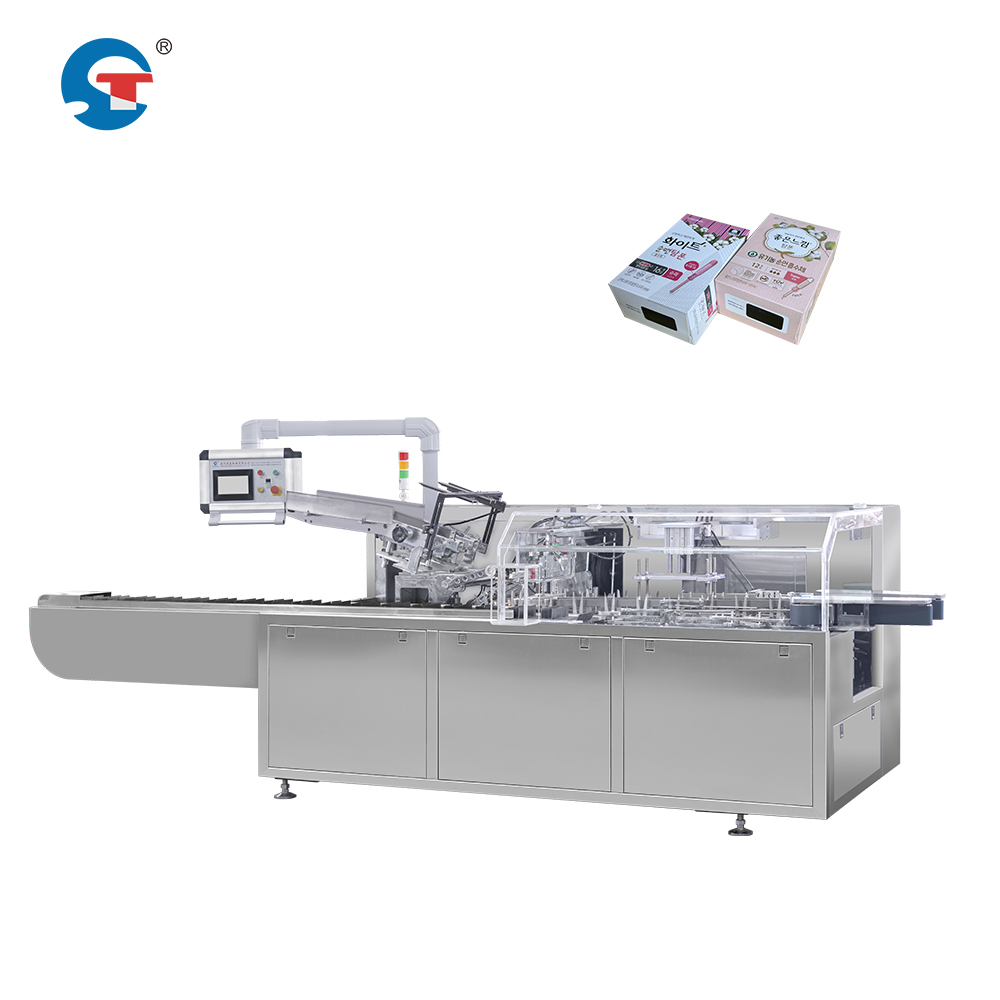
Manufacturing facilities producing hygiene products face constant pressure to meet growing consumer demand while maintaining strict quality standards. A sanitary product packaging machine serves as a critical investment that directly addresses output constraints by automating labor-intensive packaging processes. This equipment transforms production efficiency, reduces manual handling, and enables facilities to scale production without proportionally increasing workforce costs.
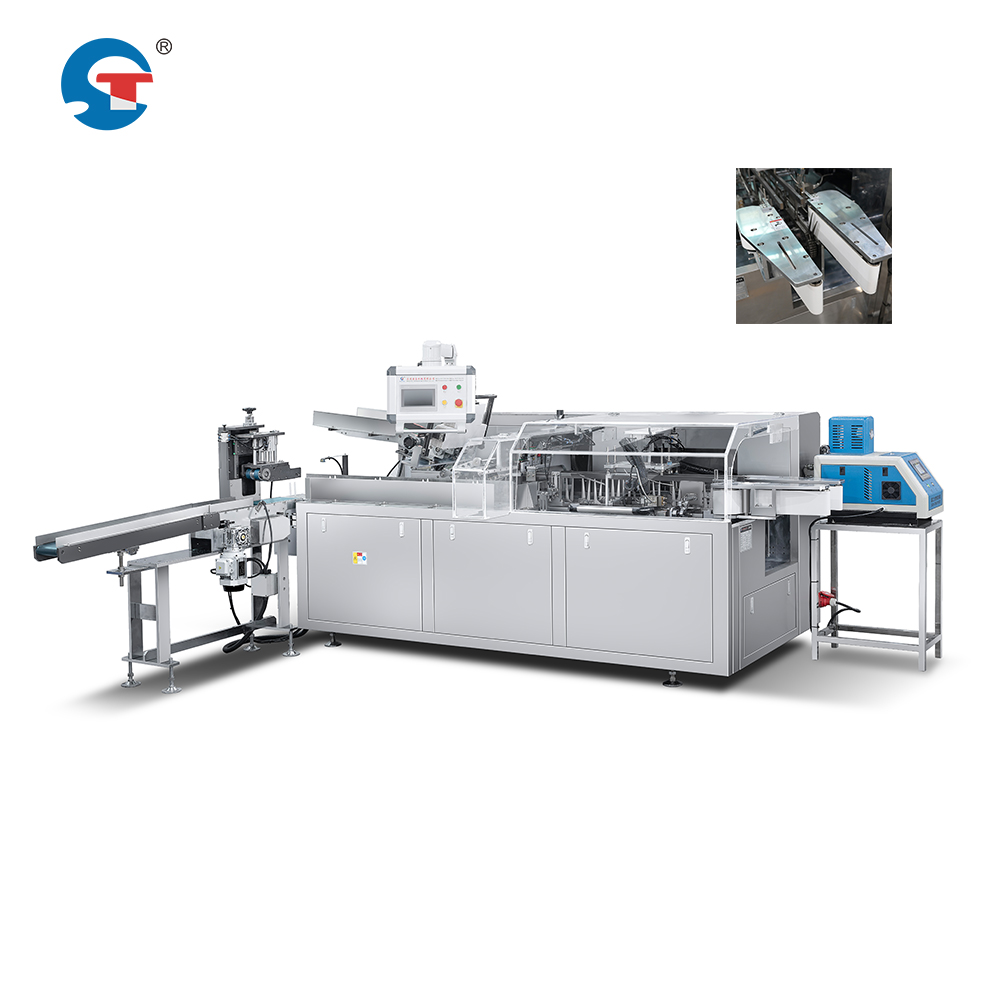
Production facilities that upgrade to modern sanitary product packaging equipment experience measurable improvements in throughput, consistency, and operational economics. Whether integrating automatic pad wrapping equipment into existing lines or deploying a complete feminine hygiene product packaging line, manufacturers gain flexibility to respond to market fluctuations and seasonal demand spikes. Understanding how these systems amplify output requires examining automation mechanics, integration approaches, and real-world performance metrics.
How Automated Packaging Increases Production Capacity
Speed and Consistency in Wrapping Operations
Automatic pad wrapping equipment dramatically accelerates the packaging cycle by replacing manual folding, positioning, and sealing with synchronized mechanical processes. A modern sanitary napkin sealing machine can process between 300 and 800 units per minute, depending on product specifications and machine configuration. This speed advantage translates directly into higher daily output without requiring additional production floor space or multiple shifts.
Consistency represents another critical benefit. Manual wrapping introduces variability in seal quality, product positioning, and wrap tension. Automated systems maintain identical parameters for every unit, reducing defect rates and rework costs. Facilities report quality improvement rates of 15 to 30 percent within the first three months of deploying automatic pad wrapping equipment, which further boosts effective output by minimizing scrap and customer returns.
Reducing Labor Dependency and Associated Costs
Labor represents one of the largest operational expenses in hygiene product manufacturing. By deploying a sanitary product packaging machine, facilities reduce direct packaging labor requirements by 60 to 80 percent. This reduction frees experienced staff to focus on quality control, equipment maintenance, and process optimization rather than repetitive wrapping tasks.
Beyond direct labor savings, automated systems reduce training overhead, absenteeism impact, and shift coordination complexity. A feminine hygiene product packaging line operated by two technicians can match or exceed the output of ten manual workers, creating substantial cost advantages that compound over time. Facilities can redeploy labor savings toward equipment maintenance, inventory management, or value-added functions that enhance competitive positioning.
Integration Strategies for Maximum Output Gains
Line Architecture and Throughput Optimization
Effective output expansion requires strategic positioning of the sanitary napkin sealing machine within the broader production line. Most modern facilities integrate automatic pad wrapping equipment between the conversion stage (where raw materials become finished products) and the secondary packaging section. This positioning ensures continuous material flow without bottlenecks that would limit the equipment's speed advantage.
Throughput optimization also depends on upstream and downstream synchronization. If the primary packaging machine feeds slower than the sanitary product packaging machine processes units, bottlenecks emerge. Conversely, if secondary packaging or carton equipment operates slower, the automatic pad wrapping equipment must throttle down. Modern facilities conduct detailed process mapping to identify constraints, then upgrade integrated systems holistically rather than implementing isolated equipment.
Scalability and Modular Expansion
A feminine hygiene product packaging line designed with modular architecture enables facilities to increase capacity incrementally without complete system replacement. Manufacturers can start with single-line deployment of a sanitary product packaging machine, then add parallel lines as demand grows or product variety expands. This approach spreads capital investment across budget cycles and reduces execution risk compared to large-scale facility overhauls.
Modular sanitary napkin sealing machine configurations also support product format flexibility. Equipment adjustable for different pad dimensions, wrapper materials, and seal specifications allows one facility to service multiple customer segments or product categories. This adaptability increases capacity utilization by enabling rapid changeovers between product types without lengthy retooling or equipment reconfiguration delays.
Measuring and Sustaining Output Performance
Key Performance Indicators for Packaging Automation
Facilities should establish baseline metrics before deploying automatic pad wrapping equipment to quantify improvement gains. Critical performance indicators include pieces per hour, percent downtime, defect rate, and cost per packaged unit. A sanitary product packaging machine typically achieves 92 to 96 percent uptime in well-maintained facilities, translating to 22 to 23 productive hours daily from 24-hour operation.
Output sustainability depends on rigorous preventive maintenance schedules and operator training. The feminine hygiene product packaging line requires regular cleaning, seal inspection, and mechanical adjustment to maintain rated speed. Facilities that invest in technician certification programs and documented maintenance protocols sustain performance gains for 7 to 10 years of equipment life, while neglected systems experience progressive throughput decline within 18 to 24 months.
Continuous Improvement and Capacity Evolution
Deploying a sanitary napkin sealing machine represents a starting point for ongoing efficiency enhancement rather than a final solution. After stabilizing baseline performance, facilities often identify secondary opportunities such as automated material handling integration, in-line quality inspection systems, or advanced process controls. These complementary upgrades build upon the foundation established by automatic pad wrapping equipment, creating compounding productivity gains over time.
Data analytics capabilities in modern sanitary product packaging machines enable predictive maintenance, real-time troubleshooting, and performance trending. Facilities using these insights systematically reduce changeover duration, optimize cycle time parameters, and anticipate equipment degradation. This proactive approach maintains output levels while extending equipment service life and reducing unplanned downtime.
FAQ
What output increase should facilities expect after implementing automatic pad wrapping equipment?
Facilities typically experience 150 to 300 percent output increases when replacing manual packaging with a sanitary napkin sealing machine. The exact improvement depends on baseline production volume, operator efficiency, and equipment configuration. Conservative estimates suggest a sanitary product packaging machine increases output by at least 150 percent in most manufacturing environments.
How does a feminine hygiene product packaging line integrate with existing production systems?
Modern automatic pad wrapping equipment connects to existing conversion equipment through standard material feed mechanisms and operates alongside secondary packaging systems. Integration typically requires minor infrastructure modifications, such as conveyor adjustments or electrical panel upgrades. Most sanitary product packaging machines install within two to four weeks with minimal production disruption.
What maintenance requirements ensure sustained output from a sanitary napkin sealing machine?
Regular cleaning, seal inspection, and mechanical lubrication maintain a sanitary product packaging machine's rated output. Facilities should schedule preventive maintenance every 500 to 1000 operating hours, conduct operator training quarterly, and maintain spare seal components for rapid replacement. Proper maintenance protocols sustain the output benefits of automatic pad wrapping equipment throughout its operational lifetime.