
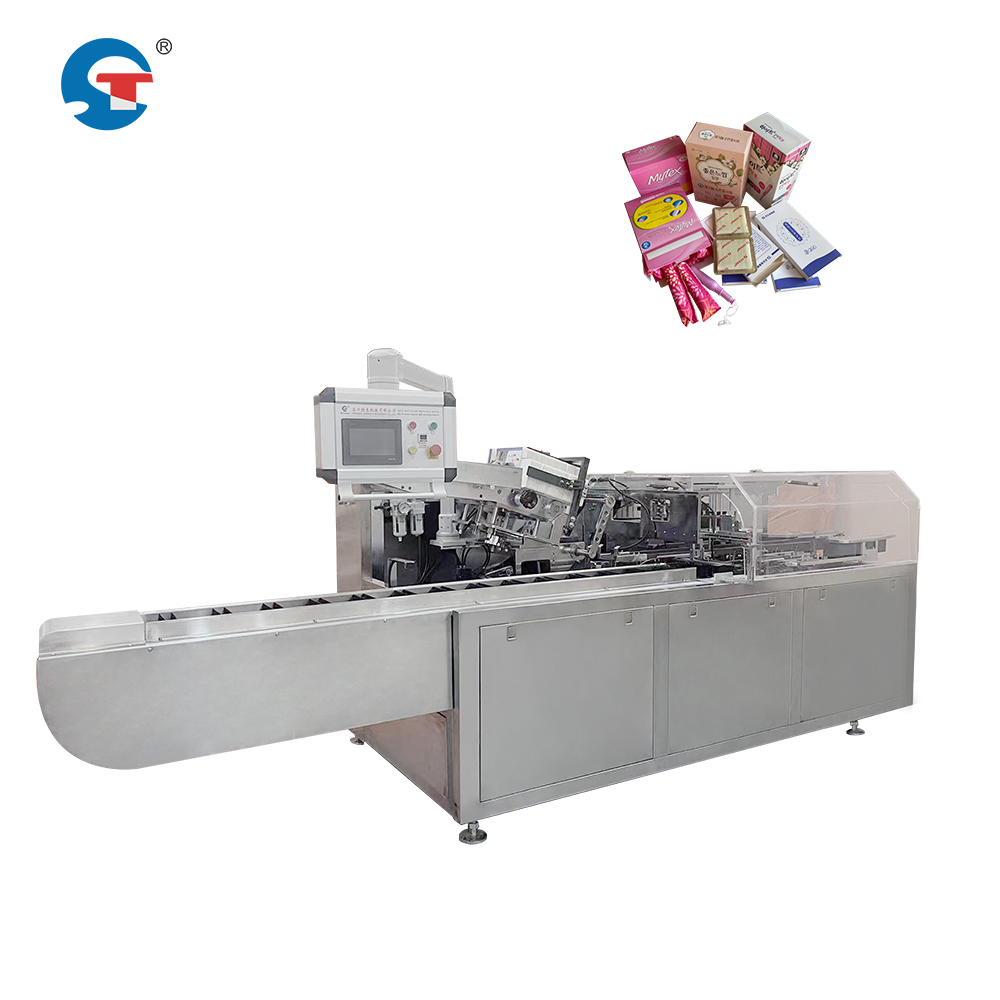
Modern hygiene product manufacturing demands precision, speed, and consistency that manual processes cannot deliver. A sanitary product packaging machine represents a critical investment for manufacturers seeking to scale production while maintaining strict quality standards. These automated systems handle the complete packaging workflow, from product feeding and wrapping to sealing and final inspection, transforming how facilities process diverse hygiene items. The technology behind a sanitary product packaging machine combines mechanical reliability with sophisticated control systems to ensure every package meets regulatory requirements and consumer expectations.
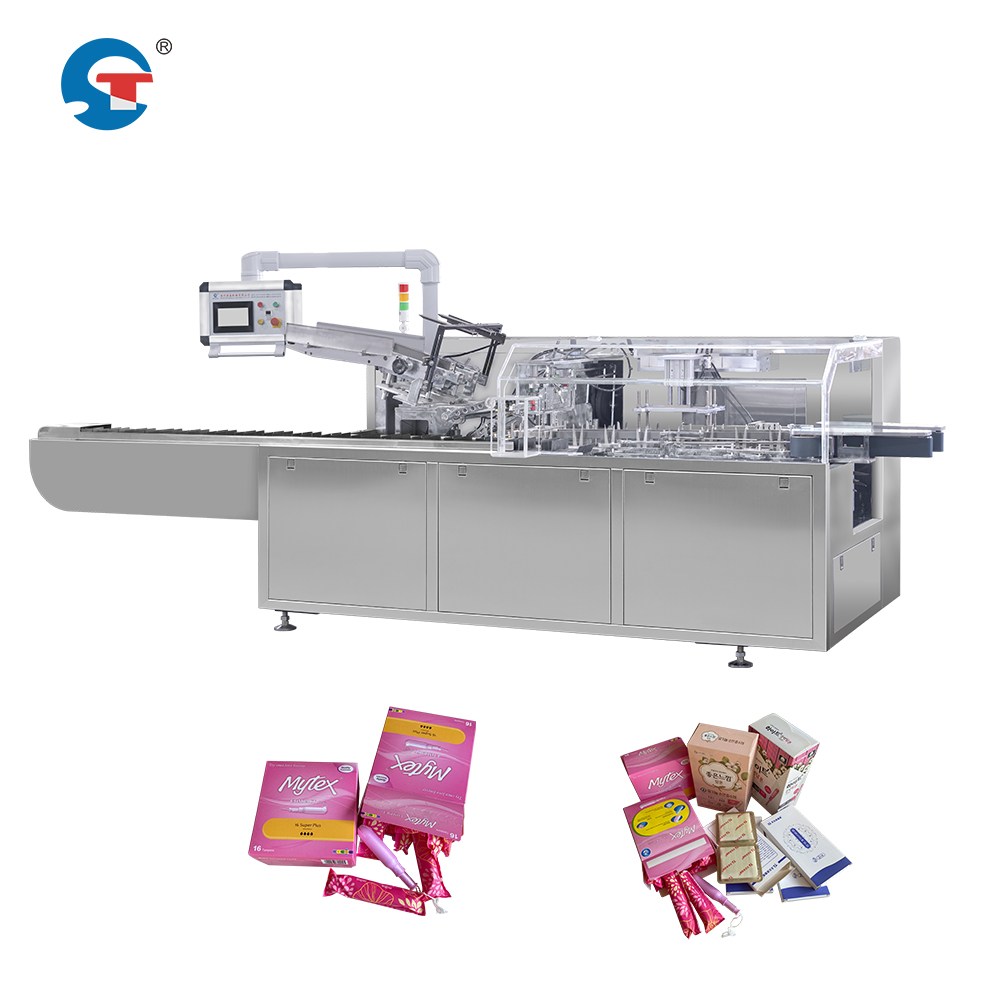
Understanding whether a sanitary product packaging machine can genuinely process various hygiene products efficiently requires examining its core capabilities, adaptability, and operational characteristics. The answer is definitively yes, provided the equipment features modular design, adjustable parameters, and robust engineering that allows seamless transitions between different product types and packaging formats.
Core Processing Capabilities of Automatic Pad Wrapping Equipment
Versatility in Product Handling
Automatic pad wrapping equipment represents the foundation of modern hygiene product packaging. These systems excel at processing sanitary napkins, panty liners, and related feminine hygiene products with minimal changeover time. The machine's feed mechanism accepts products in bulk, positions them accurately, and guides them through multiple processing stages. Manufacturers benefit from the ability to adjust conveyor speed, wrapping material tension, and product orientation without requiring extensive recalibration or equipment modification.
Multi-Format Output Flexibility
Contemporary automatic pad wrapping equipment supports various output formats, including individual wrapping, bulk packaging, and display-ready configurations. The system accommodates different wrapper widths, material types, and adhesive specifications. This flexibility allows a single machine to serve multiple product lines or market segments, significantly improving capital equipment utilization and reducing the need for specialized machinery at each production stage.
Feminine Hygiene Product Packaging Line Integration
End-to-End Workflow Automation
A complete feminine hygiene product packaging line connects multiple functional stations into a coordinated system. Product introduction, wrapping application, sealing execution, and quality verification occur in continuous sequence without manual intervention. The feminine hygiene product packaging line typically operates at speeds between 200 and 1200 units per minute, depending on product complexity and packaging specifications. Integration with upstream manufacturing equipment and downstream case packing systems creates seamless production workflows that minimize buffer inventory and reduce processing delays.
Quality Assurance and Consistency
Modern feminine hygiene product packaging lines incorporate vision systems and sensor networks that monitor critical parameters throughout production. These systems verify wrapper placement, seal integrity, product count in bulk packages, and proper labeling before finished goods leave the production area. Automated rejection mechanisms remove non-conforming packages, preventing defective products from reaching consumers. Real-time data collection enables manufacturers to identify quality trends, predict maintenance requirements, and optimize production schedules based on performance analytics.
Advanced Sealing and Efficiency Features
Sanitary Napkin Sealing Machine Precision
The sanitary napkin sealing machine component ensures consistent, reliable package closure under various environmental conditions. Heat sealing technology bonds wrapper materials with precision timing and temperature control, preventing premature opening while avoiding thermal damage to the product. Ultrasonic sealing options provide alternative methods for heat-sensitive applications or specialized materials. Adjustable pressure settings and programmable seal duration allow operators to optimize performance for specific material combinations without requiring mechanical replacement of sealing components.
Production Efficiency and Throughput
Efficiency gains from automated sanitary product packaging systems extend far beyond raw speed metrics. Reduced labor requirements, lower material waste, and minimized product damage collectively improve per-unit profitability. Changeover procedures that previously required hours now take minutes, enabling manufacturers to serve diverse market segments from a single facility. Predictive maintenance capabilities reduce unexpected downtime, while remote monitoring permits facility managers to oversee multiple production lines from centralized control stations.
Practical Consideration for Diverse Product Types
Adaptability to Various Hygiene Products
Beyond traditional sanitary napkins, modern equipment successfully handles tampons, panty liners, incontinence products, and specialized medical hygiene items. Each product category presents unique handling requirements regarding dimensions, material fragility, and packaging configurations. Successful adaptation requires equipment featuring modular design elements, adjustable mechanical tolerances, and programmable process parameters. Manufacturers can optimize the sanitary product packaging machine for each product category through software updates and simple hardware adjustments without complete system replacement.
Compliance and Regulatory Standards
The hygiene product industry operates under strict regulatory frameworks requiring documented traceability, consistent packaging integrity, and detailed quality records. Automated packaging systems generate comprehensive production logs, material consumption reports, and quality verification data that satisfy regulatory audits. Compliance with international standards for packaging materials, seal strength, and sterile product handling becomes more achievable through automated processes that eliminate human variability. This regulatory advantage often justifies equipment investment even before considering productivity improvements.
FAQ
Can a sanitary product packaging machine handle mixed product batches within a single production run?
Yes, modern equipment supports rapid product changeovers that enable mixed batches when production volumes justify the setup time investment. The sanitary product packaging machine maintains product separation through dedicated lanes or sequential processing, with automatic parameter adjustment between different items. Operators input product specifications through the control interface, and the system modifies conveyor speed, sealing parameters, and wrapper dimensions accordingly. However, mixed batches typically prove economically practical only for relatively small format variations or when market demand justifies the added complexity.
What maintenance requirements does a feminine hygiene product packaging line demand?
The feminine hygiene product packaging line requires preventive maintenance following manufacturer schedules, typically involving component inspection every 500 to 1000 operating hours. Sealing elements, conveyor components, and control system hardware represent critical wear items requiring periodic replacement. Proper maintenance extends equipment lifespan to 10 to 15 years while preserving performance consistency. Manufacturers benefit from extended service agreements with equipment suppliers that include regular inspections, spare parts availability, and technical support, reducing unexpected downtime and maintaining production reliability.
How does automatic pad wrapping equipment minimize material waste?
Automatic pad wrapping equipment reduces waste through precise material cutting, optimized wrapper length calculation, and systematic defect prevention. The machine dispenses exact wrapper quantities for each package, eliminating the excess material common in manual processes. Automated quality monitoring prevents defective packages from consuming additional materials for rework. Real-time consumption tracking enables manufacturers to identify material efficiency opportunities and adjust parameters for waste reduction without compromising package quality or product protection.