
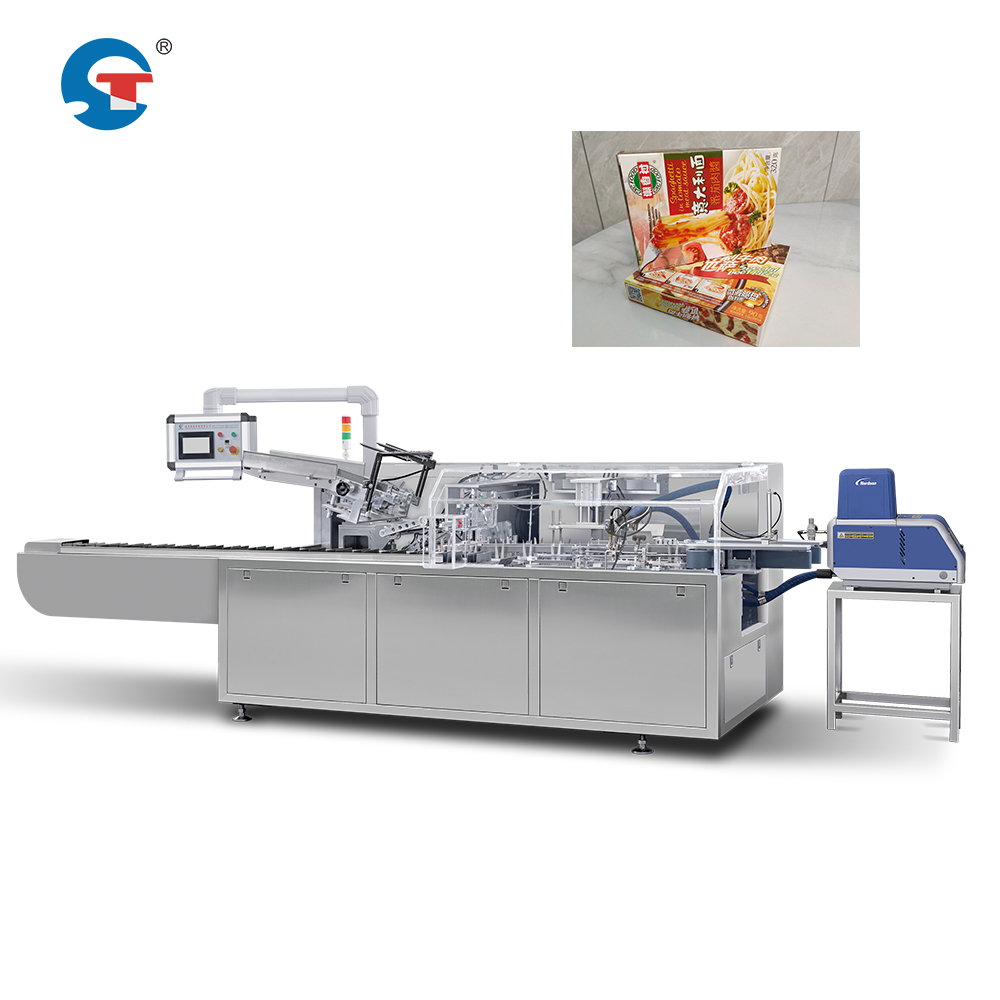
Peak demand periods present significant operational challenges for food manufacturers, particularly when it comes to packaging efficiency. A food cartoner directly addresses this challenge by automating the cartoning process, which traditionally consumes substantial labor hours and creates bottlenecks. Understanding how this technology works and integrating it into your production line can dramatically improve throughput while maintaining quality standards during your busiest seasons.
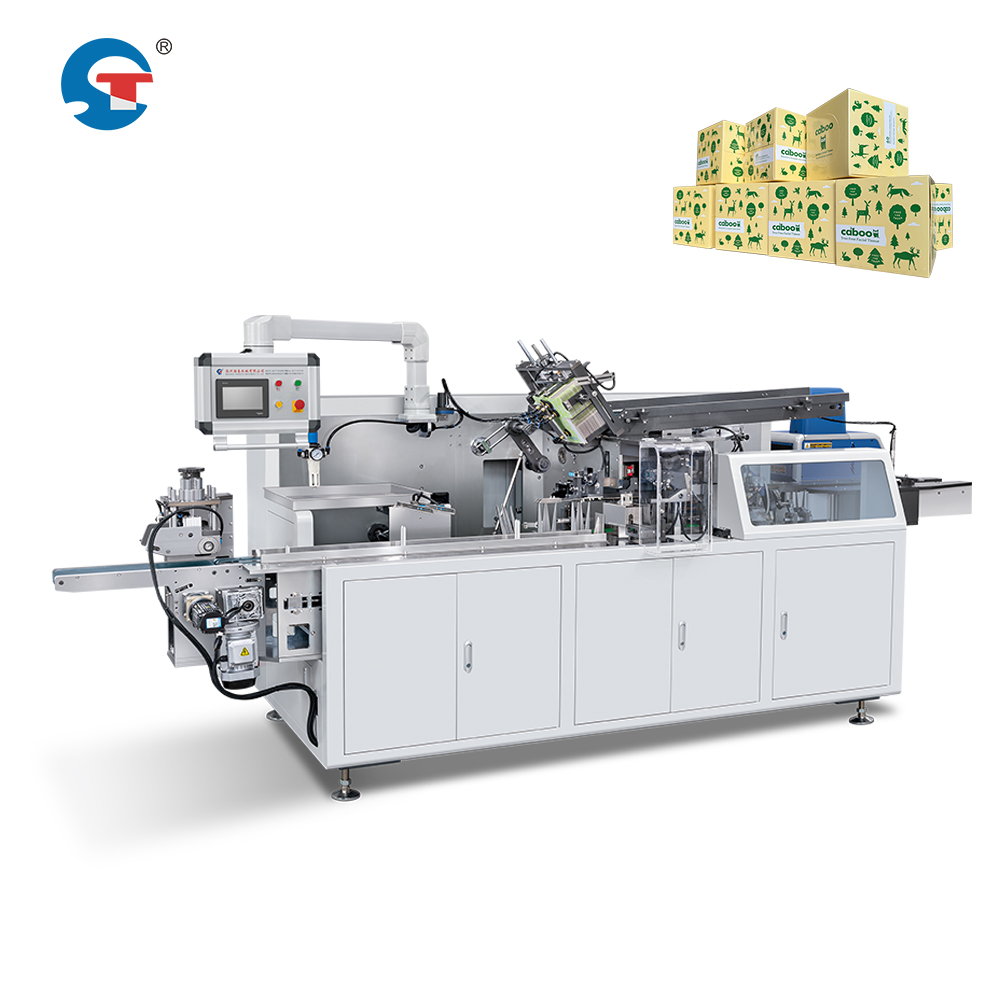
Modern food packaging automation has evolved significantly, with automatic packaging machine for food solutions offering unprecedented speed and consistency. The integration of carton sealing equipment with intelligent cartoning systems creates a seamless workflow that reduces manual intervention, minimizes errors, and keeps products moving through the production line at maximum capacity during peak periods.
Speed and Efficiency Gains Through Automation
How Cartoning Machines Accelerate Production
A food cartoner operates at speeds far exceeding manual labor capabilities. These machines can process hundreds of cartons per minute, whereas human operators working at peak efficiency manage only a fraction of this volume. By replacing or supplementing manual labor with automatic packaging machine for food technology, manufacturers eliminate the primary constraint on production capacity during demand spikes. The machine performs repetitive tasks—forming cartons, placing products, and sealing—with mechanical consistency that human workers cannot sustain over long shifts.
Peak demand periods often require extended production hours, and automation ensures quality remains constant throughout these marathons. Unlike fatigued human operators who experience declining accuracy after hours of repetitive work, a food cartoner maintains identical cycle times and placement precision from the first carton to the thousandth. This reliability becomes invaluable when customer orders arrive suddenly and completion deadlines become critical business factors.
Reducing Bottlenecks and Downtime
Manual cartoning creates predictable bottlenecks during peak seasons because labor availability becomes a constraint. Hiring temporary workers introduces training time, inconsistency, and potential quality issues. Carton sealing equipment integrated into an automatic packaging machine for food system eliminates this dependency. Once the system is calibrated for your product specifications, it runs continuously without fatigue, sick leave, or onboarding delays.
Equipment-based solutions also reduce unplanned downtime through preventive maintenance scheduling. Unlike human workers subject to unpredictable absences, machinery can be maintained during scheduled maintenance windows, keeping production flowing during critical peak demand periods. Food packaging automation ensures that your bottleneck shifts from labor constraints to equipment capacity—a factor you control through technology investment rather than workforce management challenges.
Quality and Consistency During High-Volume Production
Maintaining Product Integrity at Scale
Peak demand pressure tempts manufacturers to sacrifice quality for speed, but a food cartoner eliminates this false choice. These systems apply consistent pressure during carton sealing, ensuring every package meets specifications without variation. Carton sealing equipment calibrated within an automatic packaging machine for food framework guarantees that seal strength, appearance, and tamper-evident features remain uniform across every unit produced, whether your facility processes 5,000 or 50,000 units daily.
Product damage and rejection rates typically increase when manual packing accelerates under deadline pressure. Machines maintain precision regardless of production speed, reducing waste and rework. This consistency translates directly into cost savings during peak periods when waste has maximum financial impact and customer satisfaction depends on flawless deliveries.
Real-Time Monitoring and Quality Assurance
Modern food packaging automation includes sensors and monitoring systems that track every cycle. During peak demand, operators can verify that carton sealing equipment parameters remain within specification without disrupting production flow. Automatic packaging machine for food systems flag issues immediately, allowing quick adjustments before defects accumulate. This proactive quality management becomes essential when production volumes increase and manual inspection cannot keep pace with output speed.
Cost Management and ROI During Peak Seasons
Labor Cost Reduction and Productivity Gains
Peak demand seasons typically require premium labor costs—overtime premiums, temporary worker rates, and accelerated hiring expenses. A food cartoner investment reduces this burden substantially. Fixed equipment costs distribute across thousands of production hours, becoming significantly cheaper per unit than expanding your temporary workforce. During peak periods when labor premiums are highest, automation delivers maximum economic advantage, offsetting initial capital investment through reduced per-unit labor expense.
The productivity gains from automatic packaging machine for food technology extend beyond simple speed multiplication. Carton sealing equipment reduces product damage, minimizes rework, and eliminates training expenses for peak-season workers. These secondary benefits compound the primary labor savings, making food packaging automation financially attractive even for facilities with moderate volume increases.
Scalability Without Proportional Cost Increases
Manual operations scale inefficiently—doubling production requires roughly doubling your workforce, creating non-linear cost increases. A food cartoner scales more efficiently; running the machine 50% longer adds minimal incremental cost compared to hiring 50% more staff. This scalability advantage becomes critical during unpredictable peak demand when you cannot predict whether volume increases are temporary or sustained.
Food packaging automation also provides flexibility for future growth without significant additional investment. Equipment purchased for current peak demands typically accommodates modest future increases in volume, whereas manual processes require continuous labor expense increases that eventually become unsustainable. Carton sealing equipment remains productive at higher volumes, delivering improved ROI as your business expands.
Implementation Strategy for Peak Demand Readiness
Planning Cartoning Machine Integration
Successful integration of a food cartoner requires planning that begins well before peak season arrives. Assess your current production capacity, identify bottleneck points, and calculate required throughput for anticipated demand levels. Automatic packaging machine for food selection should match your peak capacity requirements with some margin for future growth. This planning ensures that when demand spikes occur, your equipment capacity enables rapid response rather than creating new constraints.
Machine selection considers product specifications, carton sizes, and sealing requirements specific to your portfolio. Discussing these factors with equipment specialists helps ensure your chosen food packaging automation system handles your products optimally. Testing the equipment with actual products before full deployment reduces risk of discovering incompatibilities during critical peak periods.
Staff Training and Changeover Procedures
Even automated systems require skilled operators and maintenance personnel. Training your team on carton sealing equipment operation, troubleshooting, and changeover procedures well in advance prevents crisis management during peak demand. Staff familiar with your automatic packaging machine for food system can quickly adjust parameters for different products, minimizing production delays when customer orders change unexpectedly.
Documented procedures for equipment setup, calibration, and maintenance ensure consistency across shifts and operators. During peak seasons when multiple shifts may run simultaneously, this standardization prevents information loss and maintains equipment reliability when continuous operation is essential for meeting customer deadlines.
FAQ
How much faster is a food cartoner compared to manual packing?
A food cartoner typically processes 40–80 cartons per minute depending on product size and complexity, while skilled manual operators achieve 10–15 cartons per minute. This 4–8x speed advantage becomes the primary capacity multiplier during peak demand. Automatic packaging machine for food systems maintain these speeds continuously without fatigue-related productivity decline that affects human workers during extended peak-season shifts.
Can carton sealing equipment handle different product sizes?
Modern food packaging automation systems include adjustable guides and sealing parameters that accommodate standard product size variations within product families. Changeover typically requires 15–30 minutes of mechanical adjustment and software configuration. Carton sealing equipment designed with flexibility allows food cartoner systems to switch between similar products efficiently, though complete product line changes may require extended setup time.
What is the typical return on investment for food packaging automation?
ROI depends on your current labor costs, production volume, and peak demand frequency. Many manufacturers recover equipment investment within 18–36 months through labor savings and reduced waste. Automatic packaging machine for food systems deliver fastest ROI during consistent peak seasons where high volumes justify continuous equipment operation and generate savings immediately rather than spreading investment benefit over years.