
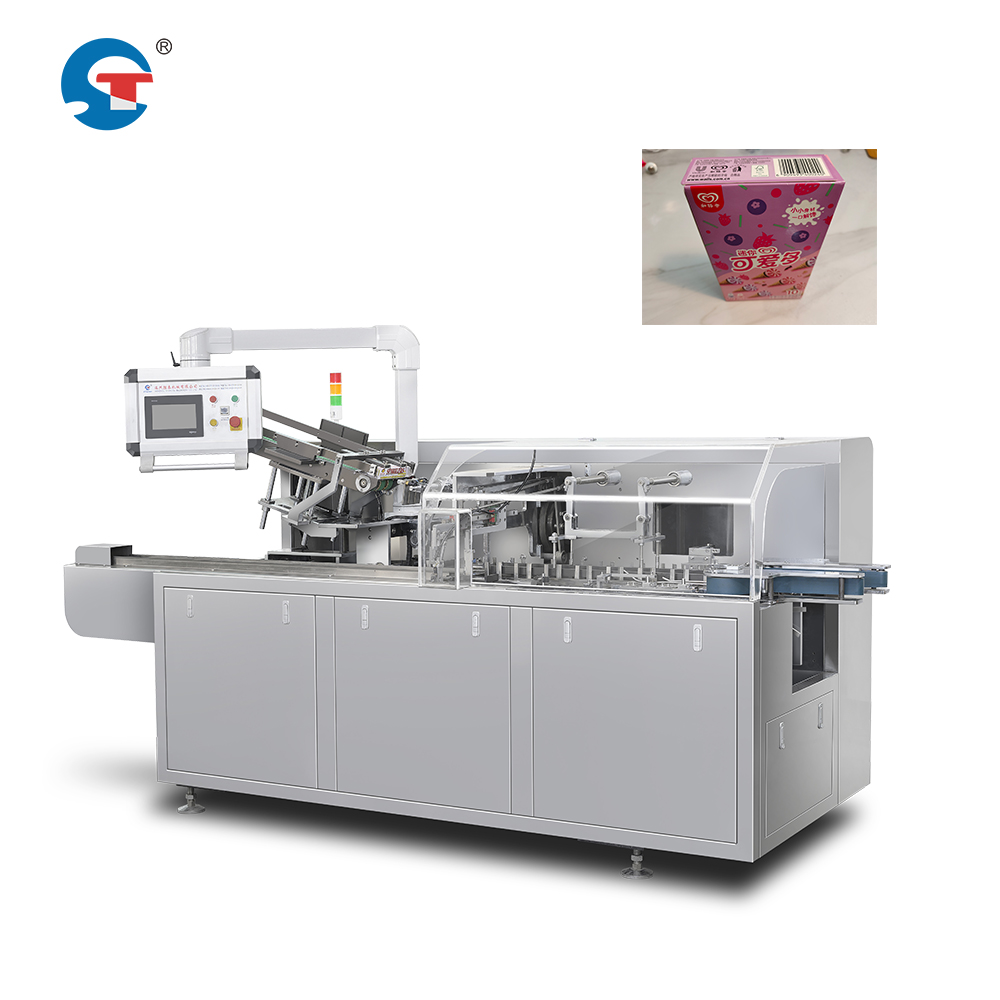
The food packaging industry faces constant pressure to balance speed, precision, and cost efficiency. A modern food cartoner has become essential for manufacturers seeking to optimize their production lines. Whether you produce biscuits, snacks, pharmaceuticals, or consumer goods, understanding where and how cartoning systems enhance accuracy and productivity directly impacts your bottom line and competitive positioning.
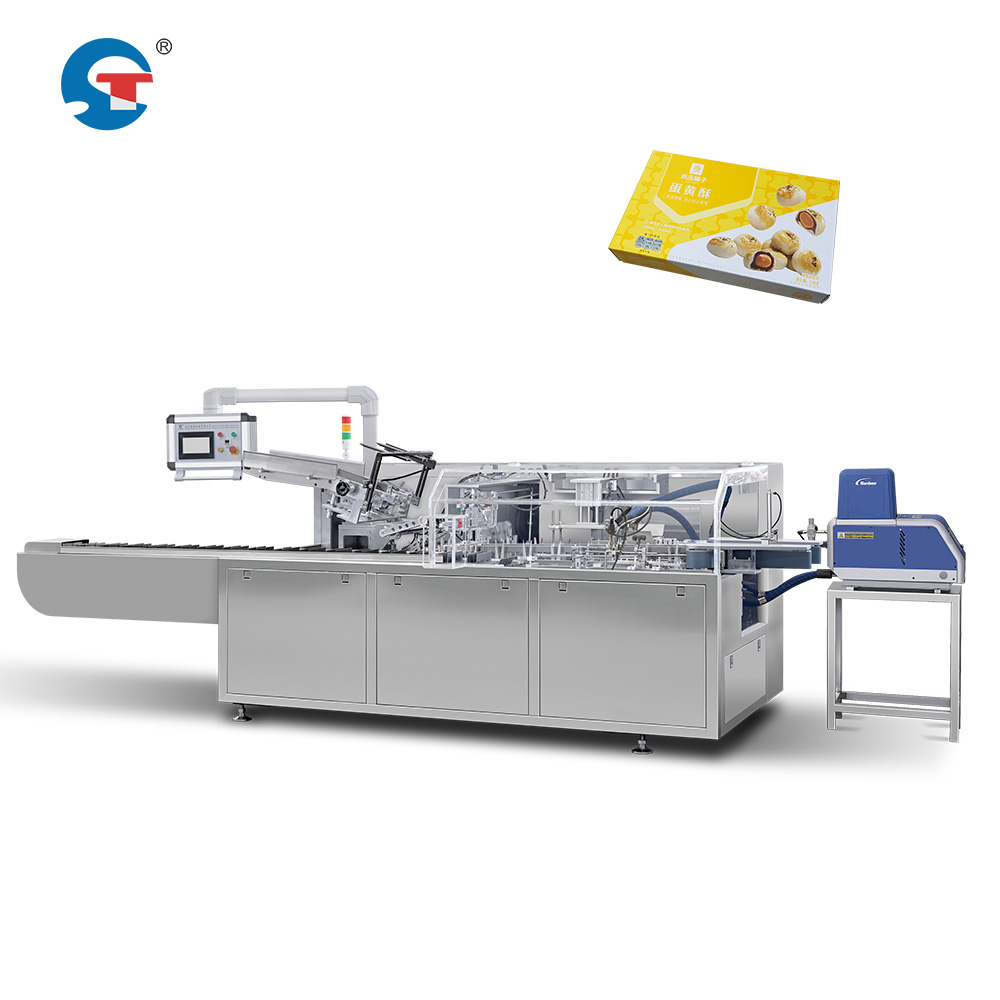
Cartoning accuracy and productivity improvements stem from multiple sources: equipment design, operational parameters, maintenance practices, and integration with upstream and downstream systems. An automatic cartoning machine that aligns poorly or runs at inconsistent speeds will create bottlenecks, product damage, and labor waste regardless of how advanced its control system appears. The goal is not simply to find the fastest equipment, but to identify where your specific production environment can gain the most value from precision cartoning solutions.
Optimizing Equipment Design and Specifications
Selecting the Right Automatic Cartoning Machine Configuration
The foundation of cartoning accuracy starts with choosing an automatic cartoning machine tailored to your product dimensions, weight, and fragility profile. Machines designed with adjustable infeed speed, precision servo positioning, and real-time feedback sensors reduce misalignment and product jams significantly. Selecting equipment with modular tooling allows quick changeovers between carton sizes without mechanical rework, meaning your food packaging equipment maintains consistency across multiple product SKUs without recalibration delays.
Accuracy improves when your automatic cartoning machine includes features such as vision-guided placement, adjustable side guides, and cushioned product stops. These components work together to center products within cartons reliably, reducing reject rates and rework labor. A well-designed food cartoner integrates these features as standard rather than adding them as costly upgrades, making the initial investment more justifiable over the machine's lifetime.
Material Handling and Infeed Consistency
Product presentation to your food cartoner directly influences cartoning accuracy. When products arrive at the infeed in random orientations or with inconsistent spacing, even the most precise automatic cartoning machine struggles. Upstream equipment such as conveyor systems, singulators, and orientation devices must deliver products to the cartoner at stable intervals and aligned positions. This upstream-to-cartoner integration maximizes throughput while maintaining the accuracy your food packaging equipment requires.
Implementing Advanced Process Controls
Speed and Cycle Time Optimization
Productivity gains come not from pushing an automatic cartoning machine to its rated maximum speed, but from running it at the optimal speed where accuracy remains high and maintenance intervals extend. Most food cartoner systems operate most reliably at 80–90% of their theoretical maximum cycles per minute. Running below maximum reduces wear on servo motors, pneumatic components, and mechanical linkages, translating to fewer unplanned stops and longer equipment life between overhauls.
When your food packaging equipment includes adjustable cycle speeds controlled via HMI touchscreen or networked production management systems, operators can fine-tune performance based on product type, carton strength, and production targets. This flexibility allows a single automatic cartoning machine to serve multiple production scenarios efficiently rather than requiring separate machines for different product weights or sensitivities.
Quality Control and Real-Time Monitoring
Modern automatic cartoning machine systems embed vision systems and weight sensors that detect underfilled cartons, misaligned products, and damaged packaging in real time. This monitoring capability prevents defective products from reaching packaging lines downstream, reducing customer returns and regulatory compliance risks. Your food cartoner equipped with integrated quality gates improves both accuracy metrics and supply chain reputation simultaneously.
Data logging from these sensors feeds production dashboards, allowing supervisors to identify patterns such as drift in fill accuracy or increased jam rates before they escalate into major line stoppages. Predictive analytics based on sensor trends enable maintenance teams to schedule servicing during planned downtime rather than responding to emergency failures that disrupt production schedules.
Operational Excellence and Maintenance Strategies
Preventive Maintenance and Spare Parts Planning
A food cartoner that breaks down unexpectedly costs far more than the equipment investment itself through lost production, rush overtime labor, and customer order delays. Establishing preventive maintenance schedules—including lubrication, sensor calibration, and servo parameter verification—keeps your automatic cartoning machine operating at peak accuracy week after week. Parts inventory planning ensures that wear items such as drive belts, proximity sensors, and pneumatic cylinders are available immediately when needed rather than requiring 2–3 week lead times.
Working closely with your equipment supplier to document critical spare parts and establish support agreements transforms downtime from a crisis into a manageable event. When your food packaging equipment includes remote diagnostics capability, the supplier's technical team can often troubleshoot issues and recommend solutions before an engineer visit becomes necessary, further reducing production interruption duration.
Operator Training and Standard Operating Procedures
An advanced automatic cartoning machine delivers inferior results if operators lack training in proper setup, parameter adjustment, and troubleshooting. Investment in comprehensive operator training ensures consistent machine configuration, faster response to quality issues, and reduced accidental misadjustments that degrade accuracy. Standard operating procedures documented for your food cartoner create institutional knowledge that persists even when personnel turnover occurs.
When operators understand the relationship between infeed speed, servo acceleration, and cartoning accuracy, they can make informed micro-adjustments that optimize performance without waiting for engineering support. This empowerment reduces response time to product changes and carton specifications, allowing your food packaging equipment to adapt flexibly to market demands.
Integrating Carton Sealing Solutions
Seamless Integration of Downstream Packaging Systems
Productivity improvements in your food cartoner mean little if the carton sealing solutions downstream cannot keep pace. Integrated tape application, hot melt sealing, or case closure systems must synchronize with cartoner output rates to prevent product pile-up and line bottlenecks. When your automatic cartoning machine interfaces seamlessly with carton sealing solutions through synchronized conveyor speeds and buffer zones, the entire packaging line operates as a cohesive system rather than isolated machines competing for throughput.
Modern carton sealing solutions include feedback mechanisms that communicate back to the cartoner, enabling the system to pause or slow production if sealing equipment falls behind. This dynamic load balancing prevents damage to sealed cartons and ensures consistent packaging quality across the entire line, multiplying the accuracy improvements achieved by your food cartoner alone.
FAQ
What specific features should I prioritize when evaluating an automatic cartoning machine for my food products?
Prioritize adjustable infeed speed, precision servo positioning, vision-guided product alignment, and real-time jam detection. These features directly enhance accuracy and reduce reject rates. Additionally, ensure the automatic cartoning machine integrates smoothly with your existing conveyor and carton sealing solutions to avoid workflow interruptions and production delays.
How does proper maintenance impact food cartoner accuracy and productivity over time?
Regular preventive maintenance preserves sensor calibration, servo performance, and mechanical clearances that drift with normal wear. A well-maintained food cartoner maintains consistent accuracy across months of operation rather than degrading as components fatigue. Predictive maintenance using sensor data allows you to schedule repairs during planned downtime, eliminating surprise breakdowns that cost thousands in lost production and overtime labor.
Can a single automatic cartoning machine handle multiple product types and carton sizes?
Yes, modern food packaging equipment with modular tooling and software-configurable parameters can adapt quickly between product types. Quick-change guides, customizable carton dimensions via HMI controls, and plug-and-play sensor configurations allow your automatic cartoning machine to serve multiple SKUs efficiently without requiring separate machines for each format.