
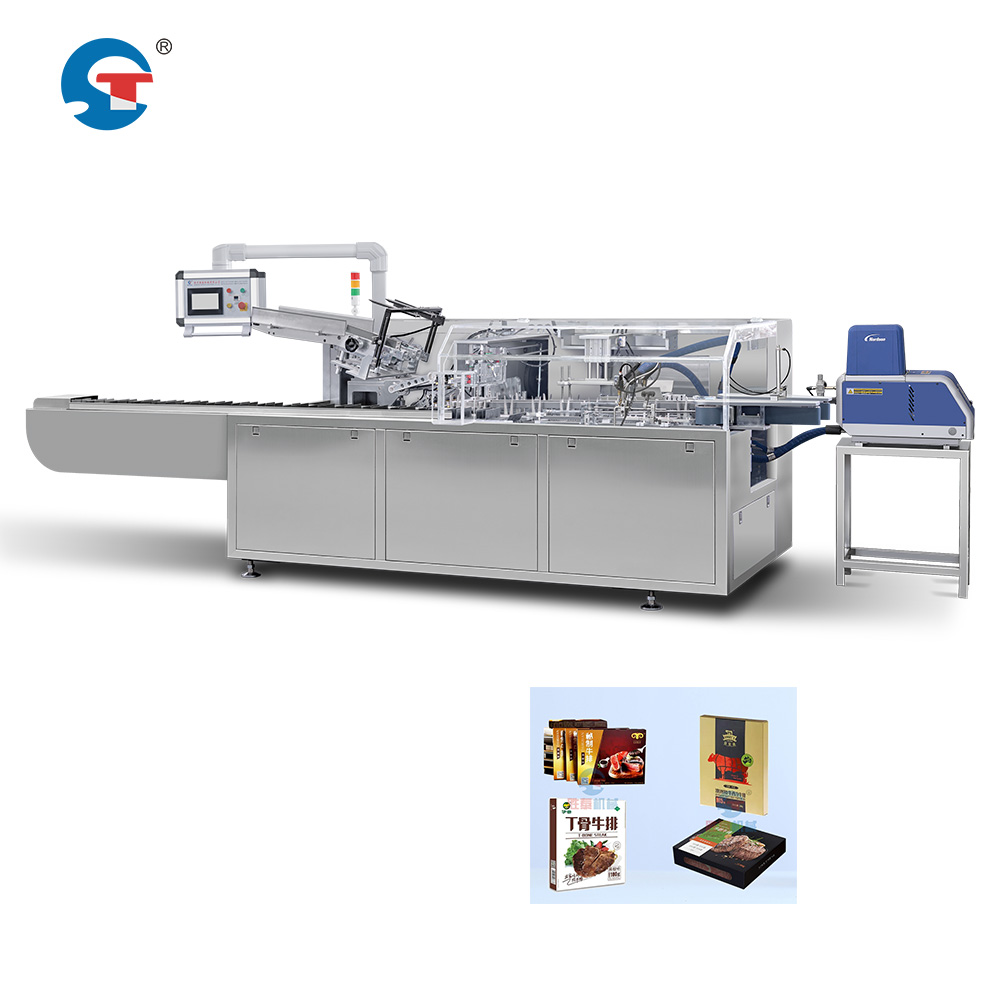
Exporting food products at scale requires reliable and efficient packaging solutions that meet international standards and production timelines. A food cartoner represents a significant capital investment that can transform your production capacity, but choosing the right system demands careful evaluation of multiple factors. Before committing resources to an automatic packaging machine for food, exporters must thoroughly assess equipment specifications, operational compatibility, cost structures, and long-term business alignment to maximize return on investment and minimize production disruptions.
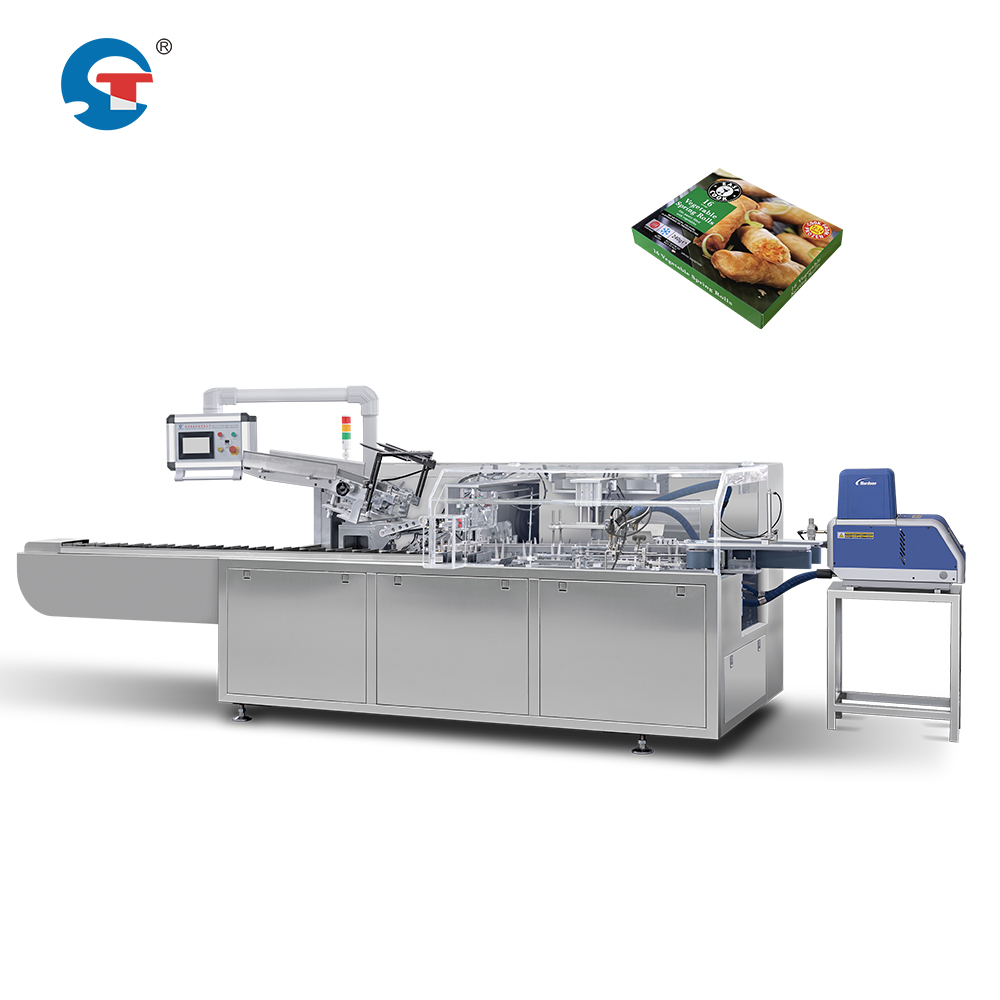
The decision to invest in carton erecting and forming equipment should align with your production volume, export market requirements, product specifications, and operational infrastructure. Understanding the technical capabilities, maintenance demands, and integration requirements of food packaging automation systems will help you select equipment that delivers consistent quality while supporting your growth strategy in competitive export markets.
Understanding Your Production Requirements
Assess Current and Projected Output Volumes
Before evaluating any automatic packaging machine for food, calculate your current daily production volumes and project growth for the next three to five years. Export businesses often experience seasonal fluctuations and market expansion opportunities that require flexible production capacity. A food cartoner system should handle your peak production demands while maintaining cost efficiency during lower-volume periods. Undersizing equipment limits growth potential and creates bottlenecks, while oversizing increases fixed costs and reduces profitability on smaller batches.
Examine your product portfolio and determine which items require carton packaging. Different products may need different carton sizes, configurations, or erecting speeds. Food packaging automation systems vary in their ability to handle multiple formats, so understanding your packaging diversity helps you select equipment with the right flexibility for your export operations.
Match Equipment Capacity to Export Timelines
Export markets often impose strict shipping schedules and container-fill deadlines. A carton erecting and forming equipment system must reliably meet these timelines without compromising product quality or requiring excessive overtime. Review the technical specifications for speed (cartoons per minute), reliability ratings, and support availability from manufacturers. International shipping requires consistent, high-quality packaging that protects products during long transit periods and meets destination country labeling and structural standards.
Technical Specifications and Operational Compatibility
Evaluate Machine Specifications Against Product Characteristics
A food cartoner must accommodate your product dimensions, weight, and packaging material specifications. Review the machine's capability to handle your carton stock quality, thickness, and finish without jamming, creasing, or sealing failures. Food packaging automation systems require compatibility with your product's moisture content, temperature sensitivity, and shelf-life requirements, as these factors influence packaging timing and storage conditions after cartoning.
Verify that the automatic packaging machine for food integrates seamlessly with your existing production line, including weighing systems, labeling equipment, and conveyor infrastructure. Incompatible systems create workflow gaps that reduce efficiency and increase labor costs. Request detailed technical drawings, interface specifications, and integration testing from equipment suppliers to confirm compatibility before purchase.
Assess Machine Reliability and Support Infrastructure
Production downtime in export operations directly impacts customer relationships and revenue. Evaluate the food cartoner's uptime history, maintenance requirements, spare parts availability, and technical support response times. Suppliers with local service centers, trained technicians, and comprehensive warranty coverage provide faster troubleshooting and reduced disruption when issues arise. Ask for references from existing export companies using similar equipment to verify real-world performance and support quality.
Carton erecting and forming equipment requires routine preventive maintenance including cleaning, lubrication, and component replacement. Understand the maintenance schedule, skill requirements for operators, and whether maintenance can be performed in-house or requires specialized technicians. Training availability and documentation quality significantly influence your ability to maintain equipment reliability and productivity.
Financial Analysis and Return on Investment
Calculate Total Cost of Ownership
The purchase price of a food cartoner represents only one component of total investment cost. Include installation, training, facility modifications, and integration expenses in your financial analysis. Food packaging automation systems require ongoing costs for maintenance, spare parts, consumables, labor, and utilities. Calculate the payback period by comparing total investment against annual savings from labor reduction, waste minimization, and increased production efficiency.
Project realistic cost savings by analyzing your current labor costs for manual cartoning, waste rates in your existing process, and production speed improvements with an automatic packaging machine for food. Conservative estimates should account for the learning curve period when your team is developing proficiency with new equipment. Factor in potential efficiency gains from reduced errors, faster throughput, and improved consistency that enhance customer satisfaction and reduce returns in export markets.
Evaluate Financial Flexibility and Vendor Terms
Explore financing options including equipment leasing, installment purchase plans, or government export assistance programs that may reduce upfront capital requirements. Negotiate payment terms, warranty periods, and service agreements with carton erecting and forming equipment suppliers to optimize cash flow and risk management. Some vendors offer trial periods or performance guarantees that allow you to validate equipment suitability before full commitment, reducing financial risk for export businesses.
FAQ
What production volume justifies investment in a food cartoner?
Most exporters see positive return on investment when production volumes exceed 200,000 to 300,000 units annually, depending on labor costs, product complexity, and cartoning speed requirements. An automatic packaging machine for food becomes financially attractive when manual cartoning requires multiple operators, creates quality inconsistencies, or fails to meet export deadline demands. Analyze your specific labor rates and production efficiency gains to determine your break-even volume.
How long does food cartoner installation and operator training typically require?
Food packaging automation systems usually require 2 to 4 weeks for installation, calibration, and facility integration, followed by 1 to 2 weeks of intensive operator and maintenance staff training. The carton erecting and forming equipment supplier typically provides initial training, though ongoing support may require your team to develop internal expertise. Schedule installation during lower production periods to minimize export delivery disruptions during the implementation phase.
What quality and compliance considerations apply to cartoned food products in export markets?
Export food products must comply with destination country packaging standards, including structural integrity, moisture barriers, and labeling requirements. A food cartoner must consistently deliver professional-quality packaging that meets food safety regulations, maintains product freshness, and withstands handling during international shipping. Verify that your chosen automatic packaging machine for food produces packaging that satisfies your target market's quality expectations and regulatory requirements.