
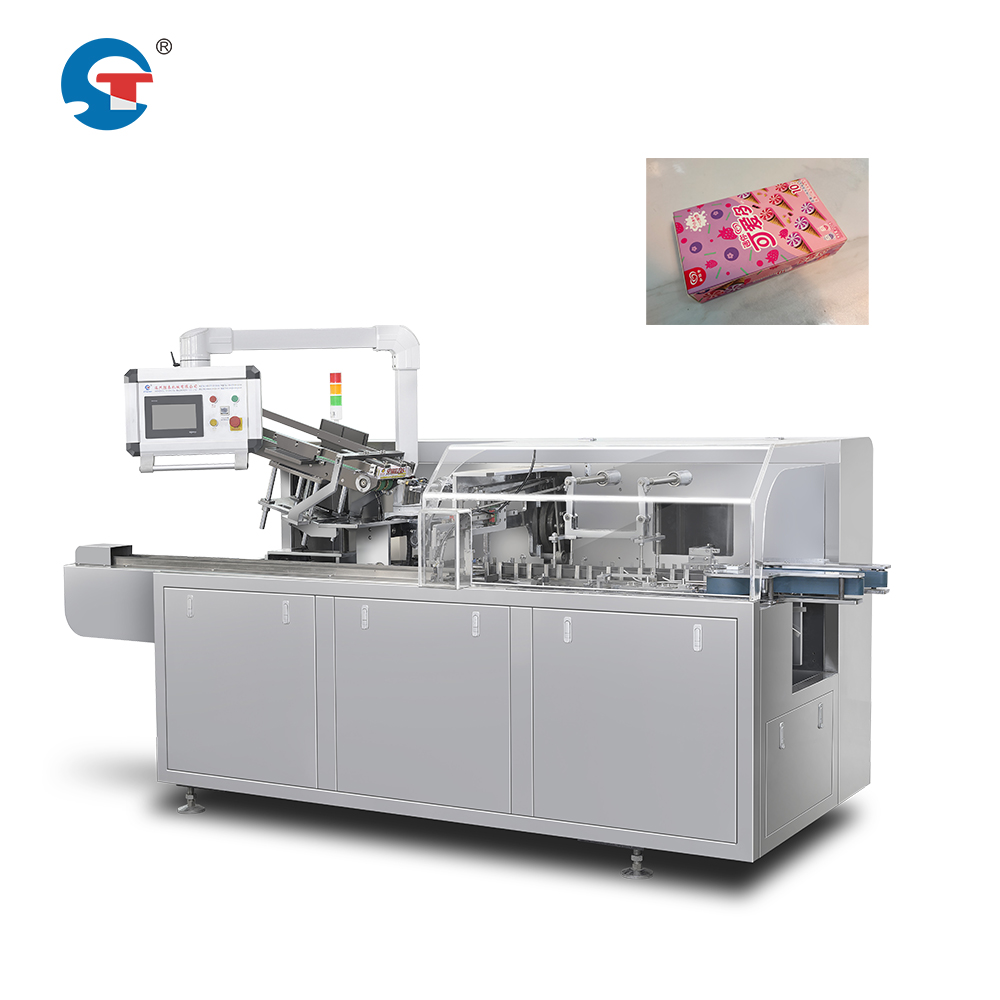
The performance of ice cream packaging equipment directly impacts production efficiency, product quality, and operational costs in frozen dessert manufacturing facilities. Understanding which factors influence ice cream packaging equipment performance helps factory managers make informed decisions about equipment selection, maintenance, and process optimization. From machinery specifications to environmental conditions, multiple interconnected variables determine how effectively your packaging line operates.
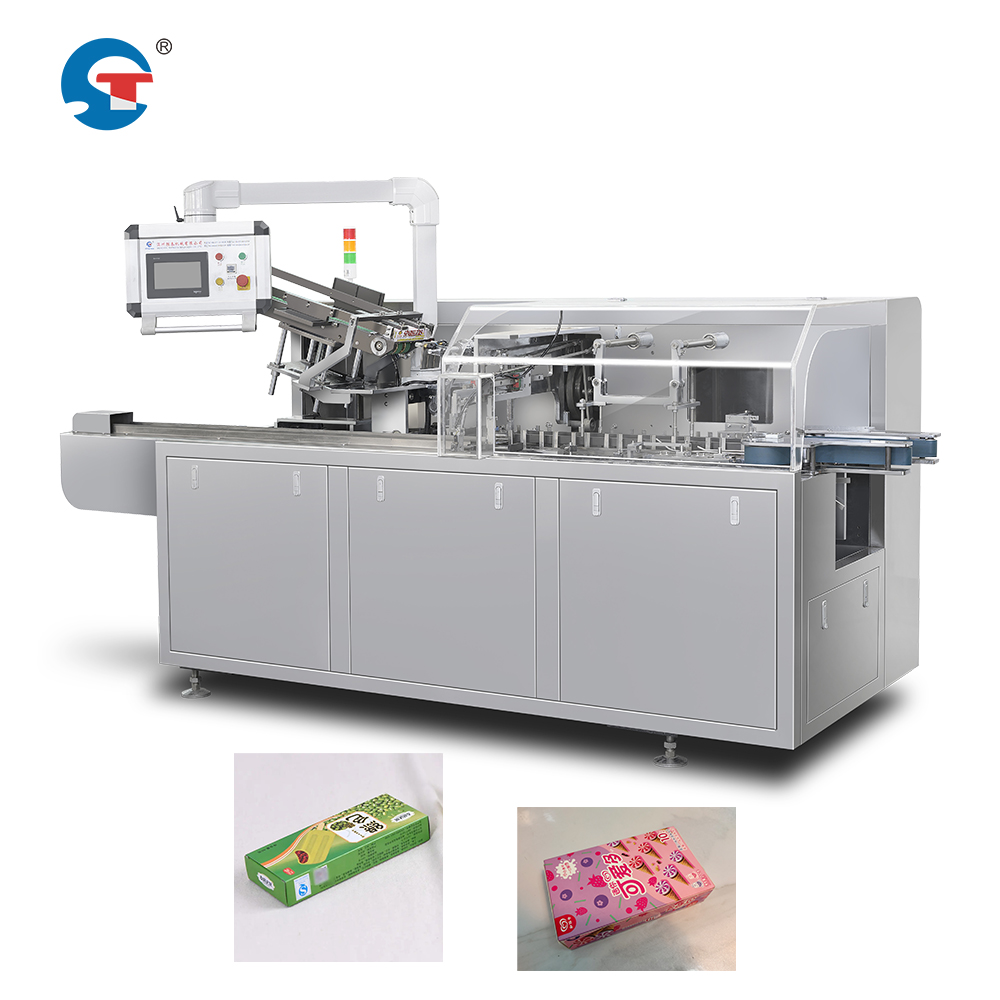
Factory operators managing ice cream packaging equipment must consider both mechanical and material-related performance drivers. The interaction between equipment calibration, ingredient characteristics, environmental temperature control, and material compatibility creates the foundation for consistent output quality and reliability. This comprehensive guide examines the critical factors that shape packaging line performance and provides actionable insights for maximizing equipment efficiency.
Machinery Design and Technical Specifications
Equipment Calibration and Precision
The mechanical precision of your ice cream packaging equipment determines fill accuracy, seal integrity, and product consistency. Properly calibrated filling mechanisms ensure each container receives the correct ice cream volume, reducing waste and maintaining quality standards. Temperature sensors, pressure gauges, and flow rate controls work together to maintain optimal performance parameters throughout production shifts.
Regular calibration of the automatic ice cream cone filling machine prevents drift in measurements that can accumulate over time. When fill volumes become inconsistent, downstream processes suffer increased defect rates and customer complaints. Equipment manufacturers specify calibration intervals and tolerance ranges that operators must follow to preserve equipment performance and product reliability.
High-Speed Processing Capacity
The throughput capabilities of a high-speed pint container sealing system directly correlate with production volume potential and labor efficiency. Equipment rated for higher speeds must maintain seal quality and product integrity under increased operational demands. Inadequately sized equipment becomes a bottleneck that limits factory capacity and increases per-unit production costs.
Speed performance also impacts energy consumption and equipment wear patterns. Systems designed for specific speed ranges operate most efficiently within manufacturer specifications. Running equipment beyond rated capacity accelerates component degradation and reduces equipment lifespan.
Material Compatibility and Specifications
Ice Cream Packaging Materials Specifications
Ice cream packaging materials specifications directly influence how effectively your equipment performs during the packaging process. Different container materials—whether plastic, paperboard, or specialized composite structures—interact uniquely with filling nozzles, sealing elements, and cooling systems. Material thickness, rigidity, and thermal properties affect sealing temperature requirements and seal consistency.
Selecting packaging materials compatible with your existing equipment prevents performance degradation and seal failures. Materials with incompatible shrinkage rates or melting points compromise seal quality and product shelf life. Testing new material batches against established ice cream packaging materials specifications ensures consistency before full production deployment.
Thermal and Structural Properties
Container stiffness influences how effectively sealing heads make contact and form reliable seals. Softer or deformed containers create inconsistent contact pressure, resulting in weak or incomplete seals. Material brittleness at freezing temperatures can cause container cracking during the packaging and cooling process, leading to product loss and contamination risks.
Thermal conductivity of packaging materials affects how quickly ice cream solidifies after packaging and determines whether product quality remains stable during storage. Materials that conduct cold excessively may cause frost accumulation on external surfaces, while poor conductors may lead to inadequate freezing at container edges.
Environmental and Operational Factors
Temperature Control in Production Environment
Factory ambient temperature significantly influences ice cream packaging equipment performance and product quality maintenance. Packaging lines operating in poorly temperature-controlled facilities experience inconsistent viscosity in ice cream, which affects filling accuracy and flow rates. Warm factory environments force equipment to work harder to maintain product consistency, accelerating wear on cooling systems and increasing energy consumption.
Modern ice cream packaging equipment includes integrated temperature monitoring systems that alert operators when environmental conditions drift outside acceptable ranges. Maintaining factory ambient temperatures between 50-65 degrees Fahrenheit optimizes equipment performance and product stability. Facilities with inadequate climate control experience higher reject rates and reduced equipment reliability.
Production Line Maintenance and Component Replacement
Preventive maintenance directly determines how long ice cream packaging equipment maintains peak performance before degradation becomes noticeable. Automatic ice cream cone filling machine components experience wear from constant thermal cycling, mechanical stress, and contact with ice cream residues. Regular cleaning prevents buildup that compromises sealing surfaces and reduces operational efficiency.
Worn sealing gaskets, degraded nozzle tips, and loose mechanical connections accumulate performance issues that compound over time. Establishing a preventive maintenance schedule aligned with manufacturer recommendations preserves equipment capability and prevents sudden production failures. Component replacement costs represent a small fraction of losses incurred when equipment performs suboptimally or fails completely.
FAQ
What environmental conditions most directly impact ice cream packaging equipment performance?
Temperature control stands as the primary environmental factor affecting equipment performance. Ambient factory temperatures above 70 degrees Fahrenheit cause product viscosity changes that degrade filling accuracy and increase equipment stress. Humidity levels also influence seal formation and container material properties, making climate-controlled facilities essential for consistent high-speed pint container sealing system operation.
How do ice cream packaging materials specifications affect equipment lifespan?
Incompatible material specifications force equipment to operate at non-optimal parameters, accelerating component wear and reducing reliability. Materials with higher melting points require elevated sealing temperatures that stress heating elements prematurely. Selecting materials specifically rated for your ice cream packaging equipment model minimizes operational strain and extends equipment longevity significantly.
Why does the automatic ice cream cone filling machine require regular calibration?
Regular calibration maintains fill accuracy and prevents volume drift that accumulates over extended production periods. Mechanical components gradually shift alignment through vibration and thermal cycling, causing fill variations. Monthly calibration verification ensures your equipment consistently delivers precise portions and maintains product quality standards that customers expect.