
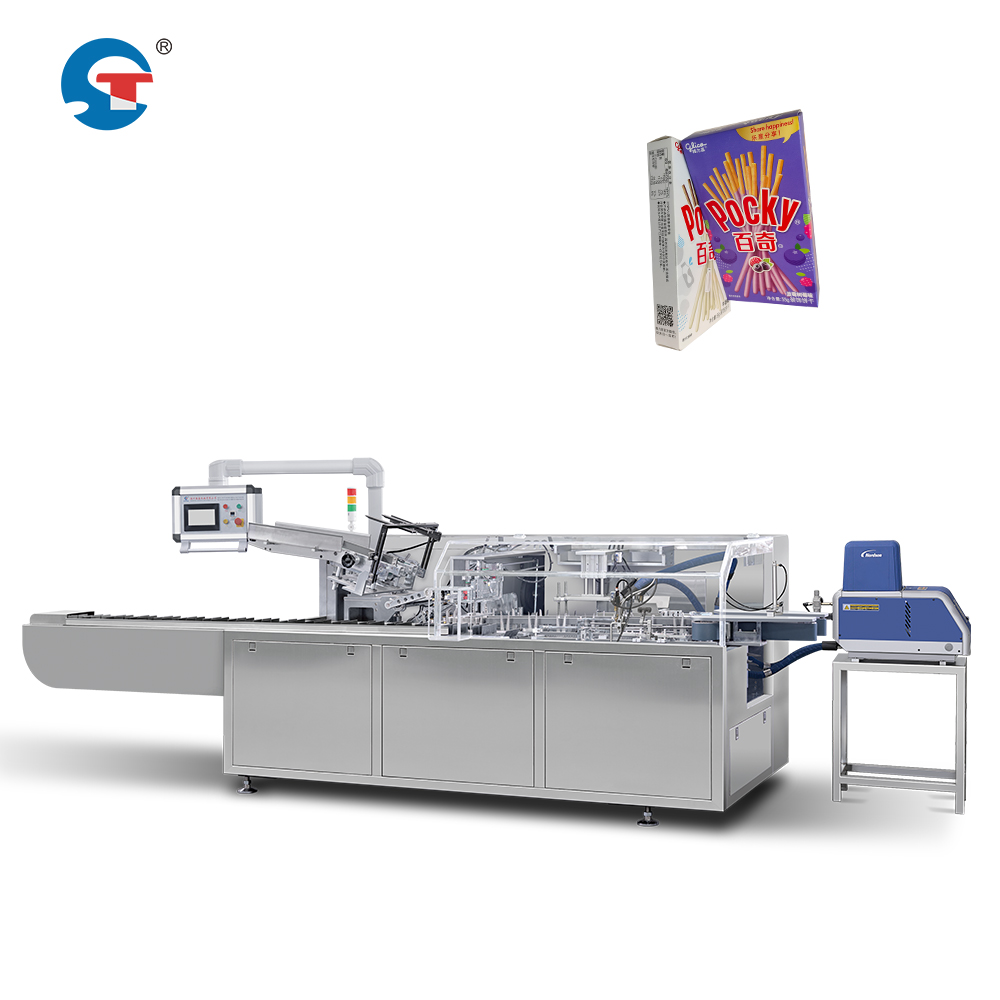
Food manufacturing facilities worldwide are rapidly modernizing their operations by integrating advanced automation solutions into their production lines. The shift toward chips packing machine technology represents a strategic response to evolving market demands, operational challenges, and competitive pressures within the snack food industry. As consumer expectations for product quality, consistency, and availability continue to rise, factories recognize that traditional manual packaging methods can no longer meet production targets efficiently or cost-effectively.
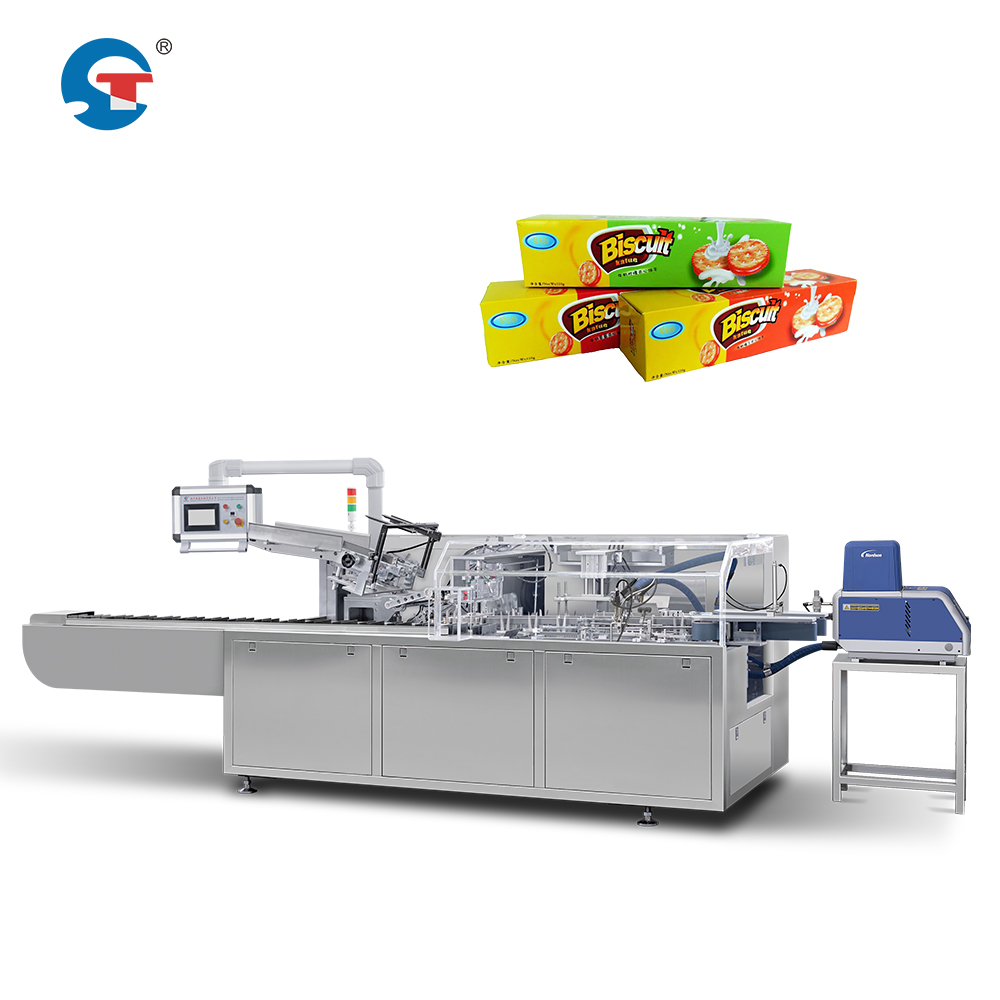
The investment in automatic snack packaging equipment goes beyond simple convenience. It reflects a fundamental transformation in how food manufacturers approach productivity, quality control, and workforce management. By adopting vertical form fill seal machines and multi-head weighing and bagging systems, factories gain measurable advantages that directly impact profitability and market positioning.
Production Efficiency and Throughput Gains
Meeting Rising Demand Without Proportional Labor Costs
The primary driver behind chips packing machine adoption is the dramatic increase in production capacity. Automated systems can process significantly more units per hour compared to manual operations, allowing factories to meet surging consumer demand without hiring proportional numbers of workers. A single vertical form fill seal machine can handle thousands of units daily, maintaining consistent speed while minimizing human intervention and fatigue-related errors that plague manual packaging lines.
Labor markets in food manufacturing regions face persistent tightness, making recruitment and retention increasingly difficult. Automatic snack packaging equipment reduces dependency on finding and training large workforces, enabling factories to maintain production levels even during periods of labor scarcity. This operational resilience proves critical during seasonal demand spikes or supply chain disruptions.
Reducing Cycle Time and Bottlenecks
Multi-head weighing and bagging systems eliminate production bottlenecks that naturally arise in manual workflows. These systems work with precision timing, coordinating filling, sealing, and quality checks in seamless succession. The reduction in cycle time per package directly translates to higher overall throughput, allowing factories to fulfill larger orders within compressed timelines and capture market opportunities faster than competitors relying on slower packaging methods.
Quality Control and Product Consistency
Precise Portion Control and Weight Accuracy
Consistency in product weight and portion size is non-negotiable in snack manufacturing. Consumer trust depends on predictable package contents, and regulatory compliance requires strict adherence to labeled weights. Manual packaging inherently introduces variation, as human operators cannot maintain perfect consistency across thousands of packages per shift. Multi-head weighing and bagging systems deliver precise weight distribution with minimal deviation, ensuring every package meets exact specifications and eliminates costly giveaway where packages contain excessive product.
This precision reduces product waste and loss due to over-filling, directly improving profit margins. When factored across millions of packages annually, even small improvements in weight accuracy compound into substantial financial benefits that justify the capital investment in automatic snack packaging equipment.
Minimizing Contamination and Ensuring Food Safety
Automated packaging systems maintain strict hygiene standards by reducing human contact with product and packaging materials. Enclosed designs in vertical form fill seal machines prevent dust, pathogens, and foreign objects from contaminating snacks during the packaging process. This technological barrier strengthens food safety compliance and reduces the risk of costly recalls or consumer health incidents that could damage brand reputation permanently.
Economic and Strategic Business Benefits
Long-Term Cost Reduction and Return on Investment
While chips packing machine systems require substantial upfront capital expenditure, the operational cost savings generated over multiple years justify the investment decisively. Reduced labor expenses, lower material waste, faster throughput, and fewer quality-related losses combine to create compelling economic returns. Most food factories recover their investment within three to five years, after which the systems continue generating profit without significant additional costs beyond routine maintenance.
Automatic snack packaging equipment also reduces energy consumption per unit produced compared to labor-intensive manual operations, contributing to lower operational carbon footprints and potentially qualifying factories for sustainability certifications that appeal to environmentally conscious retailers and consumers.
Competitive Positioning and Market Adaptability
Factories equipped with advanced packaging automation gain competitive advantages in responding to market shifts. Multi-head weighing and bagging systems and vertical form fill seal machines enable rapid product changeovers and customization, allowing manufacturers to serve diverse market segments and customer specifications without expensive retooling delays. This flexibility proves essential in modern snack markets where consumer preferences shift rapidly and retailers demand frequent new product introductions.
Additionally, superior consistency and reliability enhance relationships with major retail partners who increasingly demand just-in-time delivery and guaranteed quality standards. Factories with proven automation capabilities become preferred suppliers, accessing larger orders and premium margins compared to manual competitors.
FAQ
What immediate operational improvements can factories expect after implementing chips packing machine automation?
Factories typically observe production increases of 40–60% within the first year, alongside reductions in labor requirements by 30–50%, improved package weight consistency to within 2% tolerance, and decreased material waste by 15–25%. These improvements accumulate into faster delivery timelines, higher profit margins, and enhanced product quality that strengthens market competitiveness.
How do vertical form fill seal machines and multi-head weighing and bagging systems differ in application?
Vertical form fill seal machines excel in high-volume operations requiring continuous bag formation and sealing from rolls of film, making them ideal for uniform package sizes. Multi-head weighing and bagging systems prioritize precise portion control across multiple product types or sizes, excelling in operations requiring frequent recipe changes or serving multiple market channels. Many advanced facilities deploy both technologies in complementary roles within the same facility.
Are there hidden costs or challenges associated with transitioning to automatic snack packaging equipment?
Initial learning curves affect staff productivity temporarily as operators master new systems, but training typically resolves this within weeks. Maintenance expertise requirements increase, though most equipment suppliers provide technical support and training. The main challenge involves managing workforce transitions ethically, as automation reduces manual packaging positions. Forward-thinking factories retrain affected workers for equipment oversight, quality monitoring, and maintenance roles, preserving employee relationships and institutional knowledge.
Table of Contents
- Production Efficiency and Throughput Gains
- Quality Control and Product Consistency
- Economic and Strategic Business Benefits
-
FAQ
- What immediate operational improvements can factories expect after implementing chips packing machine automation?
- How do vertical form fill seal machines and multi-head weighing and bagging systems differ in application?
- Are there hidden costs or challenges associated with transitioning to automatic snack packaging equipment?