
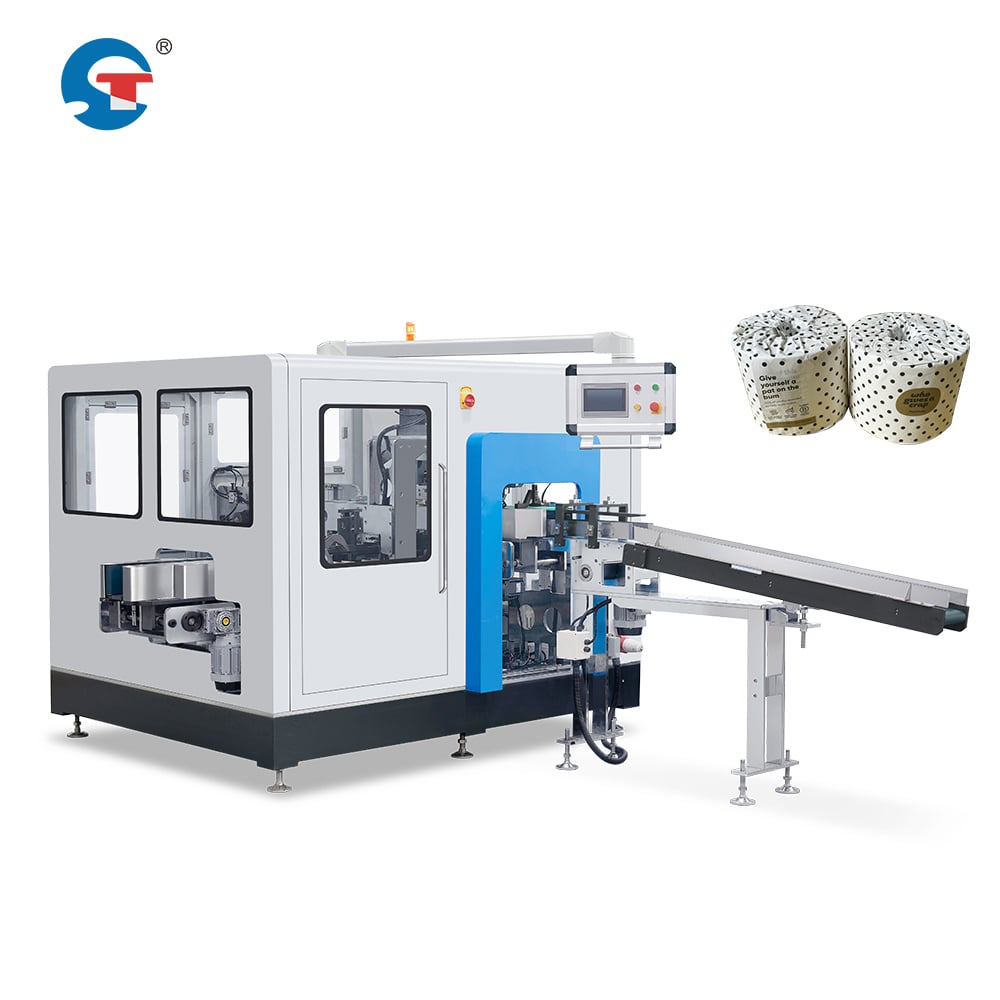
A toilet paper packaging machine represents a critical investment for manufacturers operating continuous packaging lines in the tissue industry. The decision to integrate such equipment goes beyond simple efficiency gains; it addresses fundamental operational, quality, and market competitiveness factors that directly influence production economics and customer satisfaction. Modern tissue producers face mounting pressure to deliver consistent packaging quality, maintain production speeds, and reduce labor costs simultaneously. A purpose-built toilet paper packaging machine solves these challenges by automating the wrapping, sealing, and stacking processes that would otherwise require significant manual intervention. Understanding why this equipment proves suitable for continuous operations requires examining the technical alignment between machine capabilities and production line demands.
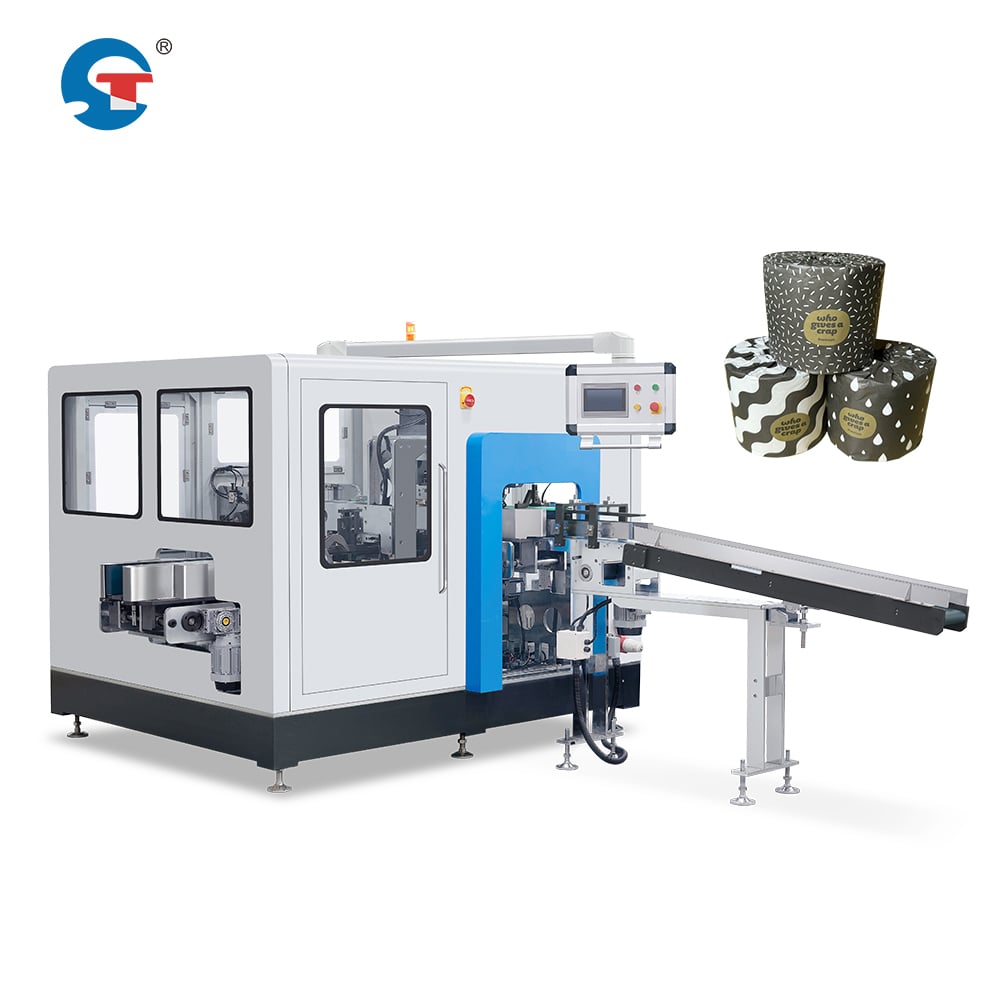
Continuous packaging environments operate on synchronized workflows where every machine component must respond in real time to material flow, speed adjustments, and quality control signals. The automatic tissue roll wrapping equipment designed for these settings provides seamless integration with upstream production stages, eliminating bottlenecks and downtime that plague manual or semi-automated operations. This compatibility with continuous production systems represents the core reason why selecting the right toilet paper packaging machine directly impacts overall line performance and profitability.
Synchronized Operation with Continuous Production Demands
Integration Capabilities of Modern Packaging Equipment
Continuous packaging lines require equipment that operates at synchronized speeds, responding instantly to production rate changes and material variations. A tissue paper packaging line specifications document typically outlines interface standards, speed ranges, and sensor compatibility requirements that ensure smooth data exchange between the wrapping equipment and upstream components. The automatic tissue roll wrapping equipment uses real-time feedback systems to maintain consistent wrapping tension, film placement accuracy, and seal quality regardless of speed fluctuations. This responsive nature prevents jams, reduces scrap rates, and maintains product uniformity across production batches. Manufacturers who operate continuous lines find that equipment lacking these synchronization features creates bottlenecks at the packaging stage, negating efficiency gains achieved elsewhere in the production sequence.
Speed Consistency and Production Throughput
The toilet paper production line automation capabilities of modern equipment enable manufacturers to achieve predictable output rates essential for meeting customer delivery commitments and managing inventory efficiently. Advanced packaging machines maintain wrapping speeds of 40 to 80 rolls per minute, depending on roll size and film type, while preserving packaging integrity and label alignment. This consistency proves impossible to achieve through manual labor, where human factors introduce variability in wrap tightness, sealing uniformity, and stacking precision. Tissue paper packaging line specifications emphasize speed ranges that align with standard production requirements, ensuring the packaging machine never becomes the constraint limiting overall line capacity. Companies operating continuous lines report that investing in equipment with proven speed consistency delivers measurable productivity improvements within the first production quarter.
Quality Control and Product Protection Standards
Consistent Wrapping and Sealing Performance
Product quality directly influences brand reputation and customer retention in the tissue industry, making automatic tissue roll wrapping equipment a non-negotiable component of professional packaging operations. A well-designed toilet paper packaging machine applies film wraps with uniform tension, eliminating loose sections that cause unraveling during transport or storage. Heat sealing technology integrated into the equipment creates airtight seals that protect paper from moisture, dust, and contamination during distribution. Tissue paper packaging line specifications mandate minimum seal strength values and film coverage percentages that industrial-grade equipment consistently achieves. Manual wrapping introduces human inconsistency; workers experience fatigue, distraction, and physical variability in hand pressure and wrap application technique. The result manifests as product returns, customer complaints, and damaged brand trust that far exceed the equipment investment cost.
Defect Detection and Real-Time Adjustments
Modern toilet paper production line automation incorporates vision systems and sensor networks that detect packaging defects before completed products enter the distribution chain. These systems identify mis-aligned wraps, insufficient seals, damaged film, or misplaced labels within milliseconds and either trigger automatic adjustments or divert non-conforming units from the packaging line. The automatic tissue roll wrapping equipment responds faster than human operators could observe and correct issues, preventing thousands of defective units from reaching customers. This proactive quality approach reduces warranty claims, return logistics costs, and regulatory compliance risks associated with substandard packaging. Manufacturers utilizing continuous packaging lines equipped with defect detection report defect rates below 0.5%, compared to 2% to 5% typical of semi-automated or manual operations.
Operational Efficiency and Cost Reduction Dynamics
Labor Optimization and Workforce Productivity
The toilet paper packaging machine directly reduces labor requirements by automating repetitive wrapping and stacking functions that traditionally consumed significant personnel hours. A single automatic tissue roll wrapping equipment operator supervises machine performance, adjusts settings, and manages film supply—tasks requiring a fraction of the manual labor previously needed. This optimization allows tissue companies to redeploy personnel to higher-value activities including quality inspection, maintenance, scheduling, and production planning. Tissue paper packaging line specifications acknowledge this workforce transition by designing equipment interfaces that require minimal training investment. Continuous operations benefit substantially from this labor shift, as the machine consistency eliminates supervisor time spent correcting packaging errors or managing worker performance variations.
Maintenance Predictability and Downtime Minimization
Industrial-grade toilet paper production line automation equipment operates within defined performance envelopes, enabling maintenance teams to predict service intervals and prevent unexpected breakdowns. Scheduled maintenance windows can be planned during natural production lows, avoiding emergency shutdowns that disrupt customer commitments. The automatic tissue roll wrapping equipment utilizes standardized components, ensuring spare parts availability and rapid repair capabilities. Continuous packaging lines depend on equipment reliability because any single-stage failure halts the entire production sequence. Manufacturers report that equipment featuring proven durability and accessible maintenance architecture delivers return on investment within 12 to 18 months through reduced downtime costs and labor savings alone.
Industry-Specific Requirements and Regulatory Alignment
Hygiene Standards and Food-Grade Compliance
Tissue products often qualify as food-contact items under regulatory frameworks governing packaging materials and manufacturing conditions. A toilet paper packaging machine designed for continuous operations incorporates stainless steel components, hygienic design principles, and material compatibility standards that satisfy regulatory agencies across major markets. The automatic tissue roll wrapping equipment uses food-grade films and adhesives that do not compromise product safety or consumer health. Tissue paper packaging line specifications include detailed material certifications, contamination prevention protocols, and traceability documentation required by regulatory bodies. Manufacturers operating in regulated markets cannot achieve compliance through manual processes lacking documented controls and reproducibility standards. The equipment investment addresses regulatory requirements while simultaneously improving operational efficiency.
Customization and Flexible Production Scenarios
Modern toilet paper production line automation systems accommodate variations in roll diameter, film types, package quantities, and label configurations without requiring mechanical redesign or extensive recalibration. This flexibility allows manufacturers to serve diverse customer requirements from a single continuous packaging line, maximizing equipment asset utilization. The automatic tissue roll wrapping equipment accepts parameter adjustments through user interfaces, enabling rapid changeovers between product specifications. Tissue paper packaging line specifications emphasize this adaptability as a key feature differentiating high-value equipment from basic alternatives. Companies producing multiple tissue grades, package sizes, or market-specific variants rely on this equipment flexibility to optimize production schedules and respond to customer demand variations efficiently.
FAQ
What production speeds does a toilet paper packaging machine support?
Modern automatic tissue roll wrapping equipment typically operates at 40 to 80 rolls per minute, depending on roll size, packaging format, and film characteristics. Tissue paper packaging line specifications define speed ranges that align with customer requirements and market standards. These speeds remain consistent throughout production runs, eliminating the variability inherent in manual wrapping processes. Manufacturers can select equipment speed ratings matching their target production volumes and customer delivery requirements.
How does automatic tissue roll wrapping equipment integrate with existing production lines?
A toilet paper packaging machine connects to upstream production stages through standardized interfaces including material conveyors, speed synchronization signals, and quality control sensor networks. Tissue paper packaging line specifications document these integration requirements, ensuring compatible equipment components work together seamlessly. Installation typically requires 2 to 4 weeks, including equipment positioning, electrical integration, and operator training. Most manufacturers provide technical support during commissioning to optimize performance and ensure the machine operates smoothly within the existing production environment.
What maintenance schedule does a tissue paper packaging line require?
Toilet paper production line automation equipment operates on preventive maintenance schedules typically involving daily visual inspections, weekly cleaning of contact surfaces, and monthly servicing of mechanical components. Tissue paper packaging line specifications include detailed maintenance protocols that preserve equipment performance and prevent unexpected failures. Most manufacturers recommend professional service visits quarterly to address wear components and recalibrate precision systems. Following recommended maintenance ensures the automatic tissue roll wrapping equipment maintains consistent performance and extends operational lifespan beyond 10 years.