
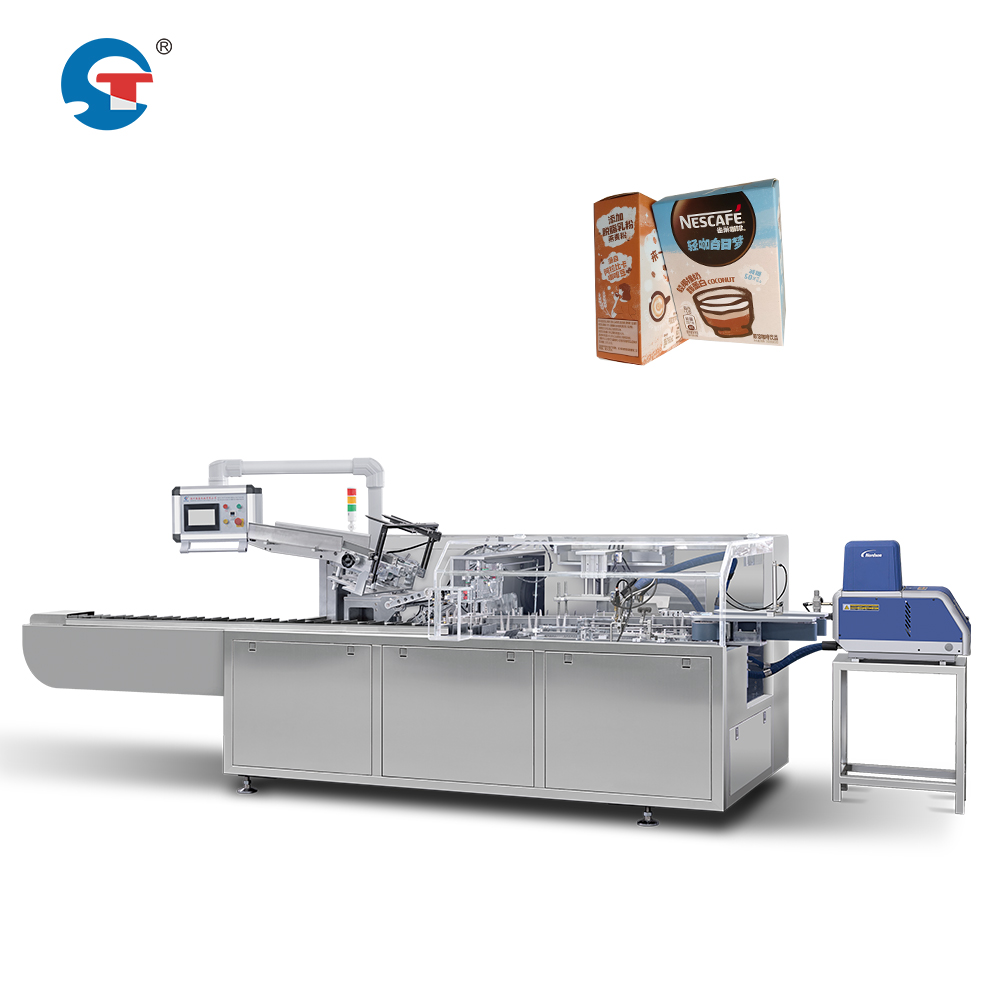
Selecting the right multi pack biscuit packing machine is a critical investment decision for food manufacturers. This equipment directly impacts production efficiency, packaging quality, and ultimately your bottom line. Before committing capital to any system, buyers must evaluate specific technical parameters, compatibility with existing operations, and long-term performance reliability. Understanding what to inspect ensures you avoid costly mistakes and select equipment that truly aligns with your production goals.

The biscuit packaging industry demands precision, speed, and flexibility. Whether your facility produces crackers, cookies, or specialty biscuits, the machinery you choose must handle your current volume while scaling for future growth. This guide walks through the essential evaluation criteria that help you make an informed purchasing decision, covering performance specifications, material compatibility, and practical operational considerations that matter most to manufacturing teams.
Production Capacity and Speed Requirements
Understanding Output Specifications
Every automatic biscuit packaging equipment solution operates within defined speed ranges. Manufacturers typically express capacity in packs per minute, and this figure must align with your current production demand plus planned growth. If your facility runs multiple production shifts or serves seasonal demand spikes, the high speed cookie packing line must handle peak volumes without compromising package integrity or creating bottlenecks. Verify that advertised speeds reflect real-world performance under your specific product conditions, not ideal laboratory conditions.
Speed capabilities directly influence your production cost per unit and workforce requirements. A biscuit flow wrap machine operating at higher velocities reduces labor intensity and increases throughput efficiency, but only if it maintains consistent quality. Slower machines may actually perform better if they ensure perfect sealing, alignment, and product presentation. Request demo runs with samples of your actual biscuits to observe whether speed claims hold under operational stress. This hands-on verification prevents post-purchase disappointment and ensures the equipment truly matches your output targets.
Flexibility Across Product Variants
Modern production environments rarely run a single product configuration indefinitely. Your multi pack biscuit packing machine should accommodate different package sizes, formats, and material types with minimal changeover time. Inspect the equipment's adjustment mechanisms for pack length, width, and seal patterns. Quick-change modules and tool-free adjustments reduce downtime between production runs, which is crucial for manufacturers serving diverse customer segments or seasonal product lines. Systems requiring extensive disassembly and recalibration between configurations create hidden costs that buyers often overlook during initial evaluation.
Material Compatibility and Sealing Performance
Film and Packaging Material Support
The biscuit flow wrap machine you select must work reliably with the specific films and materials your supply chain provides. Not all equipment performs equally across polypropylene, polyethylene, laminate, or compostable film variants. Material thickness, moisture sensitivity, and heat-seal characteristics vary significantly, and your machinery must adapt without degrading package quality. Before purchase, test the system with actual packaging materials from your suppliers under real production temperatures and speeds. This validation step prevents situations where the equipment technically works but produces weak seals, wrinkles, or inconsistent results.
Seal quality directly affects product shelf life and customer satisfaction. Weak or intermittent seals allow moisture ingress, leading to product staleness and customer returns. Examine the sealing head design, temperature control precision, and pressure uniformity across the seal line. Verify that the high speed cookie packing line maintains consistent seal strength even during extended production runs when equipment naturally experiences thermal cycling. Ask for sealed package samples from extended test runs, not just initial trial batches, to confirm durability and reliability under sustained operation.
Product Compatibility Across Biscuit Types
Different biscuit varieties present unique packaging challenges. Fragile cookies require gentle handling and lighter compression settings, while dense biscuits can tolerate standard pressure profiles. Automatic biscuit packaging equipment must accommodate crumb characteristics, product dimensions, and structural integrity across your product portfolio. Request compatibility lists from suppliers and verify whether the machine handles both your current products and anticipated future variants. Inspect the feed mechanism, product guidance system, and cushioning features to confirm they protect product quality while maintaining speed and efficiency.
Technical Specifications and Operational Features
Control Systems and Automation Intelligence
Modern multi pack biscuit packing machine systems incorporate PLC controls, touch-screen interfaces, and data logging capabilities that extend far beyond basic operation. Examine the control system's user-friendliness, programming flexibility, and integration potential with your existing production management systems. A biscuit flow wrap machine with intuitive controls reduces operator training time and minimizes human error during setup and adjustments. Built-in diagnostics and error reporting accelerate troubleshooting and reduce unplanned downtime when issues arise. Verify that the system stores production data for quality documentation and compliance reporting, which increasingly matters for food safety audits and customer traceability requirements.
Look for systems offering remote support capabilities, where manufacturers can access equipment status and performance metrics from outside your facility. This feature proves invaluable during troubleshooting or when planning preventive maintenance. Consider whether the high speed cookie packing line supports software updates and feature additions without hardware replacement, protecting your investment against technological obsolescence. Ask about the manufacturer's track record for ongoing software support and security patches, particularly if the system connects to networked production environments.
Maintenance Requirements and Parts Availability
Equipment downtime directly impacts profitability, making maintenance accessibility critical during purchase evaluation. Inspect the mechanical design for ease of access to wear components, seal heads, and adjustment mechanisms. Verify that replacement parts remain readily available through established supply chains and won't require long lead times that halt production. Automatic biscuit packaging equipment from reputable manufacturers typically maintains spare parts inventory, but confirm availability and delivery commitments in writing. Ask about the manufacturer's service network and whether they offer on-site technical support, training programs, and preventive maintenance contracts that could reduce long-term operational costs.
Request detailed maintenance schedules and understand the labor intensity of routine service tasks. Some high speed cookie packing line designs require more frequent calibration or adjustment than others, which translates to higher operational costs. Compare total cost of ownership across candidate systems, not just purchase price, incorporating maintenance labor, parts replacement frequency, and expected equipment lifespan. Systems designed for modular maintenance and straightforward part replacement often deliver superior long-term value despite potentially higher initial investment.
FAQ
What production speed should my multi pack biscuit packing machine achieve?
Production speed depends entirely on your facility's current demand and growth projections. Most commercial equipment operates in the range of 30 to 150 packs per minute, with high speed cookie packing line systems reaching even higher velocities. Rather than chasing maximum speed, select a machine that comfortably handles your peak volume requirements with built-in capacity headroom. Oversized equipment increases capital costs and energy consumption, while undersized systems create production constraints. Request equipment capable of at least 20 percent above your projected peak demand to accommodate unexpected growth or temporary production surges without upgrade pressure.
How do I ensure compatibility between my biscuits and automatic biscuit packaging equipment?
Conduct thorough compatibility testing before finalizing your purchase commitment. Supply actual product samples and packaging materials to potential vendors and request extended test runs that simulate your real production conditions. Examine sealed packages for quality, test samples for shelf-life performance, and observe the machine's handling of your product types at intended speeds. Verify that the biscuit flow wrap machine accommodates your product dimensions, weight, and structural characteristics without requiring significant modifications. This validation step prevents expensive post-purchase disappointment and confirms the equipment meets your actual operational needs rather than theoretical specifications.
What maintenance costs should I budget for a biscuit flow wrap machine?
Annual maintenance costs typically range from 3 to 8 percent of the equipment's purchase price, depending on usage intensity and design complexity. Budget for routine seal head replacement, lubrication supplies, and consumable components like belts and gaskets. Factor in labor costs for preventive maintenance tasks performed by your technicians or service contractors. Modern high speed cookie packing line systems with modular designs and straightforward part access generally incur lower maintenance costs than older or more complex equipment. Negotiate service agreements and spare parts pricing with manufacturers as part of your purchasing negotiations to control long-term operational expenses and ensure reliable support availability.