
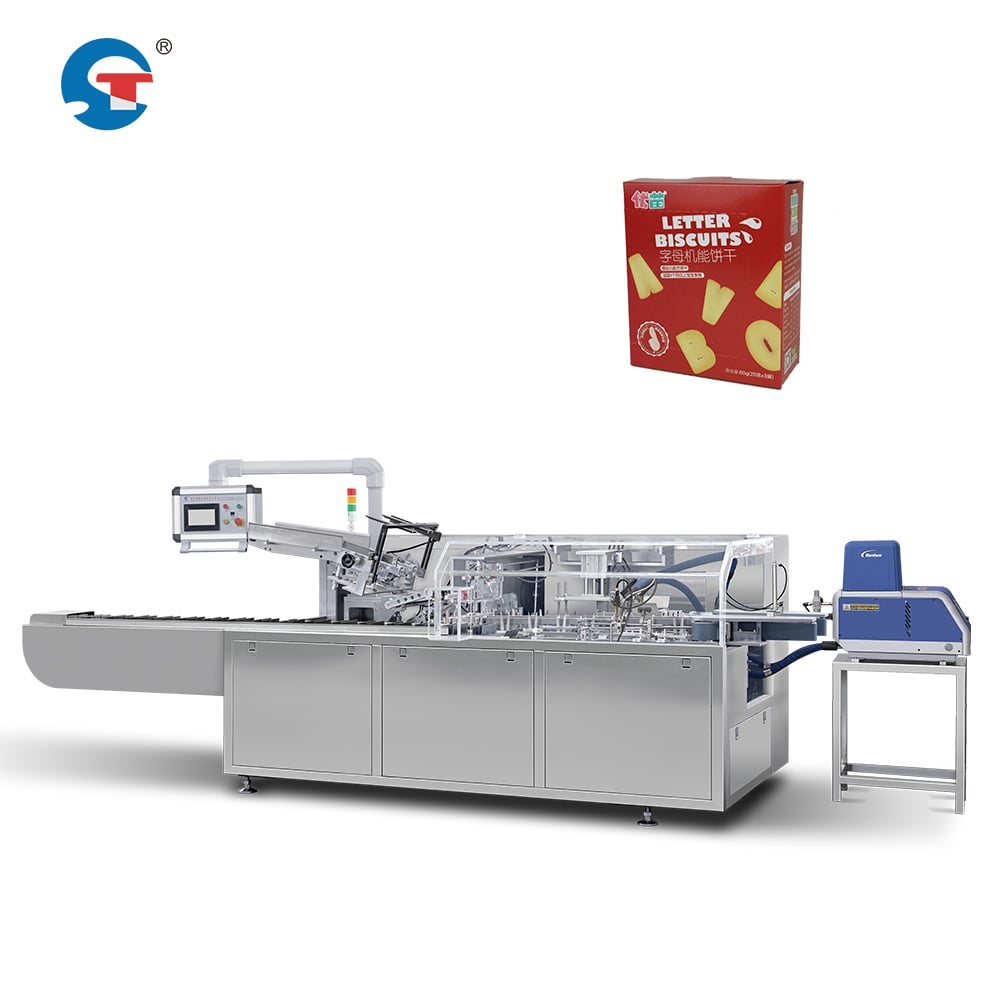
For biscuit exporters operating in highly competitive global markets, efficiency and consistency are non-negotiable. A multi pack biscuit packing machine has become an essential investment that directly influences profitability, market reach, and customer satisfaction. Unlike manual packaging or basic equipment, modern multi pack systems deliver the speed, precision, and scalability that today's export operations demand. Understanding why these machines matter helps exporters make informed decisions about production capacity and operational excellence.

The export biscuit industry faces mounting pressure to meet international quality standards, volume demands, and cost targets simultaneously. Automatic biscuit packaging equipment enables exporters to handle these competing demands without compromising product integrity or delivery schedules. When production volumes increase, manual processes create bottlenecks that delay shipments and inflate labor costs. A high speed snack wrapping machine addresses these challenges directly by automating repetitive tasks, reducing human error, and maintaining consistent packaging quality across every unit produced.
Production Capacity and Market Competitiveness
Meeting Export Volume Demands
Export markets operate on strict timelines and volume commitments. Retailers and distributors expect consistent supply, and failure to deliver damages reputation and revenue. Automatic biscuit packaging equipment enables exporters to scale production without proportionally increasing labor headcount. A multi pack biscuit packing machine can process hundreds of units per hour, transforming production from a time-constrained bottleneck into a flexible asset that grows with market opportunity. This capacity cushion allows exporters to pursue larger contracts and respond rapidly to seasonal demand spikes.
Reducing Production Costs
Labor remains one of the largest operational expenses in food production. Manual packing requires multiple employees working shifts, plus ongoing training, benefits, and compliance overhead. A high speed snack wrapping machine operates continuously with minimal supervision, reducing per-unit labor cost dramatically over time. When amortized across annual production volumes, the investment in modern packing technology often pays for itself within 18 to 36 months. Exporters who adopt automatic biscuit packaging equipment gain price flexibility that competing producers cannot match, strengthening their position during negotiations with distributors.
Product Quality and Brand Protection
Consistency and Precision
Export customers demand uniformity across every package. Inconsistent seal quality, weight variations, or damaged packaging undermines brand credibility and triggers returns or chargebacks. A multi cavity cookie packing system applies precise wrapping techniques, consistent portion weights, and reliable sealing across every single unit. This mechanical consistency eliminates the variance inherent in human packing and protects the exporter's reputation in foreign markets where quality perception directly influences purchase decisions and repeat orders.
Compliance and Food Safety
International export markets enforce strict food safety regulations, including hygiene standards, allergen declarations, and traceability requirements. Modern automatic biscuit packaging equipment integrates validation checkpoints that ensure every package meets specifications before shipment. Multi cavity cookie packing systems reduce human contact with product, lowering contamination risk and supporting compliance documentation for overseas audits. Exporters can confidently demonstrate process control to customers and regulatory bodies, reducing the risk of costly rejections or recalls at the destination port.
Operational Flexibility and Long-Term Value
Handling Product Variety
Export markets often demand multiple SKUs, formats, and packaging configurations to serve different retail segments and regional preferences. A high speed snack wrapping machine equipped with changeover flexibility allows exporters to switch between biscuit types, portion sizes, and wrapping materials within minutes, rather than hours. This adaptability enables production of diverse product lines without dedicated equipment for each variant, maximizing asset utilization and reducing capital requirements for facility expansion.
Future-Proofing Production Operations
The global biscuit trade continues to evolve, with emerging markets demanding premium packaging, sustainable materials, and innovative formats. Investing in modern automatic biscuit packaging equipment positions exporters to adopt new materials and formats as market preferences shift. Many multi cavity cookie packing systems accept software updates and modular attachments, extending useful life beyond initial installation and protecting capital investment against technological obsolescence. Exporters who invest in upgradeable systems maintain competitive advantage without replacing core equipment.
FAQ
How does a multi pack biscuit packing machine improve export competitiveness?
A multi pack biscuit packing machine reduces production costs per unit, accelerates time-to-market, and ensures consistent quality across shipments. These advantages allow exporters to offer competitive pricing and reliable supply to international buyers, strengthening contract negotiations and building long-term customer relationships that drive repeat business and market share growth.
What types of biscuits work with automatic biscuit packaging equipment?
Modern high speed snack wrapping machines accommodate a wide range of biscuit shapes, sizes, and textures, from thin crackers to thick cookies and multi-layered products. The multi cavity cookie packing system adjusts handling mechanisms and timing sequences to match specific product characteristics, enabling exporters to package diverse portfolios without equipment redesign or production line separation.
What is the typical return on investment for a multi cavity cookie packing system?
For most export biscuit producers, modern automatic biscuit packaging equipment generates payback within 18 to 36 months through labor savings, reduced waste, and increased throughput. Additional returns accumulate through premium pricing enabled by consistent quality, faster delivery, and capacity to serve larger contracts, making the investment financially sound for exporters committed to growth.