
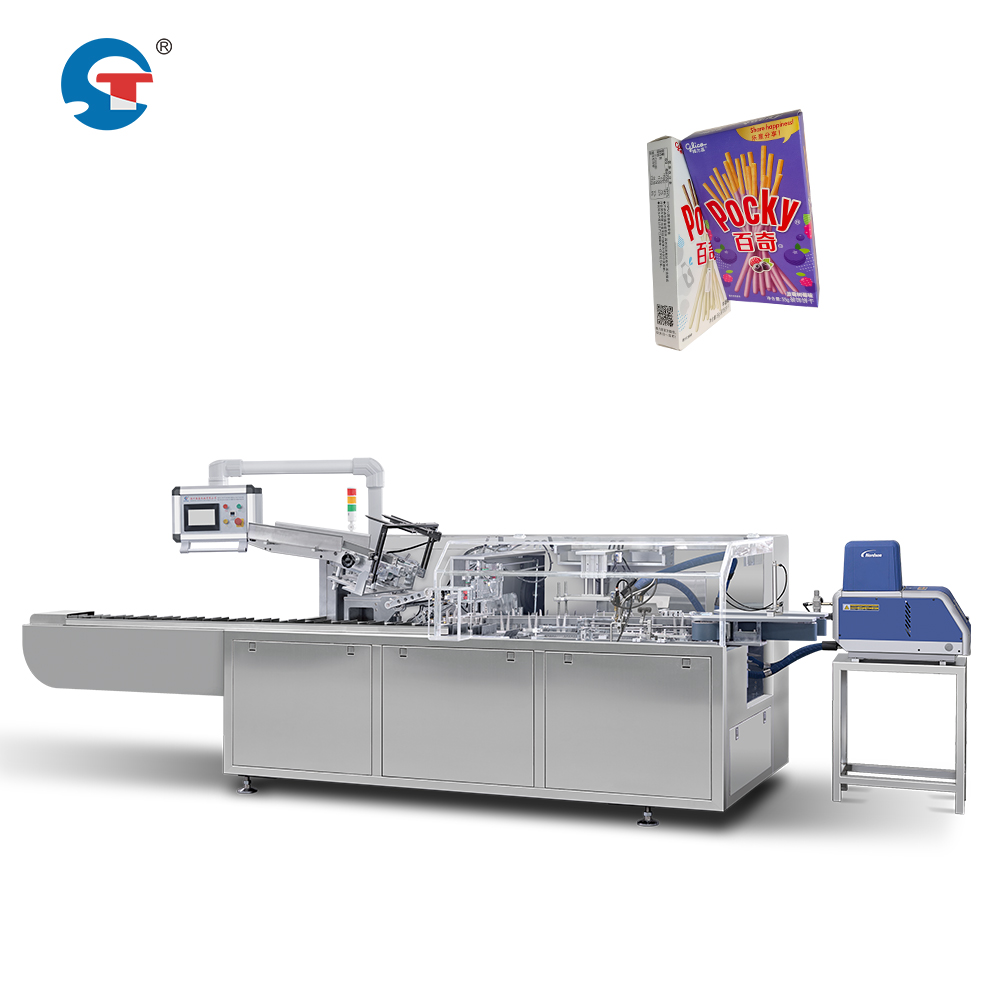
Manufacturers face mounting pressure to optimize production efficiency while maintaining product quality and reducing operational costs. A chips packing machine addresses multiple critical challenges that impact profitability and market competitiveness. From inconsistent portion control to packaging material waste, the right packaging solution transforms how snack producers operate. Understanding these challenges and how modern equipment solves them is essential for manufacturers seeking competitive advantage in today's fast-paced market.
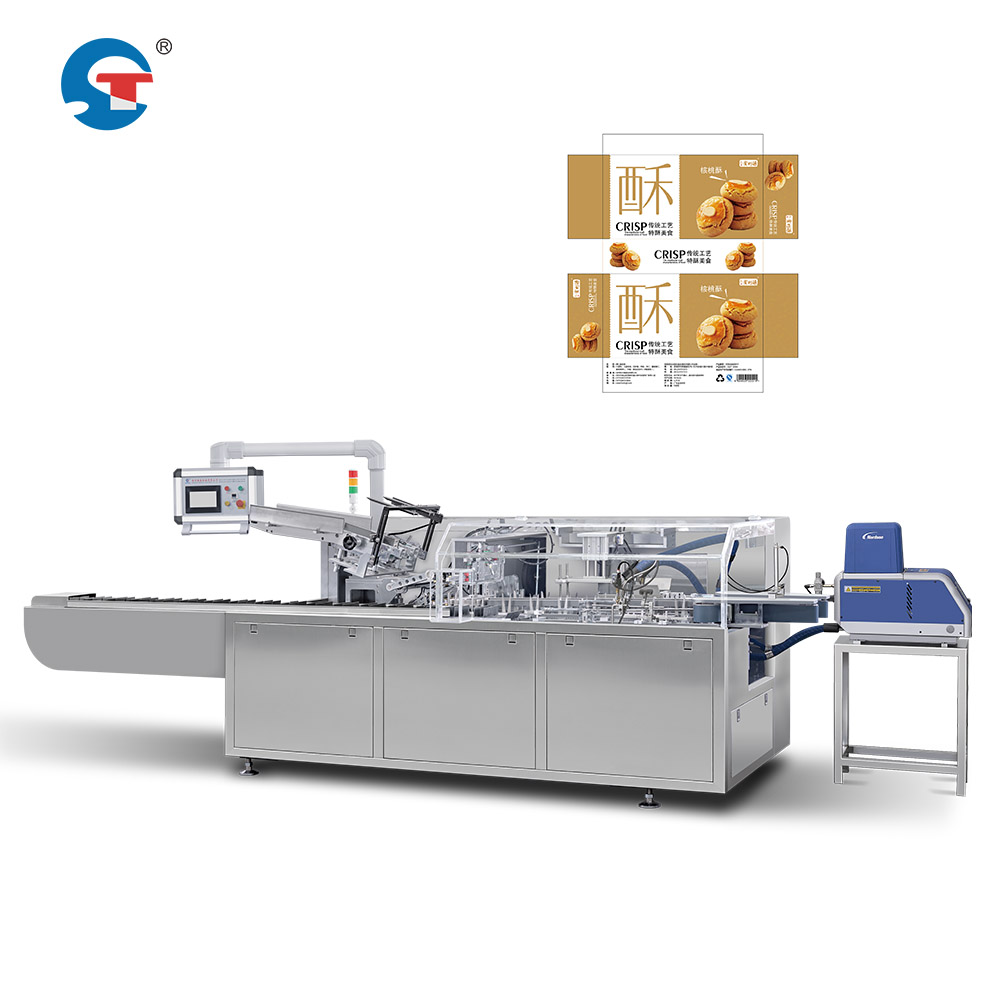
Modern snack packaging demands precision, speed, and reliability. Automatic snack packaging equipment has revolutionized how manufacturers handle chips, crackers, and similar products. By integrating advanced technology like a vertical form fill seal machine and multi-head weigher for food packaging, producers achieve consistency that manual processes cannot match. This article explores the specific packaging challenges manufacturers encounter and demonstrates how investing in proper packaging technology delivers measurable returns.
Inconsistent Portion Control and Weight Accuracy
The Challenge of Manual Weighing
Traditional manual weighing creates significant product quality and regulatory compliance issues. When portions vary bag to bag, consumers notice inconsistency, and regulatory agencies may flag underweight packages as violations. A multi-head weigher for food packaging eliminates these problems by delivering precise quantities within milliseconds. Each chip bag maintains exact weight specifications, preventing both giveaway losses and compliance violations that damage brand reputation.
Impact on Production Efficiency
Inconsistent portions require frequent manual adjustments and quality inspections, slowing production lines significantly. A chips packing machine equipped with advanced weighing technology operates continuously without manual intervention. Production speeds increase dramatically while accuracy improves, reducing the need for labor-intensive quality checks. Manufacturers report 30-40% faster production cycles when switching from manual to automated systems, directly improving profitability and output capacity.
Packaging Material Waste and Cost Management
Reducing Overfill and Underfill Issues
Overfilled bags consume excess material and reduce profit margins, while underfilled bags invite regulatory penalties. Automatic snack packaging equipment minimizes both scenarios through precise measurement and filling control. A vertical form fill seal machine combines forming, filling, and sealing in one seamless operation, preventing material waste at every stage. The result is consistent package size with minimal scrap, directly reducing raw material costs and environmental impact.
Cost Savings Through Optimization
Modern chips packing machines optimize film usage by adjusting bag dimensions based on actual product volume rather than estimated requirements. This dynamic adjustment reduces material consumption by 8-15% compared to fixed-size packaging approaches. Over an annual production cycle processing thousands of tons of chips, these savings translate to significant cost reductions. Material cost typically represents 15-25% of total production expense, making efficiency improvements highly impactful for manufacturer margins.
Production Speed and Labor Optimization
Eliminating Bottlenecks in Manufacturing
Manual packaging operations create bottlenecks that limit production capacity regardless of upstream processing speed. A vertical form fill seal machine processes products at rates of 30-120 bags per minute, depending on configuration and product type. Automatic snack packaging equipment matches modern production line speeds, preventing slowdowns that frustrate operational managers. This synchronization ensures that bottlenecks occur in material supply or labeling rather than in core packaging, maximizing equipment utilization.
Labor Reallocation and Workforce Efficiency
Automated chips packing machines require fewer operators per production line, allowing manufacturers to redeploy labor toward higher-value activities like quality assurance and equipment maintenance. Rather than replacing workers entirely, automation enhances their roles and reduces repetitive strain injuries common in manual packaging. One operator can monitor multiple automated lines simultaneously, improving overall facility productivity. This workforce optimization maintains employment while reducing labor costs per unit produced, addressing both business and social objectives.
Product Quality and Consumer Satisfaction
Consistent Appearance and Protection
Uniformly packaged products on retail shelves create professional appearance that influences consumer purchasing decisions. Chips packing machines deliver consistent seal quality, package dimensions, and presentation that builds brand confidence. A multi-head weigher for food packaging ensures that each bag contains fresh product in optimal condition, preventing spoilage complaints. When consumers open packages with expected portion sizes and quality, they develop loyalty and repeat purchase behavior.
Regulatory Compliance and Food Safety
Automated packaging systems maintain detailed production records that satisfy regulatory requirements for food safety documentation. A vertical form fill seal machine creates secure, tamper-evident seals that protect product integrity throughout supply chains. Automatic snack packaging equipment minimizes human contact with finished products, reducing contamination risk and supporting food safety certifications. These compliance capabilities protect manufacturer reputation and prevent costly product recalls or regulatory penalties.
FAQ
How does a chips packing machine improve profitability for snack manufacturers?
A chips packing machine increases profitability through multiple channels including reduced material waste, faster production speeds, improved product consistency that reduces returns, and lower labor costs per unit. Automatic snack packaging equipment pays for itself through efficiency gains within 18-36 months for most manufacturers. By combining precise portion control with high-speed operation, these systems transform production economics in favor of manufacturers.
What makes a vertical form fill seal machine superior to manual packaging?
A vertical form fill seal machine performs forming, filling, and sealing in continuous synchronized motion, eliminating mistakes inherent in manual processes. The machine maintains consistency regardless of operator fatigue or attention variations, ensuring reliable quality 24/7. With multi-head weigher for food packaging integration, this automation achieves accuracy impossible to replicate manually, while operating at speeds 10-20 times faster than hand-packing approaches.
Can a multi-head weigher for food packaging handle diverse chip varieties?
Modern multi-head weigher for food packaging systems adapt quickly to different product types, densities, and sizes through programmable settings. Manufacturers can switch from thin potato chips to thick tortilla chips to cheese curls with minimal recalibration. This flexibility allows single chips packing machines to handle product portfolio diversification, maximizing equipment investment value and supporting market agility.