
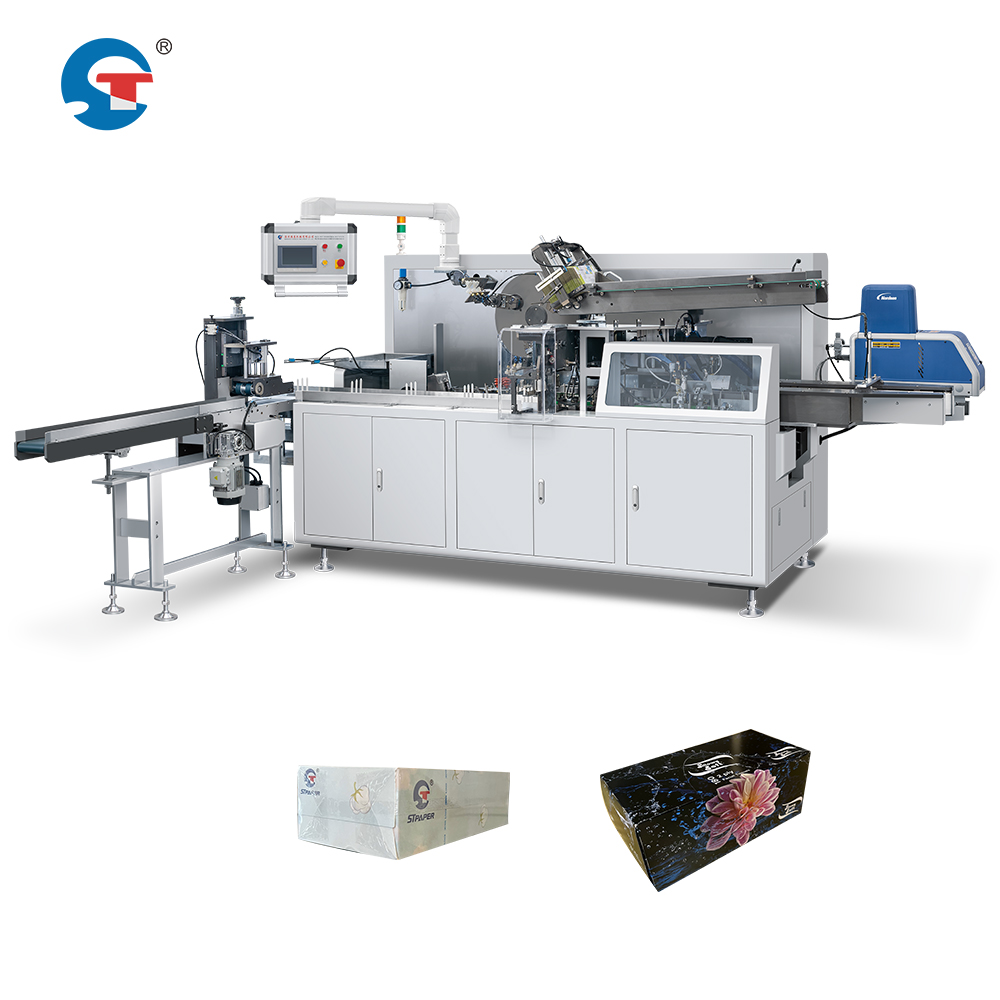
Selecting the right high speed cartoner equipment represents one of the most critical decisions in modern packaging operations. The stakes are high: choosing the wrong system can lead to production bottlenecks, increased downtime, quality inconsistencies, and ultimately, significant financial losses. Whether you operate in food, beverage, pharmaceutical, or consumer goods sectors, the performance and suitability of your carton packaging equipment directly impact your competitive position. This guide explores the essential evaluation criteria that procurement teams and operations managers should consider before investing in a high speed cartoner system.
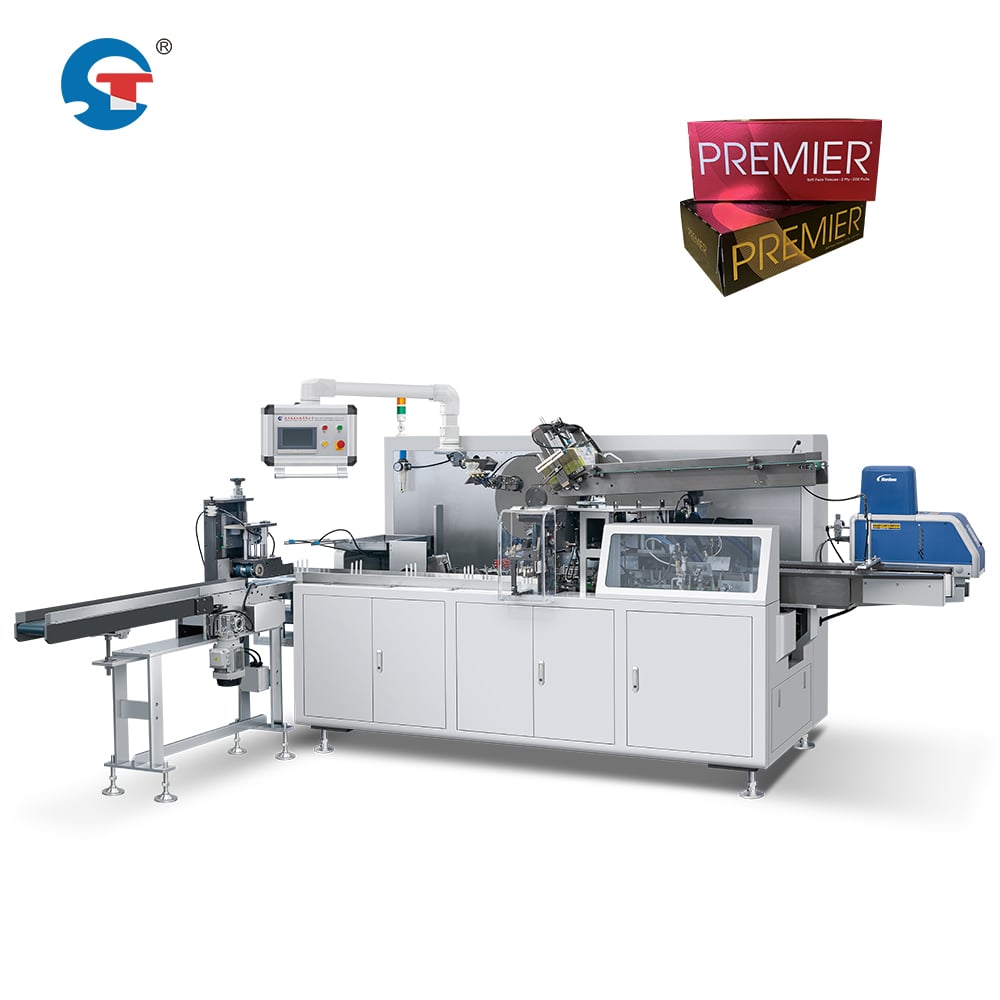
Production Capacity and Speed Requirements
Throughput Alignment with Business Goals
The advertised speed of a high speed cartoner rarely translates directly to real-world production rates. Buyers must distinguish between theoretical maximum speeds and practical operating capacity under normal conditions. Factors such as product dimensions, carton complexity, changeover frequency, and line reliability significantly affect actual output. When evaluating an automatic case packing machine, request performance data from installations running similar products in comparable environments. This practical throughput data proves far more valuable than marketing specifications.
Consider your current production volume alongside anticipated growth over the next three to five years. A high speed cartoner sized only for today's demands may become a constraint within months. Conversely, oversizing equipment creates unnecessary capital expense and operational complexity. Carton packaging equipment should provide meaningful headroom for growth without excessive overcapacity. Discuss scaling options with vendors: can the system operate at reduced speeds if product mix changes, or can it be upgraded modularly as volumes increase?
Format Flexibility and Changeover Capability
Modern markets demand product variety and frequent packaging format changes. A high speed cartoner must balance speed with changeover efficiency. Examine the mechanics of converting between different carton sizes, product orientations, and case styles. Some systems require significant manual reconfiguration, causing production delays and labor expense. Others feature quick-change tooling and automated adjustments that minimize downtime. For companies running multiple products, changeover speed directly affects overall equipment effectiveness and profitability.
Product Compatibility and Technical Integration
Material Handling and Product Characteristics
Different products present unique challenges to carton packaging equipment design. Fragile items require gentle handling mechanisms to prevent damage during placement and closing. Heavy products demand robust structure and precise alignment. Odd-shaped or irregularly sized items may require custom tooling or specialized feeding systems. Before selecting a high speed cartoner, conduct comprehensive testing with representative samples of your actual product under real operating conditions. Laboratory testing often masks issues that emerge during extended production runs.
Evaluate whether the automatic case packing machine offers adjustable gripper pressure, variable speeds for sensitive products, and optional cushioning or positioning features. Some pharmaceutical cartoning solutions incorporate vision systems and precision placement capability to ensure proper product orientation and safety compliance. These features add cost but may be essential depending on your product specifications and regulatory requirements.
Integration with Existing Equipment and Control Systems
A high speed cartoner does not operate in isolation; it must communicate effectively with upstream packaging lines, downstream case erection systems, and facility-wide production control software. Incompatible communication protocols, conflicting control logic, or mechanical misalignment can severely compromise system performance and create integration headaches. During evaluation, verify that the carton packaging equipment uses industry-standard interfaces such as EtherCAT, Profibus, or OPC-UA that align with your existing infrastructure.
Request integration documentation and discuss connection points with your IT and maintenance teams. Clarify responsibility for troubleshooting interface issues. Some vendors provide turnkey integration support; others expect customers to manage compatibility independently. This distinction affects both implementation timeline and ongoing support quality. For companies running pharmaceutical cartoning solutions or other regulated operations, integration must also support serialization, track-and-trace capability, and audit trail requirements.
Reliability, Support, and Total Cost of Ownership
Service Infrastructure and Spare Parts Availability
Equipment downtime directly translates to lost production and revenue impact. A high speed cartoner cannot contribute to profitability if it spends significant time awaiting repair service or parts. Before purchasing, investigate the vendor's service network in your geographic region. Can they provide on-site support within hours if critical failure occurs? Is a backup automatic case packing machine available for emergency deployment? What is their average response time for technical issues?
Spare parts availability and lead time represent crucial considerations often overlooked during initial purchase decisions. Verify that common wear components—such as gripper pads, belts, rollers, and sensors—are readily stocked and can be shipped quickly. Some suppliers of carton packaging equipment maintain regional warehouses ensuring rapid delivery; others require months for international shipments. This directly affects your total cost of ownership. Extended lead times force you to maintain expensive inventory buffers or accept production delays during equipment problems.
Maintenance Requirements and Operator Training
The complexity of a high speed cartoner affects ongoing labor costs and operational stability. Some systems require specialized technician expertise for routine maintenance and troubleshooting; others are designed for plant-level technicians to manage confidently. Review the maintenance manual and schedule with your operations team. Discuss the learning curve: how long before operators become fully proficient? Does the vendor provide comprehensive training, both initial and periodic? For pharmaceutical cartoning solutions operating under strict regulatory standards, training documentation and certification may be mandatory compliance requirements.
Calculate total cost of ownership across the equipment lifecycle, including purchase price, installation, training, routine maintenance, spare parts inventory, preventive maintenance contracts, and anticipated repair costs. A seemingly expensive high speed cartoner from a vendor offering comprehensive support and superior reliability may prove far less costly than a cheaper system requiring frequent repairs and extensive downtime. Request references from existing customers and inquire about their satisfaction with support quality and overall cost experience over multiple years of operation.
Regulatory Compliance and Traceability
Industry-Specific Standards and Certifications
Depending on your industry, your carton packaging equipment must comply with specific regulatory frameworks. Pharmaceutical cartoning solutions, for example, must adhere to FDA, EMA, and other regulatory agency requirements regarding product contact, serialization, and manufacturing documentation. Food packaging equipment must meet food safety standards. Consumer goods may require compliance with specific national packaging regulations. Verify that the high speed cartoner meets all applicable certifications and that the vendor can provide current documentation and compliance certificates.
Ask the vendor to detail how the system supports your regulatory obligations. Can it track and record production data for audit purposes? Does it support track-and-trace functionality if required? Can the automatic case packing machine accommodate mandatory labeling, serialization, or other compliance features? Ensure these capabilities are built into the system rather than added as expensive retrofits later. Regulatory compliance should be a primary driver of equipment selection, not an afterthought.
Documentation and Audit Trail Capability
Regulated industries increasingly demand comprehensive production documentation and audit trails. A high speed cartoner should capture and store operational data including production timestamps, speed settings, alarm events, and quality checks. This capability proves essential for post-market surveillance, recalls, and regulatory inspections. During evaluation, examine the data logging and reporting functionality. Can you easily generate production records for specific date ranges or batch codes? Is the system compatible with your existing manufacturing execution system or quality management software?
FAQ
What key metrics should I use to compare different high speed cartoner systems?
Focus on practical throughput under your specific operating conditions rather than theoretical maximum speeds. Evaluate total cost of ownership including purchase price, installation, training, maintenance, spare parts, and support contracts over five years. Assess changeover time, product damage rates, system reliability measured in mean time between failures, and support response times. Request comparative data from reference customers operating similar products, and prioritize metrics that directly impact your profitability and operational stability.
How long does implementation typically take for an automatic case packing machine?
Implementation timeline varies considerably depending on equipment complexity, facility modifications required, and integration with existing systems. Simple standalone automatic case packing machine installations may require four to eight weeks from purchase order to full production. Complex pharmaceutical cartoning solutions with regulatory compliance features and integrated control systems often require three to six months. Clarify the vendor's lead time, installation schedule, and training plan upfront. Build contingency time into your project timeline to accommodate unexpected complications.
What ongoing support should I expect after purchasing carton packaging equipment?
Professional vendors typically provide on-site installation and operator training, technical hotline support, scheduled preventive maintenance programs, and spare parts availability. Some offer extended service contracts covering parts and labor for predetermined periods. Clarify exactly what support is included in the purchase price versus what requires additional fees. Establish clear response time expectations for different types of issues. For mission-critical applications or pharmaceutical cartoning solutions, negotiate service level agreements guaranteeing response times and uptime percentages.