
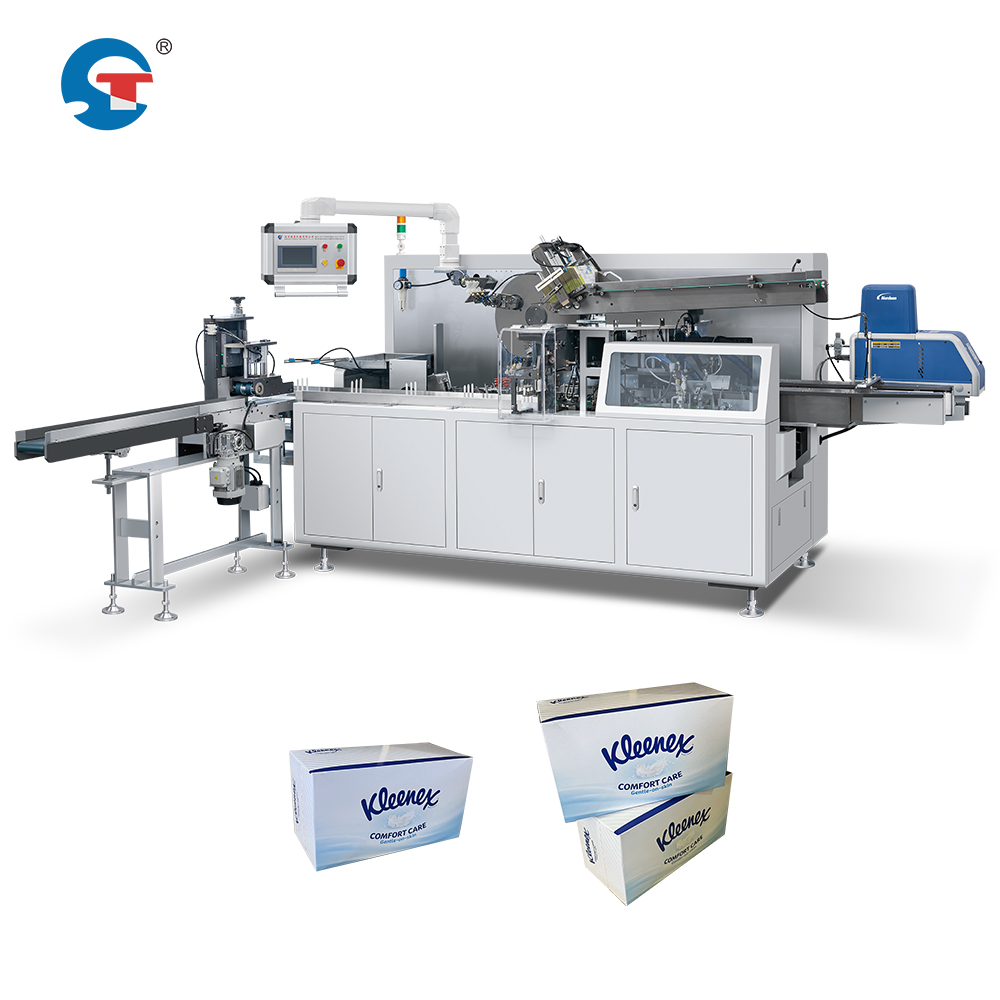
Selecting the right automatic box sealer is a critical investment decision for any manufacturing or logistics operation. The equipment you choose will directly impact your production efficiency, operational costs, and product protection. Before making a significant capital expenditure, companies must carefully evaluate multiple technical, operational, and financial factors to ensure the equipment aligns with their specific business needs and production environment.
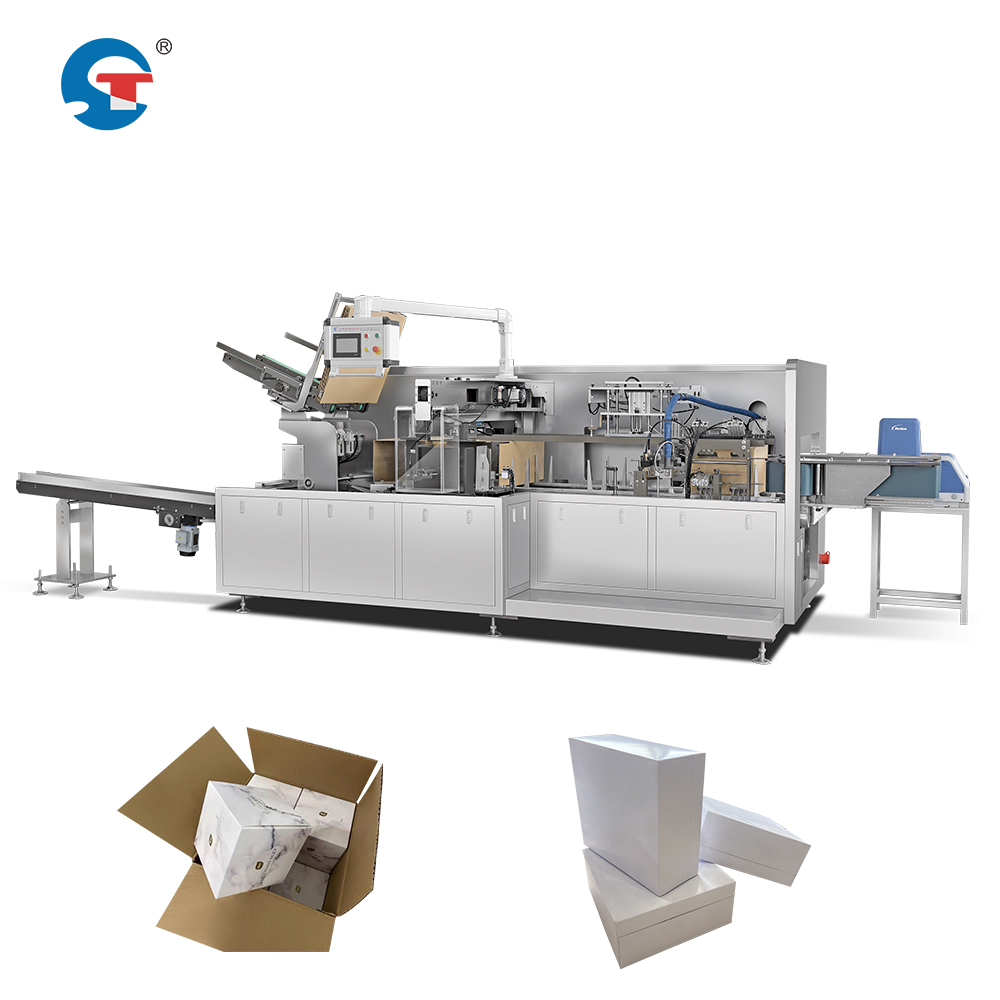
Investing in a carton sealing machine without proper assessment can lead to operational delays, maintenance issues, and inadequate seal quality that compromises product integrity. Understanding what features and capabilities matter most for your business helps you make an informed decision and avoid costly mistakes that could disrupt your workflow or require unexpected equipment replacement.
Production Capacity and Speed Requirements
Matching Equipment Throughput to Your Workflow
The production speed of your carton sealing machine must align with your facility's output demands. Every automatic box sealer has a maximum cases-per-minute rating that defines how many boxes it can seal within a specific timeframe. If your operation processes 50 boxes per minute but your equipment only handles 30, you create bottlenecks that slow entire production lines. Conversely, purchasing equipment with excessive capacity wastes capital on features your business doesn't need. Evaluate your current production volume and projected growth over the next three to five years to determine the appropriate speed range for your tape dispenser for boxes system.
Variability in Box Dimensions and Materials
Real-world operations rarely seal identical boxes all day long. Your facility may handle multiple carton sizes, from small boxes to large cases, requiring flexible case closure equipment. Before purchasing a carton sealing machine, verify that it can accommodate the minimum and maximum dimensions your company regularly seals. Check adjustment mechanisms—how quickly can operators reconfigure the equipment for different box sizes? Some case closure equipment models allow tool-free adjustments that take minutes, while others require manual reconfiguration taking considerably longer. This flexibility directly impacts your production scheduling and workforce efficiency when handling diverse product types.
Sealing Quality and Reliability Standards
Tape Consistency and Adhesion Performance
The quality of the seal determines whether your products arrive safely at their destinations. An automatic box sealer's tape dispenser for boxes must apply consistent pressure and adhesion across every sealed carton. Examine the tape tension adjustment system and verify that it provides uniform sealing even across boxes with varying flap thicknesses. Poor seal quality creates vulnerability to product damage, customer complaints, and potential liability issues during shipping. Request demonstration seals and inspect them under scrutiny—look for complete adhesion coverage, consistent pressure application, and absence of wrinkles or gaps. Many manufacturers offer sample sealing trials before purchase, which is invaluable for confirming quality standards match your expectations.
Maintenance and Durability Considerations
A carton sealing machine represents ongoing operational commitment beyond the initial purchase. Investigate the maintenance schedule, availability of replacement parts, and the manufacturer's support network. Case closure equipment with sealed bearings and corrosion-resistant construction typically outlasts cheaper alternatives and requires less frequent repairs. Check whether the tape dispenser for boxes uses standard adhesive tape compatible with multiple suppliers, or if it requires proprietary materials that limit your sourcing flexibility. Machines requiring specialized consumables can become expensive to operate long-term if supplies are difficult to source or prohibitively priced. Request detailed maintenance documentation and speak with existing customers about their real-world repair experiences and downtime frequency.
Technical Integration and Operational Factors
Compatibility with Existing Production Systems
Your new automatic box sealer must integrate smoothly into your current production environment. Evaluate whether the equipment connects to your existing conveyor systems, automation controllers, and data collection platforms. An older facility might need mechanical modifications or conveyor speed adjustments to accommodate a new carton sealing machine. Modern case closure equipment often includes digital interfaces for tracking, downtime monitoring, and integration with manufacturing execution systems. Assess whether your facility has the technical infrastructure to support these features, or whether you need additional investment in control systems and networking. Incompatible equipment creates integration headaches and reduces the value of your investment by preventing full automation benefits.
Operator Training and Ease of Use
Equipment complexity affects workforce productivity and error rates. An automatic box sealer that requires extensive training creates dependence on specialized operators and increases risk if trained staff leave. Evaluate user interfaces—are critical functions intuitive, or does the tape dispenser for boxes require navigating complex menus? Check whether the manufacturer provides comprehensive training, documentation, and video resources. Consider whether your workforce can troubleshoot common issues independently or whether you'll need ongoing technical support. Equipment that's accessible to your average operator reduces errors, minimizes training costs, and improves flexibility in shift scheduling. Request hands-on demonstrations with your staff to gauge whether they find the case closure equipment intuitive and manageable.
Cost Analysis and Long-term Financial Impact
Capital Investment and Total Cost of Ownership
Purchase price represents only a fraction of true ownership costs for a carton sealing machine. Calculate total cost of ownership by including installation, training, consumables like adhesive tape, maintenance contracts, spare parts inventory, and potential downtime expenses. A lower-priced automatic box sealer might incur significantly higher operating costs through expensive proprietary tape or frequent repairs. Request detailed quotes that itemize all components and ongoing expenses. Compare equipment options using standardized cost-per-case metrics over a five-year horizon to accurately assess financial performance. Some manufacturers offer financing options or leasing arrangements that improve cash flow predictability and provide flexibility to upgrade equipment as technology evolves.
Warranty Coverage and Support Services
Warranty terms directly affect financial risk and operational continuity. Standard carton sealing machine warranties vary considerably—some cover one year, others extend to three years or longer. Examine what's included: parts only, labor, travel, replacement equipment, emergency hotline support? A comprehensive warranty reduces your insurance costs and provides budget certainty. Beyond warranty expiration, investigate whether extended service contracts are available and at what cost. Verify the manufacturer maintains a local service network or whether you'd depend on remote support and mail-in repairs causing extended downtime. For case closure equipment critical to your operations, a nearby service technician represents significant value by minimizing production interruptions when issues arise.
FAQ
What size range should my automatic box sealer accommodate?
Your automatic box sealer should handle the full range of carton dimensions your facility processes regularly, plus some buffer for future products. Most operations benefit from equipment accommodating boxes from 12 inches to 24 inches in length, though specific requirements vary by industry. Verify adjustment ranges exceed your current needs by at least 20 percent to accommodate product line extensions without equipment replacement.
How often does a carton sealing machine require maintenance?
Preventive maintenance schedules typically involve daily cleaning of tape dispenser components, weekly inspections of tension mechanisms, and quarterly deep maintenance of bearings and drive systems. High-utilization facilities operating multiple shifts may require more frequent attention. Consult manufacturer guidelines and budget maintenance labor accordingly when evaluating total cost of ownership for your case closure equipment.
Can an automatic box sealer integrate with warehouse management systems?
Modern carton sealing machines increasingly offer digital connectivity for production monitoring and data collection. Many models support integration with warehouse management systems through standard industrial protocols like EtherNet/IP or Modbus, though integration complexity varies. Confirm your specific equipment model's capabilities before purchase and verify your facility's IT infrastructure can support the required connections.