
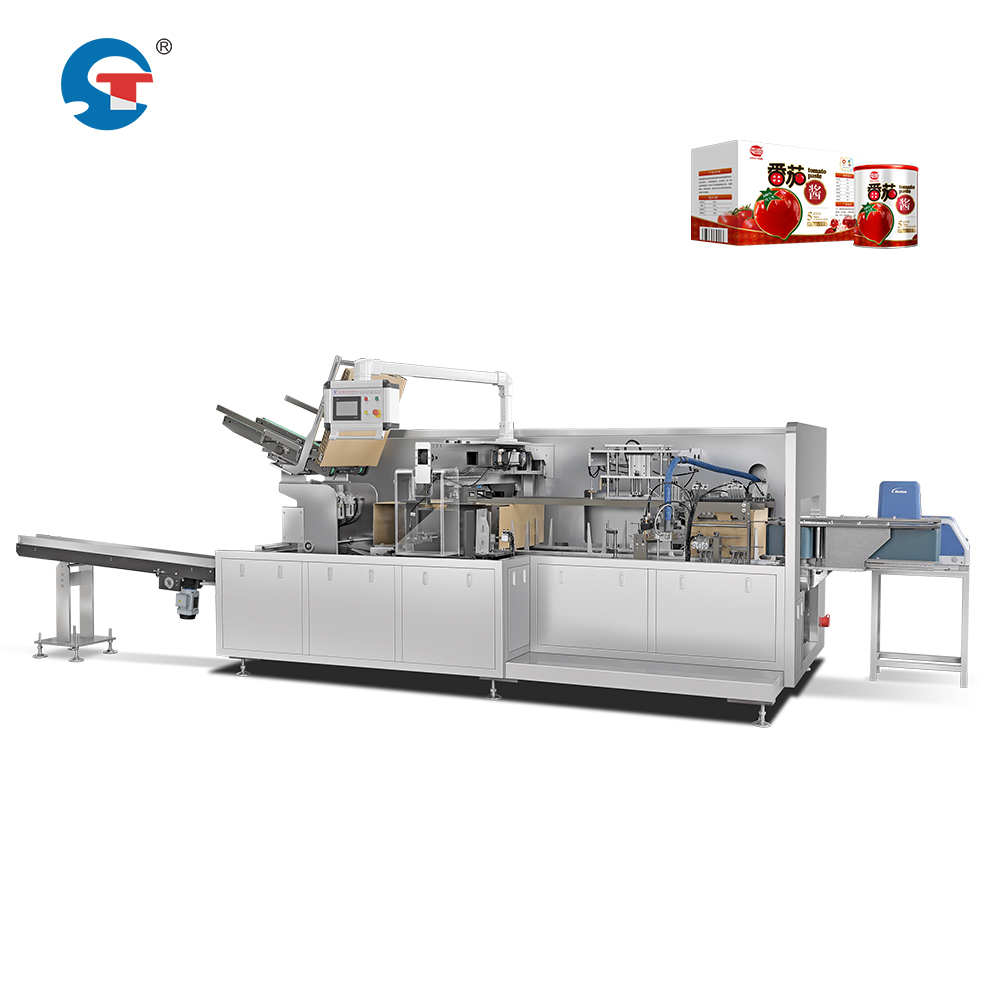
Warehouse packaging efficiency directly impacts operational costs, labor productivity, and customer satisfaction. An automatic box sealer transforms this critical process by automating the repetitive task of sealing cardboard boxes at production speed. Rather than relying on manual taping or inconsistent sealing methods, modern warehouses deploy automated sealing systems that guarantee uniform closure quality, reduce material waste, and accelerate throughput significantly.
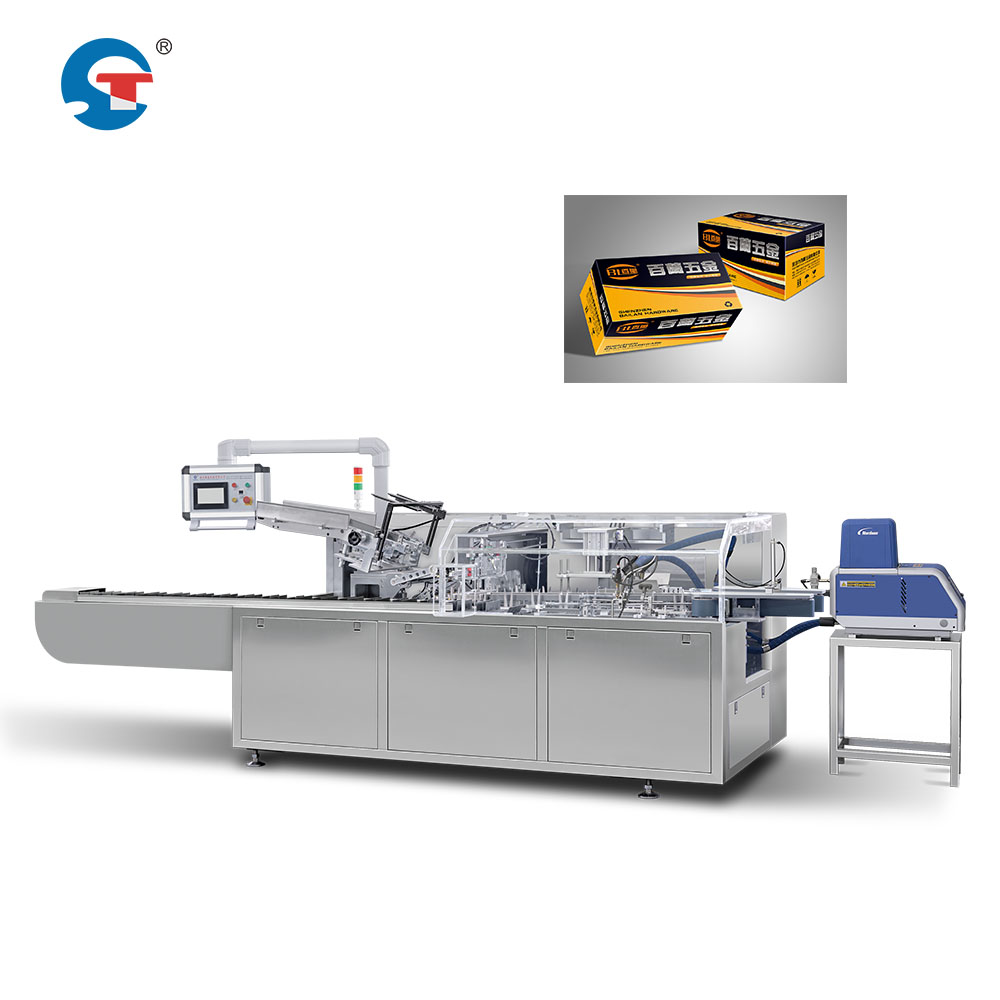
The efficiency gains from implementing a carton box taping equipment solution extend far beyond simple speed increases. Organizations report measurable improvements in labor allocation, reduced product damage during transit, lower tape and material consumption, and improved workplace safety by eliminating repetitive strain injuries. Understanding how an automated packaging sealing system delivers these benefits helps warehouse managers make informed investment decisions aligned with operational growth.
Accelerating Throughput and Production Speed
Real-World Speed Advantages
A case sealing machine dramatically increases box closure capacity compared to manual methods. Warehouses report throughput improvements ranging from 300 to 500 percent when transitioning from hand taping to automated equipment. Where manual workers seal approximately 20 to 40 boxes per hour, an automatic box sealer handles 200 to 400 boxes per hour depending on box size and configuration. This acceleration directly reduces bottlenecks in packaging lines and enables facilities to meet peak season demand without proportional labor expansion.
Labor Redeployment and Flexibility
Implementing carton box taping equipment frees human workers from monotonous sealing duties, allowing reallocation to higher-value tasks such as quality inspection, inventory management, and order verification. Rather than eliminating positions, smart warehouses redeploy workforce capacity toward problem-solving and customer service roles. An automated packaging sealing system also accommodates variable box sizes and formats automatically, reducing setup time between product runs and enabling flexible batch scheduling that manual processes cannot match efficiently.
Reducing Material Waste and Operational Costs
Tape Consumption Optimization
Manual box sealing often results in excessive tape usage due to inconsistent application patterns, overlapping layers, and worker tendency to over-seal for perceived durability. A case sealing machine applies precisely metered amounts of tape to achieve reliable closure without excess. Industry data shows that automated solutions reduce tape consumption by 25 to 40 percent, translating directly to material cost savings across high-volume facilities. These cumulative savings grow substantially over months and years, offsetting equipment investment quickly.
Quality Consistency and Damage Prevention
An automatic box sealer ensures uniform sealing pressure, tape placement, and overlap distance on every box processed. This consistency eliminates weak closure points that lead to box failure during transport, reducing product damage claims and customer returns. The carton box taping equipment maintains standard sealing patterns regardless of operator fatigue or distraction, which inevitably affects manual performance. An automated packaging sealing system also reduces environmental stress on boxes through controlled force application, preserving structural integrity for multiple handling cycles.
Enhancing Safety and Workplace Ergonomics
Injury Prevention Through Automation
Manual box sealing exposes workers to repetitive strain injuries, including carpal tunnel syndrome and tendonitis from continuous reaching, gripping, and tape application motions. A case sealing machine eliminates these occupational hazards by automating the physically demanding portions of the sealing workflow. Workers transition from physically repetitive tasks to supervisory and quality control roles that involve less strain and greater cognitive engagement, improving job satisfaction and reducing absenteeism related to injury.
Workplace Safety Compliance
Deploying an automatic box sealer supports occupational safety compliance and workers compensation risk reduction. Facilities demonstrate commitment to ergonomic standards and OSHA guidelines by automating hazardous repetitive tasks. The carton box taping equipment operates with safety interlocks and guards that prevent operator contact with moving parts. An automated packaging sealing system also reduces accidents caused by fatigue-related lapses in manual processes, creating a safer overall workplace environment and reducing insurance premium exposure.
FAQ
How quickly does an automatic box sealer equipment pay for itself?
Most facilities experience payback within 18 to 36 months through labor savings, material reduction, and productivity gains. High-volume warehouses processing thousands of boxes daily achieve payback faster, often within 12 to 18 months. Case sealing machine investment calculations should include labor cost reduction, tape savings, damage prevention, and reduced downtime from equipment consistency improvements.
Can a carton box taping equipment handle different box sizes and materials?
Modern automated packaging sealing system designs accommodate variable box dimensions through adjustable guides and positioning systems. Most equipment supports boxes ranging from small parcel sizes to large corrugated cartons without requiring major reconfiguration. Quick-change components and programmable settings enable rapid transitions between box types, making an automatic box sealer versatile across diverse product lines and seasonal variations.
What maintenance does a case sealing machine require?
An automatic box sealer requires routine maintenance including tape head cleaning, sensor calibration, and lubrication of moving components. Most manufacturers provide preventive maintenance schedules and spare parts to minimize unexpected downtime. Proper maintenance ensures consistent carton box taping equipment performance, extends equipment lifespan, and maintains the reliability that justifies initial investment in an automated packaging sealing system.