
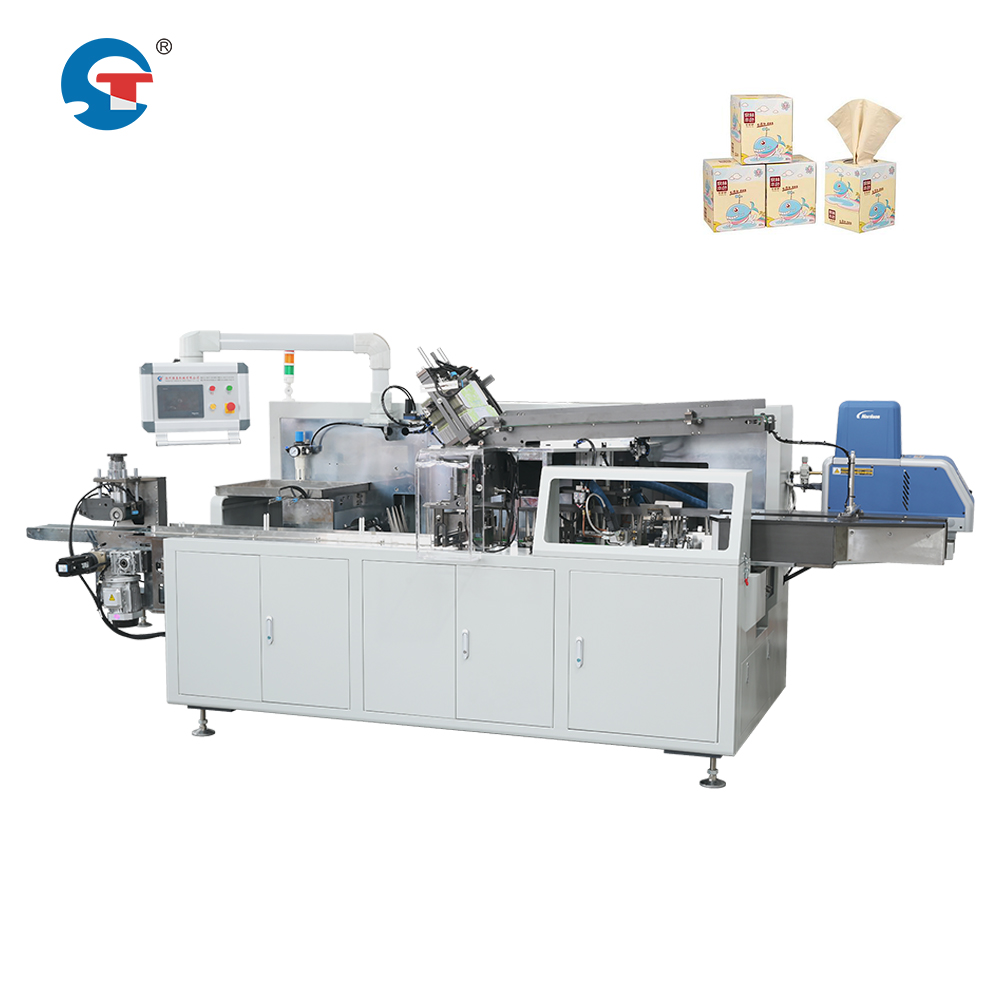
Manufacturers across industries are increasingly turning to an automatic box sealer to streamline their bulk packaging operations. The decision reflects a fundamental shift in how modern production facilities approach efficiency, consistency, and bottom-line profitability. When volumes reach thousands of cartons daily, manual sealing becomes impractical, time-consuming, and prone to quality inconsistencies. An automatic box sealer eliminates these pain points while delivering measurable operational advantages that directly impact production timelines and labor cost structures.
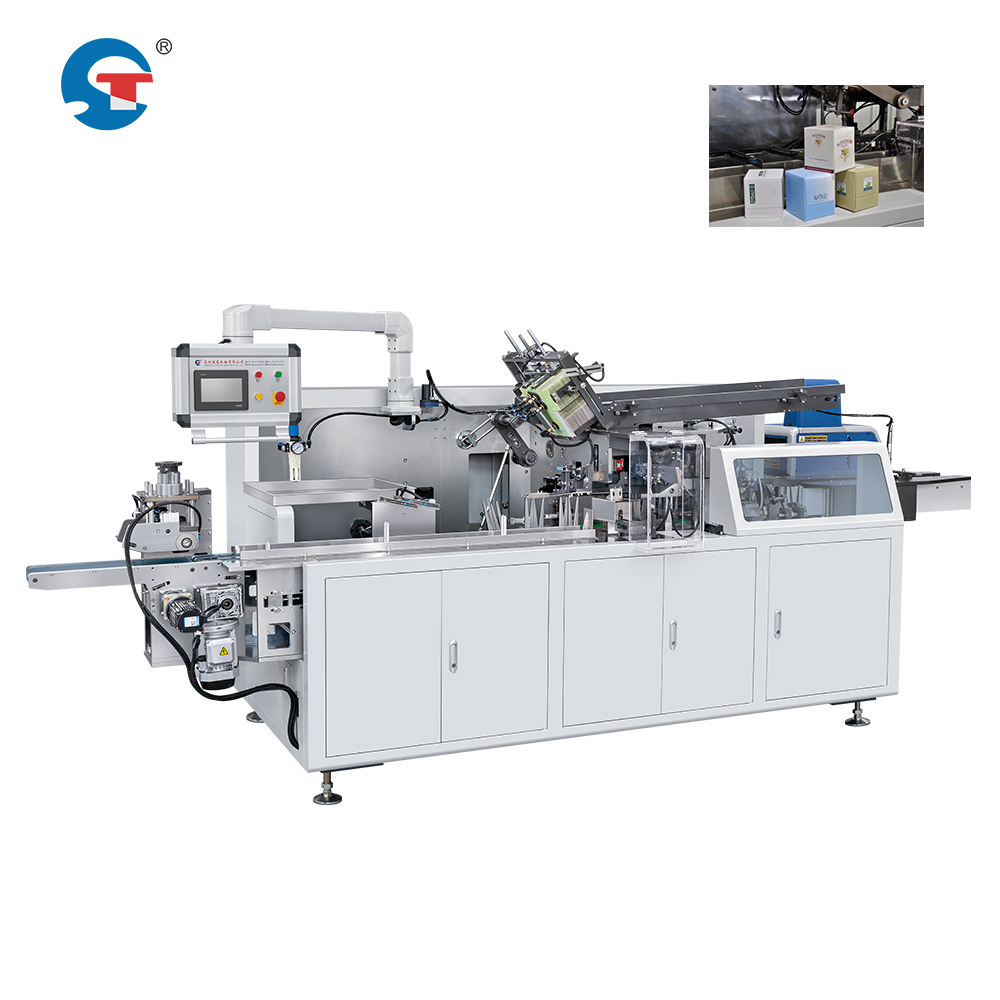
The choice to invest in a carton sealing machine represents more than just equipment acquisition. It signals a commitment to scaling operations without proportionally scaling labor complexity. Manufacturers face constant pressure to meet demand cycles, maintain product integrity during transit, and optimize cost per unit sealed. A carton sealing machine addresses all three concerns simultaneously, making it an essential component of modern bulk packaging infrastructure. Understanding the specific reasons behind this widespread adoption helps facilities leaders make informed capital investment decisions aligned with their growth trajectory and operational objectives.
Dramatic Productivity Gains and Labor Efficiency
Speed and Output Multiplication
Manual box taping equipment operated by human workers typically seals 20 to 30 cartons per hour under realistic production conditions. An automatic box sealer, by contrast, processes 40 to 60 units per hour, with premium systems reaching 100 or more. This 3 to 5-fold improvement in throughput allows manufacturers to fulfill larger orders within existing time windows without adding staff. When a facility processes 10,000 cartons daily, the difference between manual and automated sealing translates directly to weeks of accelerated delivery timelines. Case sealer for packaging operations that run two or three shifts daily compound these gains exponentially, turning equipment investment into tangible competitive advantage.
Workforce Reallocation and Skill Development
Manufacturers who deploy an automatic box sealer don't eliminate jobs; they redirect labor to higher-value tasks. Workers previously stationed at sealing stations move into quality inspection, inventory management, or order fulfillment roles. This reallocation improves employee satisfaction, reduces repetitive strain injuries, and builds a more skilled workforce capable of troubleshooting complex logistics challenges. The carton sealing machine handles the monotonous, physically demanding work, freeing human expertise for functions that require problem-solving and judgment. For facilities struggling with high turnover in packaging roles, this shift creates retention benefits that extend well beyond direct productivity metrics.
Superior Consistency, Quality, and Cost Per Unit
Eliminating Human Variability
Every manual seal carries inherent variability. Tape tension, coverage length, and adhesive contact vary slightly from operator to operator and even from hour to hour as fatigue sets in. An automatic box sealer applies precise, identical seals to every carton, eliminating weak seals that fail during transit and customer receipt damage claims. Case sealer for packaging operations ensures that every unit meets exact specifications, reducing returns and warranty costs. This consistency proves particularly critical for industries like pharmaceuticals, electronics, and food distribution, where packaging integrity directly impacts product safety and regulatory compliance. Manufacturers report 40 to 60 percent reductions in damage-related returns after transitioning to automated sealing systems.
Material Efficiency and Cost Reduction
A carton sealing machine optimizes tape usage by dispensing precise amounts, eliminating the tape waste common in manual operations where workers often over-apply tape for confidence. Reduction in tape consumption typically ranges from 15 to 25 percent annually across high-volume facilities. Additionally, faster sealing speeds reduce labor costs per unit sealed. When a manufacturer processes 500,000 cartons annually, the combined savings from tape efficiency and reduced labor hours often pay for equipment investment within 12 to 24 months. An automatic box sealer transforms from a capital expense into a cash-generating asset that improves margins on every sealed unit shipped.
Scalability, Reliability, and Operational Resilience
Growth Without Infrastructure Overhaul
Manufacturers anticipating growth face a critical choice: build labor capacity incrementally or invest in equipment that scales with demand. An automatic box sealer provides the latter path, allowing a facility to double or triple output by running extended shifts or adding parallel production lines without proportionally expanding headcount. This scalability proves invaluable during seasonal demand spikes or sudden order surges. When competitors struggle to fulfill peak-season orders due to labor constraints, manufacturers equipped with automated carton sealing machines capture market share and customer loyalty. A case sealer for packaging designed with modular architecture can also integrate into existing production lines, adapting to future workflow changes without complete replacement.
System Uptime and Predictable Performance
Modern automatic box sealer designs prioritize reliability, with leading systems achieving 99 percent uptime rates across multi-shift operations. Preventive maintenance schedules are straightforward and inexpensive compared to managing human absences or performance fluctuations. Unlike staffing challenges driven by illness, turnover, or scheduling conflicts, a well-maintained box taping equipment operates predictably every shift. Manufacturers gain the ability to commit to delivery timelines with confidence, knowing their carton sealing machine will be operational when promised. This reliability extends to supply chain partnerships, enabling facilities to negotiate long-term volume commitments and secure better material pricing from tape and carton suppliers based on consistent, predictable order flow.
Safety, Ergonomics, and Workplace Environment
Injury Prevention and Compliance
Manual box taping equipment work creates significant ergonomic strain. Repetitive sealing motions lead to carpal tunnel syndrome, shoulder injuries, and chronic back pain affecting workers after years on the job. An automatic box sealer eliminates these risks by moving humans away from the sealing station. Manufacturers see measurable reductions in workers' compensation claims, regulatory compliance costs, and insurance premiums after deploying case sealer for packaging automation. In jurisdictions with strict ergonomic regulations, automated carton sealing machines help facilities meet mandatory requirements without costly facility modifications or hiring adjustments.
Environmental and Workplace Conditions
Sealing operations in warm warehouses create uncomfortable working conditions during peak seasons. An automatic box sealer allows facilities to reduce staff presence in these areas, improving overall workplace environment and employee wellness. Fewer people in hot packaging zones means lower air-conditioning requirements and reduced facility operating costs. The cumulative effect enhances employee morale, reduces absenteeism, and strengthens the employer brand in tight labor markets where workplace conditions influence recruitment success.
FAQ
What production volume justifies investment in an automatic box sealer?
Manufacturers typically achieve positive return on investment in a box taping equipment system at volumes exceeding 5,000 cartons daily. Facilities processing 10,000 or more units per day see payback within 18 months. The break-even point depends on current labor rates, tape costs, damage claims, and facility floor space. Consulting with equipment vendors to model your specific scenario ensures accurate financial justification before purchase.
How does a carton sealing machine integrate with existing production lines?
Modern case sealer for packaging systems are designed for integration with conveyors, forming equipment, and case packing machinery. Most automatic box sealer models accept cartons of varying sizes and weights with minimal changeover time. Equipment manufacturers provide site surveys and engineering support to ensure seamless integration into your facility layout without disrupting current operations during installation.
What maintenance does an automatic box sealer require?
A carton sealing machine requires routine cleaning of sealing heads, regular tape roll replacement, and periodic inspection of electrical connections. Daily maintenance takes minutes and follows a simple checklist provided by the equipment supplier. Most box taping equipment manufacturers offer training and ongoing technical support to minimize downtime and ensure consistent performance throughout the system's operational life.