
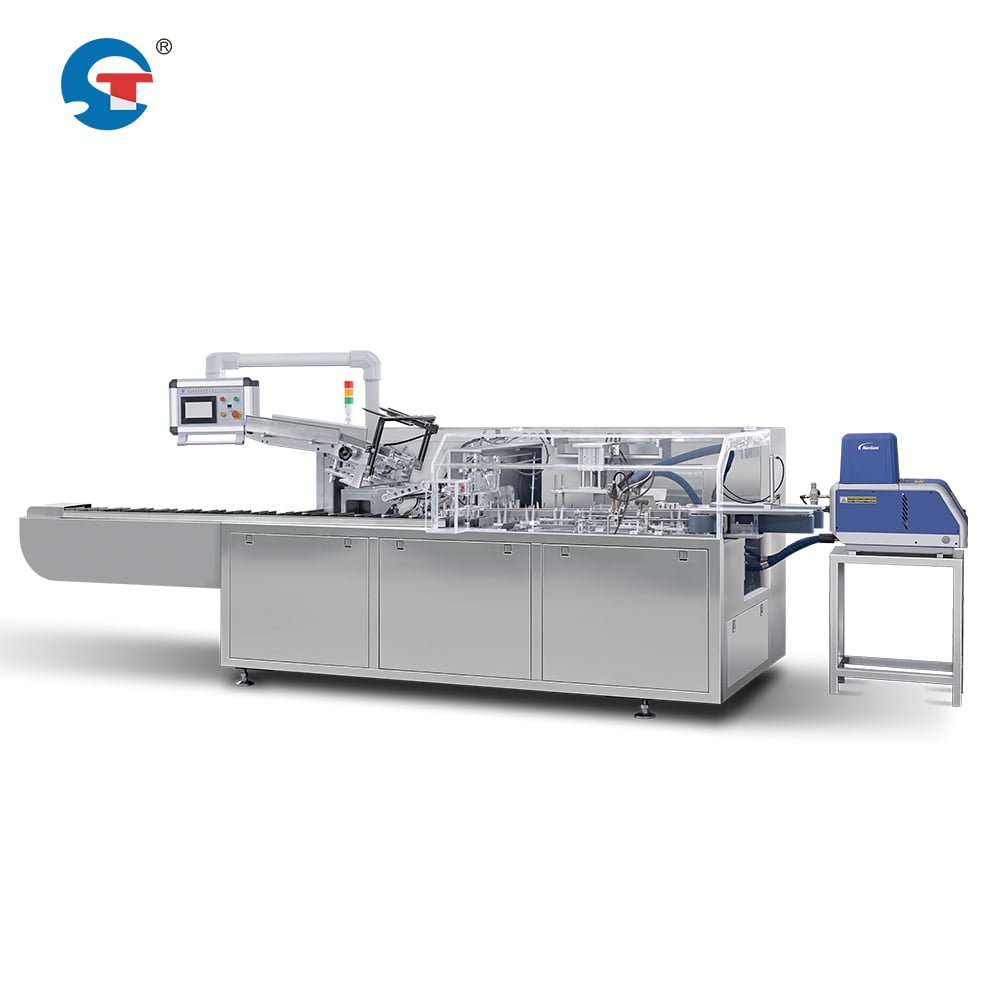
Selecting the right protein bar packaging machine is one of the most critical decisions exporters face when scaling production operations. The choice directly impacts product quality, operational efficiency, regulatory compliance, and bottom-line profitability. A poorly selected system can lead to production bottlenecks, increased waste, damaged products, and costly downtime. Conversely, investing in the appropriate high-speed snack bar packaging line tailored to your specific requirements enables consistent output, reduced labor costs, and improved market competitiveness.

Before committing to any automatic food bar wrapping equipment investment, exporters must thoroughly evaluate their production demands, facility constraints, budget limitations, and long-term business objectives. The protein bar sealing and labeling system you choose will become the backbone of your manufacturing workflow, so due diligence is essential. This guide walks you through the critical factors that should drive your decision, ensuring you select equipment that aligns with your operational goals and market positioning.
Production Capacity and Speed Requirements
Matching Output to Market Demand
The primary consideration when evaluating any high-speed snack bar packaging line is whether its throughput capacity matches your current production volume and anticipated growth. Most facilities require equipment capable of processing between 40 and 200 bars per minute, depending on bar size, complexity, and wrapper material. Undersizing your protein bar packaging machine risks creating production delays and lost sales opportunities, while oversizing wastes capital on unnecessary capacity. Calculate your realistic demand over a three to five-year horizon, factoring in seasonal fluctuations, market expansion plans, and potential contract wins.
Line Speed and Operational Flexibility
Modern automatic food bar wrapping equipment must deliver variable speed capabilities to accommodate product diversity without full reconfiguration. Your manufacturing environment likely includes bars of different sizes, wrapper materials, and packaging formats. A rigid single-speed system creates inefficiencies and limits product portfolio expansion. Premium protein bar sealing and labeling systems feature servo-controlled speed adjustment, allowing operators to shift between 60 and 180 bars per minute within seconds. This flexibility reduces changeover downtime and maximizes equipment utilization across your entire product line.
Packaging Format and Material Compatibility
Wrapper Material Options and Performance
Your protein bar packaging machine must reliably handle the specific wrapper materials your brand uses or plans to introduce. Common options include flowpack films, pillow-pack configurations, carton-based wrapping, and multi-layer barrier materials. Each material presents unique challenges for sealing, labeling, and environmental protection. Advanced automatic food bar wrapping equipment accommodates multiple film thicknesses, materials, and coating types. Testing compatibility before purchase prevents costly equipment damage and production failures. Confirm that the high-speed snack bar packaging line you select has validated performance data for your exact wrapper specifications.
Customization and Format Transitions
Export markets demand diverse packaging formats to suit regional preferences, regulatory requirements, and retail environments. Your protein bar sealing and labeling system should enable quick transitions between flowpack, pillow-pack, and cartoning applications with minimal tool changes. Modular equipment designs reduce changeover time from hours to minutes, enabling responsive production scheduling. When evaluating vendors, request detailed information about format compatibility, transition procedures, and spare part availability. A machine that locks you into single-format operation becomes a liability as your export business evolves.
Compliance, Quality Assurance, and Reliability Standards
Regulatory Requirements and Certifications
Export markets enforce strict food safety, labeling accuracy, and packaging standards. Your protein bar packaging machine must meet or exceed GMP, FDA, HACCP, and EU packaging directives depending on target markets. Confirm that automatic food bar wrapping equipment includes full traceability capabilities, allowing operators to document production batches, lot codes, and quality data. The high-speed snack bar packaging line must integrate seamlessly with your quality management systems and audit trails. Request third-party certifications and compliance documentation from manufacturers before making purchasing decisions. Non-compliant equipment becomes a liability rather than an asset.
Maintenance, Support, and Parts Availability
Equipment downtime directly reduces profitability and damages customer relationships. Select a protein bar sealing and labeling system from manufacturers with established service networks in your region and demonstrated technical support capabilities. Evaluate spare parts availability, average repair times, and preventive maintenance programs. Verify that documentation is available in your language and that technicians understand your specific regulatory environment. Long-term equipment relationships depend on responsive vendor support, not just initial machine quality. Ask current users about their service experiences before committing to any supplier.
FAQ
What production speed should an exporter prioritize for a protein bar packaging machine?
The appropriate speed depends on your current volume, export market demand, and product diversity. Most exporters benefit from high-speed snack bar packaging lines capable of 80 to 120 bars per minute, providing flexibility for growth without excess investment. However, if you produce multiple bar varieties, variable-speed automatic food bar wrapping equipment becomes essential to minimize changeover delays and maximize utilization across your entire product portfolio.
How do exporters ensure a protein bar sealing and labeling system meets international compliance standards?
Request comprehensive documentation including third-party certifications, GMP compliance statements, and FDA approval letters. Request references from exporters already operating similar equipment in your target markets. Conduct pilot production runs to verify that the protein bar packaging machine produces correctly sealed, labeled, and traceable products meeting your export market requirements before full-scale deployment.
What ongoing support should be included when purchasing automatic food bar wrapping equipment?
Essential support includes on-site installation and operator training, readily available spare parts, emergency technical support, and preventive maintenance programs. Verify that your vendor maintains local service capabilities or partnerships in your region. A high-speed snack bar packaging line is only valuable when it operates reliably, so comprehensive aftermarket support is as important as the initial purchase decision.