
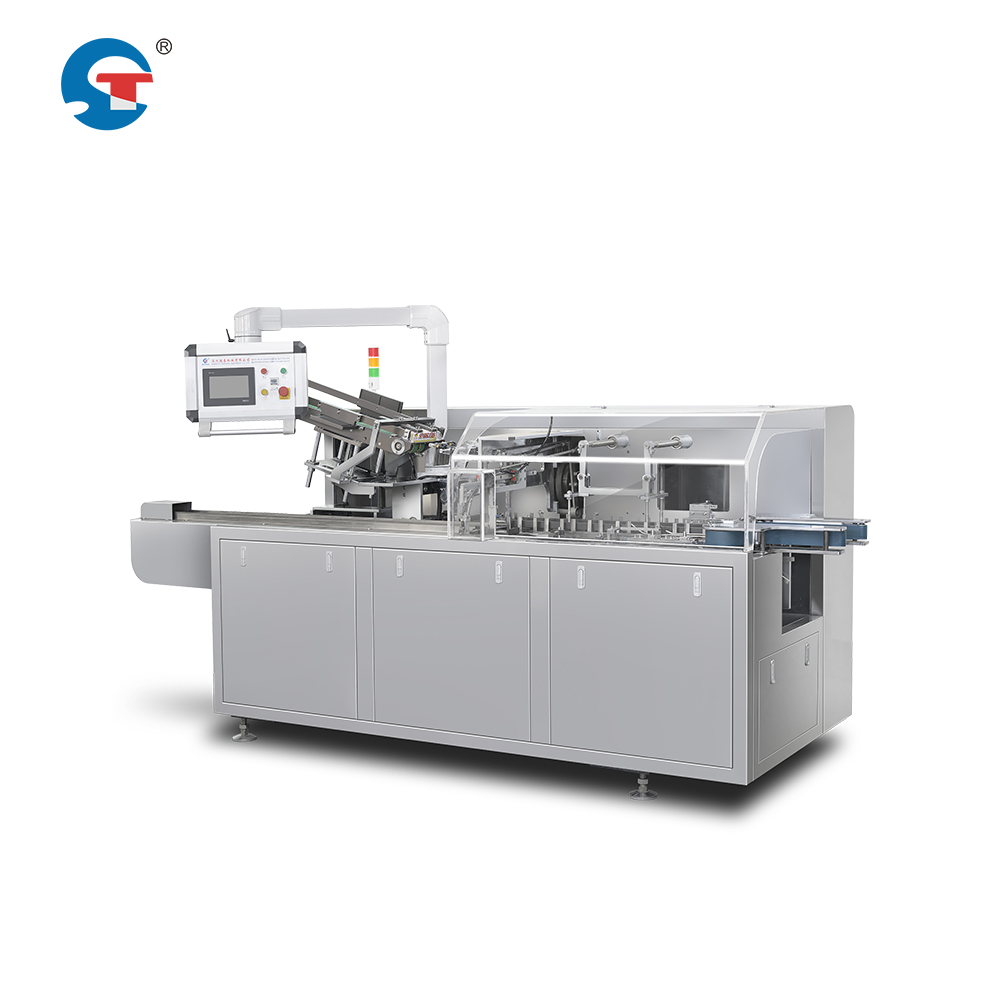
The performance and stability of a protein bar packaging machine depend on multiple interconnected production factors that directly impact throughput, product quality, and operational efficiency. Understanding these critical variables is essential for manufacturers seeking to optimize their automatic food bar wrapping equipment and maintain consistent output. Machine performance is not determined by a single element but rather by how well several key factors work together in harmony.
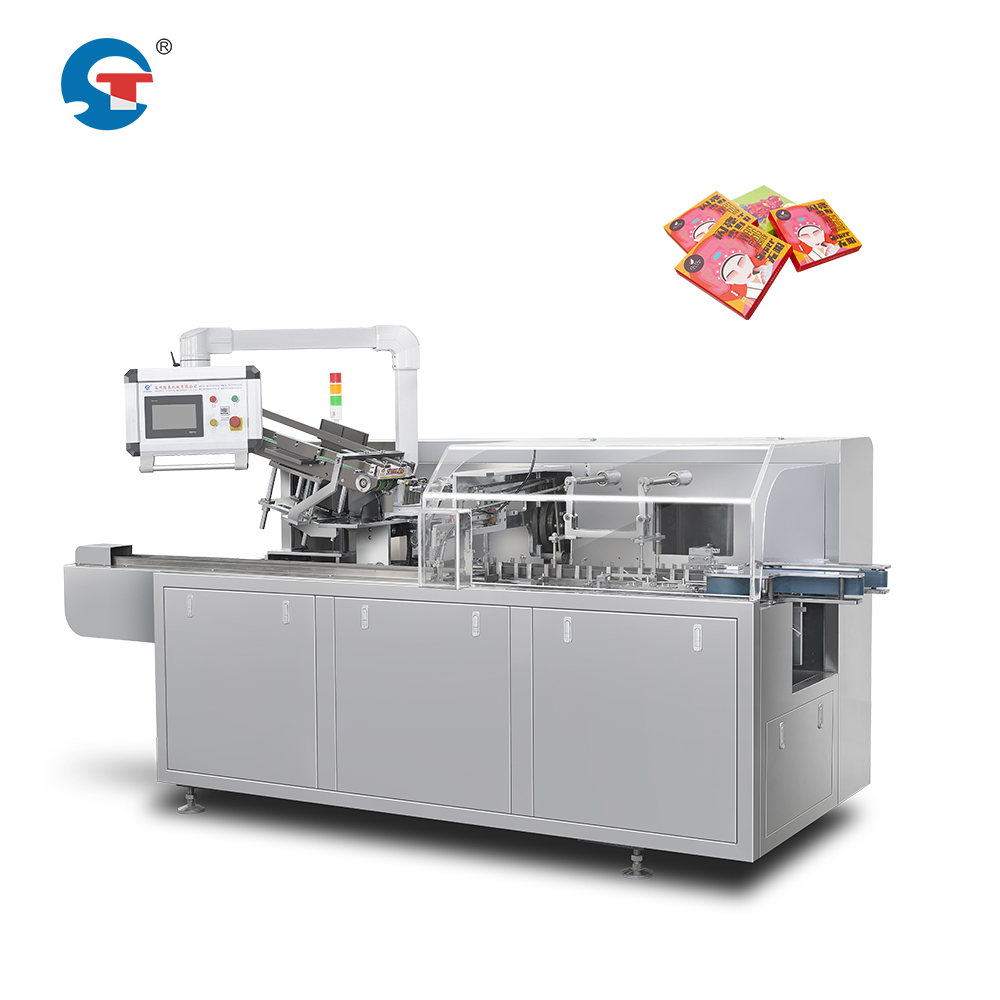
Production facilities that integrate high-speed snack bar packaging lines must carefully monitor and control these factors to achieve reliable performance. Each variable influences the overall stability of the high-speed snack bar packaging line, from raw material properties to environmental conditions and maintenance protocols. Operators and plant managers must recognize how these elements interact to prevent downtime and maintain product quality standards.
Material Properties and Feed Consistency
Bar Composition and Wrapper Compatibility
The physical properties of protein bars significantly affect how the protein bar sealing and labeling system performs during the wrapping process. Bar density, moisture content, and surface texture determine whether the automatic food bar wrapping equipment can reliably grip, position, and seal products without slippage or damage. Harder bars require different feed mechanisms than softer formulations, and inconsistent bar dimensions create tension on the positioning components of high-speed snack bar packaging lines.
Material consistency is critical because variations in bar thickness or hardness force the machine to adjust its pressure and speed dynamically. When a protein bar packaging machine encounters unexpected bar properties, the sealing jaws may apply inconsistent pressure, resulting in incomplete seals or wrapper wrinkles. Suppliers and production teams must establish strict specifications for bar dimensions and composition to ensure the automatic food bar wrapping equipment operates within its design parameters.
Wrapper Film Quality and Thickness
The wrapper material itself plays an equally important role in machine stability. Film thickness, tear resistance, and heat-seal compatibility directly influence the protein bar sealing and labeling system's ability to create consistent, airtight seals. Thinner films feed more smoothly through the high-speed snack bar packaging line but require precise temperature control, while thicker materials demand stronger mechanical force but offer greater margin for error.
Poor quality wrapper film introduces numerous problems: static cling causes feed jams, inconsistent heat-seal properties lead to failed packages, and dimensional variations disrupt the indexing mechanism. When selecting wrapper material for your protein bar packaging machine, prioritize suppliers who provide consistent roll specifications, proper film conditioning, and technical documentation. This investment directly reduces machine downtime and improves the stability of your automatic food bar wrapping equipment.
Machine Calibration and Mechanical Alignment
Sealing Temperature and Pressure Settings
The protein bar sealing and labeling system relies on precise temperature and pressure calibration to function reliably across production runs. Too low a sealing temperature produces weak, unreliable seals that fail during shipping, while excessive heat damages the wrapper material and can scorch the bar surface. Similarly, insufficient sealing pressure leaves gaps in the seal line, whereas over-pressure creates wrinkles and may damage the bar inside.
Operators must establish a calibration window based on testing with actual wrapper film and bar materials, then regularly verify that the protein bar packaging machine maintains these settings throughout the production shift. Thermal drift, worn heating elements, and variations in ambient temperature all contribute to sealing inconsistency. A high-speed snack bar packaging line equipped with real-time temperature monitoring systems provides the stability needed to catch drift before defects occur, protecting both product quality and machine uptime.
Component Alignment and Bearing Condition
Mechanical misalignment in the protein bar packaging machine accumulates over time and severely impacts performance. When sealing jaws are misaligned, pressure distribution becomes uneven; when wrapper guides deviate from center, the automatic food bar wrapping equipment pulls film at an angle, causing jams. Similarly, worn bearings introduce vibration that disrupts precise positioning of bars and wrappers, reducing the accuracy of the high-speed snack bar packaging line.
Regular maintenance schedules must include precision checks of jaw alignment, guide straightness, and bearing clearances. Even small deviations—measured in hundredths of millimeters—compound into measurable performance loss and product defects. Preventive alignment verification after every 50 to 100 operating hours keeps the protein bar sealing and labeling system running at peak stability and prevents the accumulation of mechanical stress that leads to sudden failures.
Operational Conditions and Environmental Factors
Temperature and Humidity Control
Environmental conditions in the production facility exert enormous influence over protein bar packaging machine performance and wrapper behavior. High humidity causes wrapper film to absorb moisture, reducing its stiffness and creating feed problems in the automatic food bar wrapping equipment. Conversely, low humidity increases static electricity, which causes film sheets to cling together and jam the high-speed snack bar packaging line.
Temperature fluctuations affect not only the sealing quality of the protein bar sealing and labeling system but also the dimensional stability of both the bars and the wrapper material. A facility that fluctuates between 60°F and 80°F experiences material property changes that force frequent machine adjustments. Manufacturers should maintain production areas at a consistent 65–75°F and 40–50% relative humidity to maximize the stability of their protein bar packaging machine and reduce quality variation.
Production Speed and Throughput Management
Running the automatic food bar wrapping equipment at maximum rated speed does not necessarily maximize production. When operators push the high-speed snack bar packaging line beyond the speed at which it can reliably position, seal, and eject bars, defect rates climb and mechanical stress increases. The protein bar packaging machine's actual optimal speed depends on bar properties, wrapper type, and calibration settings; operating faster than this threshold point generates more scrap than product.
Establishing a sustainable production speed requires initial testing and monitoring to find the point where quality and throughput align. A well-maintained protein bar sealing and labeling system operating at 85 percent of maximum rated speed often outperforms an overdriven machine running at 100 percent speed with high defect rates and frequent stoppages. Production managers should prioritize stable, consistent output over short-term speed spikes to protect both equipment integrity and profitability.
FAQ
What happens when protein bar dimensions are inconsistent?
Inconsistent bar dimensions force the protein bar packaging machine to make constant micro-adjustments to its positioning and sealing mechanisms. This causes uneven pressure application, incomplete seals, wrapper wrinkles, and increased mechanical wear on the automatic food bar wrapping equipment. Over time, these stresses accumulate and can lead to alignment drift or bearing failure, reducing the overall stability of your high-speed snack bar packaging line and increasing downtime.
How often should calibration be verified on a protein bar sealing and labeling system?
Calibration should be verified at the start of each production day and again after every 4 to 6 hours of continuous operation, or whenever you change wrapper film batches or bar formulations. The protein bar packaging machine's sealing temperature and pressure settings can drift due to thermal cycling, wear, or ambient temperature changes. Regular verification catches drift early and prevents the production of defective packages, ensuring the automatic food bar wrapping equipment maintains both product quality and the reliability of your high-speed snack bar packaging line.
Which environmental condition most affects protein bar packaging machine stability?
Relative humidity is often the most critical environmental factor for protein bar sealing and labeling system performance because it directly affects wrapper film stiffness and static properties. High humidity softens the film and promotes static cling, causing jams in the automatic food bar wrapping equipment, while low humidity increases static electricity that disrupts feed precision. Maintaining consistent humidity between 40–50% in your production facility provides the most reliable foundation for stable operation of your protein bar packaging machine and high-speed snack bar packaging line.