
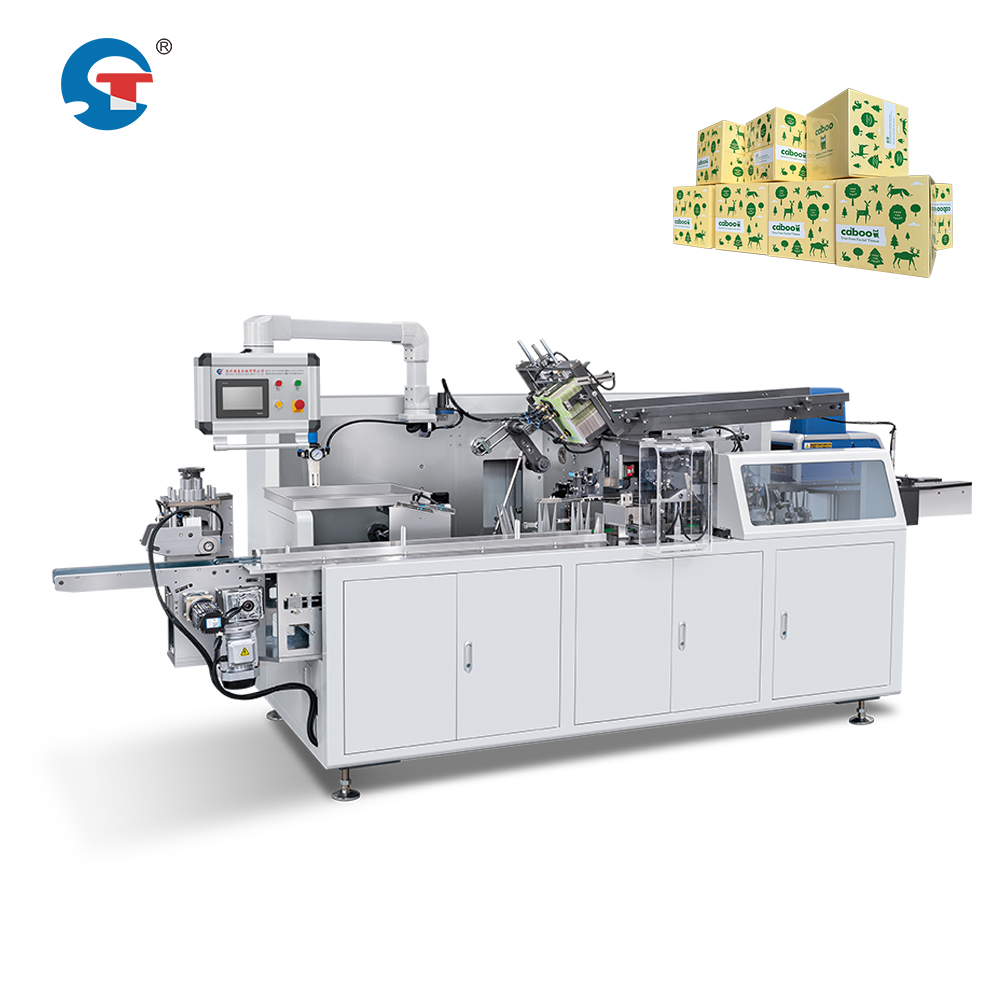
Manufacturing facial tissue products presents significant operational complexities that directly impact profitability and market competitiveness. Traditional manual packing methods consume substantial labor resources, introduce quality inconsistencies, and struggle to meet growing demand for consumer tissue products. A facial tissue packing machine addresses these fundamental production challenges by automating the wrapping, boxing, and sealing processes that have historically bottlenecked tissue manufacturers.
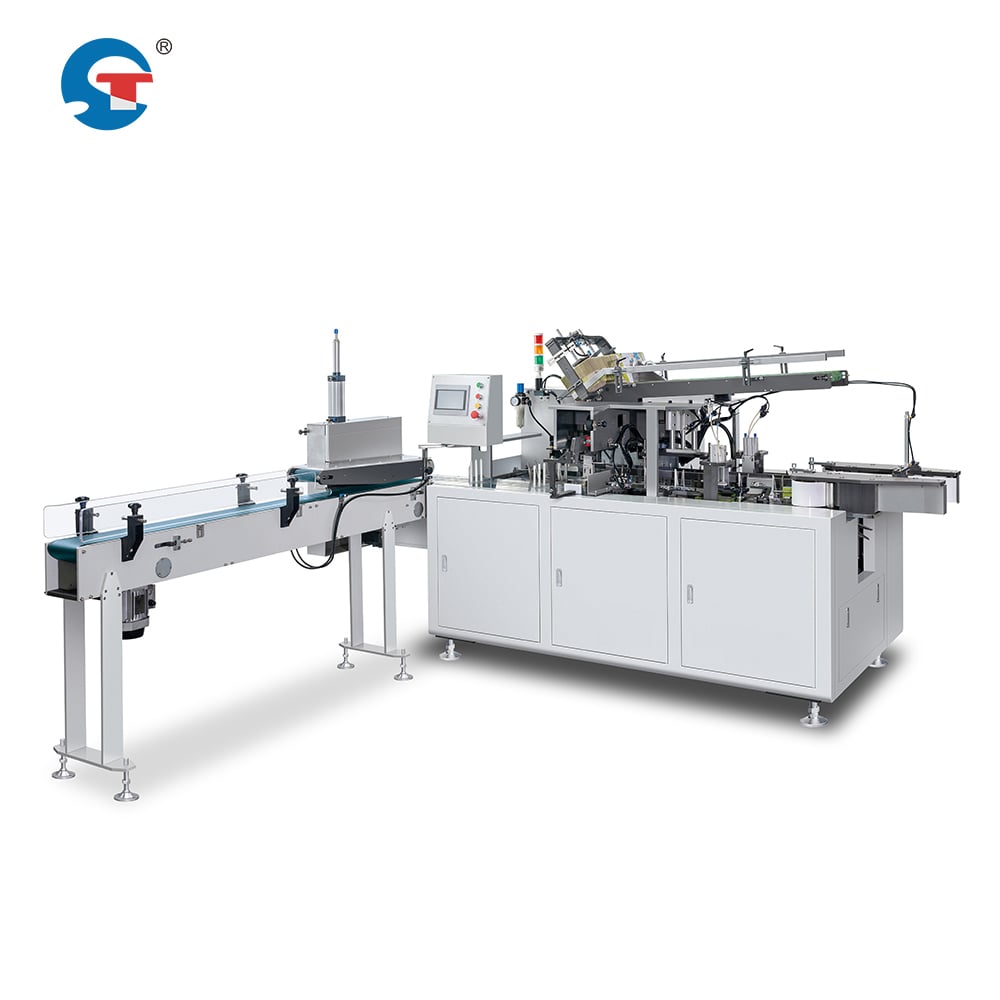
Modern tissue box wrapping automation transforms production environments by eliminating repetitive manual tasks, reducing waste, and enabling facilities to operate continuously with minimal downtime. High-speed tissue packaging equipment represents a critical investment for manufacturers seeking to remain competitive while maintaining strict quality standards and regulatory compliance. Understanding which production challenges a facial tissue packing machine solves efficiently helps tissue producers make informed decisions about capital equipment that will deliver measurable return on investment.
Labor Reduction and Workforce Efficiency
Eliminating Manual Packing Bottlenecks
Labor shortages continue to plague tissue manufacturing facilities across regions, making it increasingly difficult to recruit and retain workers for repetitive packing roles. A facial tissue packing machine eliminates the need for dedicated manual packing teams, freeing skilled workers to focus on quality control, equipment maintenance, and process optimization. Tissue box wrapping automation handles thousands of units per hour, a throughput that would require dozens of manual operators working in shifts. This efficiency gain directly reduces per-unit labor costs while improving workforce morale by shifting workers away from monotonous, physically demanding tasks.
Consistent Output with Reduced Waste
Manual operators inevitably introduce variability into packing quality, causing damaged cartons, loose seals, and packaging defects that reduce shelf appeal and create customer returns. High-speed tissue packaging equipment maintains uniform tension, precise alignment, and consistent seal quality across every single carton produced, regardless of shift or time of day. This consistency directly reduces material waste from rejected boxes and rework cycles, recovering 2 to 5 percent of raw materials that would otherwise be discarded. The facial tissue packing machine performs at steady-state output, eliminating the fatigue-related slowdowns that occur during manual operations.
Production Speed and Capacity Expansion
Meeting Demand Without Facility Expansion
Tissue demand fluctuates seasonally and grows with population expansion, yet expanding physical production facilities requires massive capital investment and extended lead times. Tissue box wrapping automation enables manufacturers to increase throughput within existing floor space by replacing slow manual operations with rapid automated lines. A facial tissue packing machine capable of processing 80 to 100 cartons per minute eliminates production bottlenecks that would otherwise require hiring additional staff or operating multiple facility shifts. This speed directly translates into meeting larger customer orders, entering new geographic markets, and responding quickly to unexpected demand surges without operational strain.
Continuous 24/7 Operating Capability
Manual packing operations are inherently limited to standard working hours or shift-based schedules, creating natural ceiling on total daily output regardless of market demand. High-speed tissue packaging equipment operates continuously throughout the day and night with only routine maintenance breaks, multiplying effective production capacity. A facial tissue packing machine running 24/7 schedules produces in three days what manual teams produce in a full week, compressing delivery timelines and enabling manufacturers to serve time-sensitive orders. This continuous capability makes capital investment in tissue box wrapping automation highly attractive for facilities struggling to match aggressive customer delivery requirements.
Quality Compliance and Regulatory Standards
Consistent Packaging Quality and Traceability
Regulatory agencies require detailed traceability and documentation for consumer tissue products, including batch identification, production dates, and quality verification records. A facial tissue packing machine automatically imprints lot codes, expiration dates, and batch identifiers with perfect consistency and legibility, eliminating handwritten marking errors and unclear printing. High-speed tissue packaging equipment integrates with production management systems to record every carton produced, automatically generating compliance documentation and quality assurance reports. This automated traceability becomes mandatory for tissue box wrapping automation facilities serving retail chains that demand complete supply chain transparency.
Meeting Sustainability and Material Standards
Modern retailers and consumers increasingly demand minimal packaging waste and environmentally responsible production practices. A facial tissue packing machine optimizes material usage by precisely controlling the amount of plastic wrap, tape, and carton material applied to each box, eliminating excess wrapping that characterizes manual operations. High-speed tissue packaging equipment reduces overall packaging weight per unit, lowering transportation costs and carbon footprint simultaneously. Tissue box wrapping automation also enables manufacturers to quickly switch between recyclable and sustainable materials without slowing production, supporting environmental commitments that appeal to conscious consumers and major retail partners.
FAQ
What production capacity improvements should manufacturers expect from implementing a facial tissue packing machine?
Manufacturers typically increase packing capacity by 400 to 600 percent after implementing a facial tissue packing machine, converting manual operations that handle 15 to 20 cartons per hour into automated systems producing 80 to 100 units per hour. High-speed tissue packaging equipment enables facilities to handle 2 to 3 times larger order volumes using the same physical space and fewer workers, directly multiplying revenue potential per facility. Tissue box wrapping automation investment typically pays for itself within 18 to 24 months through labor savings alone, with additional returns coming from waste reduction and premium pricing for consistent quality.
How does tissue box wrapping automation reduce production costs beyond labor savings?
Beyond labor reduction, a facial tissue packing machine cuts material waste by 2 to 5 percent through consistent, precision wrapping that eliminates damaged and rejected cartons inherent to manual processes. High-speed tissue packaging equipment optimizes material consumption, using exact amounts of plastic wrap and adhesive rather than the excess applied by manual operators trying to ensure adequate seal strength. Tissue box wrapping automation also reduces defect-related customer returns and warranty claims, which represent hidden costs in retail tissue distribution. The combined effect of labor reduction, waste elimination, and quality consistency typically yields 15 to 25 percent reductions in per-unit packing costs.
Can a facial tissue packing machine handle multiple product formats and sizes?
Modern facial tissue packing machine designs include quick-change components and programmable settings that accommodate various carton sizes, sheet counts, and packaging formats with minimal adjustment time. High-speed tissue packaging equipment can switch between 100-count, 200-count, and family-size tissue boxes within 15 to 30 minutes using standardized tooling, enabling tissue box wrapping automation facilities to serve diverse product portfolios without maintaining separate production lines. This flexibility allows manufacturers to respond to market trends, customer preferences, and seasonal demand shifts without capital investment in additional equipment or production lines.