
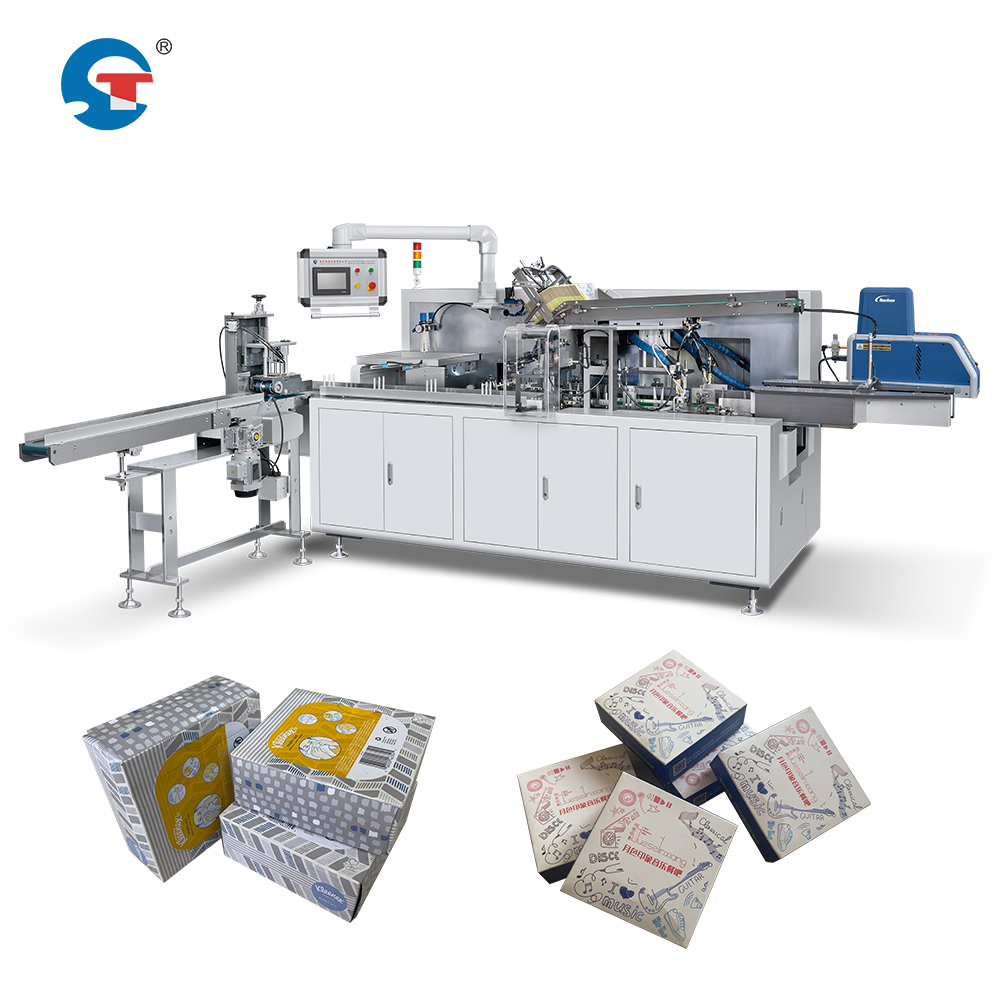
Quality consistency stands as the foundation of successful napkin manufacturing, and achieving it requires precision at every production stage. A paper napkin packing machine plays a critical role in this process by ensuring that every napkin meets exact specifications for fold accuracy, package count, and visual presentation. The ability to maintain consistent napkin quality directly impacts customer satisfaction, reduces waste, and strengthens your brand reputation in the competitive tissue product market.
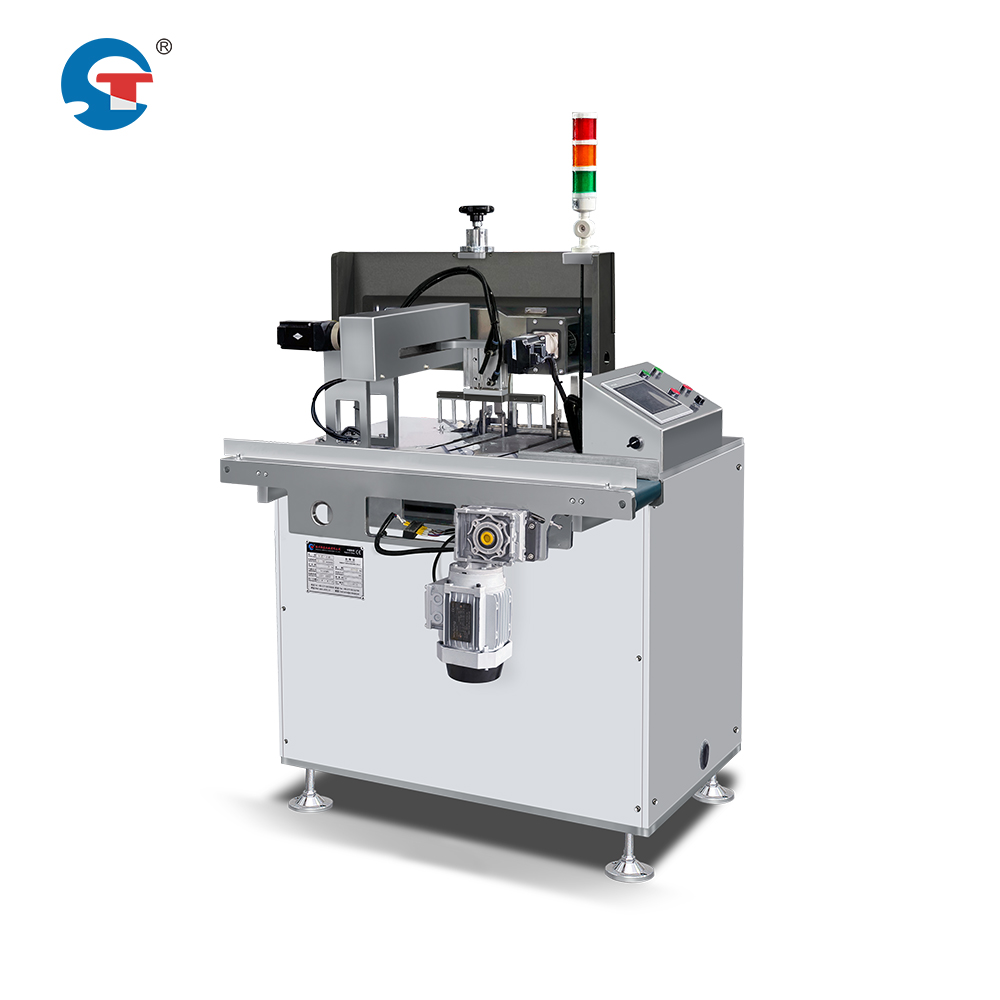
Modern tissue paper packaging lines demand intelligent control systems that monitor production variables in real time. An automatic napkin wrapping equipment setup integrates multiple checkpoints throughout the folding, stacking, and wrapping phases to catch defects before they reach end customers. This systematic approach transforms quality from a reactive concern into a proactive competitive advantage, enabling manufacturers to deliver uniform products that meet retail standards and consumer expectations consistently.
Precision Folding and Alignment Control
Mechanical Fold Accuracy
The serviette folding and packing system must maintain exact fold angles and dimensions across thousands of napkins per hour. Mechanical precision in the folding mechanism ensures that each napkin exhibits identical crease placement, thickness distribution, and final dimensions. Advanced systems use cam-driven or servo-motor controlled folding blades that adjust automatically to paper thickness variations, preventing uneven folds that compromise package appearance and product integrity. Regular maintenance of these mechanical components preserves fold accuracy over extended production runs.
Sensor-Based Quality Monitoring
Optical sensors embedded throughout your tissue paper packaging line detect fold inconsistencies, misalignment, and dimensional deviations in real time. These sensors measure napkin thickness after each fold stage, verifying that the folded product matches programmed specifications. When a napkin falls outside acceptable parameters, the system triggers automatic ejection or alerts operators to pause production for adjustment. This preventive monitoring capability prevents defective batches from reaching packaging, eliminating costly customer returns and reputation damage.
Stacking and Package Uniformity Standards
Consistent Stack Height and Density
Uniform stack height directly affects how napkins pack into final packages and how customers perceive product quality. The automatic napkin wrapping equipment controls stack formation through precisely timed feeding mechanisms that deliver napkins to the stacking area at exact intervals. Pressure-sensitive rollers compress each stack to a target density, ensuring that every package contains the correct number of napkins with consistent firmness. Variable density or stack height creates packaging problems, damages napkins during wrapping, and creates visible quality issues on retail shelves.
Centering and Registration Systems
Proper napkin alignment within the package affects both aesthetic presentation and functional usability. A serviette folding and packing system employs registration marks and mechanical guides to center each napkin within its designated position before wrapping. These positioning systems prevent napkins from shifting during wrapping or transport, which would create crooked packages that appear defective to consumers. Accurate registration maintains the precise alignment that distinguishes premium tissue products from lower-quality alternatives in the marketplace.
Wrapping Integrity and Film Sealing Performance
Consistent Film Application and Seal Quality
The wrapping stage seals the package and protects napkins from contamination and moisture during storage and distribution. Your tissue paper packaging line must apply wrapping film with uniform tension, ensuring tight seals without excessive wrinkles or loose sections. Heat-sealed seals must reach exact temperatures that fully fuse film layers without damaging napkins through excessive heat. Inconsistent seal quality leads to package leakage, contamination, and customer complaints, making this stage critical for overall product quality maintenance.
Print Registration and Labeling Accuracy
Printed designs, branding, and product information must align perfectly on every package to project professionalism and build consumer confidence. The automatic napkin wrapping equipment integrates print registration systems that track package position and synchronize printing with package movement. Misaligned printing, cropped logos, or offset text damage brand perception and create appearance defects that reduce shelf appeal. Precise print registration across every package reinforces consistent branding and demonstrates manufacturing quality to retail buyers and end consumers alike.
FAQ
How do automatic napkin wrapping equipment systems detect quality defects during production?
Modern automatic napkin wrapping equipment uses multiple sensor types including optical sensors for dimension measurement, weight sensors for stack consistency verification, and vision systems that inspect fold accuracy and print alignment. These sensors continuously monitor production output and trigger automatic ejection or alert signals when napkins fall outside specified parameters, enabling real-time quality control that prevents defective products from reaching packaging stages.
What maintenance practices keep a paper napkin packing machine operating at peak quality standards?
Regular maintenance includes daily cleaning of folding mechanisms to prevent paper dust buildup, weekly calibration of sensor systems to maintain accuracy, monthly inspection of wear components like pressure rollers and guide rails, and quarterly replacement of worn parts that affect precision. Preventive maintenance schedules documented in standard operating procedures ensure that your paper napkin packing machine remains consistent and reliable, reducing unexpected downtime and quality fluctuations caused by mechanical degradation.
Can a tissue paper packaging line adapt to different napkin sizes and fold patterns while maintaining quality consistency?
Yes, modern tissue paper packaging lines feature quick-change components and programmable controls that allow rapid adjustment between napkin sizes and folding patterns. Operators input new specifications into the control system, mechanical guides shift to new positions, and servo motors reprogram fold sequences automatically. Verification runs with sample napkins ensure all parameters align correctly before full production begins, enabling consistent quality across product variety without sacrificing production efficiency or precision.
Table of Contents
- Precision Folding and Alignment Control
- Stacking and Package Uniformity Standards
- Wrapping Integrity and Film Sealing Performance
-
FAQ
- How do automatic napkin wrapping equipment systems detect quality defects during production?
- What maintenance practices keep a paper napkin packing machine operating at peak quality standards?
- Can a tissue paper packaging line adapt to different napkin sizes and fold patterns while maintaining quality consistency?