
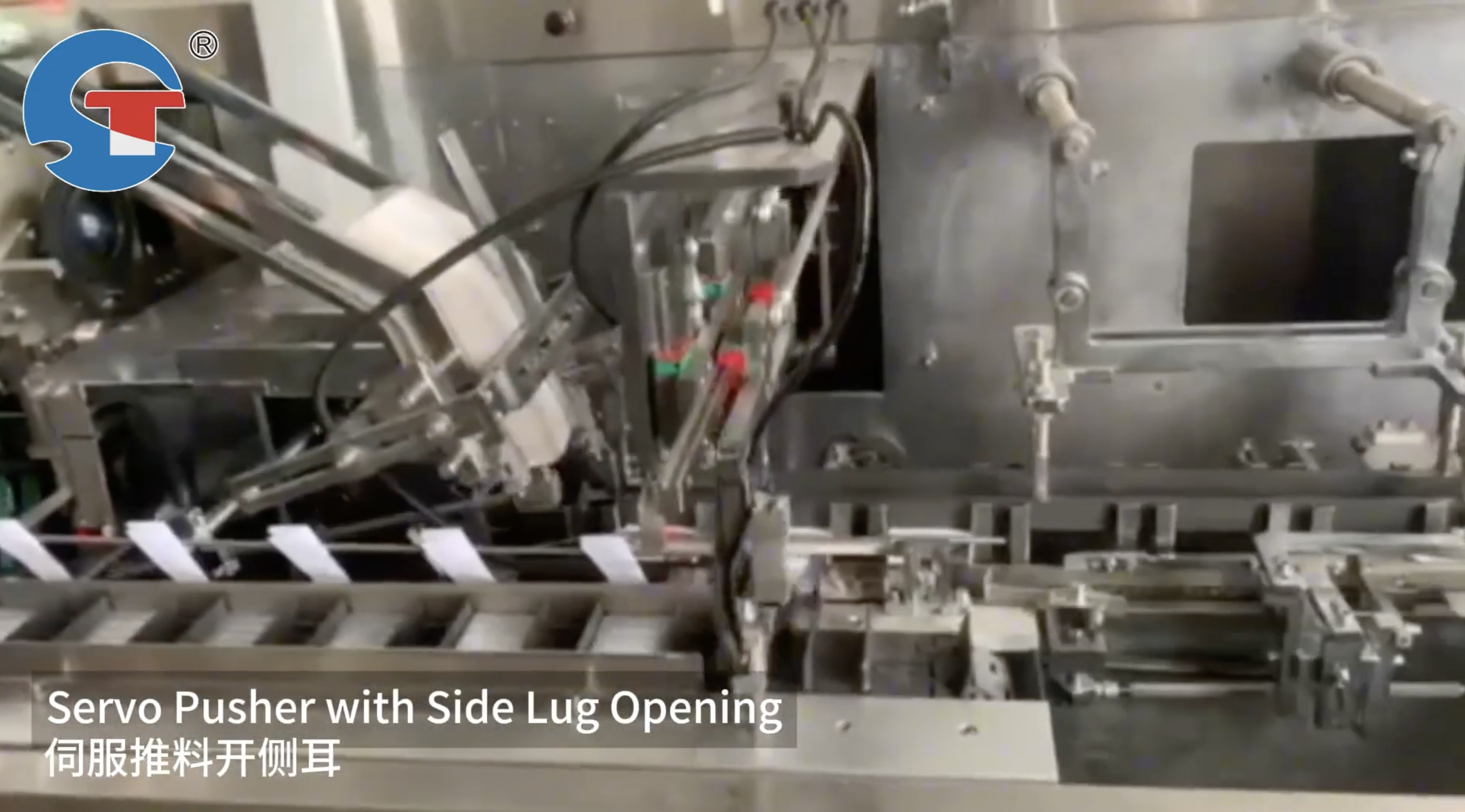
Tamper-evident sealing is a critical requirement in pharmaceutical packaging that protects both product integrity and consumer safety. Modern pharmaceutical cartoning machine systems integrate multiple sealing technologies to ensure that cartons remain secure throughout distribution, storage, and retail display. These machines combine precision engineering with compliance-ready features, allowing manufacturers to meet stringent regulatory standards while maintaining production efficiency.
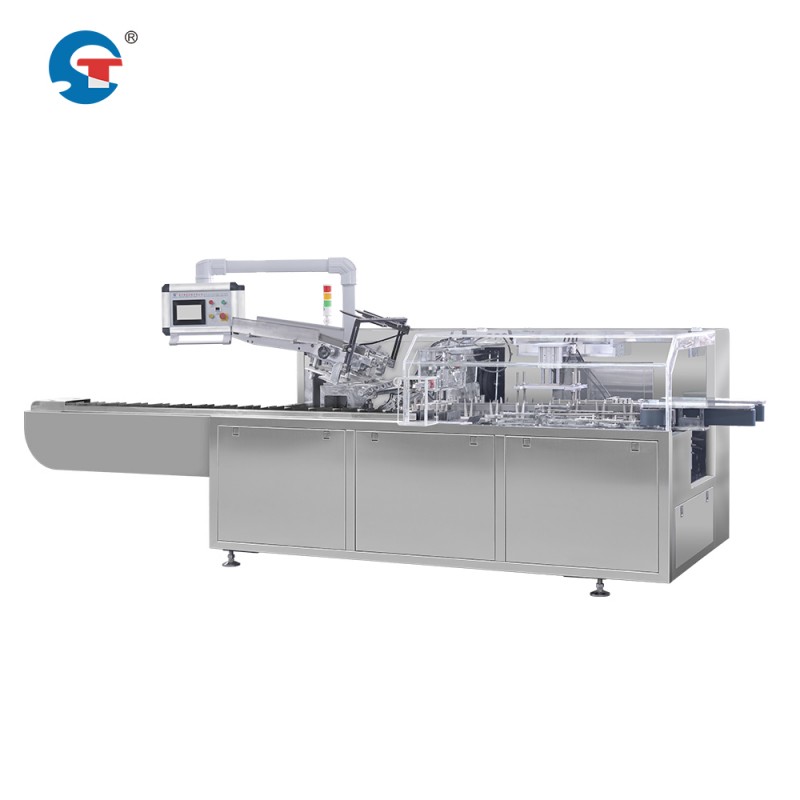
Selecting the right tamper-evident sealing method depends on understanding how different techniques work within automatic carton packing equipment environments. Each sealing approach offers distinct advantages in terms of security level, application speed, cost efficiency, and compatibility with pharmaceutical packaging automation workflows. The goal is to choose a method that deters tampering while maintaining the visual appeal and functionality of the finished product.
Hot Melt Adhesive and Tape Sealing
How Hot Melt Sealing Works
Hot melt adhesive systems are among the most widely adopted sealing technologies in automatic carton packing equipment used for pharmaceutical products. This method involves applying heated adhesive to carton flaps at precisely controlled temperatures, ensuring that once cooled, the seal becomes extremely difficult to open without visible damage. The pharmaceutical packaging automation process typically integrates hot melt application heads directly into the cartoning line, allowing continuous, high-speed sealing without production delays.
The tamper-evident advantage of hot melt sealing lies in its irreversible nature. Once the adhesive sets, any attempt to reopen the carton leaves visible evidence of tampering, such as torn paper or adhesive residue on the opening surfaces. This makes it an effective deterrent against unauthorized access and helps manufacturers maintain regulatory compliance in pharmaceutical markets.
Integration with Carton Sealing and Labeling Systems
Many modern pharmaceutical cartoning machines combine hot melt sealing with carton sealing and labeling systems to create a unified sealing and identification process. The carton is sealed first, then immediately labeled with product information, batch codes, and expiration dates. This sequential approach ensures that both the seal and label serve as tamper indicators, as any disturbance to either component becomes immediately visible to end users or quality inspectors.
Operators can adjust adhesive temperature and application volume to suit different carton materials and pharmaceutical packaging requirements. Modern systems include real-time monitoring to detect failed seals and automatically reject non-compliant cartons before they leave the production line.
Tape-Based Tamper Evidence
Pressure-Sensitive Tape Technology
Pressure-sensitive security tape represents another proven approach in pharmaceutical packaging automation, particularly for products requiring enhanced visual tamper evidence. These tapes feature special printing, holographic elements, or adhesive patterns that reveal 'OPENED' messages or leave residue when someone attempts to remove them. When integrated into automatic carton packing equipment, tape application heads position the tape precisely across carton seams and flaps to create an unmistakable tamper barrier.
The advantage of tape-based sealing is that it provides immediate, visible proof of tampering. Pharmaceutical manufacturers can select tapes that display warning messages, brand logos, or security features specific to their product. This method works well for carton sealing and labeling systems that need to coordinate multiple security layers on a single package.
Speed and Compatibility
Tape-based systems on modern pharmaceutical cartoning machines operate at speeds of 30 to 60 cartons per minute, depending on carton size and complexity. The tape application mechanism can be adjusted for different carton dimensions without requiring significant machine reprogramming. This flexibility makes tape sealing attractive for manufacturers with diverse product portfolios, as a single pharmaceutical packaging automation line can handle multiple carton formats by simply changing tape width and application position settings.
Glue Strip and Adhesive Label Sealing
Pre-Glued Strip Integration
Another effective tamper-evident method involves pre-glued adhesive strips that span the carton seams or flap junction. These strips are activated by pressure during the cartoning process, creating an immediate seal that is difficult to separate without causing visible damage. Pharmaceutical cartoning machines equipped with this technology position the carton precisely so that the strip engages correctly when the carton is closed and pressed.
The benefit of pre-glued strips is that they reduce the need for additional adhesive application equipment in automatic carton packing equipment setups. The adhesive is already applied to the strip during the strip manufacturing phase, allowing the machine to function with fewer components and lower maintenance requirements. This simplifies pharmaceutical packaging automation for manufacturers seeking cost-effective, reliable solutions.
Customization and Brand Identity
Adhesive strips can be customized with brand names, security printing, or unique color patterns that enhance product identity while serving the tamper-evident function. When integrated into carton sealing and labeling systems, these strips work alongside printed labels to create a comprehensive security envelope around the product. The combination of visual and physical barriers significantly increases the difficulty of unauthorized tampering, deterring both accidental and intentional breaches.
FAQ
What sealing speed does a pharmaceutical cartoning machine achieve with tamper-evident methods?
Modern pharmaceutical cartoning machines with integrated tamper-evident sealing typically achieve speeds between 30 and 120 cartons per minute, depending on the sealing technology used and carton complexity. Hot melt systems generally support faster speeds, while more complex tape or glue applications may require slightly longer cycle times. Manufacturers should verify machine specifications to ensure production rates align with their output requirements and pharmaceutical packaging automation goals.
Are tamper-evident sealing methods compliant with pharmaceutical regulatory standards?
Yes, all reputable tamper-evident sealing methods used in pharmaceutical cartoning machines comply with international regulatory standards, including FDA requirements in the United States and equivalent guidelines in other markets. Hot melt, tape, and adhesive strip methods are well-established technologies recognized by regulatory bodies as effective tamper-evident measures. However, manufacturers must validate their specific automatic carton packing equipment configuration and pharmaceutical packaging automation process through appropriate quality testing and documentation.
Can a pharmaceutical cartoning machine switch between different sealing methods?
Most modern pharmaceutical cartoning machines allow switching between sealing methods through modular head designs and adjustable application systems. However, the ease of conversion depends on the specific equipment model and the types of sealing methods being compared. Transitioning from hot melt to tape sealing, for example, may require changing application heads and recalibrating carton sealing and labeling systems, which typically takes 20 to 60 minutes. Operators should consult machine documentation to understand changeover procedures and any associated downtime.