
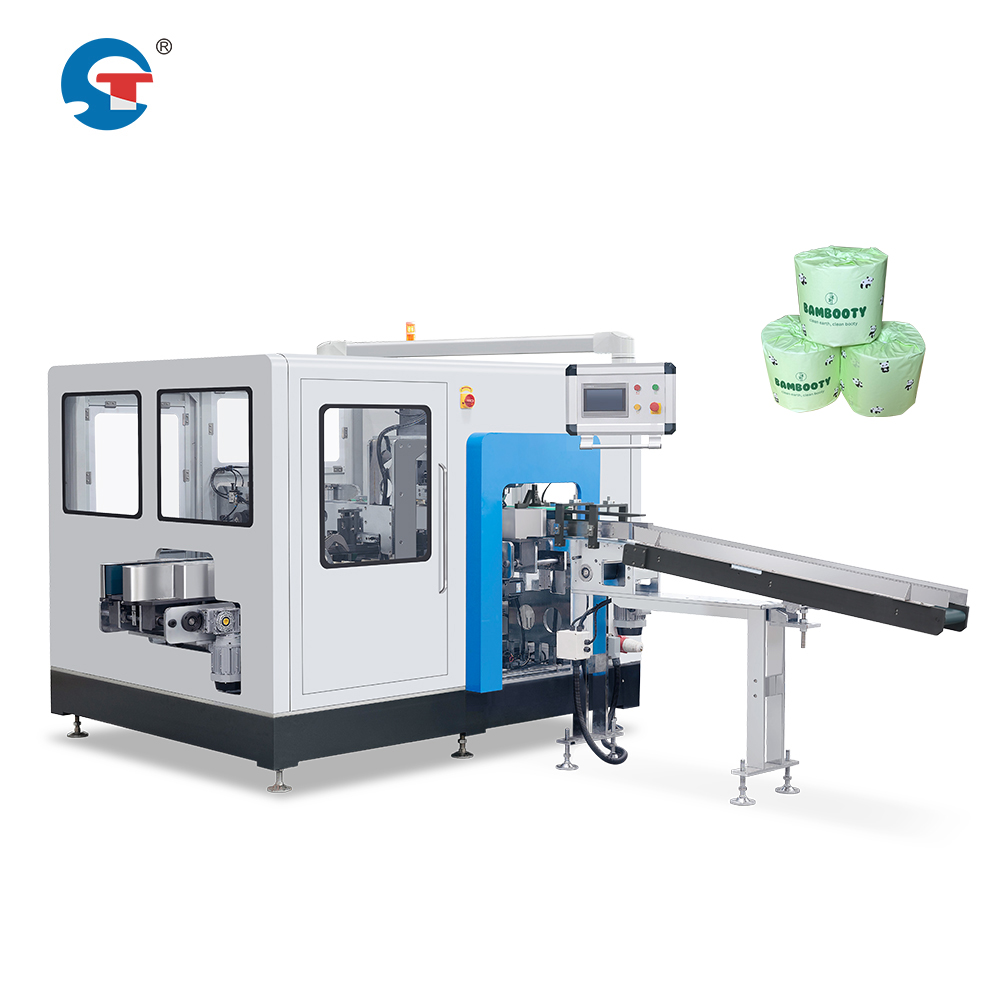
The global shift toward sustainability has fundamentally transformed how manufacturers approach hygiene paper production. Today's leading hygiene paper packaging machinery manufacturers are pioneering footprint innovations that simultaneously reduce waste, energy consumption, and material use while maintaining the speed and reliability that tissue producers demand. These advancements reflect a growing recognition that environmental responsibility and operational efficiency are no longer competing priorities but rather complementary business imperatives.
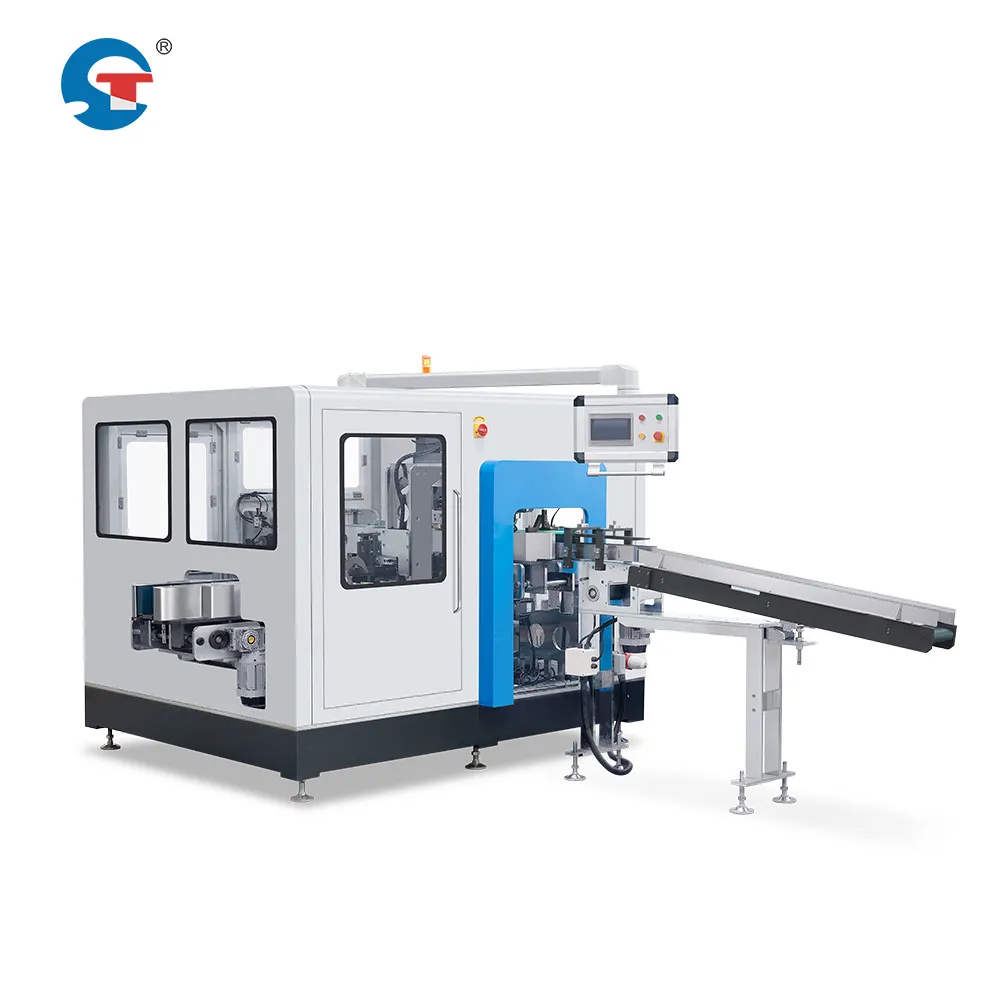
Footprint innovations from a hygiene paper packaging machinery manufacturer now span multiple dimensions of production. From intelligent energy management systems to advanced material optimization, manufacturers are redesigning equipment to help tissue producers achieve their sustainability goals without sacrificing throughput or quality. Understanding these innovations helps production managers make informed decisions about equipment upgrades and new line investments.
Energy-Efficient Toilet Paper Production Line Equipment
Optimized Motor and Drive Technologies
Modern toilet paper production line equipment incorporates variable frequency drives and energy-efficient motors that automatically adjust power consumption based on operational demand. These systems reduce idle energy waste during changeovers and lower-speed operations, often delivering energy savings between 20 and 35 percent compared to conventional fixed-speed equipment. Advanced servo motors now control individual functions with precision, eliminating the power draw of older pneumatic and mechanical systems that operated at constant intensity regardless of actual production requirements.
Regenerative braking technology in premium toilet paper production line equipment captures energy during deceleration phases and feeds it back into the facility's electrical system. This innovation proves particularly valuable during rapid line stops and format changes, which occur frequently in multi-SKU production environments. Manufacturers integrating these drive systems report meaningful reductions in kilowatt-hour consumption alongside improved line responsiveness and reduced thermal stress on mechanical components.
Waste Heat Recovery and Thermal Management
Advanced sanitary paper packaging automation technology now incorporates waste heat recovery systems that capture thermal energy from compressed air lines, servo drives, and packaging processes. This recovered heat can warm incoming water for cleaning cycles or pre-condition ambient air, reducing the load on facility heating and cooling systems. Some manufacturers have implemented closed-loop thermal management where excess process heat continuously offsets facility heating demands during cold weather operations.
Improved insulation around heated sealing zones and optimized temperature control algorithms prevent energy overshoot. Sanitary paper packaging automation technology featuring intelligent thermal profiling reduces energy consumption in the forming, gluing, and sealing phases while maintaining package integrity and barrier performance. These innovations appeal strongly to tissue producers operating in climate-controlled warehouses where precise temperature management directly impacts both product quality and utility costs.
Material Optimization in Tissue Paper Wrapping Machine Specifications
Intelligent Substrate Utilization and Scrap Reduction
Contemporary tissue paper wrapping machine specifications include advanced web-width measurement systems and real-time adjustment algorithms that minimize material waste during production. Camera-based inspection combined with machine learning algorithms enables predictive trim optimization, which adjusts knife positions fractions of a millimeter to reduce edge scrap while accounting for paper thickness variation and humidity drift. These systems deliver measurable reductions in waste rates, often lowering scrap by 30 to 50 percent when compared to static trim settings on older equipment.
Tissue paper wrapping machine specifications now incorporate recyclable scrap management that automatically sorts and compacts trim waste into feedstock for tissue production, closing the loop on material use. Some advanced tissue paper wrapping machine specifications feature modular cutterhead designs that adapt to different paper basis weights and package dimensions, enabling producers to efficiently run smaller batch sizes without the material waste penalties associated with line conversion and setup. This flexibility drives down the per-unit environmental footprint of shorter production runs.
Packaging Material Efficiency and Downgauging Support
Modern sanitary paper packaging automation technology enables the use of thinner, lighter-weight outer carton materials without compromising package protection or shelf impact. Precisely controlled glue application and enhanced structural design algorithms allow manufacturers to reduce carton material weight by 8 to 15 percent. These innovations support tissue producers pursuing downgauging strategies that reduce raw material consumption and transportation emissions per unit volume.
Tissue paper wrapping machine specifications increasingly incorporate compostable and recyclable material handling capabilities, allowing producers to test and deploy alternative packaging substrates without major capital expenditure. Modular pressure systems and adjustable sealing profiles accommodate natural fiber variations and thickness tolerances in eco-friendly materials, enabling a smoother transition toward more sustainable packaging formats that still meet market expectations.
Footprint Innovation Through Intelligent Production Control
Demand-Responsive Operation and Speed Optimization
Sanitary paper packaging automation technology now integrates real-time demand forecasting and line speed optimization that matches production throughput to actual market orders. This capability eliminates the production inertia and inventory buildup that drive unnecessary energy consumption and material processing. Equipment that adjusts speed within milliseconds reduces impulse loads on mechanical systems and extends component life while lowering the total energy cost per finished package.
Internet-of-Things connectivity allows toilet paper production line equipment to communicate with upstream parent roll winding stations and downstream case erection systems, creating synchronized production rhythms that minimize waiting time, buffer stock, and redundant material handling. This real-time synchronization reduces both direct energy consumption and the embedded energy costs associated with inventory staging and repositioning, delivering footprint improvements that extend beyond the packaging machinery itself.
Predictive Maintenance and Equipment Longevity
Advanced sensor networks embedded in hygiene paper packaging machinery now enable predictive maintenance protocols that identify potential failures before they occur. By extending equipment life and reducing unplanned downtime, these systems lower the lifecycle environmental cost of production. Fewer equipment replacements mean less manufacturing burden associated with new machinery production, and fewer emergency repairs reduce the material and energy waste of expedited troubleshooting and component replacement.
Modular design philosophies in contemporary sanitary paper packaging automation technology allow targeted component upgrades rather than complete line replacement. This approach preserves the embodied energy of existing equipment while enabling producers to adopt new efficiency technologies incrementally. Tissue producers benefit from continuous improvement without the massive environmental footprint and capital disruption of complete line replacement cycles.
FAQ
What specific energy reductions can tissue producers expect from modern toilet paper production line equipment?
Energy savings typically range from 20 to 35 percent depending on the specific features implemented and baseline equipment age. Variable frequency drives, regenerative braking, and waste heat recovery represent the highest-impact innovations. Actual results depend heavily on facility integration, production profile, and the baseline equipment being replaced. Working with manufacturers to conduct detailed energy audits and model facility-specific scenarios provides the most accurate projection of potential savings.
How does tissue paper wrapping machine specifications support material downgauging and substrate innovation?
Modern tissue paper wrapping machine specifications feature adjustable pressure systems, modular cutterheads, and advanced glue application control that accommodate thinner materials and alternative substrates without sacrificing package integrity. These machines can handle basis weight variations and natural fiber tolerances found in eco-friendly materials, enabling producers to test and deploy sustainable alternatives. The flexibility eliminates the need for dedicated equipment for each material type, reducing capital barriers to sustainability initiatives.
Why should tissue producers consider sanitary paper packaging automation technology upgrades from a footprint perspective?
Sanitary paper packaging automation technology directly reduces energy per package, minimizes material waste through precision control, and enables demand-responsive production that eliminates inventory waste. These technologies also extend equipment life through predictive maintenance and support incremental upgrades rather than wholesale replacement. For tissue producers committed to sustainability targets, these machines deliver measurable footprint reductions while maintaining or improving operational efficiency and throughput.
Table of Contents
- Energy-Efficient Toilet Paper Production Line Equipment
- Material Optimization in Tissue Paper Wrapping Machine Specifications
- Footprint Innovation Through Intelligent Production Control
-
FAQ
- What specific energy reductions can tissue producers expect from modern toilet paper production line equipment?
- How does tissue paper wrapping machine specifications support material downgauging and substrate innovation?
- Why should tissue producers consider sanitary paper packaging automation technology upgrades from a footprint perspective?