
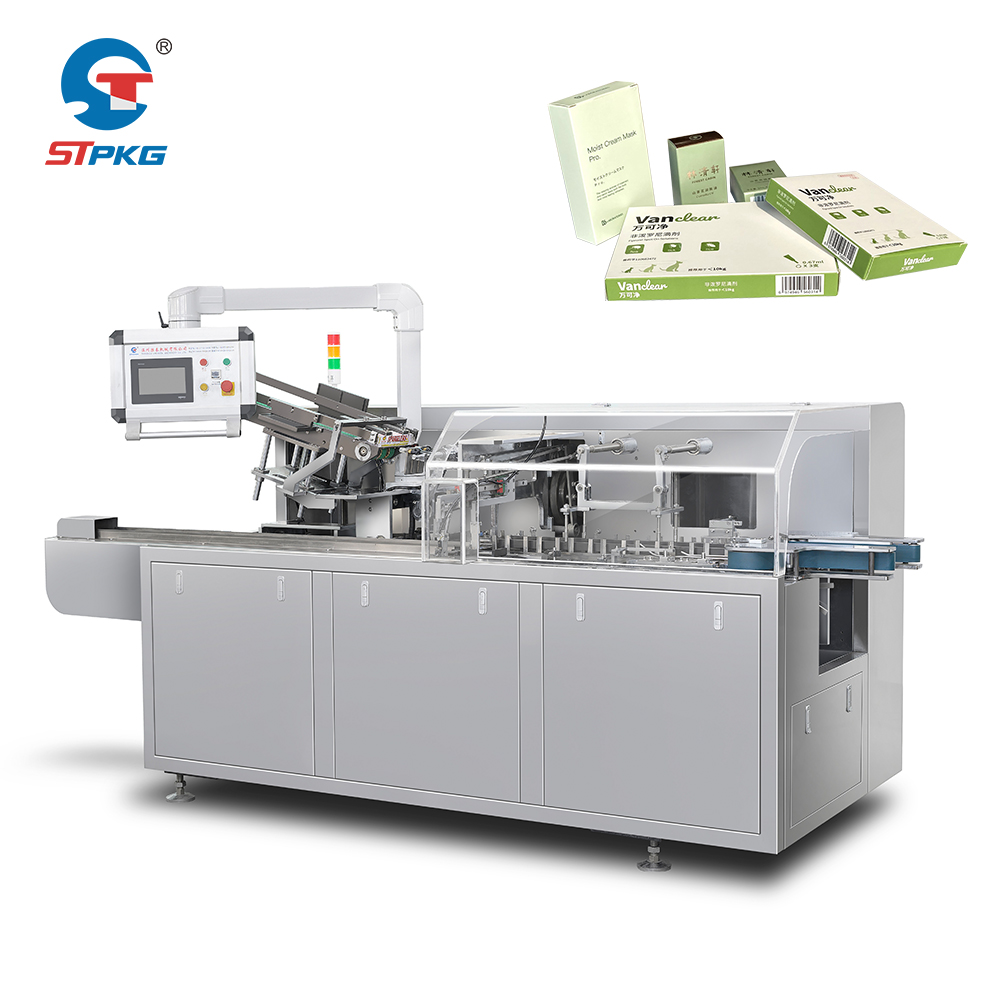
Cleanroom compliance is non-negotiable in pharmaceutical manufacturing. Any pharmaceutical cartoning machine operating in a regulated environment must meet strict Good Manufacturing Practice (GMP) standards designed to protect product integrity and patient safety. These standards dictate not just the machine's mechanical capabilities, but also its materials, design philosophy, control systems, and environmental interaction protocols.
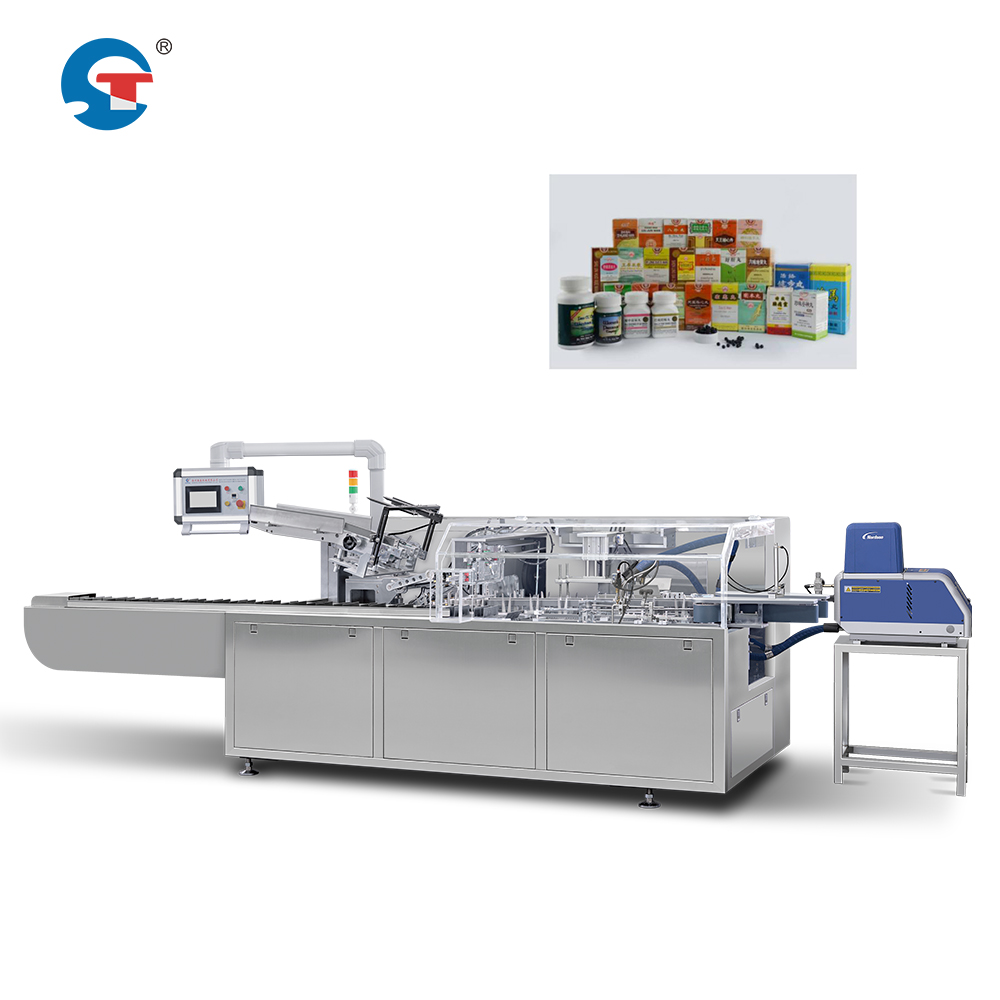
The regulatory landscape for automated blister pack cartoning and general pharmaceutical packaging automation has become increasingly stringent across North America, Europe, and Asia-Pacific regions. Understanding which cleanroom classification your operation requires, and how your equipment must adapt to that environment, is foundational to avoiding costly compliance violations and production interruptions.
Cleanroom Classification and Equipment Placement Requirements
ISO Cleanroom Standards for Cartoning Operations
Pharmaceutical manufacturing facilities typically operate in ISO Class 7 (formerly Class 100,000) or ISO Class 8 (formerly Class 10,000) cleanrooms for secondary packaging operations like automatic blister pack cartoning. The classification refers to the maximum number of airborne particles per cubic meter. Class 7 allows up to 3,520,000 particles (0.5 microns or larger) per cubic meter, while Class 8 permits up to 35,200,000. Your specific classification depends on the product type, manufacturing stage, and regulatory jurisdiction. High-speed box packing equipment for sterile or high-risk products typically requires stricter Class 7 conditions.
The pharmaceutical cartoning machine itself must be positioned and designed to maintain these air-quality standards. This means the machine's external surfaces, contact points, and operational envelope must not shed particles, offgas, or introduce contamination into the controlled environment. Poorly designed or non-compliant equipment can compromise the entire cleanroom classification, rendering the space unsuitable for production and forcing costly remediation.
Material and Surface Specifications
High-speed box packing equipment must use materials that resist particle generation and facilitate easy cleaning. Stainless steel (particularly 316L grade) is the industry standard for external surfaces and product-contact components. All exposed surfaces must be smooth, non-corrosive, and free from cracks, crevices, or rough spots that trap dust or bacterial biofilms. The pharmaceutical packaging automation equipment must not contain porous materials, unpainted iron, or conventional coatings that degrade in the cleanroom environment.
Plastic components, when used, must be pharmaceutical-grade and approved for cleanroom environments. Seals, gaskets, and internal tubing must comply with FDA or European Pharmacopoeia standards. Joints, fasteners, and cable entries require specialized sealed fittings to prevent micro-particle escape and contaminant ingress during operation.
Environmental Control and Operator Interface
HVAC Integration and Airflow Compatibility
A pharmaceutical cartoning machine must integrate seamlessly with the facility's heating, ventilation, and air conditioning (HVAC) system. The machine's heat generation, air displacement, and exhaust streams must not disrupt the cleanroom's positive pressure differential or laminar airflow patterns. Automatic blister pack cartoning systems typically generate significant heat from motor drives, pneumatic systems, and friction points. This heat must be managed without creating local turbulence or dead zones where particles accumulate.
The equipment must allow for effective cleaning and disinfection without damaging critical components. Sanitization solutions used in pharmaceutical packaging automation environments are often hydrogen peroxide vapor, isopropyl alcohol, or chlorine-based agents. The machine's materials and seals must be chemically compatible with these agents. Drainage paths, utility connections, and cable runs must be designed to prevent pooling of sanitization liquids.
Personnel Interaction and Access Control
High-speed box packing equipment must minimize the need for frequent operator intervention inside the cleanroom. All control interfaces, material loading points, and emergency stops should be accessible from the cleanroom's personnel area or behind a transparent barrier to reduce personnel ingress frequency. When operators must interface with the pharmaceutical packaging automation equipment, clothing requirements (bunny suits, gloves, shoe covers) must be considered in the machine's physical design to prevent entanglement or contamination transfer.
The cartoning machine must provide clear visual and audible feedback through a control system that maintains data integrity and audit trails. Electronic controls must meet FDA 21 CFR Part 11 requirements for pharmaceutical validation, including system validation documentation, change control procedures, and electronic record security.
Documentation, Validation, and Compliance Verification
Design Qualification and Installation Qualification
Every pharmaceutical cartoning machine must undergo Design Qualification (DQ) and Installation Qualification (IQ) before production use. The DQ phase confirms that the equipment's design meets all GMP and operational specifications. The automatic blister pack cartoning machine documentation must include material certifications, design drawings, airflow analysis, particle shedding data, and cleanroom compatibility testing results. IQ verifies that the equipment is installed correctly, with all systems properly connected, calibrated, and functioning as designed.
Operational Qualification (OQ) follows, testing the equipment's ability to perform cartoning cycles without generating out-of-specification products or introducing contamination. The pharmaceutical packaging automation system must be tested across its full operating range—speed variations, different product sizes, humidity extremes—to confirm consistent performance under all approved conditions. Performance Qualification (PQ) involves actual production runs with validated, tested products to confirm that the cartoning machine maintains product quality throughout the production cycle.
Ongoing Compliance and Change Management
Once validated, the high-speed box packing equipment must remain in compliance through routine maintenance, calibration, cleaning log documentation, and periodic revalidation. Any modification—firmware updates, part replacement, sanitization procedure changes—triggers a Change Control process to assess whether revalidation is necessary. Cleanroom contamination events, particle testing results, and equipment failure investigations must be documented and traceable.
The pharmaceutical cartoning machine's maintenance schedule must account for the cleanroom environment. Filters must be changed on a monitored schedule, and spare parts must be cleanroom-compatible. Preventive maintenance procedures must be validated to ensure that maintenance activities do not introduce contamination or compromise the equipment's cleanroom compliance status.
FAQ
What is the difference between ISO Class 7 and ISO Class 8 cleanrooms for cartoning equipment?
ISO Class 7 allows 3,520,000 particles per cubic meter (0.5 microns or larger), while ISO Class 8 allows 35,200,000. Class 7 is stricter and typically required for higher-risk products or sterile manufacturing. The classification determines the allowable particle counts in the air and directly impacts the automatic blister pack cartoning specifications and environmental controls required. Your product type and regulatory requirements determine which classification your pharmaceutical packaging automation facility must maintain.
Can a standard industrial cartoning machine operate in a GMP cleanroom?
No. Standard industrial machines are not designed for cleanroom compatibility. A high-speed box packing equipment unit specifically engineered for pharmaceutical use must use stainless steel construction, sealed connectors, validated materials, and cleanroom-compatible cleaning procedures. A pharmaceutical cartoning machine must undergo DQ, IQ, OQ, and PQ protocols that standard equipment cannot meet. Non-compliant machines risk product contamination, regulatory non-compliance, and product recalls.
How often must a pharmaceutical cartoning machine be revalidated?
Revalidation frequency depends on regulatory guidance, equipment age, maintenance history, and any changes made to the system. Typically, an annual review is standard, with full revalidation triggered by major repairs, significant maintenance, software updates, or cleanroom environmental changes. After equipment relocation, extended downtime, or contamination events, comprehensive revalidation of the automatic blister pack cartoning system may be required. Your Quality Assurance department and regulatory auditor determine the specific revalidation schedule for your pharmaceutical packaging automation operation.