
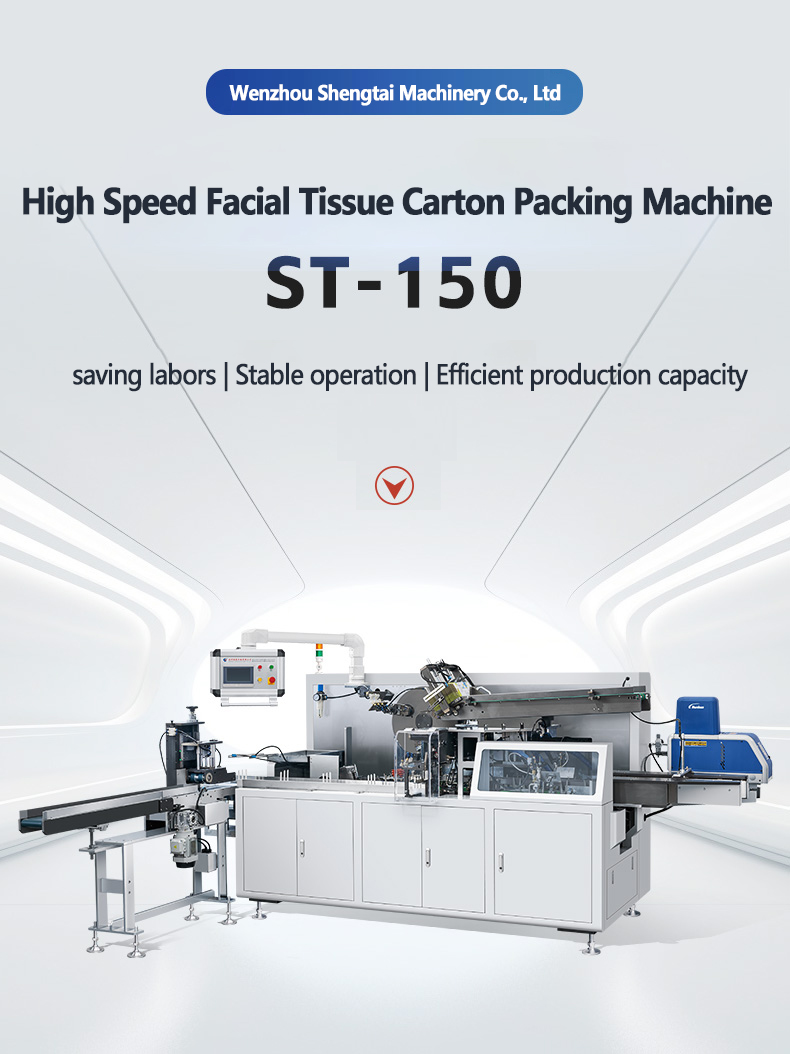
High-speed production environments demand equipment that balances velocity with precision. A continuous motion cartoning machine addresses this critical challenge by eliminating the stop-start cycles that traditionally damage products during the packing process. Unlike intermittent motion systems, continuous motion cartoning machines maintain steady momentum while products move through each operational stage, significantly reducing impact stress and material degradation on high-speed lines.
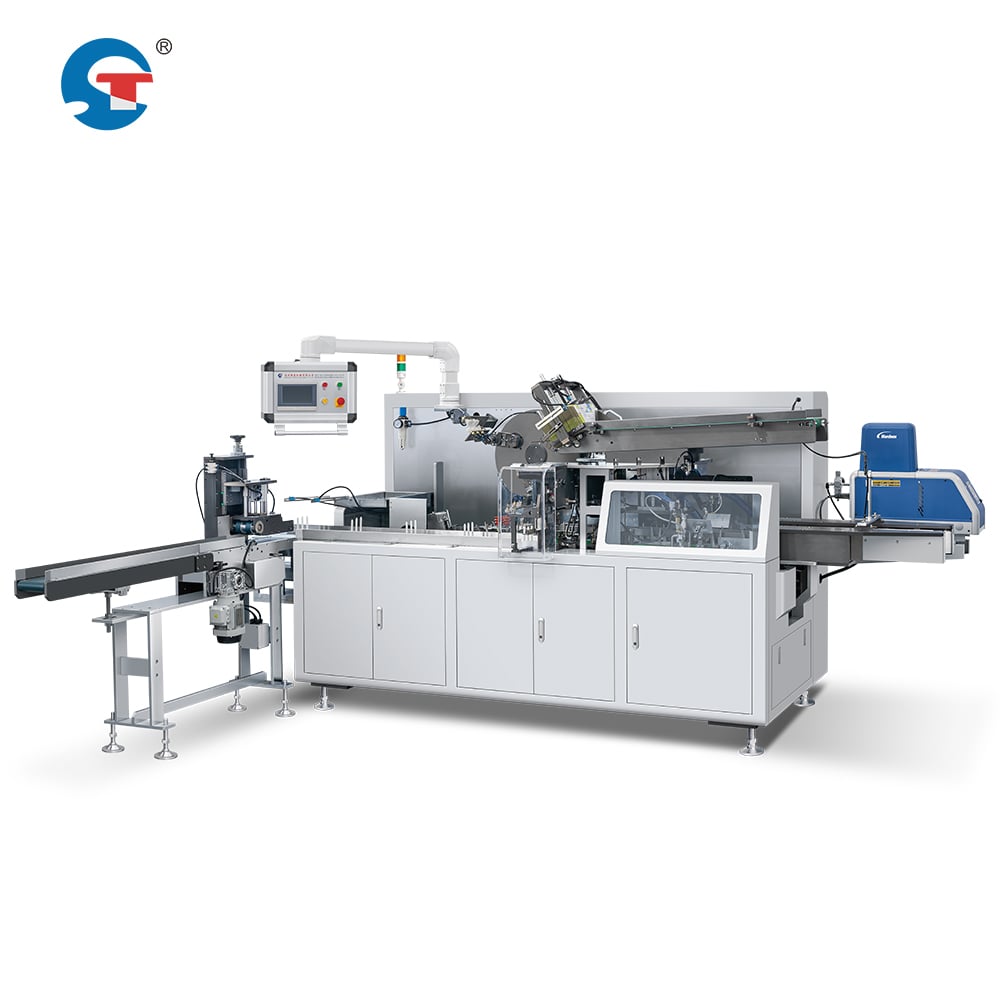
In modern manufacturing, product protection directly correlates with profitability and brand reputation. When cartons are packed too aggressively or experience repeated acceleration and deceleration cycles, damage accumulates rapidly across production runs. Continuous motion systems resolve this by maintaining uniform speed throughout the entire cartoning cycle, preventing the sudden directional changes that cause breakage, denting, and spillage. Understanding how these machines function reveals why they have become essential in pharmaceutical, food, tissue, and cosmetic industries where product integrity cannot be compromised.
How Continuous Motion Technology Protects Products During Packing
Eliminating Shock and Impact Stress
The core advantage of continuous motion cartoning machine design lies in its elimination of mechanical shock. Traditional intermittent systems accelerate products rapidly, hold them momentarily in position, then decelerate sharply—a cycle that repeats dozens of times per minute at high speeds. Each acceleration and deceleration event creates kinetic energy that translates into impact forces on delicate items. Continuous motion cartoning machines instead move products smoothly through the entire cartoning sequence without jerking or stopping, reducing cumulative stress by up to 40 percent in typical production scenarios. This smoother workflow preserves product shape, prevents label shifting, and minimizes moisture loss in sensitive applications.
Maintaining Consistent Velocity Through Production Stages
Speed consistency is foundational to damage prevention in automatic carton packing speed specifications. A continuous motion cartoning machine maintains precise, unwavering velocity as products transition from infeed through erection, filling, and sealing stages. This constant speed eliminates the micro-pauses that cause products to shift within cartons and collide with internal surfaces. When automatic carton packing speed specifications remain steady, foam cushioning stays properly positioned, fragile contents like tablets or glass vials experience minimal jostling, and dimensional accuracy in the final package improves. The result is both reduced damage and higher first-pass quality rates that lower waste and rework costs.
Advanced Features That Minimize Product Damage
Precision Servo Control and Motion Profiling
Modern continuous motion cartoning machine systems employ servo-driven mechanisms that provide real-time motion profiling and adjustment. This technology ensures that even during phase transitions—such as moving from carton erection to product filling—the motion curve remains smooth and controlled. Servo control in high-speed product case erection and sealing processes allows operators to fine-tune acceleration and deceleration parameters to match specific product fragility requirements. Whether packing delicate pharmaceutical blister packs or heavier industrial items, the machine adapts its motion profile to minimize shock, demonstrating the versatility required for modern, multi-product manufacturing environments.
Integrated Damping and Cushioning Systems
Beyond motion control, continuous motion cartoning machine designs incorporate integrated damping mechanisms that absorb residual vibration before it reaches products. Strategic placement of elastomeric buffers at key contact points—such as where products enter cartons or where sealing rollers engage—further reduces impact transmission. These damping systems work synergistically with continuous motion to create a protective envelope around each product throughout the cartoning cycle. Combined with proper automatic carton packing speed specifications tuned to product type, these cushioning features can reduce observable damage by 60 to 80 percent compared to conventional intermittent systems, directly translating to lower reject rates and improved customer satisfaction.
Cartoning Machine Maintenance and Troubleshooting for Sustained Protection
Regular Maintenance Protocols That Preserve Motion Quality
Sustaining the damage-prevention benefits of a continuous motion cartoning machine requires disciplined cartoning machine maintenance and troubleshooting routines. Key maintenance tasks include regular inspection and lubrication of all servo drive components, belt tension verification, and alignment checks on drive shafts and coupling mechanisms. Worn bearings or misaligned pulleys introduce vibration that undermines the smooth motion profile, gradually increasing product damage even if the machine runs at proper speed. Scheduled preventive maintenance—ideally performed weekly on high-speed lines—eliminates slack in mechanical systems and ensures servo response remains crisp and accurate. Documentation of these activities provides baseline data that helps technicians identify degradation trends before they impact production quality.
Troubleshooting Intermittent Product Damage Issues
When damage suddenly increases despite stable operating parameters, systematic cartoning machine maintenance and troubleshooting becomes essential. First, technicians inspect motion profiles using built-in diagnostic displays to verify that continuous motion is truly continuous and not interrupted by sensor faults or control glitches. Common culprits include misaligned photo-eye sensors that trigger false product stops, accumulation of debris on drive belts, or gradual loss of servo calibration. High-speed product case erection and sealing systems are particularly sensitive to timing errors; even 10 milliseconds of unexpected pause can cause carton misalignment and subsequent product collision. Advanced machines offer real-time motion logging that reveals exact timing of any acceleration anomalies, enabling rapid root cause identification and correction. Prompt resolution restores damage prevention performance and prevents compounding product loss.
FAQ
Why do continuous motion cartoning machines reduce damage better than intermittent systems?
Continuous motion cartoning machines eliminate the repeated stop-start cycles that generate impact stress. By maintaining steady velocity throughout the cartoning process, products experience minimal shock and directional changes. Intermittent systems, by contrast, accelerate and decelerate dozens of times per minute, creating cumulative kinetic forces that cause cracking, denting, spillage, and product deterioration. This fundamental difference in motion profile directly translates to 40 to 60 percent reductions in observable damage across most product categories.
What automatic carton packing speed specifications should I use to minimize damage on my production line?
Optimal automatic carton packing speed specifications depend on product fragility, carton dimensions, and filling method. A qualified equipment supplier should recommend specific speed parameters during system commissioning based on your product profile. Generally, maintaining steady speed between 60 and 120 cartons per minute offers a reliable balance between throughput and damage reduction for most applications. Servo systems allow real-time speed adjustment; if damage increases, reducing speed by 10 to 15 percent often resolves the issue without requiring mechanical modifications.
How often should cartoning machine maintenance and troubleshooting occur to ensure damage prevention remains effective?
Preventive cartoning machine maintenance and troubleshooting should occur weekly on high-speed production lines, with deeper inspections monthly. Daily visual checks for belt alignment, servo indicator lights, and unusual vibration help catch emerging issues before they compromise motion smoothness. Many manufacturers schedule quarterly professional service to recalibrate servo drives, replace worn components, and verify motion profiles remain within specification. This regular attention maintains the motion consistency that is fundamental to continuous motion cartoning machine damage prevention performance.
Table of Contents
- How Continuous Motion Technology Protects Products During Packing
- Advanced Features That Minimize Product Damage
- Cartoning Machine Maintenance and Troubleshooting for Sustained Protection
-
FAQ
- Why do continuous motion cartoning machines reduce damage better than intermittent systems?
- What automatic carton packing speed specifications should I use to minimize damage on my production line?
- How often should cartoning machine maintenance and troubleshooting occur to ensure damage prevention remains effective?