
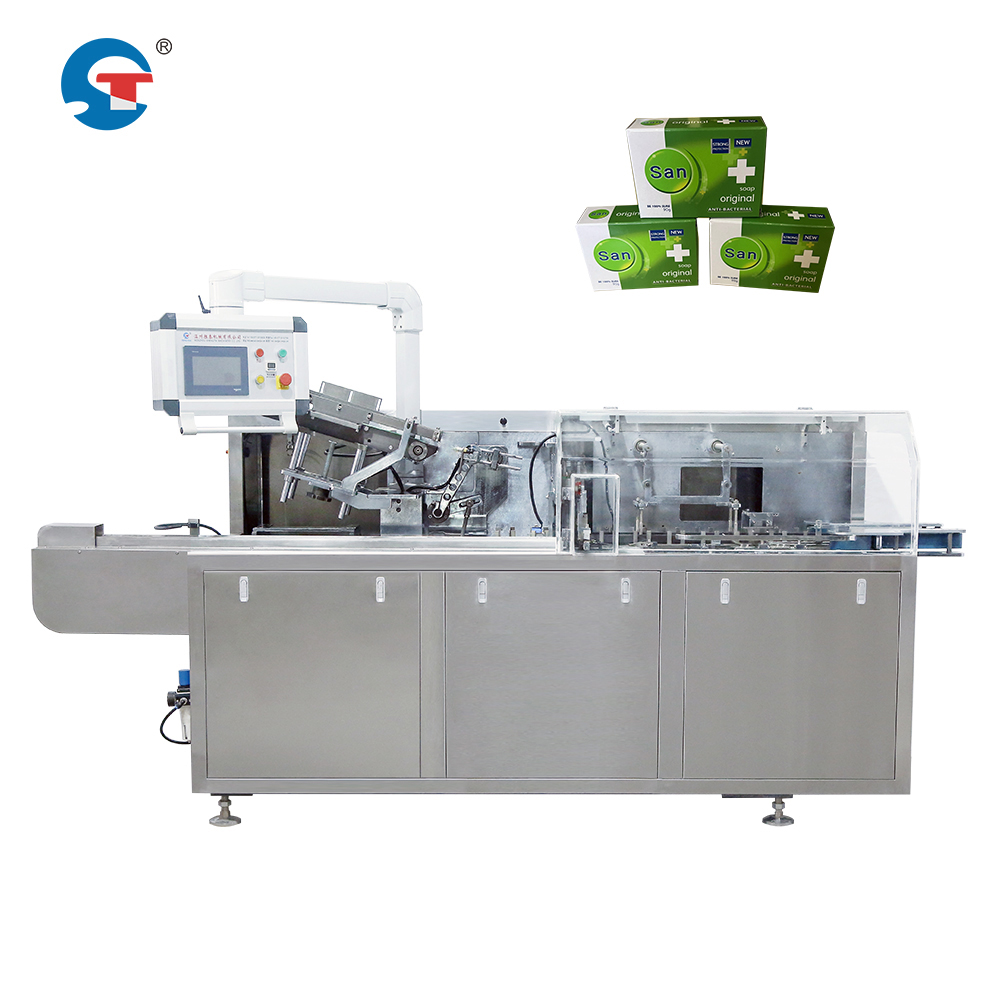
Large scale soap manufacturing demands precision, speed, and consistency at every production stage. A soap cartoning machine has become essential infrastructure for manufacturers seeking to streamline packaging operations and meet increasing market demands. This specialized equipment automates the critical final stages of soap production, transforming manual labor-intensive processes into efficient, high-volume operations that reduce costs and improve product quality.
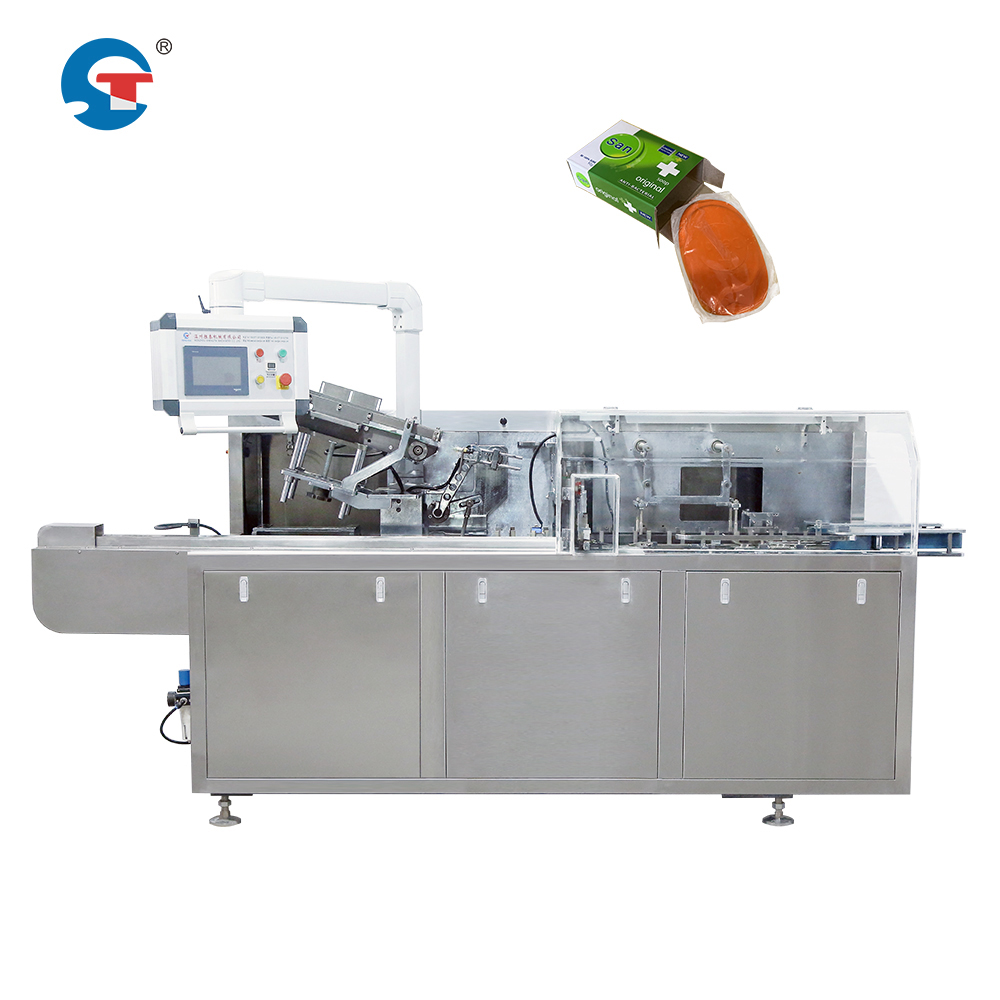
The integration of automatic soap packaging equipment into manufacturing workflows represents a fundamental shift toward Industry 4.0 standards. Modern soap cartoning systems handle everything from box formation and product placement to closure and labeling, all within a single integrated platform. This comprehensive approach eliminates bottlenecks, reduces human error, and ensures uniform packaging quality across every batch, regardless of production volume or soap formulation variations.
Understanding Soap Cartoning Machine Capabilities
Core Functions of Automatic Soap Packaging Equipment
Automatic soap packaging equipment encompasses far more than simple box sealing. A modern carton sealing machine for soap production orchestrates multiple synchronized operations simultaneously. These systems intake flat cardboard blanks, fold and glue them into finished cartons, position soap bars with precision, close cartons, and apply sealing tape or adhesive closure methods. The machinery operates continuously, processing hundreds or thousands of units per hour depending on configuration and product specifications.
The soap box filling and closing system achieves this throughput through modular design and synchronized servo motors. Each module handles a specific function, yet all components communicate through central control systems. Infeed conveyors deliver packaged soap to the cartoning station, positioning sensors ensure accurate placement, and automated closing mechanisms seal each carton before final discharge. This orchestration eliminates gaps between production steps that typically slow manual packaging operations.
Precision and Consistency Benefits
Manufacturers using a carton sealing machine for soap production report dramatically improved packaging consistency compared to manual methods. Machine vision systems verify product presence, positioning accuracy, and carton closure integrity in real time. These verification steps catch defects immediately, preventing improperly packaged items from entering distribution channels. The result is significantly reduced returns, warranty claims, and brand reputation damage associated with packaging failures.
Optimization Strategies for Large Scale Production
Throughput Acceleration and Capacity Planning
Large scale soap manufacturing success depends on matching packaging capacity to production volume projections. The soap cartoning machine must process output from multiple soap production lines without creating bottlenecks. Modern automatic soap packaging equipment can handle 60 to 150 cartons per minute depending on product dimensions and cartoning complexity. Manufacturers must calculate precise capacity requirements, accounting for packaging format variety, seasonal demand fluctuations, and planned maintenance windows.
Optimizing throughput extends beyond machine speed ratings. Equipment changeover time between product variants directly impacts overall efficiency. A soap box filling and closing system designed with quick-change mechanisms reduces downtime from hours to minutes when switching between different soap sizes or carton formats. Manufacturers leveraging this capability maintain production flexibility while minimizing idle time and associated cost penalties.
Cost Reduction and Labor Efficiency
Deploying a soap cartoning machine reduces direct labor costs substantially while addressing workforce scarcity challenges affecting many manufacturing regions. Traditional manual packaging requires trained personnel performing repetitive motions for entire shifts, leading to fatigue, errors, and turnover. Automatic soap packaging equipment eliminates these manual tasks entirely, allowing operators to monitor multiple production lines simultaneously. This labor reallocation increases overall facility productivity without proportional staffing increases.
Material waste reduction represents another significant cost optimization area. A carton sealing machine for soap production minimizes damaged cartons through precision handling, reduces product spillage through accurate dispensing, and optimizes material consumption through engineered feeding systems. These efficiency gains compound across millions of packaged units annually, creating substantial bottom-line impact for large scale manufacturers.
Implementation and Integration Considerations
System Integration and Production Line Compatibility
Successfully implementing a soap cartoning machine requires careful planning regarding integration points with existing production infrastructure. Modern automatic soap packaging equipment connects directly to upstream soap forming, cutting, and curing lines through conveyor systems and synchronized control logic. The cartoning station must receive products at consistent intervals, requiring alignment with upstream equipment speeds and accumulation buffer capacity.
Digital integration represents a critical modern requirement. Advanced soap box filling and closing systems communicate with enterprise resource planning systems, production management software, and quality tracking platforms. This connectivity enables real-time production visibility, predictive maintenance scheduling, and data-driven optimization of packaging parameters. Manufacturers gain complete traceability from soap production through final packaging, meeting regulatory requirements and supporting product recall protocols when necessary.
Maintenance and Long-Term Reliability
A soap cartoning machine represents substantial capital investment, making long-term reliability and serviceability essential considerations. Modern equipment utilizes standardized components, modular design principles, and predictive maintenance capabilities to minimize unplanned downtime. Regular preventive maintenance schedules, spare parts availability, and technical support access directly impact total cost of ownership over the equipment's operational lifetime.
Manufacturers should evaluate vendor support infrastructure, training programs, and documentation quality when selecting automatic soap packaging equipment. Systems designed for operator diagnostics, self-testing capabilities, and remote troubleshooting reduce repair cycle times and associated production losses. This evaluation process often determines whether equipment investments deliver expected financial returns or become costly production constraints.
FAQ
What production volumes justify investing in a soap cartoning machine?
Most manufacturers find carton sealing machine for soap production economically justified at production volumes exceeding 500,000 units annually. At this scale, labor cost savings, reduced material waste, and improved packaging quality typically deliver payback within 18-24 months. Smaller producers may benefit through contract packaging arrangements rather than internal equipment ownership.
How does automatic soap packaging equipment handle different soap sizes?
Modern soap box filling and closing systems incorporate adjustable product guides, flexible forming stations, and programmable positioning logic. Operators can reconfigure the soap cartoning machine for different soap dimensions through mechanical adjustments and control software parameter changes, typically requiring 15-45 minutes per changeover. This flexibility enables efficient multi-product manufacturing without substantial downtime penalties.
What quality assurance features should manufacturers prioritize in automatic soap packaging equipment?
Essential quality features include machine vision systems verifying product presence and correct positioning, weight sensors confirming proper carton fill, seal integrity verification systems, and real-time production reporting. These capabilities ensure a carton sealing machine for soap production maintains consistent quality throughout production runs while providing data supporting continuous improvement initiatives.