
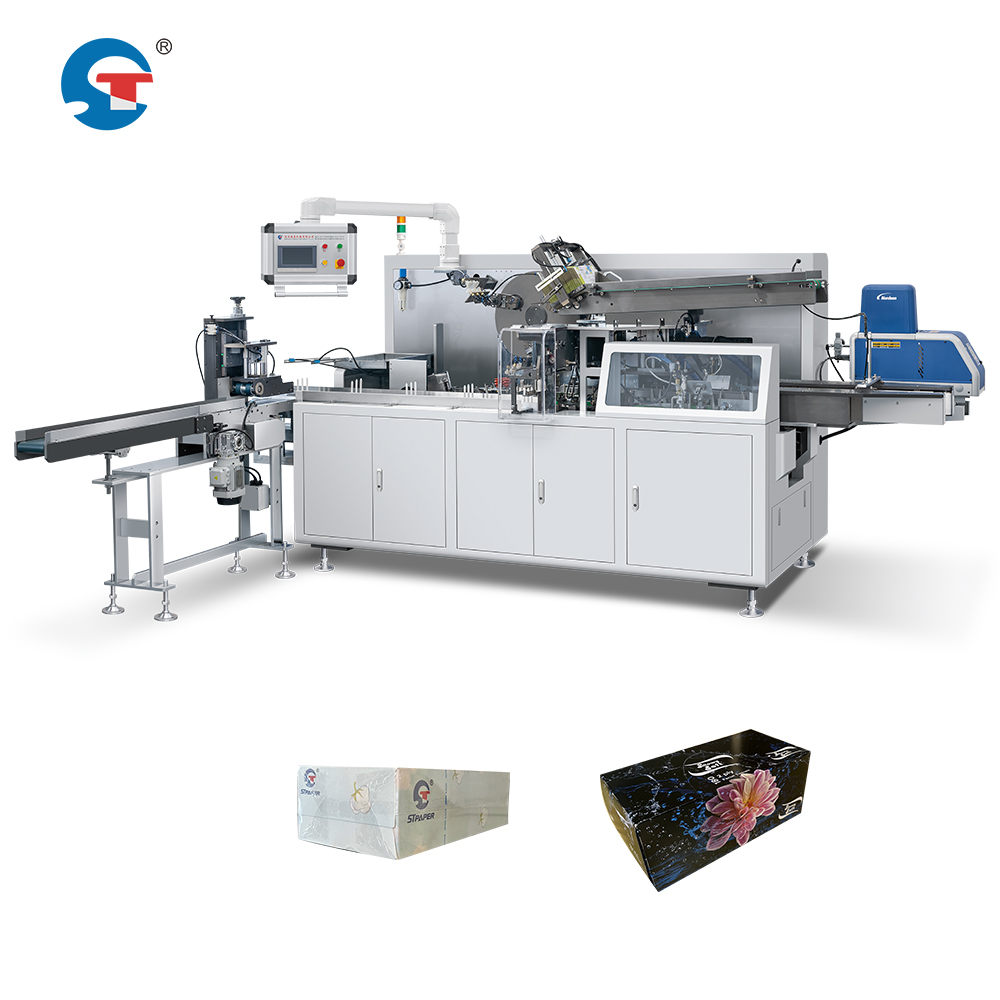
When evaluating a high speed cartoning machine factory, industrial buyers face a critical decision: which technological capabilities truly matter for their production demands? A high speed cartoning machine factory must deliver far more than basic automation. The machinery requires precision engineering, real-time quality control, modular design flexibility, and seamless integration with upstream and downstream processes. Understanding the essential technologies that distinguish leading manufacturers from basic equipment suppliers is fundamental to achieving operational excellence and long-term profitability.
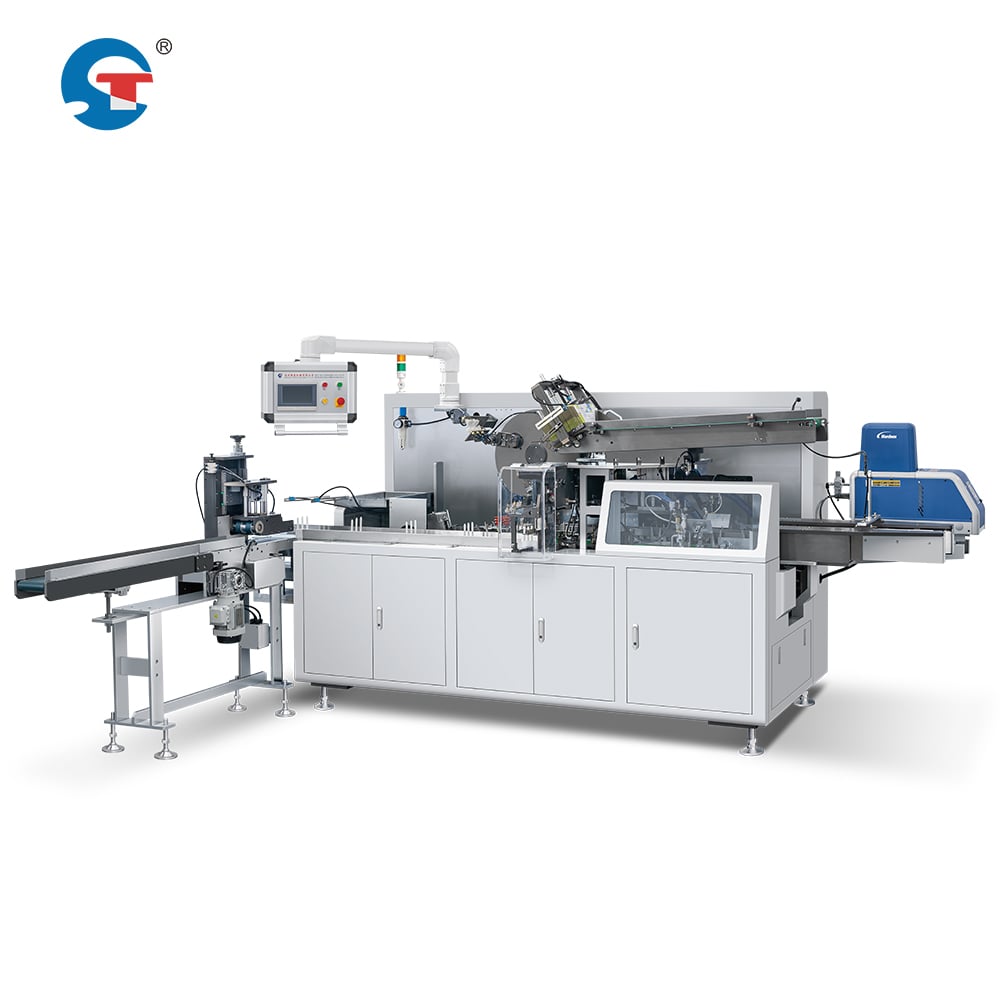
Today's competitive market demands that any high speed cartoning machine factory employ advanced automation, sophisticated control systems, and innovative materials handling solutions. The automatic cartoning machine specifications provided by serious manufacturers extend well beyond speed ratings to encompass precision indexing, product sensing, fault detection, and adaptive performance tuning. Cartoning machine production capacity requirements have intensified significantly across industries such as pharmaceuticals, personal care, food, and consumer goods, compelling factories to innovate continuously or face obsolescence.
Core Automation and Control Technologies
Precision Motion Control Systems
High speed cartoning equipment demands servo-driven precision at every stage. Automatic cartoning machine specifications must include synchronized servo motors that manage carton feeding, product loading, and flap closure with microsecond-level timing. A reputable high speed cartoning machine factory integrates variable frequency drives and programmable logic controllers that communicate in real time to adjust speed based on product dimensions and material properties. This technology prevents jams, reduces downtime, and maintains consistent cycle times across production shifts.
Vision-guided positioning systems are equally critical. Cartoning machine production capacity requirements cannot be met without cameras and optical sensors that verify product placement before sealing occurs. Leading high speed cartoning machine factory operations employ machine vision to detect defects, ensure proper carton orientation, and validate labeling accuracy. These systems feed data back to control modules, enabling predictive adjustments that minimize reject rates and maximize throughput.
Intelligent Fault Detection and Recovery
Modern automatic cartoning machine specifications must include comprehensive diagnostic capabilities that identify production bottlenecks before they halt the line. A sophisticated high speed cartoning machine factory implements dual-level redundancy in critical sensors, automatic error logging, and self-healing protocols that recover from minor misalignments without human intervention. Pressure sensors, proximity switches, and load cells continuously monitor equipment health and alert operators to emerging issues before they cause material waste or safety hazards.
Advanced Material and Product Handling
Adaptive Feeding and Positioning Technologies
Cartoning machine production capacity requirements drive demand for highly flexible infeed systems. The high speed cartoning machine factory must offer multiple carton size configurations without requiring mechanical tool changes or extensive recalibration. Modern equipment uses vacuum-based systems, air-jet positioning, and gentle product conveyance that handles fragile items, irregular shapes, and lightweight materials without damage. Automatic cartoning machine specifications now typically include toolless changeover mechanisms that reduce setup time from hours to minutes, dramatically improving equipment utilization across diverse product portfolios.
Product singulation and separation technologies represent another critical advancement. A high speed cartoning machine factory invests in gentle de-stacking systems that use pneumatic impulses, magnetic carriers, or specialized tapes to separate items precisely without compression or scratching. Cartoning equipment supplier selection guide considerations should emphasize technology that preserves product integrity while maintaining the high throughput rates that justify the capital investment.
Customized Sealing and Closure Solutions
Different products require different sealing approaches, and leading manufacturers offer automated closure technologies that range from standard tape application to specialized folding and adhesive dispensing. The high speed cartoning machine factory employs hot-melt systems, cold-glue applicators, and dual-flap folder mechanisms tailored to specific carton geometries and product weights. Automatic cartoning machine specifications should address sealing force uniformity, consistency validation through torque measurement, and rapid technology changeover capabilities.
Systems Integration and Operational Intelligence
Real-Time Production Monitoring and Analytics
Cartoning machine production capacity requirements in today's data-driven environment extend to comprehensive performance analytics. A high speed cartoning machine factory must provide integrated software dashboards that track cycle times, downtime events, quality metrics, and energy consumption in real time. These systems collect data from every equipment phase and generate actionable insights that help facility managers optimize staffing, identify maintenance windows, and benchmark performance against industry standards.
Integration with manufacturing execution systems and enterprise resource planning platforms is now standard among leading automatic cartoning machine suppliers. Automatic cartoning machine specifications should include secure data connectivity, cloud-based reporting options, and compatibility with Industry 4.0 protocols. This interoperability allows cartoning equipment supplier selection guide users to coordinate production scheduling, inventory management, and quality assurance across multiple facilities.
Modular Design and Scalability
Future-proof technology architecture matters enormously. The high speed cartoning machine factory must design equipment with modular components that allow capacity upgrades without replacing the entire system. Automatic cartoning machine specifications should clearly define which modules can be swapped, upgraded, or supplemented to meet evolving cartoning machine production capacity requirements. Scalable pneumatic, electrical, and software architectures enable manufacturers to grow production without stranding previous investments.
FAQ
What automatic cartoning machine specifications matter most for pharmaceutical applications?
Pharmaceutical manufacturers prioritize contamination prevention, traceability, and regulatory compliance above raw speed. The automatic cartoning machine specifications must include cleanroom-compatible materials, full product tracking via serialization, and comprehensive audit trails for every production event. Vision systems that verify product count and integrity before sealing are essential, and the equipment must demonstrate compatibility with serialization and track-and-trace technologies mandated by regulatory authorities.
How do cartoning machine production capacity requirements differ across industries?
Food and beverage manufacturers often prioritize throughput and hygiene, demanding cartoning machine production capacity requirements that minimize contamination risks while achieving 200+ boxes per minute. Personal care and cosmetics producers emphasize product presentation and damage prevention, requiring gentler handling despite moderate speed requirements. Pharmaceutical applications balance speed with extreme precision and documentation rigor, while e-commerce fulfillment centers demand extreme flexibility to handle diverse SKUs. A high speed cartoning machine factory must offer configurable equipment that adapts to these distinct priorities rather than forcing customers into one-size-fits-all solutions.
What should be included in a cartoning equipment supplier selection guide evaluation?
A comprehensive cartoning equipment supplier selection guide should assess the manufacturer's track record with your specific product category, technical support infrastructure, spare parts availability, software update roadmap, and customization capabilities. Beyond initial technology specifications, evaluate their willingness to conduct on-site trials, provide comprehensive training, and establish service level agreements with defined response times. References from similar industries and transparent communication about realistic timelines and costs distinguish reputable high speed cartoning machine factory operators from vendors making inflated promises.