
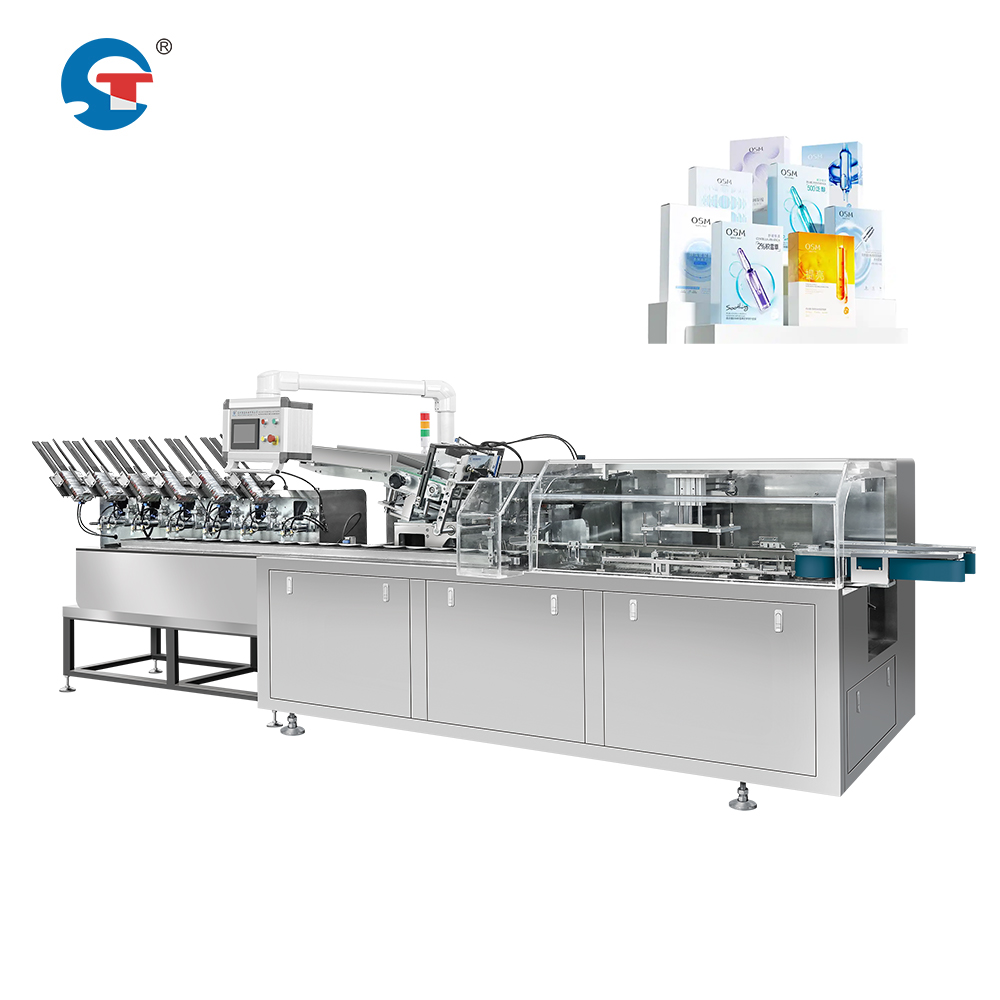
Manufacturers across the personal care and chemical industries face mounting pressure to increase production efficiency while maintaining consistent quality and cost control. The daily chemical packaging machine has emerged as a critical solution for large-scale operations seeking to streamline their production workflows. These advanced systems represent a fundamental shift in how companies approach packaging automation, enabling them to meet growing market demand without sacrificing operational reliability or product integrity.
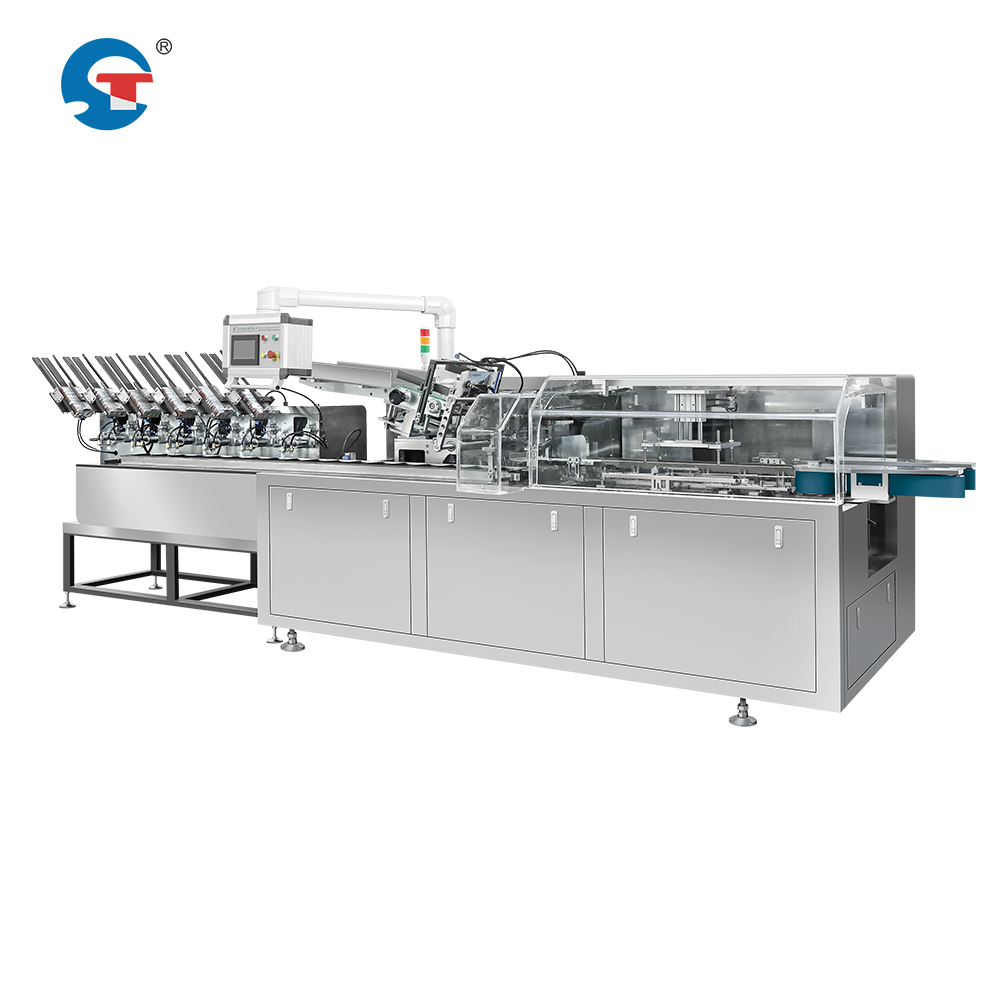
The adoption of modern packaging automation technologies reflects a strategic business decision rather than merely a technical upgrade. Manufacturers recognize that investing in reliable automated liquid packaging equipment directly impacts their bottom line through reduced labor expenses, minimized product waste, and accelerated throughput. Understanding the key drivers behind this technology shift provides valuable insight into why industrial facilities of all sizes are prioritizing packaging automation in their capital budgets.
Operational Efficiency and Production Scalability
Maximizing Throughput with Automated Solutions
Production capacity stands as one of the most compelling reasons manufacturers choose advanced packaging systems. Automated liquid packaging equipment can process significantly more units per hour compared to manual or semi-automated alternatives, directly translating to higher revenue potential and improved return on investment. For companies experiencing seasonal demand spikes or sudden market opportunities, this scalability proves invaluable in meeting customer commitments without the burden of hiring temporary staff or operating expensive overtime shifts.
The consistency that cosmetic bottle filling solutions provide further reinforces their operational advantage. Modern machines maintain precise fill volumes, cap torques, and labeling alignment across every single unit produced, eliminating human error and the costly quality issues that result from variable manual handling. This reliability enables manufacturers to commit to strict delivery schedules and build stronger relationships with retail partners and end customers.
Reducing Labor Dependency and Operational Risk
Labor shortages have become a persistent challenge in manufacturing sectors worldwide, making it increasingly difficult for companies to maintain adequate staffing levels for manual packaging operations. Industrial detergent packaging systems and similar automated solutions reduce this dependency by enabling fewer operators to oversee larger production volumes. This shift not only addresses recruitment challenges but also improves workplace safety by removing employees from repetitive, physically demanding tasks that cause long-term injury and health complications.
Beyond immediate operational benefits, reduced labor intensity provides manufacturers with greater flexibility during market slowdowns. When demand fluctuates, companies can scale production downward without maintaining large staffing overheads, protecting profitability during uncertain economic periods. This financial resilience has become increasingly important as manufacturers navigate volatile market conditions.
Quality Assurance and Regulatory Compliance
Ensuring Consistent Product Quality
Quality consistency represents a non-negotiable requirement in the daily chemical and personal care industries, where regulatory bodies impose strict standards on fill accuracy, ingredient labeling, and product safety. A daily chemical packaging machine engineered to meet these demands delivers measurable advantages that manual processes cannot replicate. Each unit receives identical fill volumes, proper sealing, and accurate labeling, creating an audit trail that demonstrates compliance throughout production runs.
Cosmetic bottle filling solutions equipped with real-time monitoring capabilities detect anomalies immediately, preventing defective units from reaching customers. Integrated vision systems verify label placement, check for missing caps, and identify container defects before products move to warehousing. This proactive quality control dramatically reduces product recalls, protects brand reputation, and eliminates costly customer service interruptions.
Meeting Regulatory Requirements Seamlessly
Regulatory agencies throughout North America, Europe, and Asia-Pacific regions enforce increasingly rigorous standards for personal care and chemical product packaging. Modern automated liquid packaging equipment incorporates features specifically designed to facilitate compliance, including comprehensive production data logging, ingredient traceability systems, and tamper-evident packaging options. Manufacturers using these systems generate automatically documented evidence that products were manufactured under controlled, validated conditions.
This built-in compliance capability significantly reduces the burden on quality assurance departments, which no longer need to manually track and verify every production parameter. Industrial detergent packaging systems can interface directly with enterprise resource planning software, creating seamless connections between production, inventory management, and regulatory reporting systems. This integration streamlines audits and inspections, positioning manufacturers as responsible corporate actors within their industries.
Cost Efficiency and Return on Investment
Calculating Total Cost of Ownership
While the capital investment in a daily chemical packaging machine represents a significant expense, the long-term cost structure clearly justifies this investment when examined across the machine lifetime. Automated liquid packaging equipment typically reduces per-unit packaging costs by thirty to fifty percent compared to manual alternatives through reduced labor requirements, material waste prevention, and optimized product utilization. Over five to ten years of operation, these savings accumulate to substantially exceed the initial equipment purchase price.
Energy efficiency built into modern cosmetic bottle filling solutions further enhances financial performance. These systems employ advanced servo motors, optimized air compression systems, and intelligent control algorithms that minimize electricity consumption during production. Some manufacturers report energy cost reductions of twenty percent or more simply by upgrading to contemporary equipment, creating additional margin improvement beyond labor savings.
Reducing Material Waste and Maximizing Resource Utilization
Product spillage and contamination during packaging represent hidden costs that significantly impact profitability but often escape notice during budget planning. Industrial detergent packaging systems with precision fill mechanisms and sealed environments reduce product loss dramatically, translating waste reduction directly to improved gross margins. For premium products with high ingredient costs, even modest waste reduction provides substantial financial returns.
Packaging material waste also benefits from automation precision. Accurate labeling, proper cap application, and controlled fill volumes mean fewer rejected units and reduced secondary packaging material consumption. Manufacturers report that recycled material waste decreases substantially after equipment upgrades, improving environmental performance while generating measurable cost savings. This combination of financial and sustainability benefits makes modern packaging automation an increasingly strategic priority for forward-thinking companies.
FAQ
What makes automated liquid packaging equipment superior to manual packaging processes?
Automated liquid packaging equipment delivers consistent quality, higher production speeds, improved safety, and reduced operating costs compared to manual processes. Machines maintain precise fill volumes and proper sealing every single time, eliminate human error, and enable operators to manage larger production volumes with smaller teams. The reliability and repeatability of automation translate directly to better profitability and stronger customer satisfaction.
How does a daily chemical packaging machine ensure regulatory compliance?
Modern daily chemical packaging machines incorporate comprehensive data logging, real-time monitoring, vision systems for quality verification, and integration with enterprise systems. These features automatically document production parameters, ingredient usage, and quality checks, creating compliance evidence that meets regulatory requirements. Manufacturers can generate audit-ready reports demonstrating that products were manufactured under controlled, validated conditions.
What return on investment timeline should manufacturers expect from cosmetic bottle filling solutions?
Most manufacturers achieve positive return on investment within three to five years through reduced labor costs, decreased material waste, improved production efficiency, and energy savings. The exact timeline depends on production volume, product value, labor costs in the operating region, and the specific equipment configuration. Higher-volume operations and premium products typically generate faster payback periods and ultimately deliver more substantial financial benefits.