
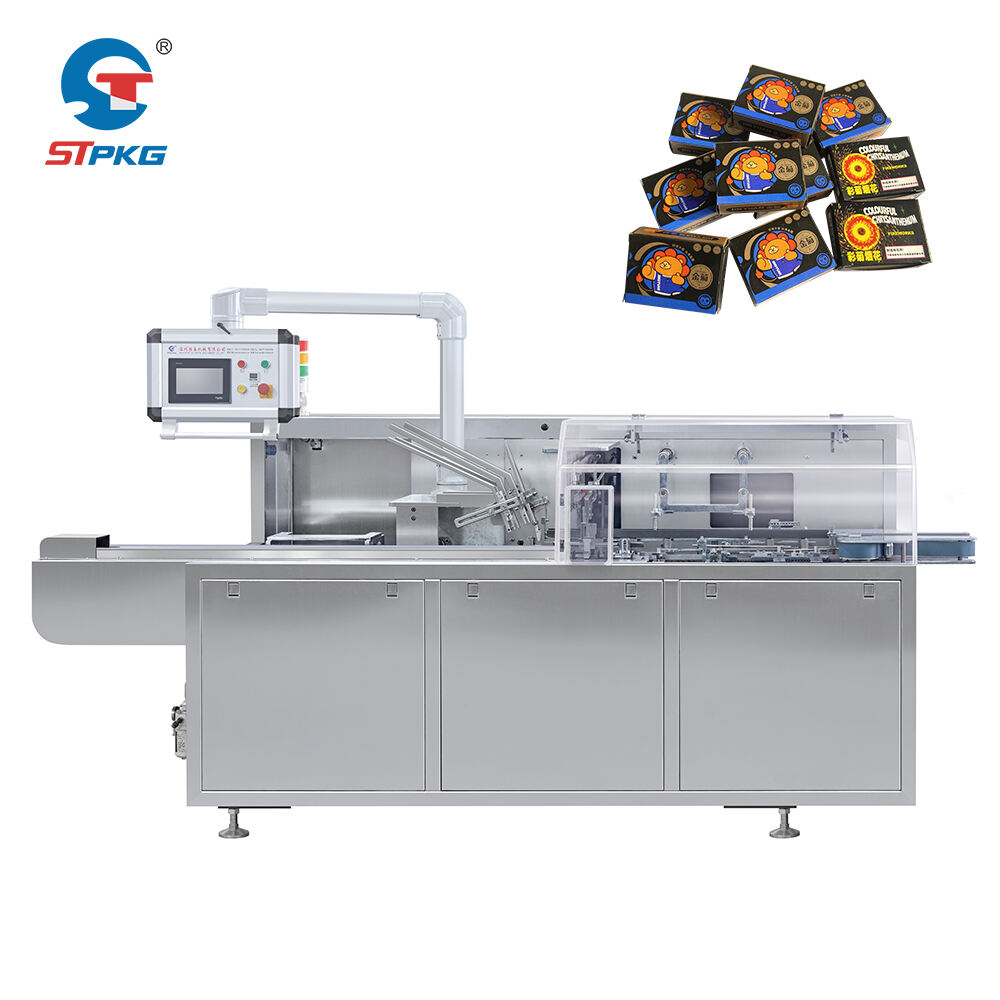
Food processing plants worldwide face mounting pressure to increase production efficiency, maintain stringent hygiene standards, and reduce operational costs while meeting evolving consumer demands. Within this challenging landscape, vertical packaging machine lines have emerged as the dominant packaging solution across bakery operations, snack food facilities, frozen food production, and confectionery manufacturing. The preference for vertical packaging machine configurations stems from their unique ability to address multiple operational bottlenecks simultaneously—from space optimization and throughput acceleration to contamination control and labor cost reduction. Understanding why these systems have become the industry standard requires examining the specific operational advantages they deliver in high-volume food production environments.
The gravitational advantage inherent in vertical packaging machine design creates operational efficiencies that horizontal systems cannot replicate. By positioning product feeding mechanisms above the sealing stations, these machines leverage natural downward flow to maintain consistent fill weights, reduce product damage, and accelerate packaging cycles. This fundamental design principle explains why facilities processing everything from potato chips to pasta have systematically transitioned to vertical configurations. The question facing plant managers and production engineers is not whether to adopt vertical packaging technology, but rather how to maximize the specific advantages these systems offer within their unique production contexts. This article explores the concrete operational, economic, and quality-related reasons driving the widespread preference for vertical packaging machine lines in modern food processing facilities.
Operational Efficiency Advantages Driving Adoption
Space Optimization in Constrained Production Environments
Food processing plants typically operate under severe space constraints, with production floor real estate representing a significant fixed cost. The vertical packaging machine footprint offers a compelling solution to this challenge by consolidating multiple packaging functions into a compact vertical arrangement. Unlike horizontal systems that require extensive linear floor space for product conveyance and sealing mechanisms, vertical configurations stack functional components vertically, reducing the horizontal footprint by as much as forty to sixty percent. This space efficiency becomes particularly valuable in facilities processing multiple product lines, where floor space allocation directly impacts production flexibility and changeover efficiency.
The vertical orientation allows plant managers to position these systems in production areas previously considered unsuitable for packaging operations. High-ceiling warehouse spaces, mezzanine levels, and narrow processing corridors become viable packaging zones when utilizing vertical packaging machine designs. This flexibility in spatial deployment enables facilities to maintain dedicated packaging lines for different product categories without requiring facility expansion or major layout reconfiguration. In brownfield facility upgrades, where structural constraints limit equipment options, the compact vertical design often represents the only feasible path to capacity expansion without construction investments.
Throughput Enhancement Through Gravitational Product Feeding
The gravitational feeding mechanism inherent in vertical packaging machine systems delivers consistent throughput advantages that directly impact production economics. Products descend through the forming tube under their own weight, eliminating the mechanical conveyance systems required in horizontal configurations. This gravity-assisted flow reduces mechanical complexity, minimizes product handling stress, and accelerates cycle times by eliminating the dwell periods associated with mechanical product transfer. For fragile food products like extruded snacks, baked goods, and breakfast cereals, the gentle gravitational descent prevents breakage that occurs with horizontal mechanical conveyance.
Modern vertical packaging machine lines equipped with servo-driven film advance systems achieve packaging speeds exceeding one hundred packages per minute for appropriate product types. The continuous film feed eliminates the start-stop cycles characteristic of horizontal intermittent motion systems, reducing mechanical wear and improving overall equipment effectiveness. In facilities operating multi-shift production schedules, this throughput advantage translates directly to increased daily output without proportional increases in labor or energy consumption. The combination of higher speeds and reduced downtime positions vertical systems as the preferred choice for high-volume production environments where packaging capacity directly determines facility profitability.
Labor Cost Reduction Through Automation Integration
The vertical packaging machine architecture facilitates automation integration in ways that horizontal systems cannot easily replicate. The elevated product hopper position allows seamless connection to upstream processing equipment through simple gravity chutes or pneumatic conveyance systems, eliminating manual product transfer labor. Automated weighing systems, metal detectors, and vision inspection equipment integrate naturally into the vertical product flow path without requiring complex mechanical interfaces or custom engineering. This plug-and-play automation capability reduces both initial installation costs and ongoing modification expenses as production requirements evolve.
In labor-constrained markets where food processing plants struggle to maintain adequate staffing levels, the reduced operator requirements of vertical packaging machine lines provide substantial competitive advantages. A single operator can typically monitor three to five vertical packaging machines simultaneously, whereas horizontal systems often require dedicated attention due to their increased manual loading requirements and more frequent jam conditions. The intuitive vertical product flow also simplifies operator training, reducing the skill premium required for packaging line personnel and improving workforce flexibility during shift scheduling and vacation coverage periods.
Hygiene and Food Safety Benefits in Regulated Environments
Reduced Contamination Risk Through Enclosed Design
Food safety regulations impose increasingly stringent contamination control requirements on processing facilities, making equipment design a critical factor in regulatory compliance. The vertical packaging machine configuration naturally supports enclosed product zones that minimize exposure to environmental contaminants. The vertical forming tube creates a continuous barrier between the product and the surrounding production environment from the moment product enters the system until the sealed package exits. This inherent contamination barrier reduces the need for costly clean room infrastructure and simplifies validation of critical control points required for HACCP compliance.
The enclosed vertical design also prevents product accumulation in dead spaces where bacterial growth could occur between sanitation cycles. Horizontal systems with their complex conveyor systems and multiple horizontal surfaces create numerous locations where product residue can collect and compromise food safety. The simple vertical path of a vertical packaging machine eliminates these problematic accumulation zones, reducing both the frequency and complexity of sanitation procedures. In facilities producing allergen-sensitive products, this simplified cleaning pathway becomes critical for preventing cross-contamination between production runs of different formulations.
Simplified Sanitation Protocols and Faster Changeovers
The vertical packaging machine design significantly reduces sanitation time requirements compared to horizontal alternatives. The open vertical structure allows sanitation personnel to access all product-contact surfaces without disassembling complex conveyor systems or accessing confined horizontal channels. Most vertical systems can be sanitized in thirty to forty-five minutes, whereas comparable horizontal systems may require two to three hours for equivalent cleaning thoroughness. This time savings translates directly to increased production availability, particularly in facilities operating multiple product changeovers per shift.
Regulatory auditors consistently cite vertical packaging systems as preferred configurations during facility inspections due to their observable cleanliness and accessible design. The ability to visually verify sanitation completeness without equipment disassembly reduces documentation burden and inspection risk. In facilities pursuing organic certification, kosher validation, or other specialized food safety credentials, the vertical packaging machine architecture simplifies the verification processes required for certification maintenance. The combination of faster sanitation cycles and more straightforward validation procedures reduces the total cost of regulatory compliance while improving production flexibility.
Material Compatibility and Barrier Film Performance
Vertical packaging machine systems excel at handling the advanced barrier films required for extended shelf-life food products. The vertical sealing orientation creates superior seal integrity compared to horizontal configurations, particularly with multi-layer laminated films incorporating oxygen barriers, moisture barriers, and aroma retention layers. The consistent film tension maintained throughout the vertical forming and sealing process produces uniform seal widths and consistent seal strength, reducing the package failure rates that lead to quality complaints and product recalls.
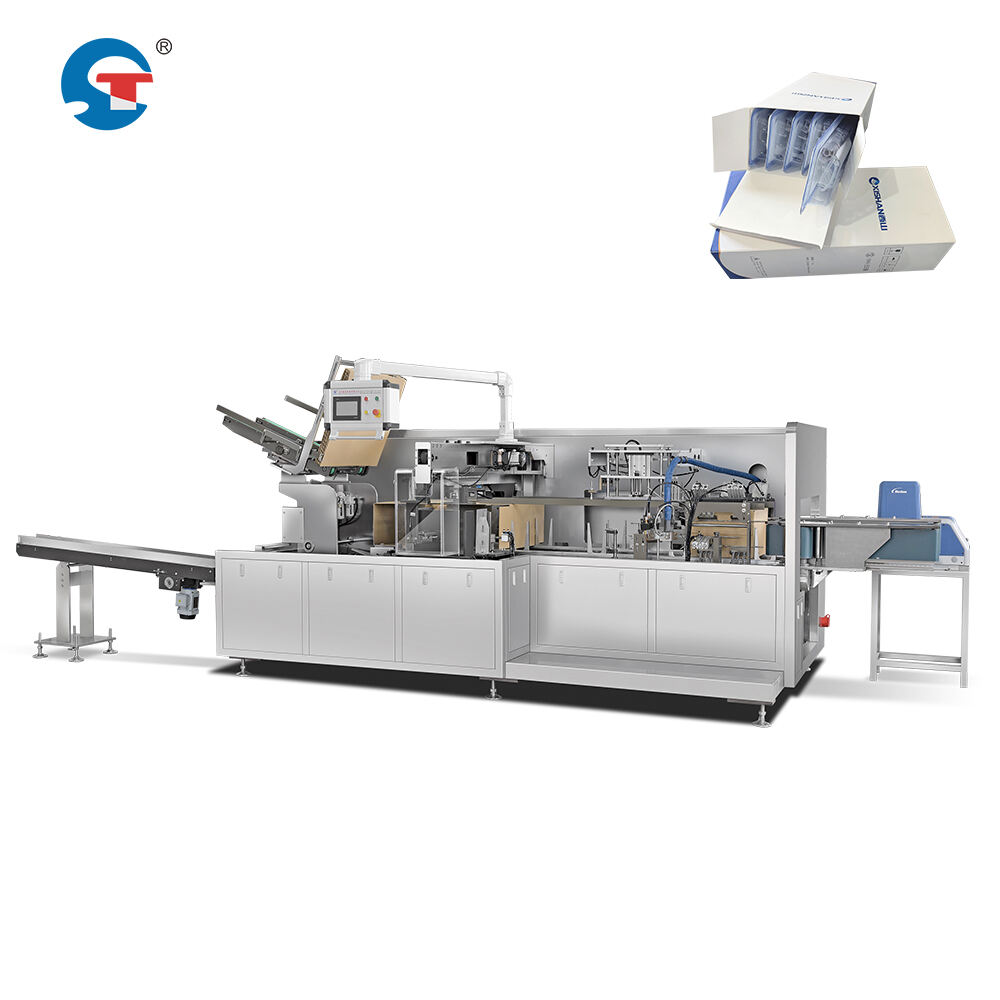
Modern food products increasingly require modified atmosphere packaging or vacuum sealing to achieve target shelf-life specifications. The vertical packaging machine design naturally accommodates gas flushing systems that displace oxygen before final sealing, creating the controlled atmosphere conditions required for sensitive products. The vertical orientation prevents product interference with gas flushing nozzles and ensures complete atmospheric displacement before seal formation. This capability has become essential for facilities producing premium snack foods, coffee products, and other oxygen-sensitive items where product quality deterioration directly impacts brand reputation and consumer acceptance.
Economic Justification and Return on Investment Factors
Lower Total Cost of Ownership Through Reduced Maintenance
The simplified mechanical architecture of vertical packaging machine systems delivers substantial maintenance cost advantages over the operational lifetime of the equipment. With fewer horizontal conveyors, transfer mechanisms, and product handling components, vertical systems contain approximately thirty to forty percent fewer moving parts than equivalent-capacity horizontal machines. This reduced mechanical complexity translates directly to lower spare parts inventory requirements, reduced maintenance labor hours, and extended intervals between major component replacements. Facilities operating multiple packaging lines realize cumulative maintenance savings that significantly impact overall production economics.
The vertical orientation also reduces wear on critical sealing components by eliminating the horizontal forces that accelerate seal jaw degradation in horizontal systems. Seal jaws in vertical packaging machine configurations experience primarily compressive forces during operation, extending their useful life by fifty to one hundred percent compared to horizontal seal mechanisms that must also resist lateral forces. This extended component life reduces both the frequency of production interruptions for seal jaw replacement and the annual expenditure on consumable sealing components. In high-volume facilities where packaging lines operate continuously, these maintenance advantages contribute substantially to the economic justification for vertical system selection.
Energy Efficiency and Utility Cost Reduction
The gravitational product feeding inherent in vertical packaging machine designs eliminates the mechanical conveyance energy required in horizontal systems. While individual motor power savings may appear modest, the cumulative energy reduction across multi-line facilities operating three shifts daily creates measurable utility cost advantages. Modern vertical systems equipped with servo motors and regenerative braking systems further enhance energy efficiency by recovering kinetic energy during film deceleration phases. These efficiency gains typically reduce packaging line energy consumption by fifteen to twenty-five percent compared to equivalent horizontal systems.
The reduced mechanical complexity of vertical packaging machine configurations also lowers compressed air consumption, a significant utility cost factor in food processing facilities. Horizontal systems often require pneumatic product guides, transfer assists, and conveyor tensioning systems that consume substantial compressed air volumes throughout operation. Vertical systems eliminate most of these pneumatic requirements, reducing compressor demand and the associated electrical consumption for air compression. In facilities where compressed air generation represents a capacity constraint, the reduced pneumatic requirements of vertical systems may eliminate the need for compressor capacity expansion, avoiding substantial capital expenditure.
Flexibility for Product Line Extensions and Format Changes
Food processing companies increasingly require packaging systems capable of handling multiple package sizes and product variations without extensive changeover procedures or dedicated equipment investments. The vertical packaging machine platform provides inherent flexibility for package format changes through simple forming tube exchanges and seal jaw adjustments. Most modern vertical systems accommodate package width variations of fifty percent or more and length variations exceeding one hundred percent using the same basic machine platform. This flexibility allows facilities to introduce new product sizes, test market limited editions, and respond to retailer-specific packaging requests without capital equipment investments.
The modular design architecture common in vertical packaging machine systems further enhances long-term flexibility by allowing incremental capability additions as business requirements evolve. Facilities can initially install basic vertical packaging configurations and subsequently add automated feeding systems, multi-head weighers, date coding equipment, and carton loading automation as production volumes justify the additional investment. This staged investment approach reduces initial capital requirements while preserving the option for future capability expansion. In contrast, horizontal systems typically require comprehensive initial specification, with limited practical options for subsequent capability enhancement without major equipment replacement.
Product Quality and Packaging Consistency Advantages
Fill Weight Accuracy and Portion Control
The vertical packaging machine design provides superior fill weight accuracy compared to horizontal alternatives, particularly for free-flowing food products. The gravitational product descent creates consistent product densification within the package, eliminating the air pocket formation and product settling issues common in horizontally filled packages. This consistent densification improves volumetric fill accuracy and reduces the standard deviation in target weight achievement. For facilities operating under strict weight verification requirements or selling products in weight-regulated markets, the improved accuracy of vertical packaging systems reduces product giveaway and the associated cost of overfilling to ensure regulatory compliance.
Modern vertical packaging machine lines equipped with integrated multi-head weighing systems achieve fill weight accuracies within plus-or-minus one gram for products weighing one hundred grams or more. This precision enables facilities to target fill weights closer to declared package weights without risk of underweight violations. The cumulative product savings from reduced giveaway typically recover the incremental cost of precision weighing systems within twelve to eighteen months of operation in high-volume production environments. Beyond the direct material cost savings, improved fill weight consistency enhances brand reputation by delivering uniform product quantity across all packages within a production batch.
Package Appearance and Seal Integrity
Consumer purchase decisions in competitive food categories are significantly influenced by package appearance, making seal consistency and film presentation critical quality factors. The vertical packaging machine sealing process produces visually superior packages with consistent seal widths, uniform film tension, and minimal wrinkle formation. The vertical film path naturally removes slack and maintains consistent tension throughout the forming and sealing process, creating packages with professional appearance that commands premium positioning on retail shelves. This appearance advantage becomes particularly important for products competing in premium market segments where packaging quality signals product quality.
The seal integrity achieved by vertical packaging machine systems also reduces the package failure rates that lead to product returns, consumer complaints, and brand damage. The consistent sealing pressure and temperature control enabled by modern servo-driven seal systems create hermetic seals that maintain integrity throughout distribution handling and shelf storage. Package seal failures represent a costly quality defect that impacts multiple stakeholders—consumers experience product disappointment, retailers face shelf presentation challenges, and manufacturers absorb direct replacement costs plus intangible brand damage. The superior seal performance of vertical systems provides insurance against these quality-related business risks.
Product Damage Minimization for Fragile Items
Food processors manufacturing delicate products like potato chips, extruded snacks, cookies, and crackers face ongoing challenges with product breakage during packaging operations. The gentle gravitational product flow characteristic of vertical packaging machine systems significantly reduces mechanical stress compared to horizontal conveyance and transfer mechanisms. Products descend through the forming tube at controlled velocities determined by product characteristics, eliminating the acceleration forces and directional changes that cause breakage in horizontal systems. This gentle handling preserves product integrity, reduces consumer complaints about broken products, and improves the visual appeal of packaged goods.
The vertical descent path also allows integration of cushioned landing systems and controlled product layering within packages. Modern vertical packaging machine designs incorporate adjustable product guides and air-assisted descent controls that further reduce impact forces as products enter the forming package. These refinements in vertical packaging technology have enabled successful packaging of increasingly delicate products that previously required manual packaging or specialized low-speed equipment. The ability to package fragile products at commercial production speeds using vertical packaging machine systems has opened new product development opportunities for food manufacturers while maintaining quality standards that protect brand reputation.
FAQ
What types of food products are best suited for vertical packaging machine lines?
Vertical packaging machine lines excel with free-flowing and granular food products including snack foods, cereals, coffee, nuts, dried fruits, candies, frozen vegetables, pasta, and bakery items. Products with consistent particle size and flow characteristics achieve optimal performance in vertical systems. The gravitational feeding mechanism works best with products that readily flow through the forming tube without bridging or clumping. While vertical systems can handle some sticky or clumping products with specialized hoppers and agitation systems, horizontal machines may be preferable for extremely sticky items like certain candy formulations or products requiring precise orientation control during packaging.
How do vertical packaging machines integrate with upstream processing equipment?
Vertical packaging machine systems integrate seamlessly with upstream processing equipment through bucket elevators, pneumatic conveyance systems, or gravity chutes that deliver product to the elevated hopper. Multi-head weighing systems mounted directly above the vertical former provide precise portion control for products requiring accurate fill weights. Metal detectors and vision inspection systems install easily in the vertical product flow path between the weigher and forming tube. This natural integration pathway reduces custom engineering requirements and allows standardized automation components to connect multiple equipment manufacturers' systems. Most vertical packaging lines can interface with upstream equipment using industry-standard control protocols, simplifying line coordination and recipe management.
What are the typical changeover times when switching between different package sizes?
Changeover times for vertical packaging machine systems vary based on the magnitude of size change and the sophistication of quick-change features incorporated in the equipment design. Simple length changes using the same film width typically require five to fifteen minutes for operator-performed adjustments to seal timing and film feed parameters. Package width changes requiring forming tube replacement and seal jaw exchange typically require thirty to sixty minutes for mechanical changeover plus additional time for operational verification. Advanced vertical systems with tool-free forming tube exchange and automated recipe recall can achieve complete size changeovers in under twenty minutes. Facilities performing frequent size changes should specify quick-change features during initial equipment selection to minimize production time lost to changeovers.
How do maintenance requirements compare between vertical and horizontal packaging systems?
Vertical packaging machine systems typically require thirty to forty percent less maintenance labor compared to horizontal alternatives due to their simpler mechanical design and reduced component count. The absence of horizontal conveyors, product transfer mechanisms, and complex timing systems eliminates many of the wear-prone components that drive maintenance costs in horizontal machines. Preventive maintenance intervals for vertical systems typically range from one hundred to two hundred operating hours for routine adjustments and lubrication, with major component replacement occurring at intervals exceeding five thousand operating hours. The vertical orientation also simplifies maintenance access, as most service points are readily accessible without equipment disassembly. Facilities should still maintain adequate spare parts inventory for critical wear components including seal jaws, film drive belts, and forming tube components to minimize downtime during unplanned maintenance events.
Table of Contents
- Operational Efficiency Advantages Driving Adoption
- Hygiene and Food Safety Benefits in Regulated Environments
- Economic Justification and Return on Investment Factors
- Product Quality and Packaging Consistency Advantages
-
FAQ
- What types of food products are best suited for vertical packaging machine lines?
- How do vertical packaging machines integrate with upstream processing equipment?
- What are the typical changeover times when switching between different package sizes?
- How do maintenance requirements compare between vertical and horizontal packaging systems?