
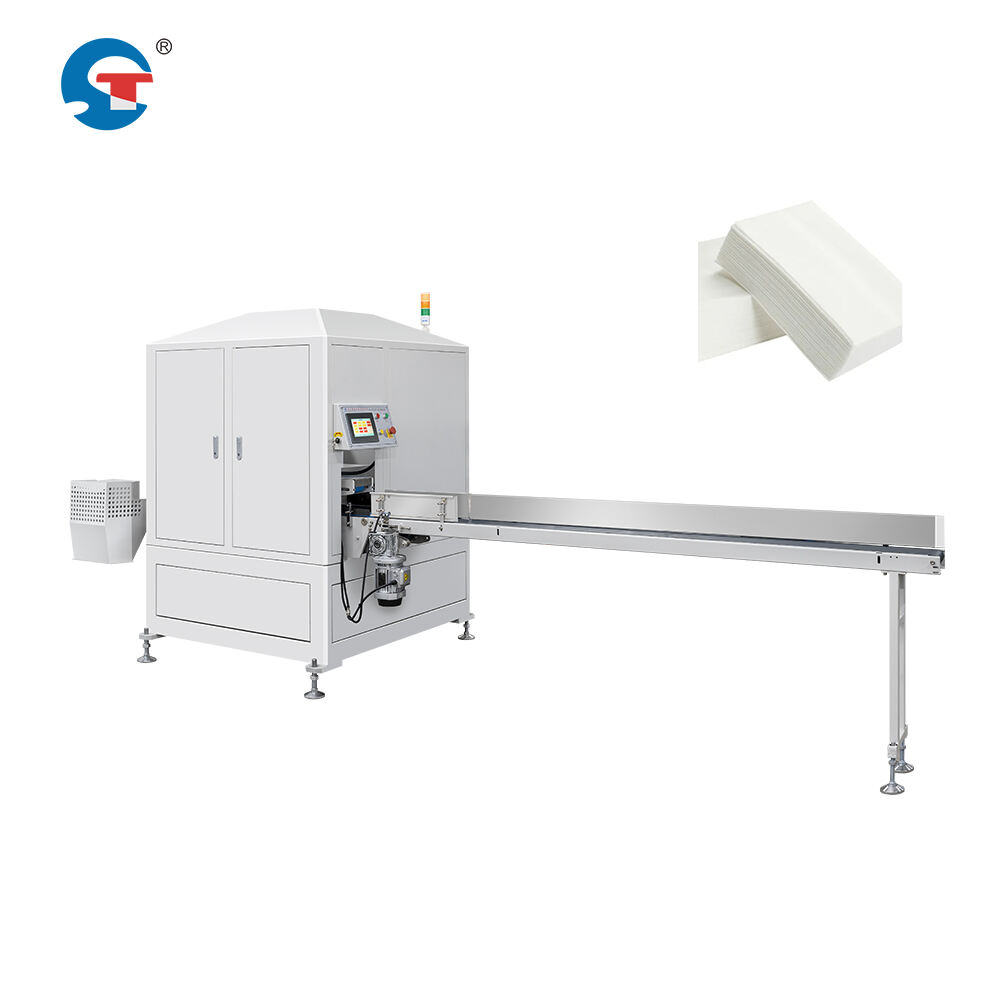
Production efficiency remains a critical competitive factor in the tissue manufacturing industry, where margins are thin and operational speed directly impacts profitability. For manufacturers producing paper towels at scale, the packaging stage often represents a significant bottleneck that limits throughput and increases labor costs. A paper towel packaging machine addresses these challenges by automating the final stage of production, transforming how facilities handle product finishing, quality control, and order fulfillment. Understanding the mechanisms through which automated packaging equipment enhances operational performance helps manufacturers make informed capital investment decisions and optimize their production workflows.
The implementation of a paper towel packaging machine fundamentally alters production dynamics by reducing cycle times, minimizing material waste, and eliminating labor-intensive manual processes. Modern packaging systems integrate seamlessly with upstream converting equipment, creating continuous production flows that maximize machine utilization rates and reduce idle time between production stages. These efficiency gains manifest across multiple operational dimensions, from direct labor savings and material consumption reduction to improved product consistency and enhanced workplace safety. By examining the specific mechanisms through which automated packaging technology drives efficiency improvements, manufacturers can better evaluate equipment specifications, calculate return on investment timelines, and structure production workflows that leverage automation capabilities fully.
How Automation Reduces Packaging Cycle Time
Continuous Motion Processing Technology
A paper towel packaging machine employs continuous motion technology that eliminates the start-stop cycles characteristic of manual packaging operations. Traditional hand-packaging approaches require workers to repeatedly pick up products, position them correctly, insert them into film or wrapping material, seal the package, and transfer the finished unit to storage or shipping areas. Each of these discrete steps introduces delays and variability in cycle times. Automated systems process products in continuous flow, with feeding mechanisms, wrapping stations, and sealing units operating simultaneously on different products within the machine envelope. This parallel processing dramatically reduces the time required to package each unit, often achieving cycle times measured in seconds rather than the minutes required for manual operations.
The speed advantage becomes more pronounced when handling high-volume production runs. A properly configured paper towel packaging machine can process between forty and eighty packages per minute, depending on product dimensions and wrapping complexity. This throughput capacity would require a substantial manual workforce to match, creating significant labor cost differentials. The continuous operation also eliminates the cumulative downtime associated with worker fatigue, shift changes, and productivity variations throughout the workday. Machines maintain consistent performance across extended production runs, enabling manufacturers to plan production schedules with greater precision and meet delivery commitments more reliably.
Integrated Feeding and Positioning Systems
Efficiency gains in a paper towel packaging machine extend beyond raw speed to include precision in product handling and positioning. Automated feeding systems use sensors and mechanical guides to orient products correctly before they enter the wrapping station, ensuring consistent package appearance and eliminating the time workers would spend manually adjusting product position. Servo-driven positioning mechanisms adjust automatically to accommodate different product sizes, reducing changeover time when switching between production runs. This flexibility allows manufacturers to handle diverse product portfolios without maintaining separate packaging lines for each stock keeping unit.
The integration between feeding, positioning, and wrapping functions creates operational synergies that compound efficiency benefits. When a paper towel packaging machine detects a product ready for packaging, it triggers sequential operations without requiring external intervention or coordination. This automated workflow coordination eliminates communication delays and reduces the likelihood of errors that occur when manual workers must coordinate timing across multiple steps. The result is a packaging process that operates at the theoretical maximum speed determined by mechanical limitations rather than human reaction times and coordination capabilities.
How Material Optimization Lowers Operating Costs
Precise Film Control and Cutting
Material costs represent a significant portion of packaging expenses, making waste reduction a direct pathway to improved efficiency. A paper towel packaging machine incorporates precise film control mechanisms that measure and dispense exactly the amount of wrapping material needed for each package. Electronic eyes and tension control systems monitor film position and adjust feeding rates to prevent excess material usage, ensuring that each package receives optimal coverage without unnecessary overlap or waste. This precision becomes particularly valuable when using premium packaging materials or specialized films with barrier properties, where even small reductions in material usage per unit translate to substantial annual savings across high-volume production.
The cutting precision offered by automated systems further reduces material waste compared to manual operations. Servo-controlled cutting blades position themselves with millimeter accuracy, creating clean seals at predetermined locations without the variations inherent in hand-cutting operations. This consistency eliminates the need for safety margins that manual workers typically build into their processes to ensure adequate seal integrity. Over thousands of packages per shift, these marginal improvements in material utilization accumulate into measurable cost reductions that directly improve production efficiency metrics and contribute to stronger bottom-line performance.
Adaptive Wrapping Configuration
Modern paper towel packaging machine designs incorporate adaptive wrapping technologies that adjust packaging parameters based on product characteristics detected during the packaging process. Weight sensors, dimension measurement systems, and visual inspection cameras gather data about each incoming product, allowing the machine to optimize film usage and sealing parameters for that specific unit. This adaptive capability ensures that variations in product density or dimensions do not result in under-wrapped packages requiring rework or over-wrapped units consuming excess material. The system maintains packaging quality standards while minimizing material consumption across the full range of product variations encountered in normal production.
The ability to adapt wrapping configurations without manual intervention also improves efficiency when transitioning between different product types or packaging formats. A paper towel packaging machine equipped with programmable recipe storage can recall optimal settings for each product variant, eliminating the trial-and-error period typically required when setting up manual packaging operations for new products. Operators simply select the appropriate recipe from the machine interface, and the system automatically configures all relevant parameters. This rapid changeover capability enables manufacturers to operate more flexible production schedules, accommodating smaller batch sizes and customized orders without sacrificing efficiency.
How Labor Reallocation Enhances Overall Productivity
Workforce Skill Elevation
Implementing a paper towel packaging machine transforms labor requirements from repetitive manual packaging tasks to equipment operation, quality monitoring, and maintenance activities. This shift allows manufacturers to redeploy workers into higher-value roles that leverage human judgment and technical skills rather than physical stamina and repetitive motion capability. Operators trained to run automated packaging equipment typically manage multiple machines simultaneously, monitor production data systems, perform first-line troubleshooting, and coordinate with maintenance teams to optimize uptime. These skilled positions generally command higher wages than manual packaging roles but deliver substantially greater productivity contributions per labor hour invested.
The efficiency improvement extends beyond direct labor hour reduction to include indirect benefits from workforce stability and satisfaction. Manual packaging work involves repetitive motions that contribute to musculoskeletal injuries and high turnover rates in many facilities. By automating these physically demanding tasks, a paper towel packaging machine helps manufacturers reduce workplace injury rates, lower workers' compensation costs, and decrease recruitment and training expenses associated with high turnover. The resulting workforce stability improves operational consistency, preserves institutional knowledge, and creates a more experienced team capable of identifying improvement opportunities and responding effectively to production challenges.
Enhanced Supervision Efficiency
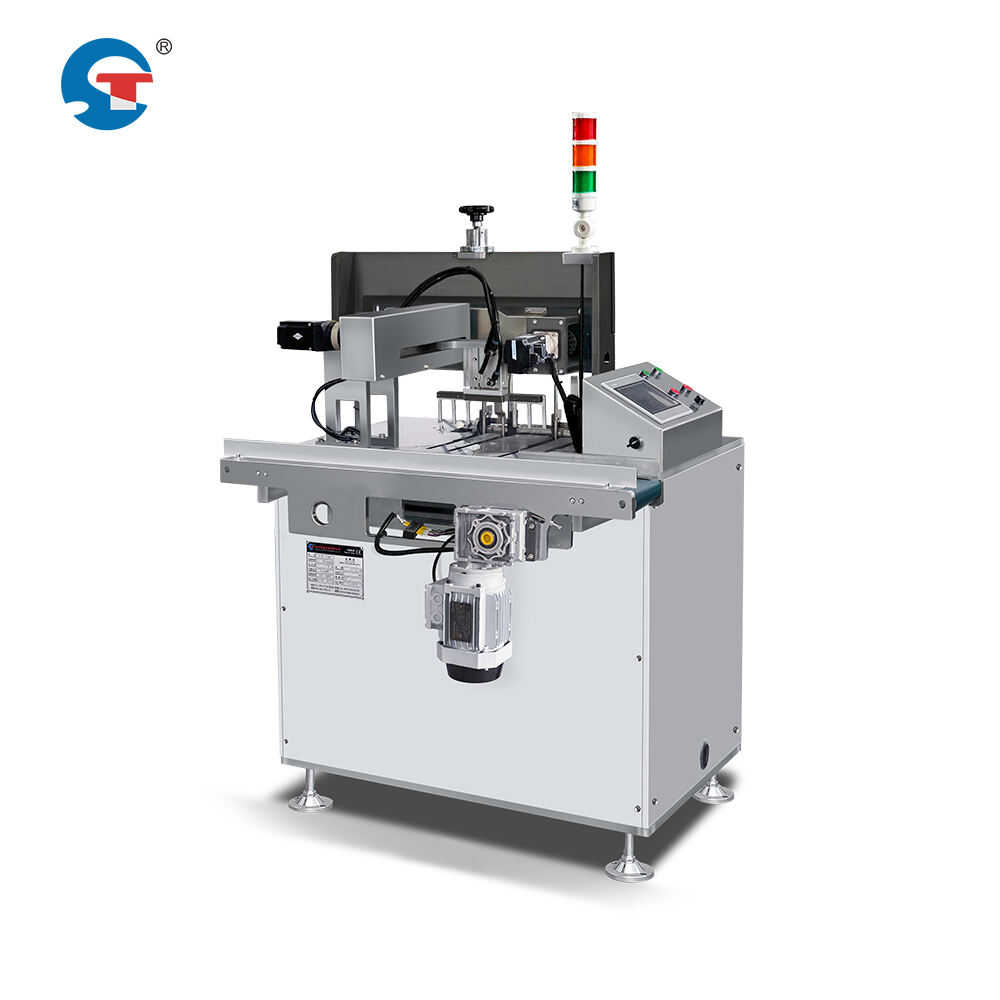
Automated packaging systems centralize production monitoring and control, allowing supervisory personnel to oversee larger production areas more effectively. A paper towel packaging machine typically includes integrated control panels displaying real-time performance data, error logs, and maintenance alerts. Supervisors can monitor multiple packaging lines from a central location, identifying performance issues and coordinating responses without physically walking production floors to observe manual operations. This improved visibility enables faster problem resolution and more effective resource allocation, as supervisors can deploy maintenance personnel or adjust production schedules based on actual machine performance data rather than subjective observations.
The data captured by automated packaging equipment also supports continuous improvement initiatives that further enhance efficiency over time. Production managers can analyze cycle time trends, downtime patterns, and quality metrics to identify optimization opportunities and measure the impact of process changes. This evidence-based approach to operational management typically yields incremental efficiency gains that compound over months and years, as teams systematically address bottlenecks and refine procedures. The resulting culture of continuous improvement becomes a sustainable competitive advantage that extends beyond the initial efficiency gains achieved through equipment installation.
How Quality Consistency Reduces Waste and Rework
Standardized Packaging Parameters
A paper towel packaging machine delivers consistent packaging quality by executing the same programmed sequence for every package, eliminating the variability inherent in manual operations. Seal temperature, pressure, dwell time, and film tension remain constant within tight tolerances, ensuring that each package meets specifications regardless of operator fatigue, experience level, or environmental conditions. This consistency directly improves efficiency by reducing the rework rate for packages that fail quality inspections due to inadequate seals, improper product positioning, or cosmetic defects. When packaging quality is predictable and reliable, manufacturers can reduce inspection intensity and associated labor costs while maintaining confidence in product integrity.
The standardization provided by automated packaging also improves compatibility with downstream handling equipment and retail display systems. Packages with consistent dimensions and structural characteristics flow more reliably through automated case packing, palletizing, and warehouse management systems. This compatibility reduces jamming incidents, minimizes product damage during handling, and improves overall supply chain efficiency. Retailers benefit from packages that stack uniformly and display attractively, potentially improving product turnover rates and reducing customer complaints. These downstream efficiency gains, while sometimes overlooked in initial equipment justification analyses, contribute meaningfully to the total value delivered by a paper towel packaging machine implementation.
Integrated Quality Verification
Modern paper towel packaging machine designs incorporate inline quality verification systems that detect defects during the packaging process rather than in subsequent inspection operations. Vision systems check seal integrity, verify barcode presence and readability, and confirm proper product positioning before packages exit the machine. When defects are detected, the system automatically rejects the affected package and alerts operators to potential process issues requiring attention. This immediate feedback loop prevents defective packages from entering inventory and enables faster corrective action than batch inspection approaches that may not identify problems until hours after they begin occurring.
The efficiency benefit of integrated quality verification extends beyond defect prevention to include reduced inspection labor requirements and faster problem resolution. Traditional end-of-line inspection approaches require dedicated personnel to examine samples from each production run, creating labor costs and introducing delays before products can be released to shipping. Automated quality systems perform this verification continuously at full production speed, eliminating inspection bottlenecks and enabling real-time production decisions. When issues arise, operators receive specific diagnostic information about the nature and location of defects, accelerating troubleshooting and minimizing the volume of potentially defective product produced before corrections are implemented.
How Maintenance Design Influences Uptime Performance
Accessible Component Architecture
The mechanical design of a paper towel packaging machine significantly influences maintenance efficiency and overall equipment effectiveness. Well-engineered systems incorporate tool-free access panels, color-coded components, and clearly labeled adjustment points that enable technicians to perform routine maintenance tasks quickly without extensive disassembly. Quick-change film rolls, easily accessible cutting blade assemblies, and modular sensor mounting systems reduce changeover times and minimize production interruptions for consumable replacement. This maintenance-friendly design philosophy translates directly into improved efficiency by maximizing the percentage of available time that equipment spends in productive operation rather than undergoing service procedures.
The accessibility considerations also support cross-training initiatives that broaden the pool of personnel capable of performing basic maintenance and troubleshooting tasks. When a paper towel packaging machine features intuitive design and clear documentation, production operators can learn to perform level-one maintenance activities such as film threading, sensor cleaning, and minor adjustments. This expanded capability base reduces dependence on specialized maintenance technicians for routine issues and enables faster response to minor problems that might otherwise halt production while awaiting technical support. The resulting improvement in mean time to repair contributes meaningfully to overall equipment effectiveness metrics and production efficiency performance.
Predictive Maintenance Capabilities
Advanced paper towel packaging machine systems incorporate condition monitoring technologies that enable predictive maintenance strategies, shifting from reactive failure response to proactive component replacement based on actual wear patterns. Vibration sensors detect bearing degradation before catastrophic failure occurs, allowing scheduled replacement during planned downtime rather than emergency repairs during production shifts. Film tension monitors identify gradual changes in material handling characteristics that may indicate worn rollers or misaligned guide systems. Temperature sensors track sealing element performance, alerting maintenance teams when heating elements approach end-of-life conditions. These predictive capabilities improve efficiency by converting unexpected breakdowns into planned maintenance events that can be scheduled during lower-demand periods and coordinated with other production activities.
The data generated by condition monitoring systems also supports strategic maintenance planning and spare parts inventory optimization. Maintenance managers can analyze failure patterns across multiple packaging lines, identifying components with shorter-than-expected service lives and working with equipment suppliers to address design or operational factors contributing to premature wear. Historical performance data enables more accurate forecasting of maintenance material requirements, reducing inventory carrying costs while ensuring critical components remain available when needed. This analytical approach to maintenance management creates cumulative efficiency improvements that compound over the equipment lifecycle, as organizations systematically address the most impactful opportunities for uptime improvement and maintenance cost reduction.
FAQ
What production volume justifies investing in a paper towel packaging machine?
The investment threshold for automated packaging equipment depends on multiple factors including current labor costs, existing production throughput, and facility growth projections. Generally, facilities producing more than five thousand packages per shift begin seeing favorable return on investment timelines, typically achieving payback within eighteen to thirty-six months through combined labor savings and material waste reduction. Smaller operations may justify automation when facing labor recruitment challenges, experiencing high injury rates from manual packaging, or planning production expansion that would require proportionally larger manual workforce increases. Conducting a detailed total cost of ownership analysis that includes direct labor, material waste, rework costs, and potential revenue from increased production capacity provides the most accurate assessment of economic viability for specific operational contexts.
How difficult is it to train operators to run automated packaging equipment?
Modern paper towel packaging machine designs emphasize operator-friendly interfaces that reduce training requirements compared to earlier automation generations. Most manufacturers can train production personnel to basic operational proficiency within three to five days of structured instruction, covering startup procedures, material loading, parameter adjustment, routine troubleshooting, and shutdown protocols. Achieving advanced proficiency for complex changeovers and optimization activities typically requires an additional two to four weeks of supervised operation. Equipment suppliers generally provide initial training as part of installation services and offer ongoing technical support during the learning curve period. Facilities with existing automation experience often find that skills transfer readily between different types of packaging equipment, reducing incremental training requirements when adding capacity or updating legacy systems.
Can automated packaging systems handle different product sizes and formats?
Flexibility represents a key design consideration in modern paper towel packaging machine development, with most systems offering substantial format versatility through adjustable mechanical components and programmable control parameters. Mid-range equipment typically accommodates product dimension ranges spanning seventy to eighty percent variation in length, width, and height through tool-free mechanical adjustments and stored recipe programs. Premium systems may offer fully servo-driven adjustment mechanisms that change formats automatically based on product identification or production schedule data. However, extreme format variations or fundamentally different packaging styles may exceed the adjustment range of a single machine, requiring either multiple dedicated systems or modular machine designs that accept interchangeable tooling packages for different product families. Evaluating format flexibility requirements against projected product portfolio evolution helps manufacturers select equipment configurations that balance versatility with operational efficiency and capital cost considerations.
What maintenance expertise is required to support automated packaging equipment?
Supporting a paper towel packaging machine effectively requires maintenance capabilities spanning mechanical, electrical, and control system domains. Facilities should have access to technicians with competency in preventive maintenance procedures, mechanical adjustment and alignment, electrical troubleshooting using multimeters and diagnostic tools, and basic programmable logic controller operation. Most routine maintenance tasks fall within the skill range of industrial maintenance mechanics with general automation experience, though complex control system issues or specialized component failures may require factory-trained specialists or supplier technical support. Establishing relationships with equipment suppliers for annual preventive maintenance visits, emergency technical support, and periodic control system updates helps facilities maintain optimal equipment performance without developing extensive in-house specialization for every technical domain. Organizations with multiple automation systems often find value in cross-training maintenance personnel across different equipment types, creating broader technical capabilities that improve overall maintenance efficiency and response times.
Table of Contents
- How Automation Reduces Packaging Cycle Time
- How Material Optimization Lowers Operating Costs
- How Labor Reallocation Enhances Overall Productivity
- How Quality Consistency Reduces Waste and Rework
- How Maintenance Design Influences Uptime Performance
-
FAQ
- What production volume justifies investing in a paper towel packaging machine?
- How difficult is it to train operators to run automated packaging equipment?
- Can automated packaging systems handle different product sizes and formats?
- What maintenance expertise is required to support automated packaging equipment?