
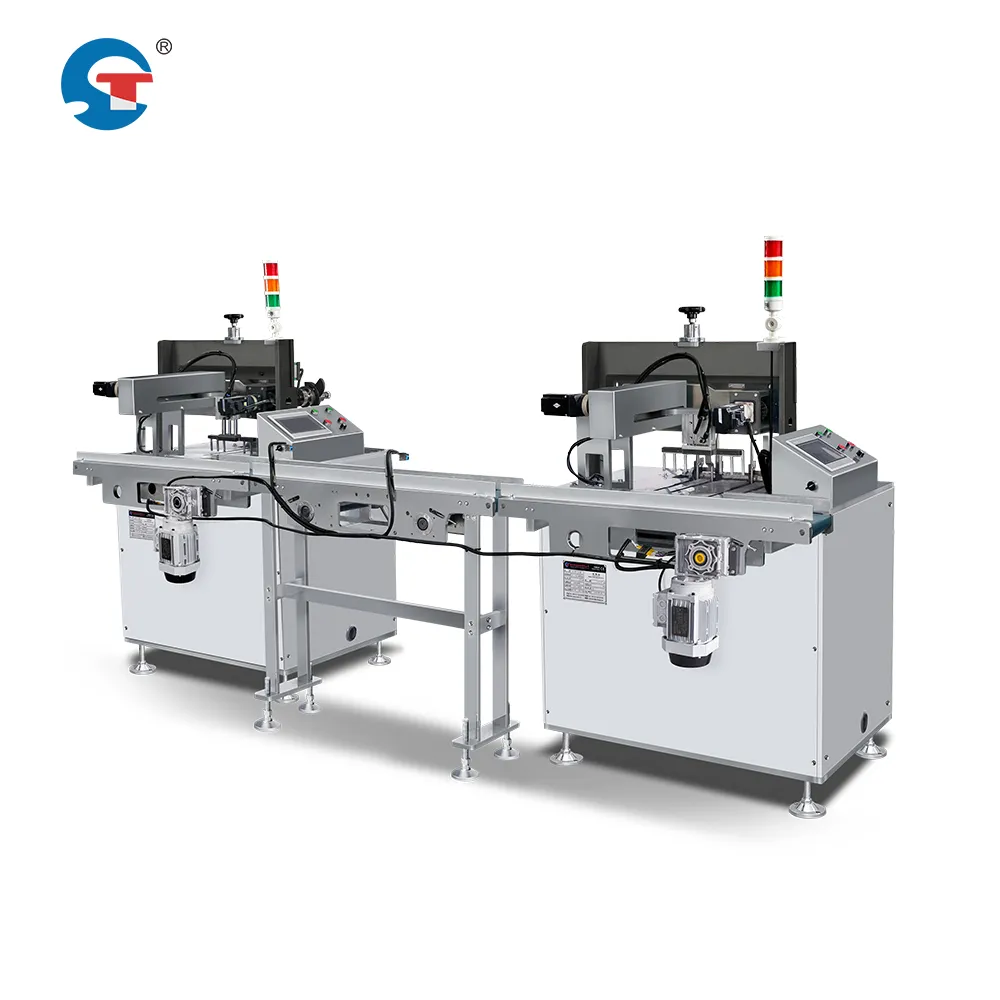
Selecting the right paper towel packaging machine for your manufacturing plant is a critical decision that directly impacts production efficiency, product quality, and overall operational costs. With numerous machine configurations, automation levels, and technical specifications available in the market, plant managers and production engineers must carefully evaluate their specific requirements against machine capabilities. The wrong choice can lead to production bottlenecks, frequent downtime, compromised packaging integrity, and significant financial losses, while the right investment ensures seamless integration, optimal throughput, and long-term profitability in an increasingly competitive tissue manufacturing landscape.
The selection process requires a systematic approach that considers production volume requirements, product specifications, packaging format preferences, available floor space, integration capabilities with existing lines, maintenance accessibility, and budget constraints. Whether you are establishing a new production facility, upgrading outdated equipment, or expanding current capacity, understanding the technical differentiation between various paper towel packaging machine models becomes essential. This comprehensive guide walks you through the critical evaluation criteria, technical considerations, and practical decision-making framework needed to identify the optimal packaging solution that aligns with your plant's operational objectives and growth trajectory.
Understanding Your Production Requirements and Capacity Needs
Analyzing Current and Projected Production Volumes
Before evaluating any paper towel packaging machine, you must establish a clear understanding of your production volume requirements both for immediate deployment and future expansion. Calculate your current daily, weekly, and monthly output in terms of roll units or package counts, and project realistic growth scenarios for the next three to five years. This baseline data determines the minimum speed requirement for your packaging equipment, typically measured in packages per minute or rolls per hour depending on your product format.
Consider production patterns throughout the year, including seasonal demand fluctuations that may require surge capacity during peak periods. A paper towel packaging machine that operates at maximum capacity during normal production may become a bottleneck during high-demand seasons, creating fulfillment delays and missed market opportunities. Build in a capacity buffer of approximately twenty to thirty percent above your peak projected demand to accommodate unexpected orders, equipment downtime on other lines, or faster-than-anticipated business growth without requiring premature equipment replacement.
Evaluate whether your operation runs single-shift, double-shift, or continuous production schedules, as this impacts machine durability requirements and maintenance planning. Machines designed for continuous industrial operation feature more robust construction, enhanced component longevity, and comprehensive monitoring systems compared to equipment intended for intermittent or single-shift use. The total cost of ownership calculation must factor in the operational intensity your chosen paper towel packaging machine will experience throughout its service life.
Defining Product Specifications and Packaging Formats
Your product portfolio characteristics significantly influence which paper towel packaging machine models are suitable for your operation. Document the complete range of paper towel dimensions you currently produce or plan to manufacture, including roll diameter, core size, sheet width, and roll length. Some packaging machines offer wide format flexibility, accommodating multiple product sizes with minimal changeover requirements, while others are optimized for specific dimensional ranges with limited adjustment capability.
Consider your packaging format preferences, whether you require individual wrapping, multi-pack bundling, shrink wrapping, or combination packaging solutions. Different paper towel packaging machine designs specialize in specific wrapping methodologies, with some models offering modular configurations that can be adapted for various packaging styles. If your market strategy includes multiple product lines with different packaging requirements, prioritize machines with versatile format handling or evaluate whether dedicated lines for specific formats would provide better operational efficiency.
Assess any special product handling requirements such as embossed patterns, perforated sheets, or premium finishing that demand gentler handling mechanisms to prevent surface damage during the packaging process. Higher-quality consumer products may justify investment in a paper towel packaging machine with advanced product protection features, even if such equipment carries a premium price point, as product integrity directly impacts brand perception and customer satisfaction in retail markets.
Evaluating Technical Specifications and Machine Capabilities
Automation Level and Control System Sophistication
The automation level of a paper towel packaging machine fundamentally determines operational efficiency, labor requirements, and quality consistency. Entry-level semi-automatic machines require manual product feeding or package removal and offer basic control interfaces, suitable for smaller operations or businesses with lower labor costs. Mid-range automated systems feature automatic feeding, wrapping, and discharge functions with programmable logic controllers that enable recipe storage for different product configurations and provide basic production monitoring capabilities.
Advanced fully-automated paper towel packaging machine systems incorporate sophisticated sensors, vision inspection systems, rejection mechanisms for defective packages, and comprehensive data collection for production analytics and quality management systems. These high-end machines typically feature human-machine interfaces with touchscreen controls, remote monitoring capabilities, and integration protocols for factory-wide manufacturing execution systems. The investment premium for higher automation levels must be justified by labor cost savings, quality improvement, reduced waste, and enhanced production data visibility that supports continuous improvement initiatives.
Evaluate the machine's changeover procedures when switching between different product sizes or packaging formats. Quick-changeover designs with tool-free adjustments, digital position memory, and guided setup procedures minimize downtime during product transitions, directly improving overall equipment effectiveness. A paper towel packaging machine that requires two hours for format changeover versus one that completes the same transition in fifteen minutes represents substantial productivity differences in plants running multiple product variants.
Speed, Efficiency, and Throughput Performance
Packaging speed specifications provided by manufacturers represent maximum theoretical capacity under ideal conditions, which rarely reflects sustained real-world performance. Request detailed performance data including average operating speed, typical efficiency percentages, and common factors that reduce throughput in production environments. A paper towel packaging machine rated at one hundred packages per minute may realistically operate at seventy to eighty packages per minute when accounting for material splices, minor stoppages, quality checks, and normal operational interruptions.
Investigate the machine's acceleration and deceleration characteristics, as rapid speed adjustments enable better synchronization with upstream production equipment and reduce material waste during startups and shutdowns. Some advanced packaging systems feature predictive speed control that automatically adjusts packaging speed based on upstream buffer levels, maintaining continuous operation even when feeding rates fluctuate. This intelligent speed management capability becomes particularly valuable in integrated production lines where multiple processes must coordinate seamlessly.
Consider energy consumption specifications as part of the throughput evaluation, since a paper towel packaging machine that operates at higher speeds but consumes significantly more electricity may not deliver better overall operational economics. Modern energy-efficient designs incorporate servo motor technology, optimized motion profiles, and intelligent power management that reduces electricity costs while maintaining performance standards, contributing to improved sustainability metrics and lower operating expenses over the equipment's lifespan.
Material Handling and Packaging Film Compatibility
Different paper towel packaging machine models accommodate varying film materials including polyethylene, polypropylene, biodegradable films, and paper-based wrapping materials. Verify that your preferred packaging material is fully compatible with the machine's sealing system, tension control mechanisms, and film handling components. Some machines are optimized for specific film thickness ranges or material properties, and attempting to use incompatible materials results in poor seal quality, frequent film breaks, and excessive waste.
Evaluate the film loading and splicing systems, as these functions significantly impact operator convenience and production continuity. Advanced paper towel packaging machine designs feature automatic film splice detection, low-film warning systems, and simplified roll loading mechanisms that reduce changeover time and minimize operator training requirements. If your sustainability strategy includes transitioning to eco-friendly packaging materials, ensure the machine can accommodate these alternatives without major modifications or performance compromises.
Consider the film waste generation characteristics of different packaging technologies. Some wrapping methods inherently produce more trim waste or require longer seal overlaps, increasing material costs and disposal requirements. A paper towel packaging machine with optimized film utilization that reduces waste by even five percent can generate substantial material cost savings across millions of packages annually, potentially justifying a higher initial equipment investment through improved operational economics.
Assessing Integration, Installation, and Facility Requirements
Physical Footprint and Plant Layout Considerations
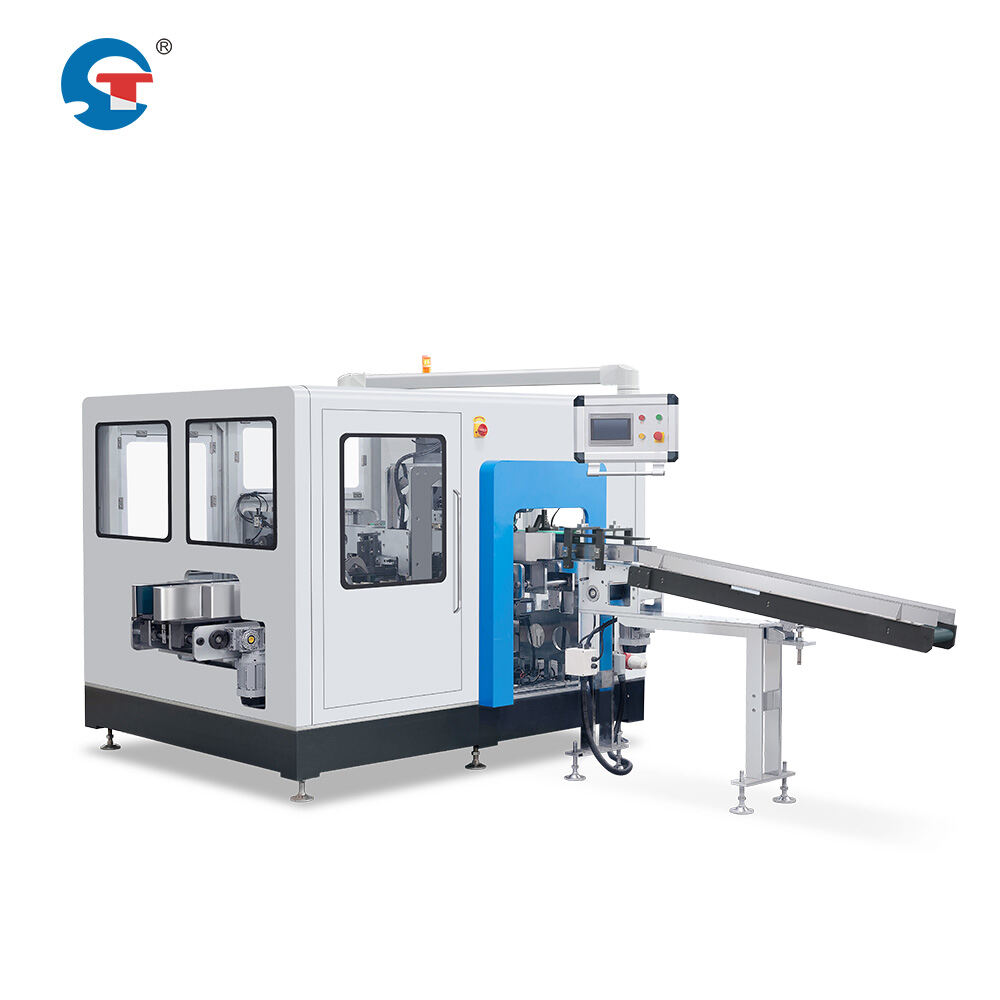
The physical dimensions and layout requirements of a paper towel packaging machine must align with your available production floor space and facility infrastructure. Obtain detailed dimensional drawings including not only the machine footprint but also required clearance for maintenance access, material loading zones, and operator stations. Some compact designs minimize floor space consumption but may compromise accessibility for routine maintenance tasks or limit upgrade options, while larger industrial configurations provide superior serviceability but demand substantial facility space allocation.
Evaluate the machine's integration points with upstream production equipment such as log saws, rewinders, or accumulation conveyors, and downstream systems including case packers, palletizers, or warehouse conveyance. The physical arrangement must facilitate smooth material flow without creating congestion points or requiring excessive product handling. A paper towel packaging machine positioned properly within the production line optimizes overall throughput and minimizes the buffer storage required between process stages.
Consider facility infrastructure requirements including electrical power specifications, compressed air supply capacity, exhaust ventilation for sealing systems, and structural floor loading capacity. Some high-performance paper towel packaging machine models require three-phase power at specific voltages, substantial compressed air volumes at regulated pressures, and reinforced floor foundations to manage operational vibrations. Verifying that your facility can accommodate these requirements before purchase prevents costly infrastructure upgrades discovered during installation.
Integration with Manufacturing Execution and Quality Systems
Modern manufacturing operations increasingly rely on integrated digital systems for production tracking, quality management, and operational analytics. Evaluate whether the paper towel packaging machine offers communication protocols compatible with your existing manufacturing execution system, including common industrial standards such as OPC-UA, Ethernet/IP, or Modbus. Machines with robust data connectivity enable real-time production monitoring, automated downtime tracking, statistical process control, and predictive maintenance programs that enhance overall operational effectiveness.
Consider the machine's quality verification capabilities including built-in inspection systems for seal integrity, package weight verification, label presence detection, or barcode reading functionality. Integrated quality checks performed by the paper towel packaging machine eliminate defective products before they enter distribution channels, reducing customer complaints and potential recall risks. The cost of quality verification technology integrated into the packaging system typically proves far more economical than implementing separate offline inspection processes with additional labor requirements.
Assess the machine's diagnostic and troubleshooting support features, including graphical fault displays, maintenance reminder systems, and remote connectivity for technical support. Advanced paper towel packaging machine platforms provide detailed error messages with corrective action guidance, reducing troubleshooting time and minimizing dependence on specialized technical personnel. Remote diagnostic capabilities enable equipment suppliers to provide faster support response, sometimes resolving issues without requiring on-site service visits that create extended production downtime.
Analyzing Total Cost of Ownership and Financial Considerations
Initial Investment Versus Long-Term Operating Costs
The purchase price of a paper towel packaging machine represents only one component of the total cost of ownership equation. Develop comprehensive financial models that incorporate installation costs, operator training expenses, spare parts inventory requirements, routine maintenance costs, energy consumption, and expected consumable material usage over the equipment's projected service life. A machine with a lower initial purchase price may generate higher operating costs through inefficient energy consumption, frequent component replacement, or excessive material waste that erodes the apparent cost advantage.
Calculate the labor impact of different automation levels, considering not only direct operator requirements but also indirect labor for material handling, quality inspection, and troubleshooting activities. A more automated paper towel packaging machine that eliminates one full-time operator position generates labor savings that may justify a significantly higher equipment investment within a reasonable payback period. Include in your analysis the labor market conditions in your region, as high labor costs and recruitment challenges strengthen the financial case for advanced automation.
Consider the machine's impact on product waste and quality-related costs. A paper towel packaging machine with superior control systems and gentler product handling may reduce damaged goods, minimize film waste, and improve package appearance, generating revenue protection through lower rejection rates and enhanced brand perception. These quality-related financial benefits often prove difficult to quantify precisely but represent genuine economic value that should influence the selection decision alongside more obvious cost factors.
Supplier Support, Spare Parts Availability, and Service Network
The long-term operational reliability of any paper towel packaging machine depends heavily on the equipment supplier's support infrastructure and spare parts availability. Investigate the supplier's service network coverage in your geographic region, including response time commitments, technical expertise levels, and parts inventory locations. A technically superior machine from a supplier with limited local support capabilities may generate more operational risk than a slightly less advanced system backed by comprehensive regional service infrastructure.
Evaluate spare parts pricing, availability, and lead times for critical components that determine machine uptime. Some paper towel packaging machine manufacturers utilize proprietary components with single-source supply chains and extended delivery periods, creating vulnerability to production disruptions when parts fail unexpectedly. Machines designed with standard industrial components available from multiple suppliers provide better long-term supportability and often feature lower parts costs, although they may sacrifice some performance optimization compared to fully proprietary designs.
Consider the training programs and technical documentation provided by the equipment supplier. Comprehensive operator training, maintenance technician certification, and detailed troubleshooting resources enable your internal team to maximize machine performance and resolve minor issues without external assistance. A paper towel packaging machine supplier that invests in customer education and provides extensive support resources demonstrates commitment to long-term partnership rather than merely completing an equipment sale.
Flexibility for Future Requirements and Technology Evolution
Manufacturing requirements evolve over time due to market changes, product innovations, and business growth, making equipment adaptability an important selection criterion. Evaluate whether the paper towel packaging machine architecture supports future upgrades such as increased speed capabilities, additional inspection systems, or enhanced automation features without requiring complete equipment replacement. Modular designs that accommodate incremental capability additions provide better investment protection as your operational requirements change.
Consider how emerging trends such as sustainable packaging materials, smart packaging technologies, or serialization requirements for supply chain traceability might impact your future needs. A paper towel packaging machine platform with the flexibility to adopt new packaging materials or integrate additional functionality positions your operation to respond to market demands without facing premature obsolescence. While predicting future requirements involves uncertainty, selecting equipment with demonstrated adaptability reduces the risk of stranded assets.
Assess the supplier's track record for ongoing product development and technology innovation. Manufacturers who continuously enhance their paper towel packaging machine offerings with improved features, better efficiency, and expanded capabilities demonstrate commitment to long-term market leadership. Partnering with innovation-focused suppliers increases the likelihood that future upgrades, retrofit options, and technology advancements will be available for your installed equipment, extending its productive service life and protecting your capital investment.
Making the Final Selection Decision
Structured Evaluation and Comparison Framework
Implement a systematic evaluation methodology that scores different paper towel packaging machine options against your prioritized selection criteria. Develop a weighted scoring matrix that assigns importance factors to each decision parameter such as production capacity, automation level, footprint efficiency, supplier support, total cost of ownership, and flexibility. This structured approach transforms subjective assessments into quantifiable comparisons that facilitate objective decision-making and provide documentation for capital approval processes.
Request detailed proposals from shortlisted suppliers that address your specific requirements rather than generic equipment specifications. Quality proposals should include application engineering analysis demonstrating how the paper towel packaging machine configuration addresses your production needs, integration plans with existing equipment, installation timelines, commissioning procedures, and comprehensive cost breakdowns including all ancillary components and services required for operational readiness.
Whenever possible, arrange factory acceptance testing or visit reference installations operating similar paper towel packaging machine configurations. Observing equipment performance in actual production environments provides insights that specifications and proposals cannot convey, including real-world operating speeds, changeover procedures, operator interactions, and maintenance accessibility. Speaking directly with current users reveals practical strengths and weaknesses that inform more confident purchase decisions.
Negotiating Terms and Finalizing the Investment
Once you identify the optimal paper towel packaging machine for your requirements, negotiate comprehensive commercial terms that extend beyond equipment pricing. Discuss warranty coverage including duration, components included, response time commitments, and any exclusions or limitations. Clarify training provisions specifying the number of personnel, training duration, and whether instruction occurs at your facility or the supplier's location. Define spare parts packages that ensure availability of critical components for initial operation.
Establish clear installation and commissioning responsibilities, including which party provides specific services, expected timelines, and acceptance criteria that must be met before final payment. A detailed project plan with defined milestones, deliverables, and performance guarantees protects your interests and ensures both parties understand their obligations. For significant capital investments, consider performance guarantees where final payment is contingent on the paper towel packaging machine achieving specified production rates, efficiency levels, or quality metrics under defined operating conditions.
Discuss ongoing support arrangements including preventive maintenance programs, technical support availability, software update policies, and potential service agreements. Some suppliers offer comprehensive support packages that provide predictable annual costs and priority service access, reducing uncertainty around long-term operating expenses. The relationship between your organization and the paper towel packaging machine supplier extends many years beyond the initial purchase, making partnership quality as important as equipment specifications in the selection process.
FAQ
What production speed should I target when selecting a paper towel packaging machine?
Target a paper towel packaging machine speed that exceeds your peak production requirements by approximately twenty to thirty percent to accommodate growth, seasonal demand fluctuations, and normal operational interruptions. Base calculations on realistic sustained operating speeds rather than maximum rated capacity, and ensure the packaging speed matches or slightly exceeds your upstream production equipment to prevent bottlenecks. For plants running multiple shifts or continuous operations, prioritize equipment designed for industrial-duty cycles with proven reliability at sustained high speeds rather than machines optimized for intermittent operation.
How important is the level of automation when choosing packaging equipment?
Automation level significantly impacts labor requirements, quality consistency, production data availability, and long-term operating costs, making it a critical selection factor. Higher automation reduces direct labor needs, minimizes human error in packaging operations, and provides comprehensive production monitoring that supports continuous improvement initiatives. However, the automation investment must be justified by your production volume, labor cost structure, quality requirements, and operational sophistication. Smaller operations with lower volumes and competitive labor markets may find semi-automatic equipment more economically appropriate, while high-volume plants in regions with elevated labor costs typically achieve better returns from fully-automated paper towel packaging machine systems.
Should I prioritize lowest purchase price or total cost of ownership?
Total cost of ownership provides a more accurate financial assessment than initial purchase price alone, as it incorporates ongoing operating expenses, maintenance costs, energy consumption, material waste, quality impacts, and expected equipment lifespan. A paper towel packaging machine with a lower purchase price but higher operating costs, frequent maintenance requirements, or shorter service life often proves more expensive over its productive life than premium equipment with superior efficiency and reliability. Develop comprehensive financial models spanning five to ten years that include all ownership costs, and calculate metrics such as cost per package produced to enable meaningful economic comparisons between equipment options with different price points and capability levels.
How do I ensure the selected machine can adapt to future business requirements?
Select paper towel packaging machine platforms with demonstrated modularity, upgrade pathways, and supplier commitment to ongoing product development. Prioritize equipment that accommodates product size ranges beyond your current needs, supports multiple packaging formats, and features control systems capable of accepting additional functionality. Evaluate the supplier's history of technology innovation and availability of retrofit packages that enhance installed equipment capabilities. While predicting specific future requirements involves uncertainty, choosing flexible architectures with expansion potential and partnering with innovation-focused suppliers reduces the risk of premature obsolescence and protects your capital investment as market conditions and business strategies evolve over time.
Table of Contents
- Understanding Your Production Requirements and Capacity Needs
- Evaluating Technical Specifications and Machine Capabilities
- Assessing Integration, Installation, and Facility Requirements
- Analyzing Total Cost of Ownership and Financial Considerations
- Making the Final Selection Decision
-
FAQ
- What production speed should I target when selecting a paper towel packaging machine?
- How important is the level of automation when choosing packaging equipment?
- Should I prioritize lowest purchase price or total cost of ownership?
- How do I ensure the selected machine can adapt to future business requirements?