
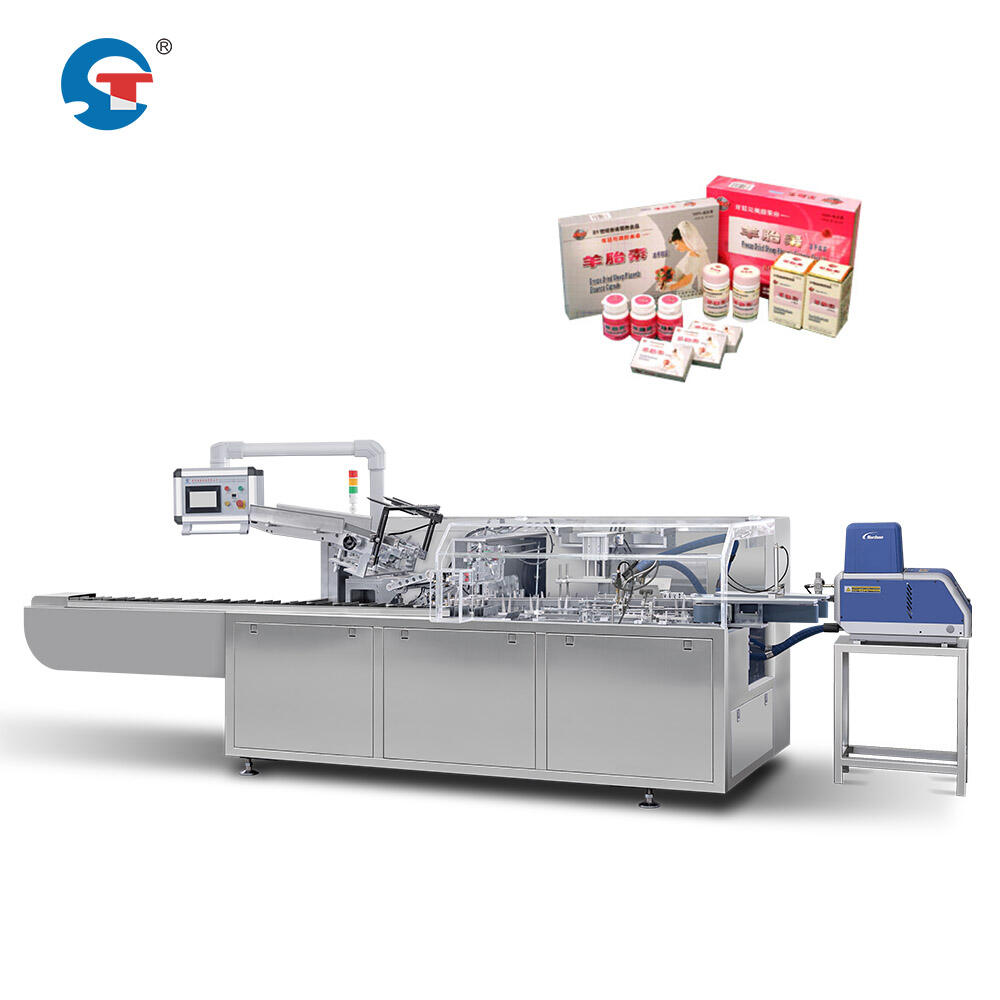
The global pharmaceutical industry has witnessed unprecedented growth in recent years, with market demands reaching new heights and regulatory requirements becoming increasingly stringent. As pharmaceutical companies strive to meet these challenges while maintaining profitability and efficiency, the role of pharmaceutical packaging equipment has become more critical than ever. Modern pharmaceutical manufacturing facilities worldwide are investing heavily in advanced automated packaging solutions to ensure product integrity, regulatory compliance, and operational excellence. The shift toward automation in pharmaceutical packaging represents not just a technological evolution but a fundamental transformation in how medicines are prepared, protected, and delivered to patients globally.
The Evolution of Pharmaceutical Packaging Technology
Historical Context and Industry Transformation
The pharmaceutical packaging landscape has undergone dramatic changes over the past several decades, evolving from manual labor-intensive processes to sophisticated automated systems. Early pharmaceutical packaging operations relied heavily on human workers to perform tasks such as counting tablets, filling bottles, and applying labels. However, as drug production volumes increased and quality standards became more demanding, manufacturers recognized the limitations of manual processes. The introduction of pharmaceutical packaging equipment marked a turning point in the industry, offering unprecedented precision, speed, and reliability that manual operations simply could not match.
Modern pharmaceutical facilities now utilize state-of-the-art packaging systems that integrate seamlessly with production lines, creating continuous workflows that minimize human intervention while maximizing output quality. These advanced systems incorporate sophisticated sensors, vision inspection technologies, and data collection capabilities that ensure every packaged product meets strict pharmaceutical standards. The transformation from manual to automated packaging has enabled pharmaceutical companies to scale their operations dramatically while maintaining the highest levels of product safety and regulatory compliance.
Technological Advancements Driving Change
Recent technological breakthroughs have revolutionized pharmaceutical packaging equipment capabilities, introducing features that were unimaginable just a few years ago. Advanced servo-driven mechanisms now provide precise control over packaging parameters, while intelligent software systems optimize packaging processes in real-time based on product specifications and production requirements. Machine learning algorithms analyze packaging data to predict maintenance needs, optimize throughput, and minimize waste, contributing to overall operational efficiency.
Integration with Industry 4.0 principles has transformed pharmaceutical packaging equipment into intelligent systems capable of communicating with other manufacturing components, sharing data across the production network, and adapting to changing conditions automatically. These smart packaging solutions provide manufacturers with unprecedented visibility into their operations, enabling data-driven decision making and continuous process improvement. The result is packaging equipment that not only performs traditional packaging functions but also contributes valuable insights to overall manufacturing strategy.
Regulatory Compliance and Quality Assurance
Meeting International Standards
Pharmaceutical packaging must comply with stringent regulatory requirements established by organizations such as the FDA, EMA, and other international regulatory bodies. These regulations cover every aspect of pharmaceutical packaging, from material specifications and container closure integrity to labeling accuracy and traceability requirements. Modern pharmaceutical packaging equipment incorporates built-in compliance features that automatically verify adherence to these standards throughout the packaging process, reducing the risk of regulatory violations and ensuring consistent product quality.
Automated validation systems within pharmaceutical packaging equipment continuously monitor critical parameters such as seal integrity, weight accuracy, and label placement, generating detailed documentation required for regulatory submissions. This automated compliance monitoring eliminates human error while providing comprehensive audit trails that demonstrate adherence to Good Manufacturing Practices. The integration of regulatory compliance features directly into packaging equipment has become a crucial factor in pharmaceutical manufacturers' equipment selection decisions.
Serialization and Track-and-Trace Requirements
Global serialization mandates have created new challenges for pharmaceutical manufacturers, requiring unique identification codes on individual packages and comprehensive track-and-trace capabilities throughout the supply chain. Advanced pharmaceutical packaging equipment now incorporates sophisticated serialization modules that generate, apply, and verify unique codes on each package while simultaneously updating central databases with product information. These systems ensure compliance with serialization requirements across multiple jurisdictions while maintaining high-speed production throughput.
The complexity of managing serialization data across global supply chains has made automated pharmaceutical packaging equipment essential for maintaining compliance while preserving operational efficiency. Modern packaging systems integrate seamlessly with pharmaceutical companies' enterprise systems, enabling real-time data exchange and comprehensive supply chain visibility. This integration capability has become a critical requirement for pharmaceutical manufacturers operating in multiple markets with varying serialization requirements.
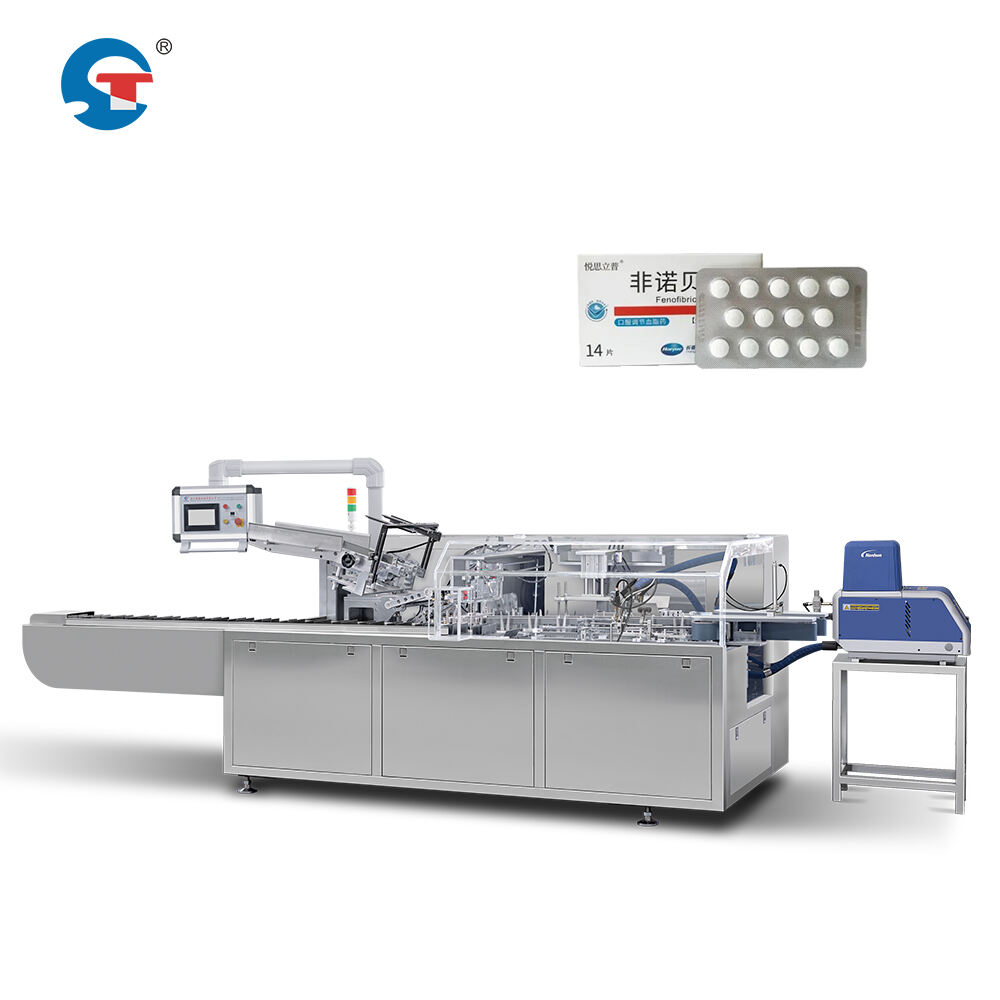
Economic Benefits and Operational Efficiency
Cost Reduction and ROI Optimization
The implementation of automated pharmaceutical packaging equipment delivers significant economic benefits that extend far beyond initial capital investments. Labor cost reduction represents one of the most immediate advantages, as automated systems can perform packaging tasks previously requiring multiple operators while maintaining consistent quality and throughput. Additionally, automated packaging equipment reduces material waste through precise dosing and placement, minimizing costly rework and product losses that commonly occur with manual processes.
Long-term operational savings from pharmaceutical packaging equipment include reduced quality control costs, decreased regulatory compliance expenses, and lower maintenance requirements compared to manual operations. The precision and repeatability of automated systems minimize product recalls and regulatory interventions, which can cost pharmaceutical companies millions of dollars in lost revenue and reputation damage. These economic advantages have made automated packaging equipment investments increasingly attractive to pharmaceutical manufacturers seeking sustainable competitive advantages.
Production Scalability and Flexibility
Modern pharmaceutical packaging equipment provides manufacturers with unprecedented scalability options, enabling rapid adjustment of production volumes to meet market demands without proportional increases in labor costs. Flexible packaging systems can accommodate multiple product formats and package sizes within the same production line, maximizing equipment utilization while minimizing changeover times. This flexibility is particularly valuable for pharmaceutical companies managing diverse product portfolios across multiple therapeutic areas.
The modular design of contemporary pharmaceutical packaging equipment allows manufacturers to expand capacity incrementally as business needs grow, avoiding large capital expenditures while maintaining operational efficiency. Quick changeover capabilities enable pharmaceutical companies to respond rapidly to market opportunities and seasonal demand fluctuations, creating competitive advantages in dynamic pharmaceutical markets. This operational flexibility has become essential for pharmaceutical manufacturers operating in increasingly competitive global markets.
Quality Control and Product Integrity
Advanced Inspection Technologies
Contemporary pharmaceutical packaging equipment incorporates sophisticated inspection technologies that surpass human visual capabilities in detecting defects and ensuring product quality. High-resolution vision systems examine every package for defects such as missing tablets, incorrect labeling, or damaged containers, automatically rejecting non-conforming products before they reach distribution channels. These automated inspection capabilities provide 100% quality verification, a level of scrutiny impossible to achieve with manual inspection methods.
Multi-spectral imaging and artificial intelligence algorithms enable pharmaceutical packaging equipment to detect subtle quality issues that might escape traditional inspection methods. Weight verification systems ensure accurate fill quantities while container closure integrity testing verifies package seal quality, protecting product potency and patient safety. The integration of these advanced inspection technologies into packaging equipment has elevated quality standards across the pharmaceutical industry while reducing quality control costs and inspection times.
Contamination Prevention and Sterile Processing
Pharmaceutical packaging equipment designed for sterile applications incorporates advanced contamination control features that maintain product sterility throughout the packaging process. Isolator technology and positive pressure systems create controlled environments that prevent microbial contamination while automated cleaning and sterilization cycles ensure equipment cleanliness between production batches. These contamination control measures are essential for maintaining pharmaceutical product safety and regulatory compliance.
The enclosed design of modern pharmaceutical packaging equipment minimizes human contact with products during packaging operations, reducing contamination risks while maintaining sterile processing conditions. Automated product handling systems eliminate manual touch points that could introduce contaminants, while sophisticated environmental monitoring ensures packaging areas maintain appropriate cleanliness levels. This emphasis on contamination prevention has made automated packaging equipment indispensable for pharmaceutical manufacturers producing sterile products.
Technology Integration and Smart Manufacturing
Industry 4.0 Implementation
The integration of Industry 4.0 principles into pharmaceutical packaging equipment has created intelligent manufacturing ecosystems that optimize production processes through data-driven insights and predictive analytics. Smart sensors embedded throughout packaging systems collect real-time operational data, enabling continuous process monitoring and optimization. This data integration allows pharmaceutical manufacturers to identify efficiency opportunities, predict equipment maintenance needs, and optimize production schedules based on actual performance metrics.
Connected pharmaceutical packaging equipment communicates seamlessly with enterprise resource planning systems, manufacturing execution systems, and quality management databases, creating comprehensive digital manufacturing environments. This connectivity enables pharmaceutical companies to achieve unprecedented visibility into their packaging operations while supporting data-driven decision making across all organizational levels. The resulting operational intelligence has transformed how pharmaceutical manufacturers approach production planning, quality management, and regulatory compliance.
Predictive Maintenance and Equipment Reliability
Advanced pharmaceutical packaging equipment incorporates predictive maintenance technologies that monitor equipment condition continuously, identifying potential issues before they cause production disruptions. Vibration analysis, thermal monitoring, and performance trending algorithms analyze equipment behavior patterns to predict component failures and optimize maintenance scheduling. This proactive approach to equipment maintenance minimizes unplanned downtime while extending equipment lifespan and reducing maintenance costs.
The reliability benefits of predictive maintenance extend beyond cost savings to include improved production planning accuracy and enhanced regulatory compliance. Pharmaceutical manufacturers can schedule maintenance activities during planned downtime periods, avoiding production interruptions that could impact product availability or delivery schedules. The documentation generated by predictive maintenance systems also supports regulatory requirements for equipment qualification and validation, streamlining compliance activities while improving operational efficiency.
Global Market Trends and Future Outlook
Emerging Market Opportunities
The global pharmaceutical packaging equipment market continues to expand rapidly, driven by increasing drug production volumes, aging populations worldwide, and growing demand for specialty pharmaceuticals. Emerging markets in Asia, Latin America, and Africa represent significant growth opportunities for pharmaceutical packaging equipment manufacturers, as these regions invest in modern pharmaceutical manufacturing capabilities. The trend toward local pharmaceutical production in emerging markets has created substantial demand for reliable, efficient packaging equipment that meets international quality standards.
Specialty pharmaceutical products, including biologics, personalized medicines, and controlled substances, require specialized packaging solutions that protect product integrity while meeting unique regulatory requirements. This market segment has driven innovation in pharmaceutical packaging equipment design, leading to the development of specialized systems for temperature-sensitive products, small batch productions, and complex packaging formats. The continued growth of specialty pharmaceuticals ensures sustained demand for advanced packaging equipment technologies.
Sustainability and Environmental Considerations
Environmental sustainability has become an increasingly important consideration in pharmaceutical packaging equipment design and operation. Modern packaging systems incorporate energy-efficient technologies, recyclable materials compatibility, and waste reduction features that support pharmaceutical companies' sustainability initiatives. The development of packaging equipment capable of handling biodegradable and sustainable packaging materials reflects the industry's commitment to environmental responsibility while maintaining product protection standards.
Pharmaceutical packaging equipment manufacturers are responding to sustainability demands by developing systems that minimize material consumption, reduce energy usage, and optimize packaging efficiency. These sustainability-focused innovations not only support environmental goals but also deliver economic benefits through reduced operating costs and improved resource utilization. The integration of sustainability considerations into pharmaceutical packaging equipment design represents a fundamental shift toward responsible manufacturing practices across the pharmaceutical industry.
FAQ
How does automated pharmaceutical packaging equipment improve production efficiency compared to manual processes
Automated pharmaceutical packaging equipment significantly enhances production efficiency through consistent high-speed operation, reduced labor requirements, and minimized human error. These systems can operate continuously with minimal supervision, achieving throughput rates that far exceed manual capabilities while maintaining precise quality standards. The elimination of manual handling reduces product damage, contamination risks, and processing times, resulting in overall productivity improvements of 300-500% compared to traditional manual packaging methods.
What regulatory compliance features are built into modern pharmaceutical packaging equipment
Contemporary pharmaceutical packaging equipment incorporates comprehensive compliance features including automated validation systems, electronic batch records, audit trail generation, and real-time quality monitoring. These systems automatically verify critical parameters such as weight accuracy, seal integrity, and label placement while generating detailed documentation required for regulatory submissions. Built-in serialization capabilities ensure compliance with track-and-trace requirements across multiple jurisdictions, while integrated quality control systems support Good Manufacturing Practice adherence throughout the packaging process.
How do pharmaceutical companies calculate return on investment for packaging equipment purchases
ROI calculations for pharmaceutical packaging equipment typically consider multiple factors including labor cost reduction, material waste elimination, quality improvement benefits, and regulatory compliance savings. Most pharmaceutical manufacturers achieve payback periods of 18-36 months through operational efficiency gains, reduced quality control costs, and minimized product recalls. Long-term ROI benefits include increased production capacity, improved market responsiveness, and enhanced competitive positioning, making automated packaging equipment investments highly attractive for sustainable business growth.
What maintenance requirements are associated with automated pharmaceutical packaging equipment
Modern pharmaceutical packaging equipment features predictive maintenance capabilities that optimize service schedules while minimizing unplanned downtime. Routine maintenance typically includes cleaning protocols, calibration verification, and component inspection based on usage patterns and performance data. Advanced systems provide maintenance alerts and diagnostic information that enable proactive service scheduling, while modular designs facilitate quick component replacement and minimize production interruptions. Comprehensive maintenance programs ensure equipment longevity while supporting continuous production requirements and regulatory compliance obligations.
Table of Contents
- The Evolution of Pharmaceutical Packaging Technology
- Regulatory Compliance and Quality Assurance
- Economic Benefits and Operational Efficiency
- Quality Control and Product Integrity
- Technology Integration and Smart Manufacturing
- Global Market Trends and Future Outlook
-
FAQ
- How does automated pharmaceutical packaging equipment improve production efficiency compared to manual processes
- What regulatory compliance features are built into modern pharmaceutical packaging equipment
- How do pharmaceutical companies calculate return on investment for packaging equipment purchases
- What maintenance requirements are associated with automated pharmaceutical packaging equipment