
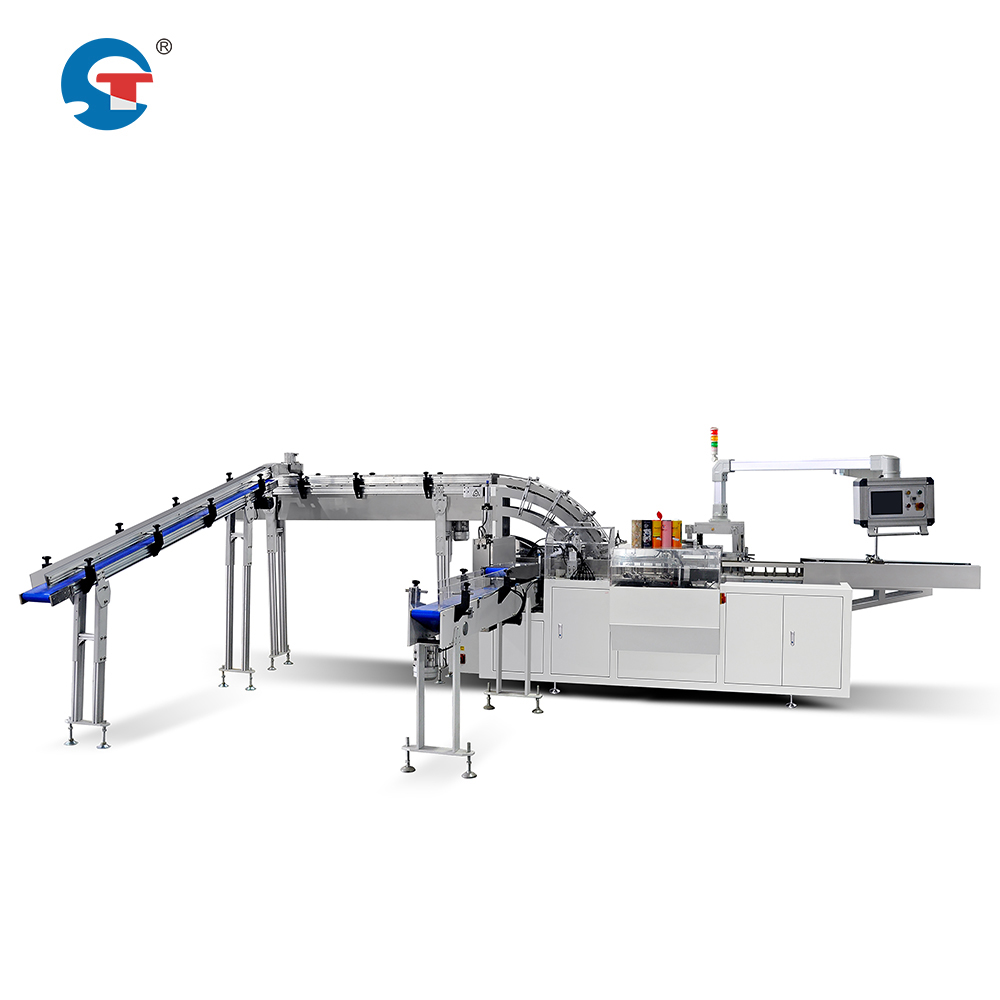
Modern manufacturing environments demand unprecedented levels of efficiency, precision, and scalability to remain competitive in today's global marketplace. The integration of packaging machinery into production lines has emerged as a transformative strategy that fundamentally reshapes how companies approach their manufacturing processes. This comprehensive approach to automation extends beyond simple mechanization, creating interconnected systems that optimize every aspect of the packaging workflow while delivering measurable improvements in productivity, quality, and operational efficiency.
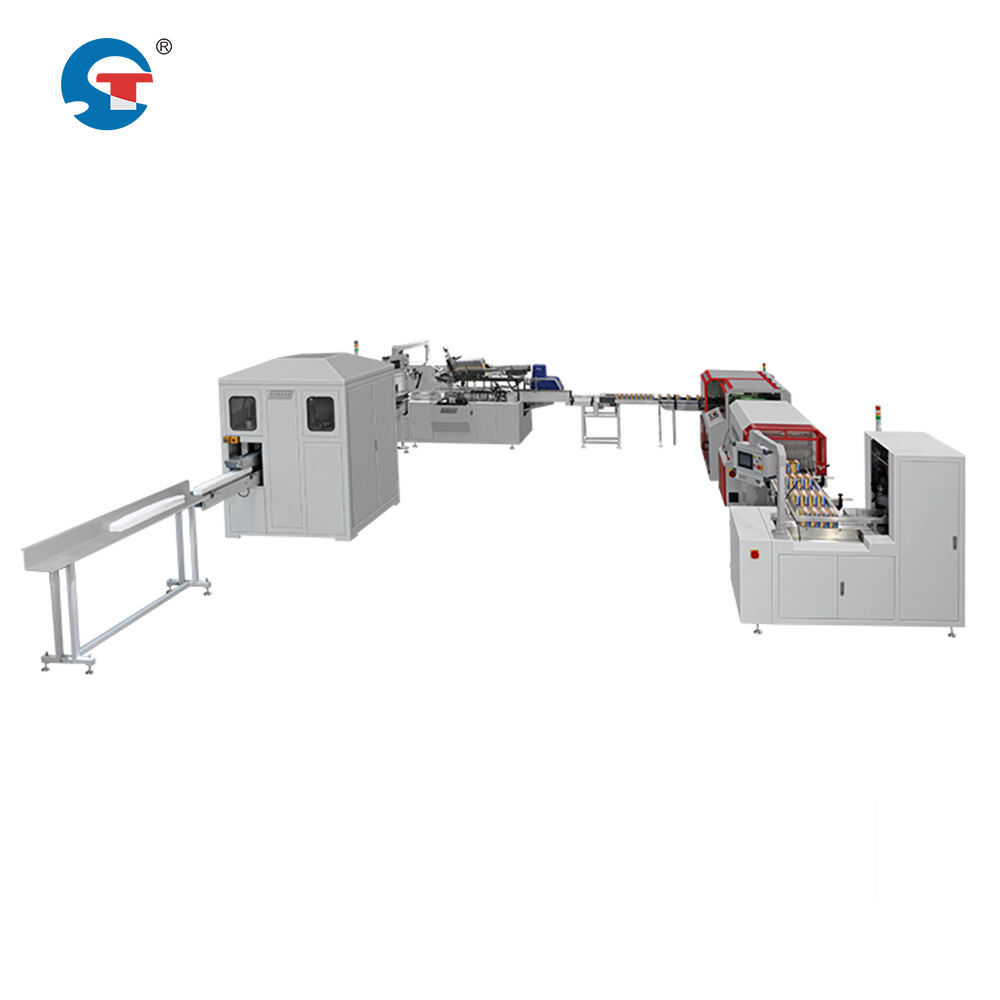
The strategic implementation of automated packaging systems represents a paradigm shift from traditional manual processes to sophisticated technological solutions. Companies across diverse industries are discovering that integrated packaging machinery not only addresses immediate operational challenges but also positions them for sustainable long-term growth. This transformation touches every aspect of the manufacturing process, from raw material handling to final product distribution, creating a seamless flow that maximizes value at every stage.
Understanding the multifaceted advantages of packaging machinery integration requires examining both the immediate operational benefits and the broader strategic implications for business growth. These systems deliver quantifiable improvements in key performance indicators while simultaneously addressing complex challenges related to labor management, quality control, and regulatory compliance. The following analysis explores how modern packaging automation creates competitive advantages that extend far beyond the production floor.
Enhanced Production Efficiency and Throughput
Automated Speed Optimization
Integrated packaging machinery delivers unprecedented speed improvements that fundamentally transform production capacity. Modern automated systems operate at consistent velocities that far exceed human capabilities, processing thousands of units per hour while maintaining unwavering precision. This acceleration in throughput directly translates to increased revenue potential and improved customer satisfaction through faster order fulfillment.
The sophisticated control systems embedded within contemporary packaging machinery enable dynamic speed adjustments based on real-time production demands. These intelligent systems automatically optimize processing rates to match upstream production flows, eliminating bottlenecks that traditionally constrained overall line efficiency. Advanced sensors continuously monitor system performance, making micro-adjustments that maximize throughput while preserving product integrity.
Speed optimization extends beyond simple velocity increases to encompass the elimination of manual handling delays and transition times between different packaging formats. Automated changeover capabilities allow packaging machinery to seamlessly switch between product variants without extended downtime, maintaining consistent production momentum throughout diverse manufacturing runs.
Continuous Operation Capabilities
The integration of packaging machinery enables continuous operation capabilities that dramatically extend productive hours beyond traditional shift limitations. Automated systems can operate around the clock with minimal human supervision, effectively tripling production capacity compared to manual operations. This extended operational window creates opportunities for meeting increased demand without proportional increases in labor costs.
Modern packaging machinery incorporates predictive maintenance technologies that anticipate potential issues before they cause production interruptions. These systems continuously monitor component wear, lubrication levels, and operational parameters to schedule maintenance activities during planned downtime periods. This proactive approach minimizes unexpected failures and maximizes equipment availability.
Continuous operation benefits extend to improved energy efficiency through optimized power consumption patterns. Automated packaging machinery can adjust energy usage based on production schedules, reducing utility costs during off-peak hours while maintaining full operational readiness. This intelligent energy management contributes to both cost reduction and environmental sustainability objectives.
Superior Quality Control and Consistency
Precision Engineering Standards
Automated packaging machinery delivers unparalleled precision that ensures every package meets exact specifications with microscopic accuracy. These systems utilize advanced servo motors, precision guides, and computer-controlled positioning to achieve tolerances measured in fractions of millimeters. This level of precision eliminates the variability inherent in manual packaging processes, creating uniformly consistent products that enhance brand reputation.
The integration of vision systems and quality sensors within packaging machinery enables real-time inspection and correction of packaging defects. These sophisticated monitoring systems can detect variations in package dimensions, seal integrity, label placement, and product positioning, automatically rejecting defective items before they enter the distribution chain. This immediate quality control prevents costly recalls and maintains customer confidence.
Precision engineering extends to material handling capabilities that minimize product damage during the packaging process. Gentle handling mechanisms and controlled pressure applications ensure that delicate products maintain their integrity throughout automated processing. This careful treatment reduces waste and preserves product quality while maintaining high-speed operation.
Standardized Process Control
Integrated packaging machinery establishes standardized process control that eliminates human variability from critical packaging operations. Automated systems execute identical procedures for every package, ensuring consistent sealing pressures, fill levels, and closure torques across entire production runs. This standardization creates predictable outcomes that support quality assurance programs and regulatory compliance requirements.
Advanced process control systems incorporate statistical process control capabilities that continuously monitor packaging parameters and identify trends before they affect product quality. These systems generate detailed documentation of every packaging operation, creating comprehensive audit trails that support quality certifications and regulatory submissions. This data-driven approach to quality management enables continuous improvement initiatives and proactive problem resolution.
Standardized processes also facilitate training and knowledge transfer by eliminating the subjective elements of manual packaging operations. New operators can quickly understand automated system requirements without extensive hands-on experience, reducing training time and improving overall workforce capability. This consistency in process execution supports scalable operations and reduces dependency on specialized skills.
Significant Cost Reduction Opportunities
Labor Cost Optimization
The implementation of packaging machinery creates substantial labor cost reductions by automating repetitive tasks that traditionally required multiple operators. A single automated line can replace several manual packaging stations while delivering superior throughput and quality consistency. This workforce optimization enables companies to redirect human resources toward higher-value activities such as quality analysis, maintenance, and process improvement.
Automated packaging systems reduce labor-related costs beyond direct wage savings, including benefits, training, turnover, and workers' compensation expenses. The consistent operation of packaging machinery eliminates productivity variations associated with human factors such as fatigue, breaks, and skill differences. This predictable performance enables more accurate production planning and cost forecasting.
Labor optimization also addresses the growing challenge of workforce availability in manufacturing environments. Packaging machinery provides a reliable solution to labor shortages while maintaining production capacity and quality standards. This independence from labor market fluctuations creates operational stability and reduces recruitment pressures in competitive employment markets.
Material Waste Minimization
Integrated packaging machinery significantly reduces material waste through precise measurement and application systems that eliminate overuse of packaging materials. Automated dispensing systems deliver exact amounts of adhesives, labels, and protective materials, minimizing consumption while maintaining packaging integrity. This precision directly impacts material costs and supports sustainability initiatives.
Advanced cutting and forming systems within packaging machinery optimize material utilization by minimizing trim waste and maximizing yield from raw materials. Computer-controlled cutting patterns can reduce material consumption by significant percentages compared to manual operations, creating substantial cost savings on high-volume production runs. These efficiency gains compound over time to deliver meaningful financial impact.
Waste minimization extends to reduced product damage during the packaging process, eliminating costs associated with rework, disposal, and replacement of damaged goods. The gentle handling characteristics of modern packaging machinery preserve product integrity while maintaining high processing speeds, reducing overall production costs and improving profitability.
Advanced Safety and Compliance Benefits
Workplace Safety Enhancements
Packaging machinery integration creates significantly safer working environments by removing operators from direct contact with moving equipment and potentially hazardous materials. Automated systems incorporate multiple safety features including light curtains, emergency stops, and protective barriers that prevent workplace injuries. This enhanced safety profile reduces workers' compensation costs and creates more attractive working conditions for employees.
Modern packaging machinery includes sophisticated safety monitoring systems that continuously assess operational conditions and automatically shut down equipment when unsafe conditions are detected. These intelligent safety systems prevent accidents before they occur, protecting both personnel and equipment from damage. Advanced diagnostics also identify potential safety issues during routine maintenance activities.
Safety enhancements extend to ergonomic improvements that reduce repetitive stress injuries and physical strain associated with manual packaging operations. Automated material handling eliminates heavy lifting requirements and reduces repetitive motions that can cause long-term health problems. This ergonomic improvement contributes to better employee satisfaction and reduced medical costs.
Regulatory Compliance Support
Integrated packaging machinery provides robust support for regulatory compliance requirements through automated documentation and process validation capabilities. These systems generate detailed records of packaging operations, including temperatures, pressures, timing, and material usage that satisfy regulatory audit requirements. Automated data collection eliminates human error in record-keeping and ensures comprehensive documentation.
Packaging machinery systems can be programmed to enforce regulatory requirements automatically, preventing non-compliant packages from entering the distribution chain. These systems validate package weights, seal integrity, labeling accuracy, and other critical parameters that must meet regulatory standards. This automated compliance checking reduces the risk of regulatory violations and associated penalties.
Advanced traceability capabilities within packaging machinery enable complete product tracking from raw materials through final distribution. This comprehensive tracking supports recall procedures and regulatory investigations while demonstrating due diligence in product safety management. Automated traceability systems create detailed audit trails that satisfy the most stringent regulatory requirements.
Scalability and Future-Proofing Advantages
Flexible Production Adaptation
Modern packaging machinery provides exceptional scalability that enables companies to adapt production capacity to changing market demands without major capital investments. Modular system designs allow for incremental capacity increases through the addition of processing stations or parallel lines. This scalable architecture supports business growth while minimizing financial risk during expansion phases.
Flexible packaging machinery can accommodate multiple product formats and package sizes through programmable changeover systems that require minimal manual intervention. This versatility enables companies to respond quickly to market opportunities and customer requirements without dedicated equipment for each product variant. The ability to switch between different packaging configurations creates operational agility that supports competitive positioning.
Advanced packaging machinery incorporates communication protocols and data interfaces that facilitate integration with existing production systems and future technology upgrades. This connectivity ensures that packaging investments remain relevant as manufacturing technologies evolve, protecting capital investments while enabling continuous improvement initiatives.
Technology Integration Capabilities
Packaging machinery systems provide platforms for integrating emerging technologies such as artificial intelligence, machine learning, and predictive analytics that enhance operational performance. These advanced capabilities enable continuous optimization of packaging parameters based on real-time data analysis and historical performance patterns. Technology integration creates opportunities for ongoing performance improvements without equipment replacement.
Modern packaging machinery supports Industry 4.0 initiatives through comprehensive data collection and analysis capabilities that enable smart manufacturing implementations. These systems generate vast amounts of operational data that can be analyzed to identify optimization opportunities and predict maintenance requirements. This data-driven approach to manufacturing creates competitive advantages through improved efficiency and reduced costs.
Integration capabilities extend to supply chain management systems that coordinate packaging operations with inventory management, production scheduling, and distribution planning. This comprehensive integration creates synchronized operations that optimize overall supply chain performance while reducing working capital requirements and improving customer service levels.
FAQ
How quickly can packaging machinery integration improve production efficiency?
Most companies experience immediate efficiency improvements within the first few weeks of packaging machinery implementation, with throughput increases of 200-500% being common. The full benefits typically realize within 3-6 months as operators become familiar with the systems and optimization adjustments are completed. Some manufacturers report payback periods as short as 12-18 months due to the substantial productivity gains and cost reductions achieved through automation.
What maintenance requirements should companies expect with integrated packaging machinery?
Modern packaging machinery requires scheduled preventive maintenance similar to other automated equipment, typically involving daily inspections, weekly lubrication, and monthly component checks. Most systems include predictive maintenance capabilities that alert operators to potential issues before failures occur. Overall maintenance costs are generally lower than the labor costs associated with manual packaging operations, and the reduced downtime more than compensates for maintenance investments.
Can packaging machinery handle multiple product types on the same production line?
Yes, contemporary packaging machinery is designed with flexibility in mind, capable of handling multiple product sizes, formats, and packaging materials through programmable changeover systems. Many systems can switch between different products within minutes using stored recipes and automated adjustments. This versatility eliminates the need for dedicated equipment for each product variant, maximizing equipment utilization and return on investment.
What training is required for operators to work with integrated packaging machinery?
Operator training for modern packaging machinery typically requires 1-2 weeks of initial instruction followed by ongoing skill development. Most systems feature intuitive touchscreen interfaces and automated guidance systems that simplify operation and reduce training time. Manufacturers usually provide comprehensive training programs, documentation, and ongoing support to ensure optimal system performance and operator confidence.
Table of Contents
- Enhanced Production Efficiency and Throughput
- Superior Quality Control and Consistency
- Significant Cost Reduction Opportunities
- Advanced Safety and Compliance Benefits
- Scalability and Future-Proofing Advantages
-
FAQ
- How quickly can packaging machinery integration improve production efficiency?
- What maintenance requirements should companies expect with integrated packaging machinery?
- Can packaging machinery handle multiple product types on the same production line?
- What training is required for operators to work with integrated packaging machinery?