
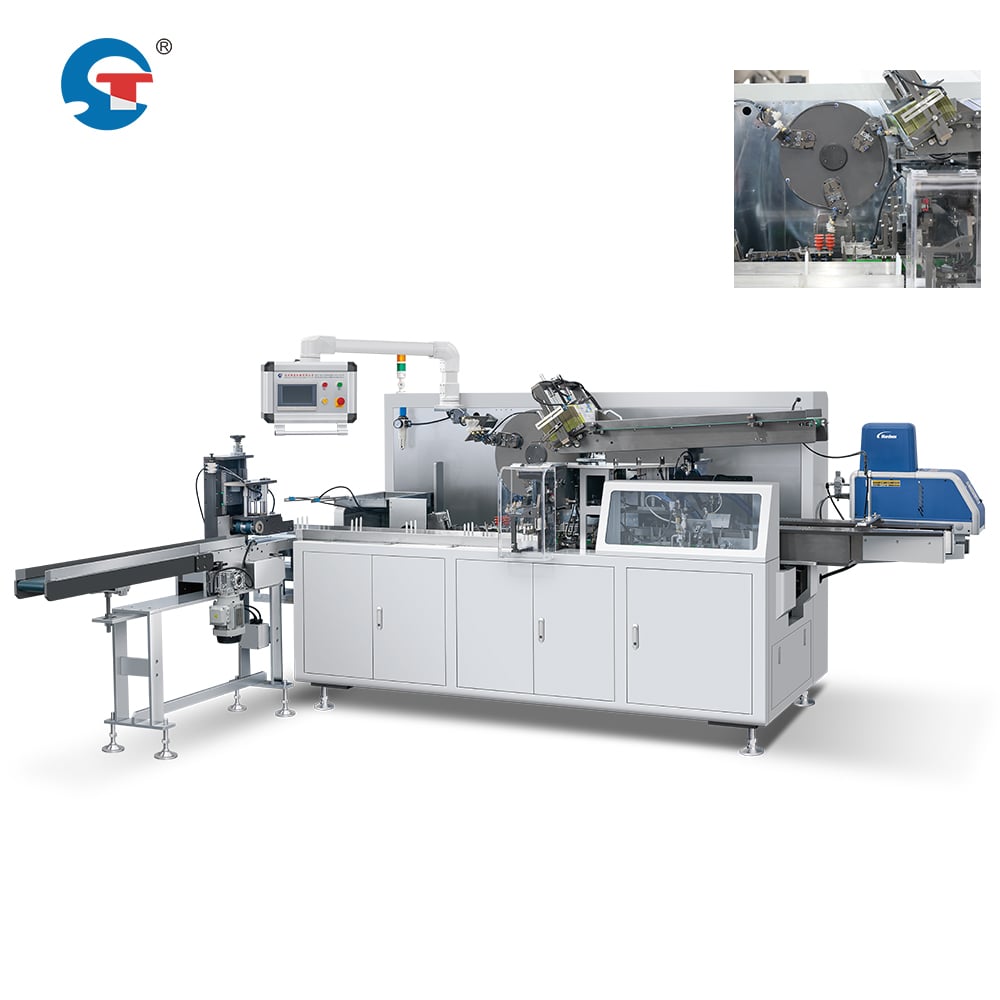
Yes, a high speed cartoner can handle complex carton packaging requirements when its format range, feeding method, closing system, and controls match the product and carton design. Complexity does not automatically rule out high output; it makes specification and validation more important. An automatic packaging machine for pharmaceuticals, for example, may need to manage leaflets, product orientation, and traceable process settings as well as carton forming.
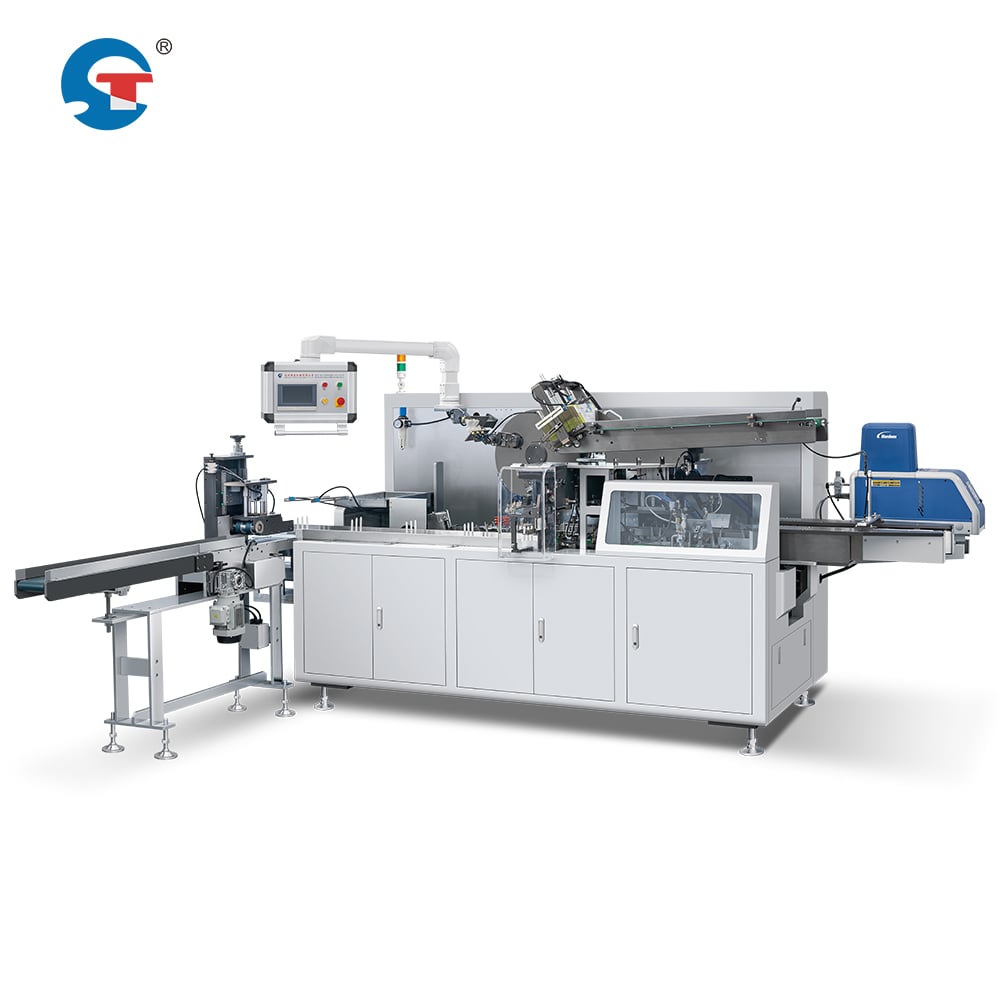
The practical answer depends on what makes the pack complex: unusual dimensions, multiple components, fragile contents, variable artwork, or a demanding closure. A high speed packaging line integration plan must account for upstream product delivery and downstream case handling, not just the cartoner itself. Reviewing carton sealing equipment specifications alongside real samples helps distinguish a manageable design challenge from a requirement that calls for engineering changes.
Assessing Carton and Product Complexity
Format range and material behavior
Start by defining the full range of carton lengths, widths, depths, board grades, and flap styles. An automatic packaging machine for pharmaceuticals may process a compact carton with a leaflet, while another product uses a deeper box or a tight tuck closure. The machine must erect each blank consistently without crushing corners or distorting panels. Review carton sealing equipment specifications for supported dimensions and closure methods, then confirm those limits against actual production materials.
A high speed cartoner handles variation best when blanks arrive accurately cut, scored, and supplied in a consistent stack. Board stiffness, coating, grain direction, and humidity can affect pickup and folding, so representative samples matter more than nominal dimensions alone. The automatic packaging machine for pharmaceuticals should be assessed with the real carton and contents, including tolerance variation. This is also where carton sealing equipment specifications should clarify adjustment ranges, tooling needs, and the formats that require separate change parts.
Product protection and pack components
Complexity often comes from the contents rather than the carton. Bottles, tubes, sachets, tissue packs, leaflets, and dividers can require different loading orientations and product-handling controls. An automatic packaging machine for pharmaceuticals may need to insert a folded leaflet before loading the product, while a consumer pack may need partitions to prevent movement. Confirm that the cartoner can detect missing or incorrectly positioned components and safely reject affected packs.
The key is matching the loading sequence to product behavior. A high speed cartoner may use manual loading, a magazine feeder, or a synchronized automatic infeed, depending on product shape and presentation. Its operating window should account for product stability, insertion depth, and the time required for each motion. When reviewing carton sealing equipment specifications, include the impact of loaded carton weight and the closure’s ability to remain secure through handling. These details help prevent a carton that forms well but fails later in the line.
Engineering Feeding, Sealing, and Changeovers
Feeding and insertion controls
A reliable feed path starts with controlled blank separation and carton opening. Sensors and mechanical guides need to recognize a usable blank, keep it square, and coordinate it with product arrival. High speed packaging line integration is especially important when an upstream machine releases products at a variable pace. The automatic packaging machine for pharmaceuticals must receive clear signals for ready, blocked, and fault conditions so a pause upstream does not create a cascade of jams or incomplete packs.
Where multiple components are inserted, define their order and verification points before finalizing the machine layout. Leaflet orientation, product count, and carton presence can each require a separate check. A high speed cartoner should allow rejected packs to leave the process without interrupting acceptable product flow, where the design supports that function. For carton sealing equipment specifications, ask how sensors, reject logic, and component timing behave during restart and format change; nominal running speed alone cannot describe dependable performance.
Closure quality and repeatable changeovers
Tuck flaps, glue closures, and other sealing methods have different process needs. Board memory, adhesive application, compression time, and flap geometry all influence whether a seal holds. Carton sealing equipment specifications should identify the applicable closure style and the adjustments required for each carton family. An automatic packaging machine for pharmaceuticals may also need inspection or recording procedures suited to its production controls, but the appropriate checks depend on the product and operating requirements.
Frequent format changes can make a technically capable machine difficult to use if adjustment points are unclear. Specify which guides, magazines, tooling, and recipes change between cartons, and ask whether settings can be recalled consistently. High speed packaging line integration also includes changeover coordination: connected equipment must be ready for the new format at the same time. A high speed cartoner is more practical for mixed production when change parts are accessible, adjustments are repeatable, and operators can verify the first acceptable packs before returning to normal output.
Verifying Line Fit Before Commitment
Integration and performance testing
Assess the cartoner as one station within a complete process. Product spacing, transfer heights, guarding, utilities, operator access, and reject handling all influence how it fits into the facility. High speed packaging line integration should define interface signals and expected behavior during stops, faults, and restart. Confirm the available footprint and downstream capacity as well; a cartoner cannot sustain useful throughput if the next machine routinely blocks its discharge.
Testing should use production-representative cartons, products, and components, not only ideal samples. Measure successful carton opening, component presence, closure quality, and the frequency and cause of rejected packs across relevant formats. For an automatic packaging machine for pharmaceuticals, include the documentation and process checks required by the site. A high speed cartoner assessment should also examine stable operation over a meaningful run, since a brief demonstration may not reveal material variation or gradual feed issues.
Specification decisions that reduce risk
Prepare a format matrix that captures each carton dimension, board type, closure, product configuration, insert, and target operating condition. Use it to compare requirements with carton sealing equipment specifications and identify gaps that need a trial or design review. High speed packaging line integration should be documented in the same exercise, including upstream delivery limits, downstream acceptance, control ownership, and recovery steps. This creates a shared basis for engineering, operations, and quality teams.
The decision should be based on verified capability, not the label of the machine or its stated maximum speed. Ask which formats run with standard adjustments, which need change parts, and which require custom tooling or further testing. An automatic packaging machine for pharmaceuticals should be evaluated against the specific pack and site controls, rather than assumed to suit every regulated product. When trials confirm feeding, insertion, closure, and integration, a high speed cartoner can be a sound solution for complex cartons; unresolved limits should be addressed before purchase or installation.
FAQ
Can one cartoner run several carton sizes?
Often, yes, if each size falls within the machine’s supported range and required change parts are available. Review carton sealing equipment specifications for the full format envelope, then test representative blanks. A high speed cartoner may need guide, magazine, or tooling changes between formats, so include changeover time and verification in the production plan.
What should a pharmaceutical pack trial include?
Use the actual product, carton, and leaflet, and verify orientation, presence, closure, rejects, and restart behavior. An automatic packaging machine for pharmaceuticals should also be assessed against site documentation and quality procedures. Include high speed packaging line integration checks so machine signals and downstream handling work with the intended process.
Does a complex carton always reduce line speed?
Not always, but extra folding, insertion, inspection, or sealing steps can affect achievable output. Test the complete pack under realistic material conditions instead of relying on a nominal rate. Confirm carton sealing equipment specifications and upstream supply behavior; high speed packaging line integration can reveal constraints beyond the cartoner’s own cycle.