
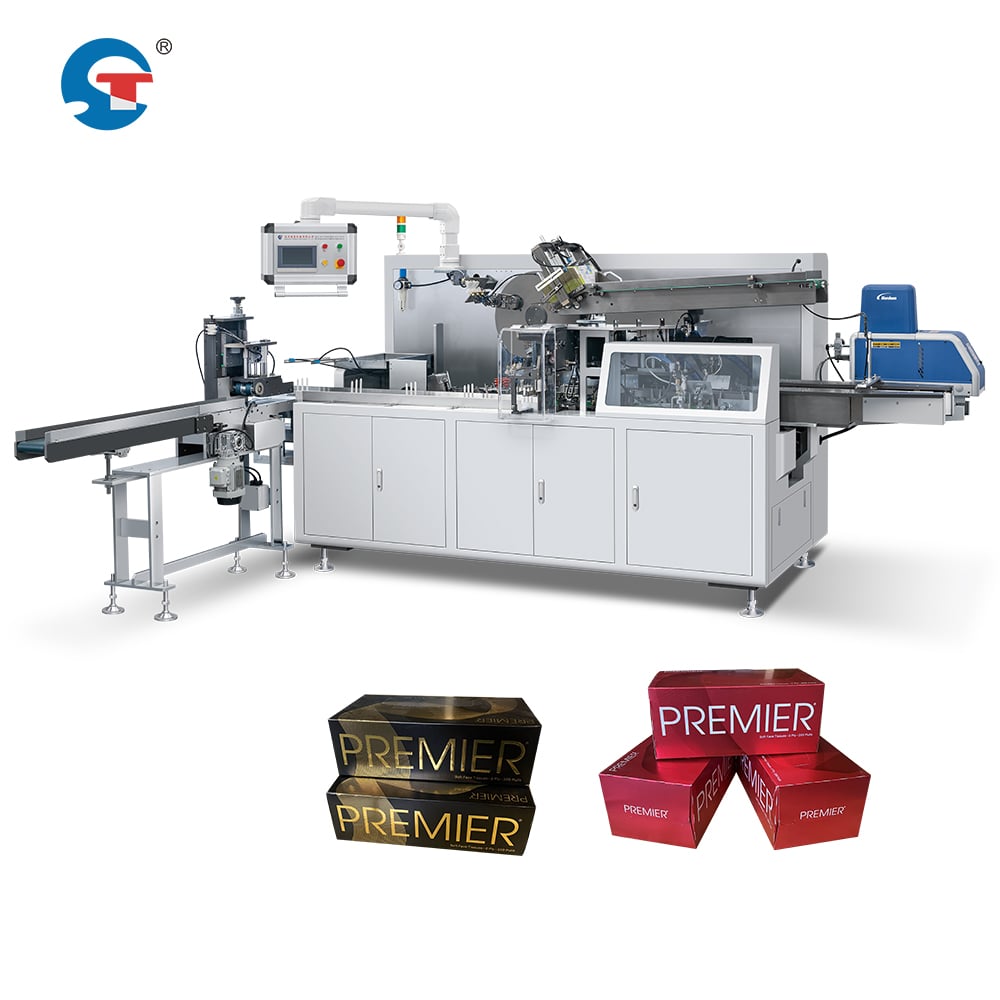
A high speed cartoner matters when a packaging facility must increase output without losing control of carton quality, product flow, or changeovers. It automates a production step that can otherwise constrain the line, helping teams coordinate product insertion, carton forming, and closure. Its value is clearest when demand is steady, labor is stretched, or packaging steps need better synchronization with an automatic case packing machine and other high speed packaging solutions.
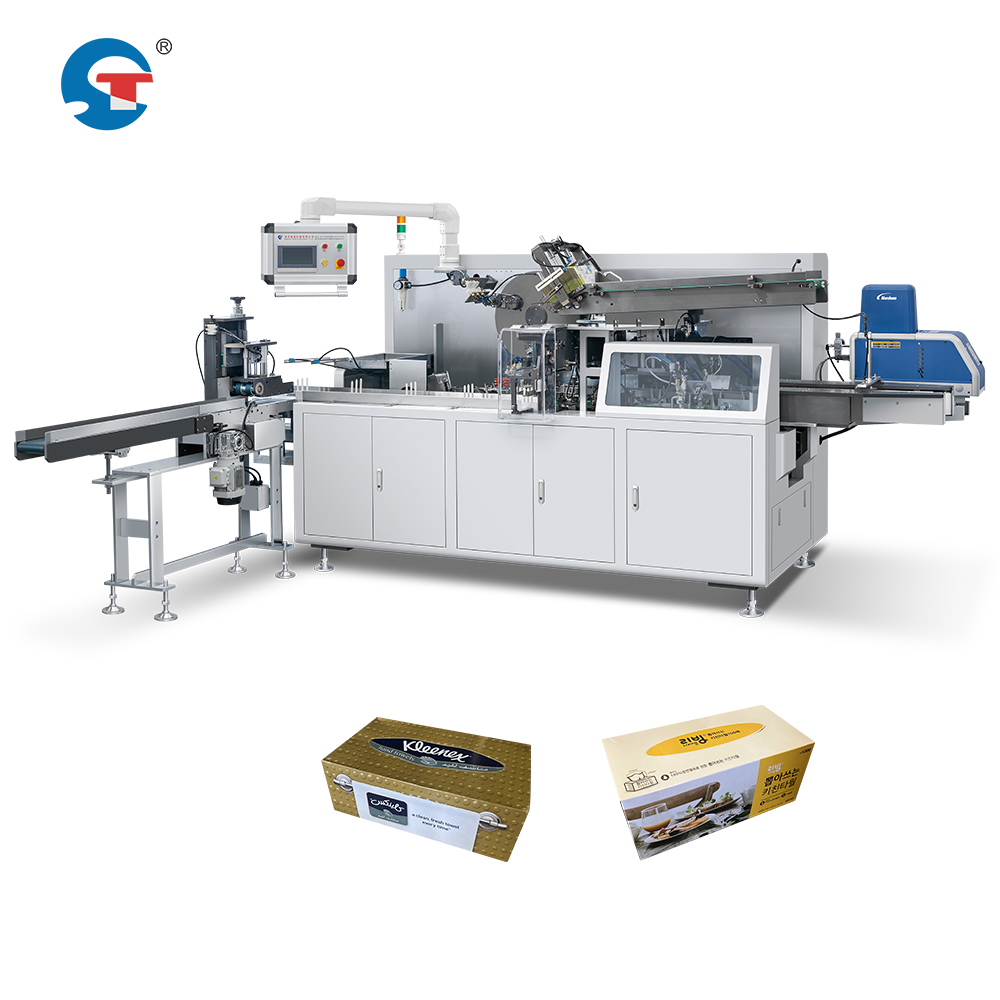
The importance is not speed alone. Modern facilities need equipment that can maintain repeatable presentation, support traceable workflows, and fit the space and operating practices already in place. A high speed cartoner can contribute to these goals when its capacity, feeding method, and controls match the products being packed, including applications using cartoning equipment for pharmaceuticals.
Production benefits of a high speed cartoner
Throughput that supports the full line
A cartoner can remove a manual or slower packaging bottleneck between product preparation and shipping cases. When upstream equipment supplies products consistently, the machine forms cartons, loads items, and closes packs in a controlled sequence. Facilities can evaluate an automatic case packing machine alongside the cartoner to understand whether case loading or another downstream step will become the next constraint.
The practical gain comes from balancing line speed rather than maximizing one machine in isolation. A high speed packaging solutions plan should consider product spacing, carton blanks, rejects, and downstream accumulation. If the cartoner runs faster than the feeding process can support, interruptions may erase the expected benefit; coordinated rates and suitable buffers make capacity more usable.
More consistent carton handling
Automated carton handling can standardize repeated movements that are difficult to sustain manually over long shifts. A machine can present cartons in a consistent orientation and apply a defined closing sequence, supporting more uniform packs. This is valuable for cartoning equipment for pharmaceuticals, where packaging procedures, inspection steps, and documentation requirements must be considered together.
Consistency still depends on correct setup. Carton dimensions, board characteristics, product orientation, and feeding stability all affect performance. Teams should verify that the automatic case packing machine receives acceptable packs and that the cartoner’s inspection and reject logic suit the line’s quality plan, rather than assuming automation eliminates process variation.
Operational control and packaging quality
Repeatable processes and clear checks
Modern packaging facilities need a process that operators can monitor and adjust without relying on informal workarounds. A high speed cartoner can make key stages more repeatable, while machine settings and routine checks provide a clearer basis for troubleshooting. For cartoning equipment for pharmaceuticals, teams should align these checks with approved packaging instructions and applicable site procedures.
Useful checks include carton presence, product presence, closure condition, and correct code or label placement where those functions are integrated. An automatic case packing machine downstream should receive cartons in a stable, predictable condition. When a fault occurs, visible alarms and a documented response help operators distinguish a feeding issue from a carton, product, or downstream transfer problem.
Packaging quality across product changes
Facilities that handle several sizes or formats should assess how a cartoner supports changeovers. Accessible adjustment points, clearly documented settings, and practical tooling changes can reduce setup confusion. These details matter as much as rated output when high speed packaging solutions must accommodate varied schedules and frequent format transitions.
Product protection and presentation also depend on a suitable carton fit. Teams should test representative products and carton materials under realistic operating conditions, then confirm that closure, orientation, and printed information remain acceptable. Cartoning equipment for pharmaceuticals may require additional checks based on product handling and packaging controls, so format approval should include relevant quality personnel.
Facility fit and long-term operating value
Integration with people, space, and equipment
A cartoner earns its place when it fits the physical line and the work around it. Review infeed direction, operator access, replenishment space, guarding, utilities, and the route for removing rejected packs. An automatic case packing machine should be considered as part of the same material flow, because transfers, elevations, and accumulation areas can influence the performance of both machines.
Integration also includes controls and information. Operators need to understand status indicators, safe recovery steps, and the conditions that require maintenance support. If high speed packaging solutions are being added to an established facility, assess how the equipment will communicate with existing line controls and how production records will capture relevant events.
A practical investment decision
The business case should compare current losses and constraints with realistic operating requirements. Consider labor allocation, changeover demands, rejected packs, cleaning needs, service access, and the cost of line downtime. A high speed cartoner is most useful when it addresses a defined constraint and when planned output can be supported by materials, staffing, and downstream capacity.
Trials should use representative cartons and products, not only ideal samples. Measure stable running behavior, recovery after stops, and the effort needed to restore the correct format. For cartoning equipment for pharmaceuticals, review documentation and process controls as part of the evaluation. These steps help determine whether high speed packaging solutions are operationally suitable, not simply technically possible.
Finally, plan for ownership after installation. Training, preventive maintenance, spare parts strategy, and clear escalation paths influence whether the line remains dependable. Teams can assess the high speed cartoner against their product, carton, and facility requirements, then confirm fit through a structured technical review. A considered selection makes automation easier to operate and sustain.
FAQ
Why does a high speed cartoner matter if the line already runs quickly?
A fast upstream process can still be limited by manual carton packing or inconsistent handoffs. An automatic case packing machine and a cartoner should be assessed together so that each stage supports the required flow. The goal is balanced output, not speed at one isolated station.
Is cartoning equipment for pharmaceuticals suitable for every facility?
Suitability depends on product format, carton specifications, operating procedures, and site quality controls. Cartoning equipment for pharmaceuticals should be reviewed with production and quality teams, while an automatic case packing machine may also need validation for the intended downstream pack. Confirm requirements before committing to a line configuration.
What should a facility verify before adopting high speed packaging solutions?
Check product and carton compatibility, changeover needs, operator access, line integration, and support arrangements. High speed packaging solutions work best when feeding and downstream capacity are aligned. Confirm performance using representative materials, and ensure cartoning equipment for pharmaceuticals meets relevant facility procedures before routine production.