
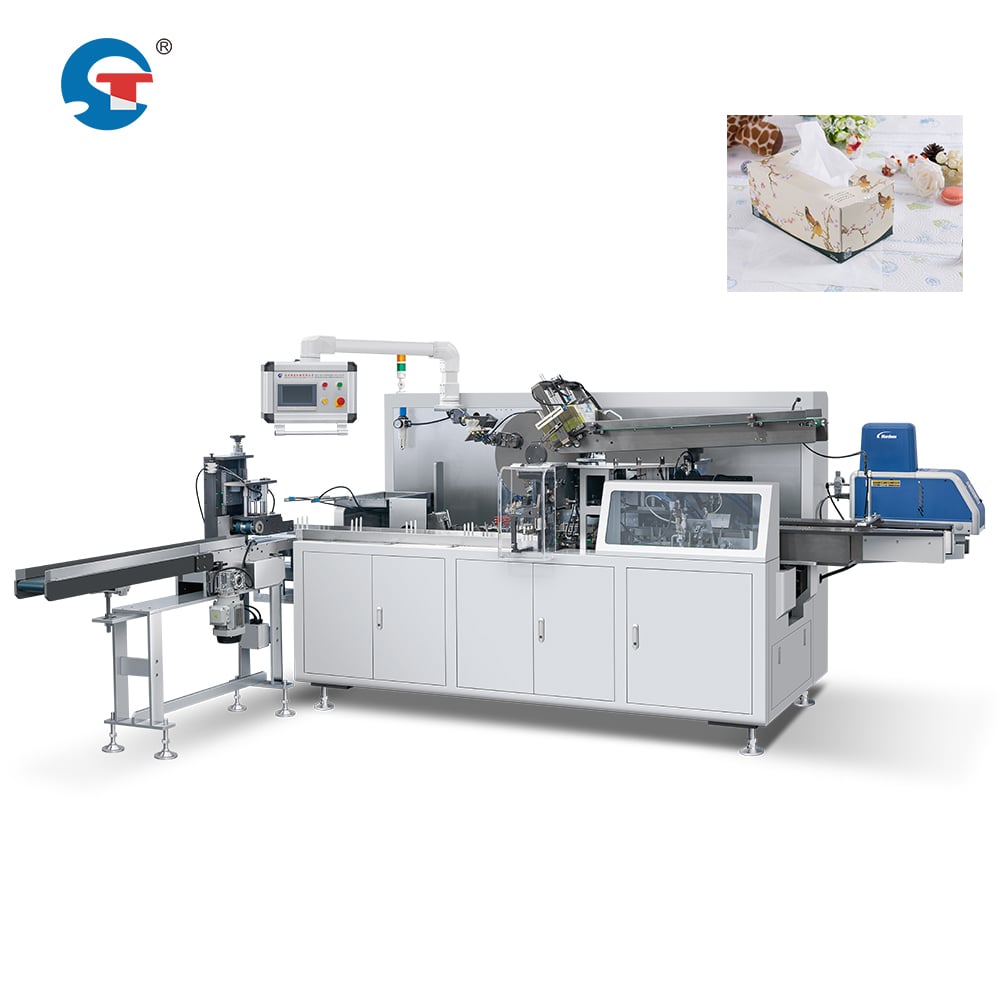
A high speed cartoner supports growing manufacturing demands by increasing the pace of carton forming, product loading, and closing while keeping those steps coordinated. Its value is not simply a higher machine rate. Manufacturers need output that matches product supply, packaging requirements, labor availability, and the next stage of the line.
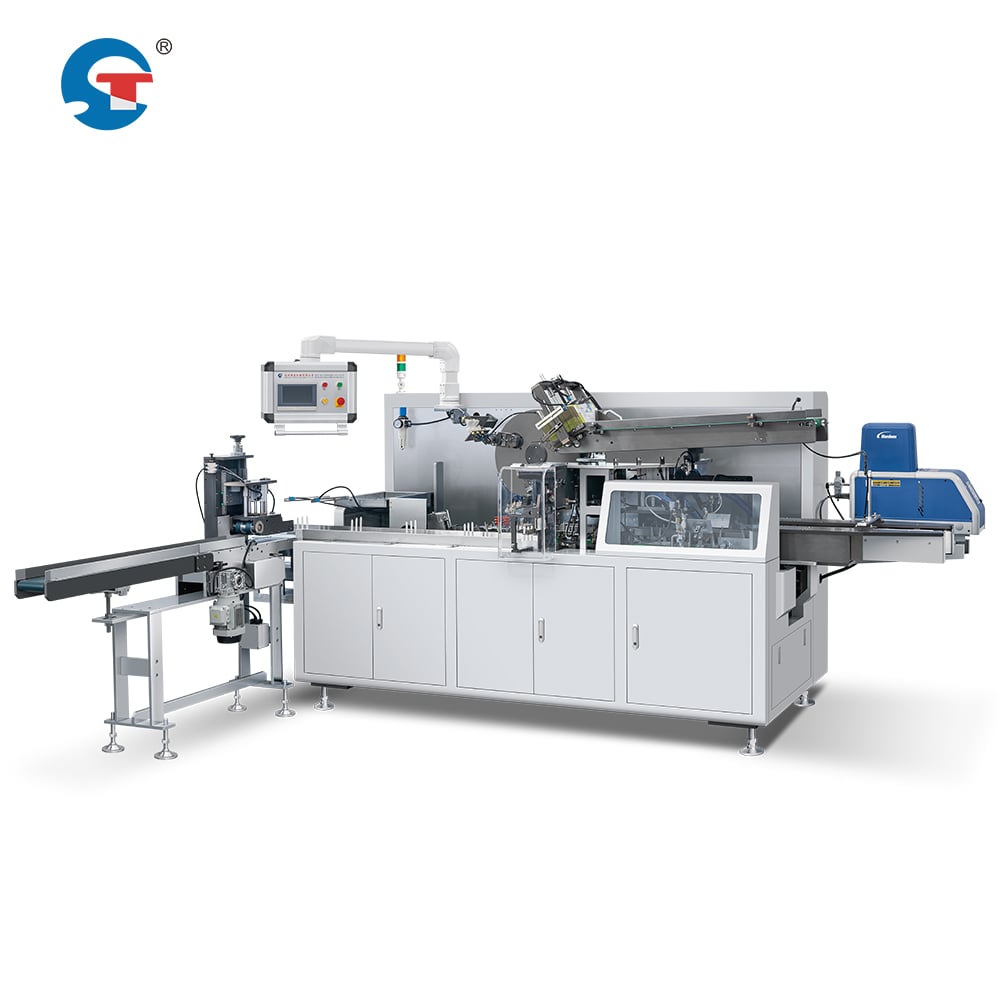
The right approach starts with identifying where demand is putting pressure on current operations: carton loading, changeovers, inspection, or downstream handling. A cartoning machine for pharmaceutical packaging may have different documentation and product-handling needs from high speed packaging machinery for food industry applications. Understanding those differences helps a plant add capacity without creating a new bottleneck.
How added cartoning capacity supports output growth
More coordinated carton handling
As order volumes rise, manual or disconnected steps can limit the whole line even when the filling process has spare capacity. A cartoning machine for pharmaceutical packaging brings carton erection, product insertion, and closing into a controlled sequence, helping reduce reliance on separate handling tasks. The result is a more predictable flow that production planners can align with shift targets.
The equipment must be sized against actual demand, not a single peak-rate figure. Teams should review product presentation, carton dimensions, replenishment intervals, and planned operating hours. High speed packaging machinery for food industry lines also has to keep pace with upstream product delivery, while automatic case packing equipment must accept completed cartons at a rate that avoids accumulation.
Less pressure at downstream stages
A faster cartoning operation creates value only when cartons can move onward smoothly. If case forming, packing, coding, or palletizing cannot handle the new flow, cartons may queue and interrupt production. Automatic case packing equipment should therefore be considered as part of the same capacity plan, with transfer points and buffer space reviewed before the line is changed.
This integrated view is especially useful when a plant is expanding a product family or adding shifts. It reveals whether the constraint is truly carton handling or a later operation. For a cartoning machine for pharmaceutical packaging, this review can also account for inspection and recordkeeping steps that influence the practical rate, rather than relying only on a nominal machine speed.
How the machine fits changing product and packaging needs
Managing product formats and changeovers
Growing demand often brings more than higher volume; it can introduce additional carton sizes, inserts, or product configurations. A cartoning machine for pharmaceutical packaging should be evaluated for the format range it can accommodate and the adjustments required between runs. Clear changeover procedures help teams limit avoidable downtime while maintaining the specified carton presentation.
Manufacturers should document the parts, settings, and checks associated with each format. This makes changeovers easier to plan and supports consistent operation across shifts. High speed packaging machinery for food industry applications faces similar pressures when pack sizes or seasonal products change, so flexibility should be weighed alongside running rate and the time needed to return to stable production.
The product itself also determines how loading should work. Fragile, irregular, or orientation-sensitive items may need carefully controlled feeding rather than a simple increase in speed. A cartoning machine for pharmaceutical packaging must suit the product and package combination, while automatic case packing equipment needs to handle the resulting cartons without damaging them or disrupting their orientation.
Matching automation to the full line
Automation decisions should follow a map of material and information flow. Confirm how cartons arrive, how products are presented, where rejects are removed, and how completed packs transfer to case handling. Automatic case packing equipment can reduce manual transfer demands when its infeed and case pattern match the cartoner’s output, but interfaces and operating controls still need deliberate coordination.
For food producers, high speed packaging machinery for food industry settings should be assessed against cleaning routines, package materials, and the product’s handling characteristics. For regulated products, the cartoning machine for pharmaceutical packaging must fit the plant’s process controls and verification expectations. In both cases, operators need accessible settings, clear alarms, and procedures that make a higher output rate manageable in daily production.
How to plan a reliable capacity increase
Validate the rate under real conditions
Before committing to a target, measure the current line across representative products and shifts. Separate planned production time from stops caused by feeding, materials, adjustments, and downstream congestion. Then define the required sustained rate and the conditions for achieving it. High speed packaging machinery for food industry lines should be judged with its real product and packaging, not an idealized empty-line test.
A practical acceptance plan should include normal changeovers, replenishment, inspection, and recovery from minor interruptions. This gives operations teams a more useful picture than maximum speed alone. The same method applies to a cartoning machine for pharmaceutical packaging, where setup verification and product checks can affect the rate available for routine manufacturing.
Prepare people, materials, and maintenance
Higher equipment capacity depends on reliable access to cartons, inserts, and products, along with trained operators who can respond to routine stops. Automatic case packing equipment should be included in material planning so cases and related supplies do not become the limiting factor. Assigning responsibility for replenishment and startup checks helps maintain a steady flow across the shift.
Maintenance planning matters as production hours rise. Teams should understand inspection points, wear parts, cleaning requirements, and safe lockout procedures before a capacity change goes live. A cartoning machine for pharmaceutical packaging may also require documented checks suited to the site’s quality system. High speed packaging machinery for food industry operations benefits from maintenance timing that fits sanitation and production schedules.
Finally, phase the change rather than assuming that installation alone solves demand pressure. Confirm utilities, floor space, access for service, operator training, and connection to upstream and downstream controls. Automatic case packing equipment may need synchronized settings or revised buffer logic. Track stops and output after startup, then make adjustments based on observed causes instead of treating every shortfall as a need for more speed.
FAQ
Does a high speed cartoner automatically increase total line output?
Not by itself. Output improves when product feeding, carton handling, inspection, and downstream case packing can keep pace. Reviewing automatic case packing equipment and transfer points helps establish whether the cartoner is the actual constraint.
What should manufacturers assess before selecting a cartoner?
Assess product and carton formats, required sustained rate, changeover demands, operator workflow, and plant controls. A cartoning machine for pharmaceutical packaging may have distinct process requirements, while automatic case packing equipment needs to suit the finished carton flow.
How can food plants prepare for higher packaging speeds?
Validate the line with representative products, package materials, and cleaning routines. High speed packaging machinery for food industry operations should fit the actual process, and teams should confirm that staffing, supplies, maintenance, and downstream handling can support the planned production schedule.