
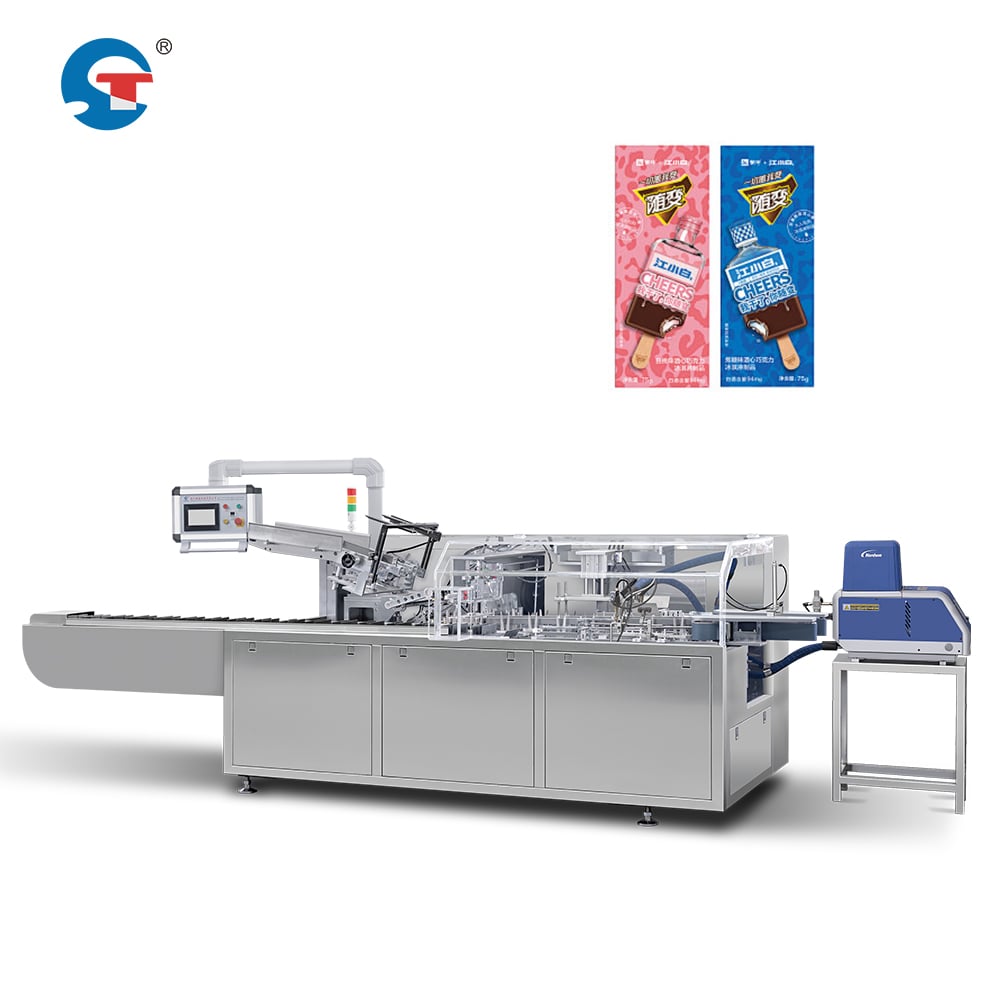
The frozen dessert industry faces unprecedented pressure to meet rapidly growing consumer demand across retail and foodservice channels. Modern ice cream packaging equipment has become essential infrastructure for manufacturers seeking to scale production while maintaining product quality, safety, and cost efficiency. As market consumption patterns shift toward premium flavors, specialty formats, and convenience-driven packaging, the role of advanced packaging solutions has moved from operational necessity to competitive advantage.
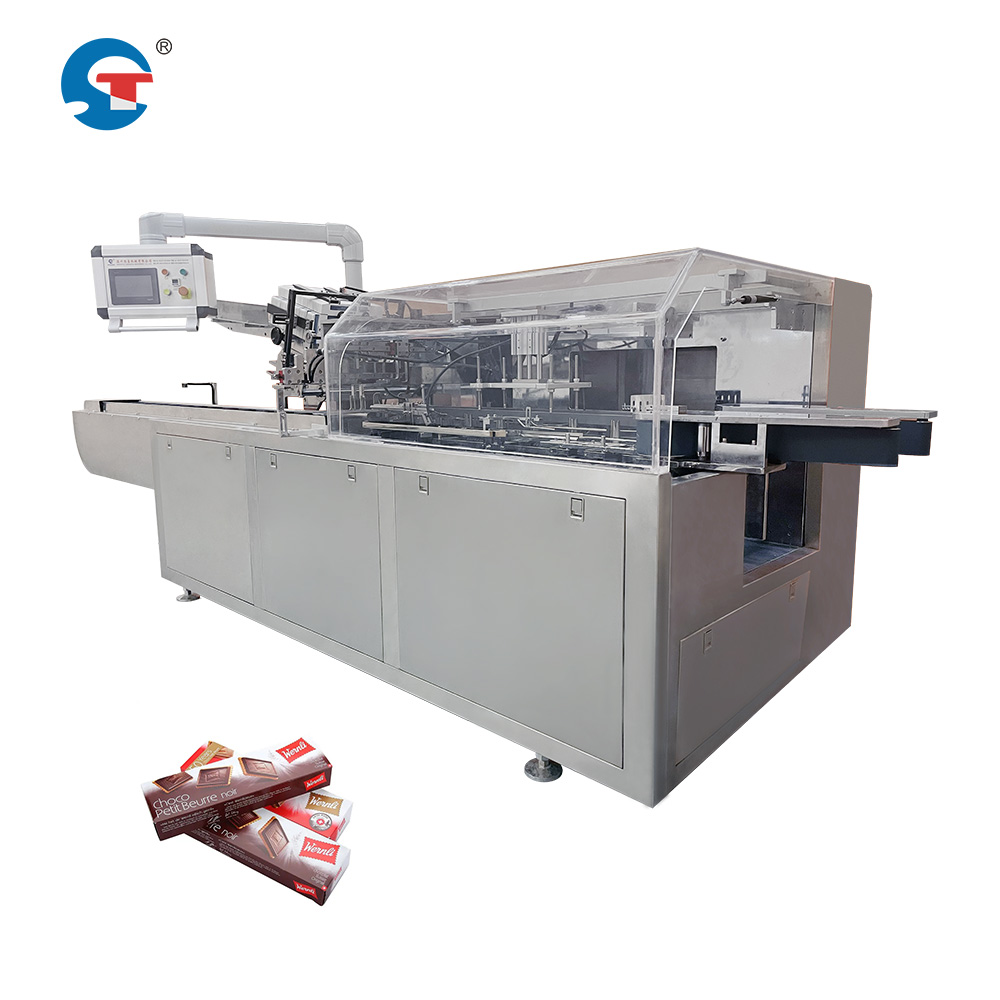
High-demand markets require packaging solutions that balance speed, precision, and flexibility. Modern ice cream packaging equipment integrates automation, material compatibility, and environmental controls to handle increasing production volumes without sacrificing product integrity. Understanding how these systems support growth helps manufacturers make informed investment decisions.
Meeting Production Volume Requirements
Scaling Output with Automated Solutions
Automated ice cream cone wrapping machines represent a foundational technology for high-volume production environments. These systems dramatically increase throughput compared to manual wrapping while reducing labor costs and improving consistency. Modern cone wrapping equipment operates at speeds exceeding 100 units per minute, enabling manufacturers to meet seasonal surges and year-round demand without line bottlenecks. The precision of automated wrapping ensures uniform appearance, reduces product damage, and minimizes material waste during peak production periods.
Integration of automated cone wrapping into existing production lines requires minimal disruption while delivering immediate productivity gains. These machines accommodate various wrapper sizes, materials, and seal specifications, providing flexibility for different product formats. Temperature-controlled environments within the equipment protect frozen products during the wrapping process, maintaining structural integrity and appearance quality.
Managing Gelato and Specialty Cup Formats
Gelato cup filling and sealing systems address the growing premium segment of the frozen dessert market. These specialized systems handle higher-viscosity products, maintain precise fill weights, and apply hermetic seals that extend shelf life and preserve flavor profiles. Gelato cup filling and sealing systems can process multiple cup sizes and depths, accommodating the diverse product portfolios typical of high-demand markets. The precision dosing capabilities ensure consistent portion control and professional presentation expected by retail buyers.
Cup filling systems reduce product giveaway by maintaining exact fill targets, directly improving profitability during high-volume production runs. Advanced sensors detect cup presence, verify fill accuracy, and confirm seal integrity before products move to downstream freezing or packaging stages. These verification points minimize defect rates and reduce consumer complaints, strengthening brand reputation in competitive markets.
Optimizing Material and Container Performance
Selecting Appropriate Packaging Materials
Frozen dessert packaging materials and containers must balance protective function, cost efficiency, and environmental considerations while meeting high-speed production demands. Materials range from rigid plastic cups and paperboard cones to flexible film wrappers, each selected based on product type, distribution channel, and shelf-life requirements. Frozen dessert packaging materials and containers that perform well at high speeds minimize equipment stress, reduce changeover time, and support consistent quality across extended production campaigns.
Material selection directly impacts equipment performance and longevity. Properly specified containers prevent jams, reduce downtime, and allow ice cream packaging equipment to operate at design speeds. Compatibility between materials and sealing technologies ensures reliable performance under temperature extremes encountered during frozen storage and distribution.
Container Design for Efficiency
Container geometry and construction influence how quickly and reliably ice cream packaging equipment processes products. Standardized cup designs accommodate existing production equipment, while optimized shapes reduce material consumption and improve stacking efficiency. Frozen dessert packaging materials and containers engineered for speed reduce per-unit processing time, enabling manufacturers to meet demand targets without equipment upgrades. Strong, puncture-resistant designs maintain product protection throughout the supply chain, reducing waste and protecting brand integrity.
Sustainable container options increasingly support market positioning and regulatory compliance. Recyclable or compostable materials now perform comparably to conventional options, allowing manufacturers to meet consumer expectations without sacrificing production efficiency or cost structure.
Supporting Supply Chain Responsiveness
Flexible Equipment Configuration
High-demand markets require ice cream packaging equipment that adapts quickly to product mix changes, seasonal variations, and emerging consumer preferences. Modular system designs enable rapid format changes, allowing facilities to process cones, cups, and specialty containers with minimal downtime. This flexibility maximizes equipment utilization and protects against demand volatility typical of frozen dessert markets. Quick-change components reduce preparation time between production runs, enabling manufacturers to respond to last-minute orders or market shifts without adding capacity.
Responsive equipment configurations support just-in-time inventory practices, reducing storage space requirements and working capital constraints. Manufacturers can adjust packaging specifications, portion sizes, and material types without capital-intensive line modifications, improving overall operational agility.
Reliability and Maintenance Support
Consistent equipment reliability directly supports high-demand market supply requirements. Modern ice cream packaging equipment incorporates predictive maintenance technologies, real-time performance monitoring, and diagnostic interfaces that minimize unexpected downtime. When production lines run reliably, manufacturers can commit confidently to customer delivery schedules and capitalize on demand peaks without inventory risk.
Preventive maintenance programs, spare parts availability, and technical support networks ensure minimal disruption to production schedules. Equipment suppliers who provide comprehensive support enable manufacturers to focus resources on sales and distribution rather than troubleshooting operational issues.
FAQ
What determines the appropriate ice cream packaging equipment speed for my facility?
Equipment speed selection depends on current demand volume, growth projections, and available floor space. Automated ice cream cone wrapping machines and gelato cup filling and sealing systems should match your peak production requirements plus capacity buffer. Oversizing provides expansion headroom; undersizing forces bottlenecks during high-demand periods. Most manufacturers select equipment rated 20-30% above current needs to accommodate growth without immediate reinvestment.
Can ice cream packaging equipment handle seasonal demand fluctuations?
Yes, modern ice cream packaging equipment accommodates variable throughput through adjustable speed settings and flexible shift scheduling. Automated ice cream cone wrapping machines and cup systems maintain efficiency across production ranges, though they perform optimally near design capacity. Seasonal flexibility requires adequate staffing during peak months and may benefit from supplementary equipment during sustained demand periods to avoid bottleneck constraints.
How do frozen dessert packaging materials and containers affect production costs?
Container specifications significantly influence material costs, equipment efficiency, and processing speed. High-quality frozen dessert packaging materials and containers may cost slightly more per unit but reduce waste, improve sealing reliability, and minimize equipment downtime. Total cost analysis should account for material price, processing speed, defect rates, and downstream losses. Premium containers often deliver lower total cost of ownership when operational efficiency and waste reduction are considered.