
Understanding Modern Horizontal Cartoning Solutions for Industrial Packaging
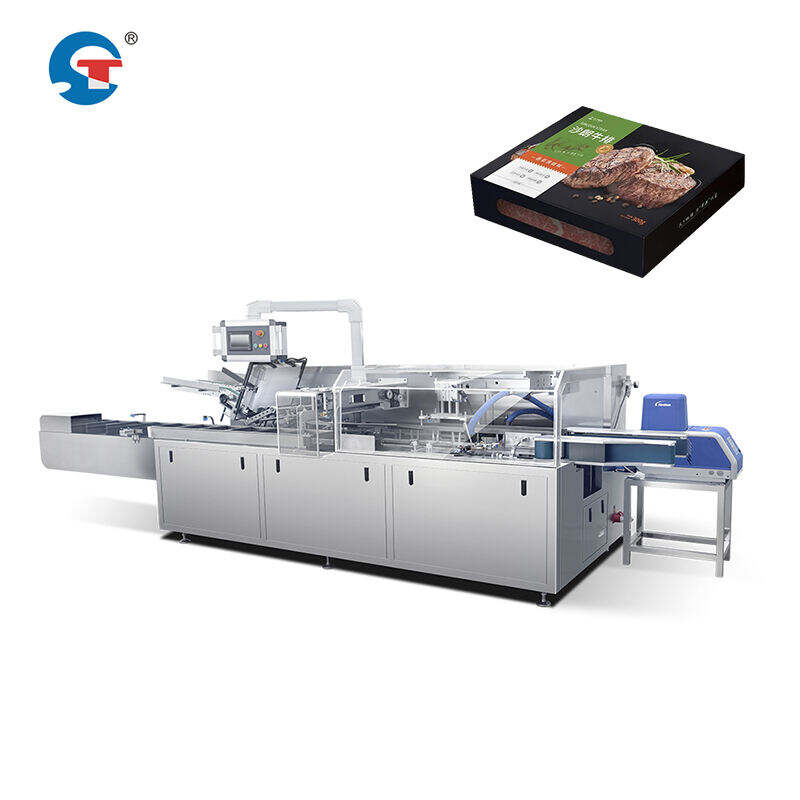
The packaging industry continues to evolve rapidly, and horizontal cartoning machines stand at the forefront of this evolution. These sophisticated pieces of equipment have become essential in various industries, from pharmaceuticals to food and beverage, cosmetics, and consumer goods. A horizontal cartoning machine offers automated solutions for efficiently packaging products into cartons, significantly improving production rates while maintaining consistent quality.
Modern manufacturing facilities face increasing pressure to optimize their packaging operations while ensuring product safety and maintaining cost-effectiveness. Selecting the appropriate horizontal cartoning machine can make the difference between streamlined operations and costly inefficiencies. This comprehensive guide will explore the crucial factors to consider when selecting your facility's ideal cartoning solution.
Core Components and Technical Specifications
Machine Architecture and Design Elements
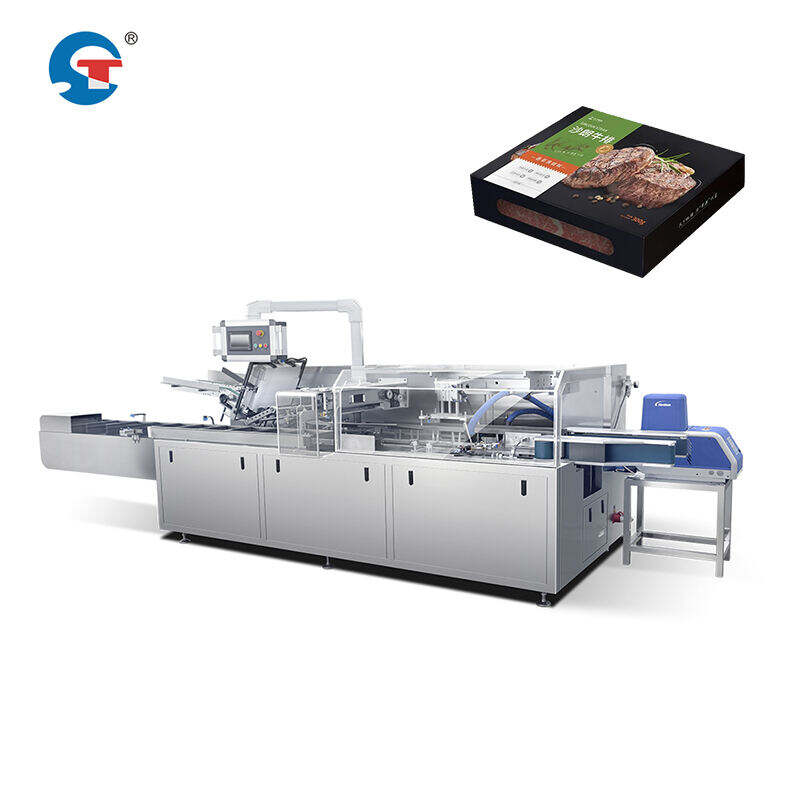
The foundation of any horizontal cartoning machine lies in its structural components and design philosophy. The main frame typically consists of heavy-duty stainless steel or aluminum construction, providing stability and longevity. The carton magazine, product infeed system, and discharge conveyor work in harmony to ensure smooth operation. Advanced models feature servo-driven mechanisms that offer precise control over carton forming, product insertion, and sealing processes.
The control system serves as the brain of the horizontal cartoning machine, orchestrating all operations through a user-friendly interface. Modern machines incorporate PLC controls with touch-screen HMI panels, allowing operators to monitor performance metrics and make real-time adjustments. The electrical cabinet houses sophisticated electronics while maintaining proper isolation from the mechanical components.
Speed and Capacity Considerations
Production speed capabilities vary significantly among different horizontal cartoning machine models. Entry-level machines typically handle 30-60 cartons per minute, while high-speed systems can process upwards of 200 cartons per minute. However, actual throughput depends on various factors, including product characteristics, carton size, and operator efficiency.
When evaluating capacity requirements, consider not just current production needs but future growth potential. A machine operating at 70-80% of its maximum capacity usually provides optimal performance while maintaining flexibility for peak production periods. Remember that faster isn't always better – the ideal speed should balance production requirements with product handling capabilities and staff resources.
Product Compatibility and Versatility
Size Range and Format Flexibility
The horizontal cartoning machine must accommodate your product range's dimensions and packaging requirements. Modern machines offer quick-change features for different carton sizes and styles, with tool-less changeover systems reducing downtime between production runs. Consider the minimum and maximum carton dimensions the machine can handle, as well as its ability to work with various carton styles and materials.
Format flexibility becomes particularly important for contract packaging operations or facilities that handle multiple product lines. Some horizontal cartoning machines offer modular design elements that allow for future modifications or upgrades as packaging needs evolve. This adaptability can provide significant long-term value, even if the initial investment is higher.
Product Handling Capabilities
Different products require specific handling considerations. Delicate items need gentle handling mechanisms, while irregular shapes might require specialized infeed systems. The horizontal cartoning machine should incorporate appropriate product handling features such as servo-controlled movement, protective guards, and precise timing mechanisms to ensure product integrity throughout the packaging process.
Consider whether your products require specific orientation or grouping before cartoning. Some horizontal cartoning machines include integrated product collation systems, while others may need separate upstream equipment. The machine's ability to handle various product presentations can significantly impact overall line efficiency.
Integration and Automation Features
Control Systems and Interface Options
Modern horizontal cartoning machines incorporate sophisticated control systems that offer various levels of automation and monitoring capabilities. Look for machines with intuitive HMI interfaces that provide real-time performance data, troubleshooting guidance, and preventive maintenance alerts. Advanced systems may include remote monitoring capabilities, allowing technical support teams to diagnose issues remotely.
Integration with existing production management systems is crucial for many facilities. Ensure the machine can communicate with your MES or ERP systems through standard protocols. This connectivity enables better production tracking, quality control, and overall equipment effectiveness (OEE) monitoring.
Safety Features and Compliance Standards
Safety should never be compromised when selecting packaging equipment. Quality horizontal cartoning machines include comprehensive safety features such as interlocked guards, emergency stop systems, and clear warning indicators. These features should comply with relevant industry standards and regulations, including CE marking for European markets or UL certification for North American applications.
Consider whether the machine meets specific industry requirements, such as FDA compliance for pharmaceutical packaging or IP ratings for washdown environments. Documentation of safety features and compliance certifications should be readily available from the manufacturer.
Maintenance and Support Considerations
Preventive Maintenance Requirements
Regular maintenance is essential for optimal performance and longevity of any horizontal cartoning machine. Evaluate the maintenance requirements, including frequency of scheduled maintenance, accessibility of components, and availability of spare parts. Machines designed with tool-less access panels and clearly marked maintenance points can significantly reduce downtime during routine servicing.
Consider the manufacturer's recommendations for maintenance schedules and the resources required to maintain the equipment properly. Some advanced machines include self-diagnostic systems that can predict maintenance needs and prevent unexpected breakdowns.
Technical Support and Training
The level of support provided by the equipment manufacturer can significantly impact your operation's success. Look for suppliers who offer comprehensive training programs for operators and maintenance staff. Technical support should be readily available through multiple channels, including phone, email, and on-site visits when necessary.
Consider the geographical location of service technicians and parts warehouses relative to your facility. Quick access to technical support and replacement parts can minimize costly downtime. Some manufacturers offer remote troubleshooting capabilities, which can provide immediate assistance for many common issues.
Frequently Asked Questions
What factors most influence the cost of a horizontal cartoning machine?
The cost of a horizontal cartoning machine is primarily influenced by its speed capabilities, level of automation, size range flexibility, and included features. Additional factors include materials of construction, control system sophistication, and any custom requirements specific to your application. While initial purchase price is important, consider the total cost of ownership, including maintenance, energy consumption, and expected service life.
How long does it typically take to install and commission a new cartoning machine?
Installation and commissioning time varies depending on the machine's complexity and your facility's readiness. Typically, basic machines can be installed and running within 1-2 weeks, while more complex systems might require 3-4 weeks. This includes mechanical installation, electrical connections, operator training, and production validation. Proper planning and site preparation can significantly reduce installation time.
What level of operator expertise is required to run a modern horizontal cartoning machine?
Modern horizontal cartoning machines are designed with user-friendly interfaces and automated features that make them relatively easy to operate. However, operators should receive proper training on machine operation, basic troubleshooting, and safety procedures. Most manufacturers provide comprehensive training programs that can bring operators up to speed within a few days to a week, depending on the machine's complexity and the operator's previous experience.