
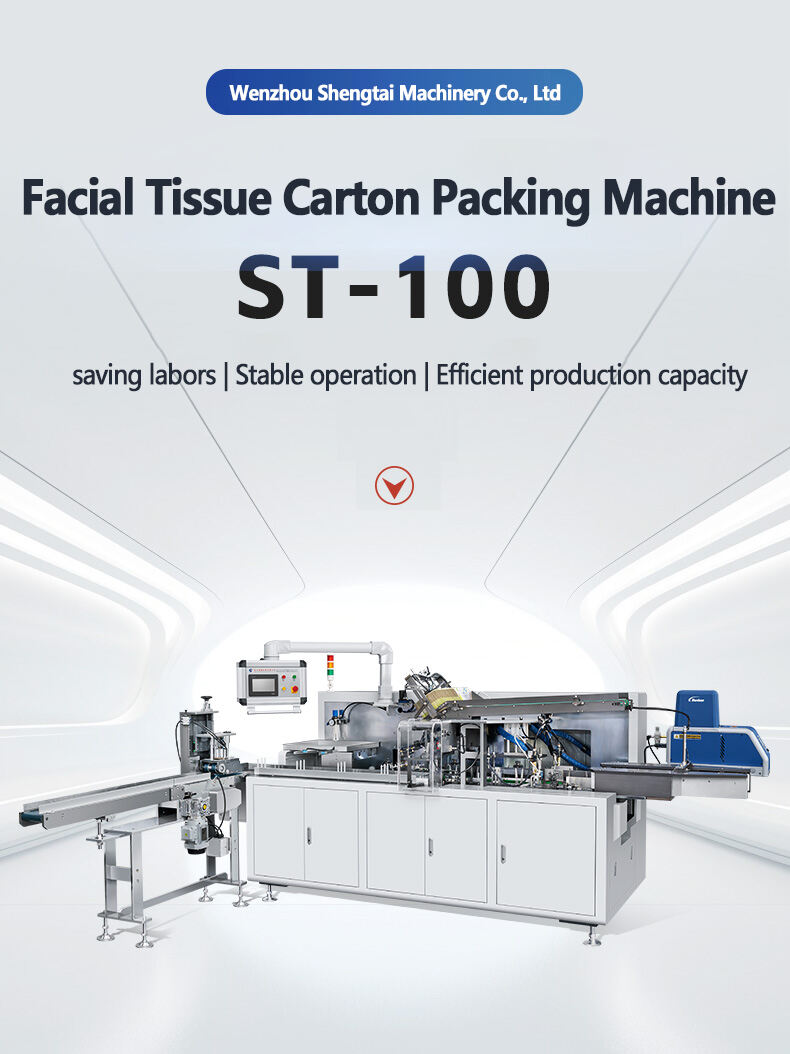
The Rising Demand for Advanced Packaging Automation
In today's fast-paced manufacturing environment, horizontal cartoning machines have become indispensable assets for businesses seeking to optimize their packaging operations. These sophisticated systems represent the cornerstone of modern packaging automation, offering unparalleled efficiency and precision in handling diverse product lines. As production demands continue to escalate, manufacturers increasingly recognize the strategic advantage these machines provide in maintaining competitive edge and meeting stringent quality standards.
The packaging industry has witnessed a dramatic shift towards automated solutions, with horizontal cartoning machines leading the transformation. These versatile systems have revolutionized how products are packaged, enabling manufacturers to achieve higher throughput while maintaining consistent quality. The technology behind these machines continues to evolve, incorporating advanced features that address the complex requirements of modern manufacturing facilities.
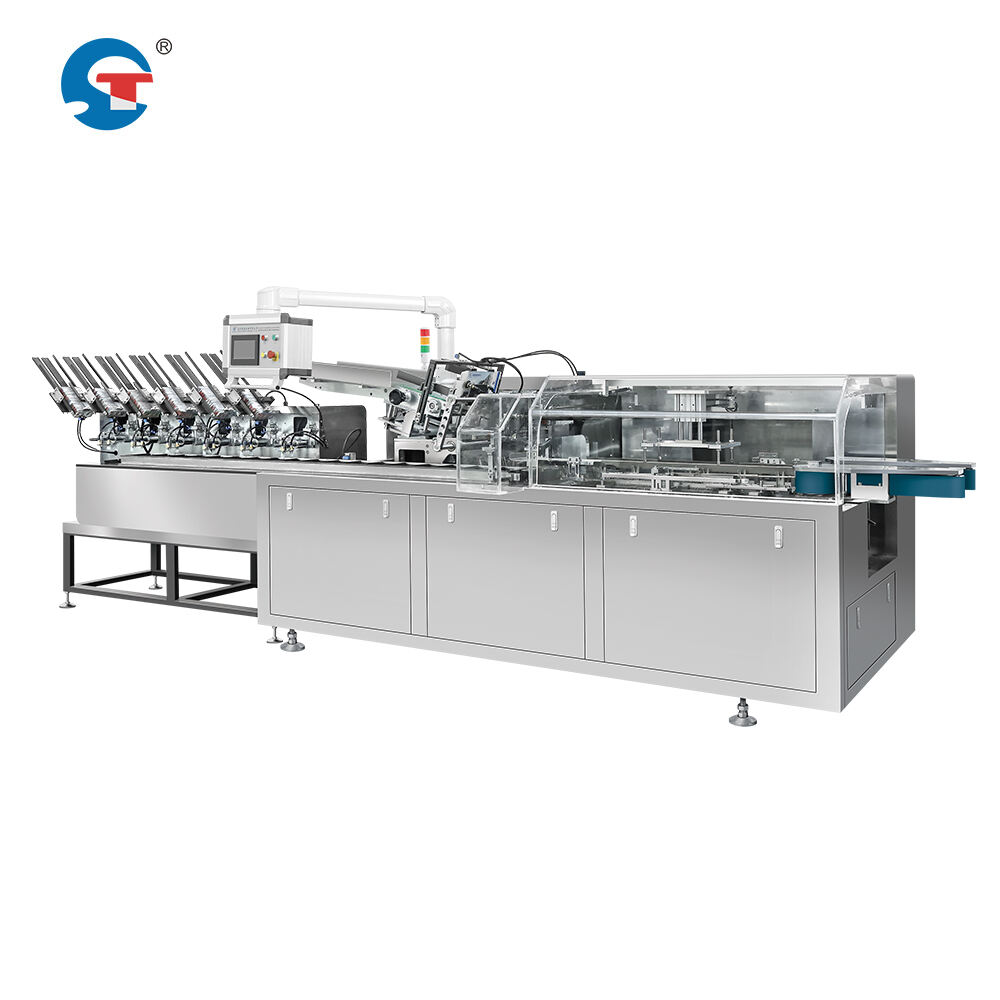
Core Benefits of Modern Cartoning Systems
Enhanced Operational Efficiency
Horizontal cartoning machines deliver remarkable improvements in operational efficiency through their automated processing capabilities. These systems can handle hundreds of products per minute, dramatically outperforming manual packaging methods. The precision-engineered components ensure smooth product flow and accurate carton forming, while advanced control systems maintain optimal performance parameters throughout extended production runs.
The integration of servo-driven technology in horizontal cartoning machines enables precise motion control and timing, resulting in fewer errors and reduced downtime. This technological advancement has made it possible to achieve consistent packaging quality while minimizing material waste and operating costs.
Versatility and Product Compatibility
Modern horizontal cartoning machines excel in their ability to handle diverse product types and packaging configurations. From pharmaceuticals to food products, these systems can be configured to accommodate various carton sizes and styles. The quick-change tooling and modular design allow for rapid product changeovers, enabling manufacturers to maintain production flexibility without sacrificing efficiency.
The adaptability of horizontal cartoning machines extends to their compatibility with different packaging materials and formats. Whether processing blister packs, pouches, or loose products, these systems can be customized to meet specific application requirements while maintaining consistent performance standards.
Advanced Features Driving Market Adoption
Intelligent Control Systems
The integration of smart control systems has significantly enhanced the capabilities of horizontal cartoning machines. Modern units feature intuitive HMI interfaces, remote monitoring capabilities, and advanced diagnostic tools that simplify operation and maintenance. These intelligent systems provide real-time performance data, enabling operators to optimize machine settings and prevent potential issues before they impact production.
Predictive maintenance algorithms and IoT connectivity have further expanded the functionality of horizontal cartoning machines. Manufacturers can now track key performance indicators, schedule maintenance activities, and analyze production trends to improve overall equipment effectiveness.
Safety and Compliance Features
Today's horizontal cartoning machines incorporate comprehensive safety features that protect operators while ensuring regulatory compliance. Advanced guard systems, emergency stops, and automated fault detection mechanisms create a secure operating environment. These safety features are seamlessly integrated into the machine design without compromising accessibility or performance.
The emphasis on compliance extends to product quality assurance, with many horizontal cartoning machines featuring integrated inspection systems. These may include vision systems, barcode verification, and weight checking capabilities that ensure every package meets specified quality standards.
Sustainable Packaging Solutions
Energy Efficiency Innovations
Modern horizontal cartoning machines are designed with sustainability in mind, incorporating energy-efficient components and systems. Variable speed drives, regenerative braking, and smart power management features help reduce energy consumption while maintaining optimal performance. These innovations not only lower operating costs but also support manufacturers' environmental initiatives.
The latest generation of horizontal cartoning machines also includes features that minimize material waste and optimize packaging material usage. Advanced sensing systems and precise control mechanisms ensure efficient use of packaging materials, contributing to both cost savings and environmental sustainability.
Eco-friendly Material Processing
As the industry moves towards more sustainable packaging solutions, horizontal cartoning machines have evolved to handle eco-friendly materials effectively. These systems can process recyclable cartons, biodegradable materials, and reduced-weight packaging without compromising speed or reliability. The flexibility to work with alternative packaging materials helps manufacturers meet growing consumer demands for environmentally responsible packaging.
The development of specialized tooling and handling systems enables horizontal cartoning machines to maintain high performance levels even when working with challenging sustainable materials. This adaptability ensures manufacturers can transition to greener packaging solutions without sacrificing productivity.
Integration and Industry 4.0 Compatibility
Seamless Production Line Integration
Modern horizontal cartoning machines are designed for seamless integration into existing production lines. Standard communication protocols and modular interfaces allow these systems to coordinate with upstream and downstream equipment effectively. This integration capability ensures smooth product flow and enables comprehensive line control from a single point.
The ability to synchronize with other packaging equipment, such as product feeders, coding systems, and case packers, makes horizontal cartoning machines essential components in automated packaging lines. Advanced integration features support efficient product handling and minimize transition points where errors might occur.
Digital Manufacturing Solutions
The compatibility of horizontal cartoning machines with Industry 4.0 principles has become increasingly important for B2B buyers. These systems can participate in digital manufacturing networks, sharing operational data and responding to centralized production commands. The ability to collect and analyze performance data supports continuous improvement initiatives and helps optimize overall manufacturing operations.
Cloud connectivity and remote access capabilities enable manufacturers to monitor and manage their horizontal cartoning machines from anywhere, facilitating efficient resource allocation and rapid response to production challenges. These digital features contribute to improved operational flexibility and reduced downtime.
Frequently Asked Questions
How do horizontal cartoning machines improve packaging efficiency?
Horizontal cartoning machines enhance packaging efficiency through automated operations, high-speed processing capabilities, and precise control systems. They can handle multiple products simultaneously, maintain consistent quality, and reduce labor requirements while minimizing errors and waste.
What types of products can horizontal cartoning machines handle?
These versatile machines can process a wide range of products, including pharmaceuticals, food items, personal care products, and industrial goods. They accommodate various carton sizes and styles, and can handle different product formats such as blister packs, pouches, tubes, and loose items.
What maintenance requirements should buyers consider?
Modern horizontal cartoning machines feature predictive maintenance systems, easy-access designs, and modular components that simplify maintenance procedures. Regular maintenance typically includes lubrication, belt tension checks, and cleaning of critical components. Many systems also provide automated maintenance alerts and diagnostic tools to prevent unexpected downtime.