
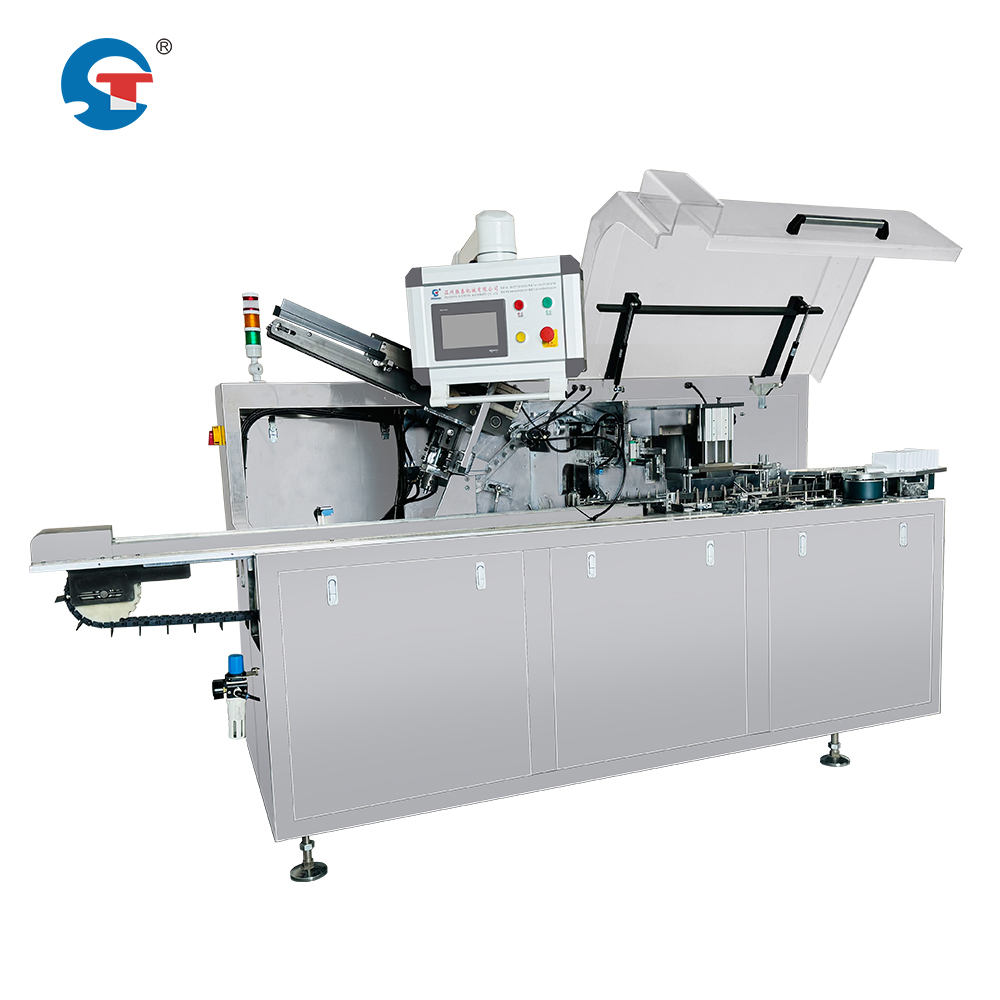
Modern pharmaceutical manufacturing demands precision, speed, and reliability in packaging operations. The integration of advanced automated packaging systems has revolutionized how medications are processed and prepared for distribution. Among these innovations, specialized cartoning equipment designed for blister pack processing stands out as a critical component in high-volume production facilities. These sophisticated machines combine cutting-edge technology with robust engineering to deliver consistent results while maintaining the strict quality standards required in pharmaceutical environments.
The pharmaceutical packaging landscape has evolved significantly over the past decade, driven by increasing regulatory requirements and consumer expectations for safety and convenience. Manufacturers are constantly seeking ways to optimize their production lines while reducing operational costs and minimizing human error. This has led to widespread adoption of automated solutions that can handle complex packaging tasks with remarkable accuracy and efficiency.
High-speed production environments present unique challenges that require specialized equipment capable of maintaining consistent performance under demanding conditions. The ability to process thousands of units per hour while ensuring each package meets stringent quality standards is essential for maintaining competitive advantage in today's market. Understanding the specific benefits of advanced cartoning technology helps manufacturers make informed decisions about their packaging line investments.
Enhanced Production Efficiency and Speed
Maximizing Throughput Performance
Advanced cartoning systems deliver exceptional throughput capabilities that significantly exceed manual packaging methods. These machines can process up to 300 cartons per minute, depending on product specifications and configuration requirements. The continuous operation design eliminates bottlenecks commonly associated with traditional packaging approaches, allowing manufacturers to meet aggressive production targets without compromising quality standards.
The integration of servo-driven mechanisms ensures precise timing and coordination throughout the packaging process. Multiple stations work simultaneously to fold cartons, insert products, apply adhesive, and complete final sealing operations. This parallel processing approach maximizes efficiency while maintaining the flexibility to accommodate different product sizes and packaging configurations within the same production run.
Modern pill plate cartoning machine systems incorporate advanced sensor technology that monitors every aspect of the packaging process in real-time. These sensors detect potential issues before they impact production quality, automatically adjusting machine parameters to maintain optimal performance. The result is consistent output that meets or exceeds industry standards while minimizing waste and reducing the need for manual intervention.
Streamlined Workflow Integration
Seamless integration with existing production line equipment is crucial for maintaining efficient workflow in pharmaceutical manufacturing facilities. Contemporary cartoning machines feature modular designs that can be easily incorporated into various line configurations without requiring extensive modifications to surrounding equipment. This flexibility allows manufacturers to upgrade their packaging capabilities while preserving their existing infrastructure investments.
The ability to interface with upstream and downstream equipment through standardized communication protocols ensures smooth material flow throughout the entire packaging process. Automated handoff systems eliminate manual transfer points that can introduce delays and potential contamination risks. This integrated approach reduces overall processing time while improving product traceability and quality control measures.
Advanced control systems provide comprehensive monitoring and reporting capabilities that enable operators to track production metrics in real-time. This visibility allows for proactive adjustments to optimize performance and identify opportunities for further efficiency improvements. The data collected can also support continuous improvement initiatives and regulatory compliance requirements.
Superior Quality Control and Consistency
Precision Assembly and Packaging
Automated cartoning systems deliver unparalleled consistency in package assembly and final product presentation. Every carton is folded, loaded, and sealed according to precisely programmed specifications, eliminating the variability inherent in manual packaging operations. This consistency is particularly important for pharmaceutical products where packaging integrity directly impacts product safety and regulatory compliance.
The use of vision inspection systems throughout the packaging process ensures that each carton meets established quality criteria before proceeding to the next station. These systems can detect missing products, improper orientation, damaged packaging materials, and other defects that might compromise product quality. Rejected items are automatically removed from the line, preventing defective products from reaching consumers.
Temperature and humidity control systems maintain optimal environmental conditions during the packaging process, ensuring that adhesives cure properly and packaging materials perform as intended. This environmental control is essential for maintaining package integrity during storage and distribution, particularly for products with extended shelf life requirements.
Regulatory Compliance and Documentation
Comprehensive data logging capabilities provide detailed records of all packaging operations, supporting regulatory compliance requirements and quality assurance protocols. Every aspect of the packaging process is documented, including machine settings, environmental conditions, inspection results, and operator actions. This documentation is essential for demonstrating compliance with FDA, EMA, and other regulatory agency requirements.
Serialization capabilities enable unique identification of each package, supporting track-and-trace requirements and anti-counterfeiting initiatives. The pill plate cartoning machine can apply variable data including serial numbers, batch codes, and expiration dates during the packaging process, ensuring accurate product identification throughout the supply chain.
Built-in validation protocols verify that all critical packaging parameters are within acceptable ranges before allowing production to proceed. These protocols include checks for proper carton formation, adequate adhesive application, correct product placement, and secure closure. Any deviation from established parameters triggers automatic line stoppage and operator notification, preventing the production of non-conforming products.
Cost Reduction and Operational Benefits
Labor Efficiency and Resource Optimization
Automation significantly reduces labor requirements compared to manual packaging operations, allowing manufacturers to reallocate human resources to higher-value activities. A single operator can typically oversee multiple automated packaging lines, dramatically improving labor productivity while reducing operational costs. This efficiency gain becomes even more pronounced in high-volume production environments where labor costs represent a significant portion of total manufacturing expenses.
The reduction in manual handling also minimizes the risk of repetitive stress injuries and other workplace safety concerns associated with traditional packaging methods. This improved safety profile reduces workers' compensation claims and associated costs while creating a more attractive work environment that helps with employee retention and recruitment efforts.
Energy-efficient designs incorporate advanced motor technology and optimized mechanical systems that reduce power consumption compared to older packaging equipment. These efficiency improvements contribute to lower operating costs while supporting corporate sustainability initiatives and regulatory requirements for environmental responsibility.
Material Waste Reduction
Precise material handling systems minimize packaging material waste by ensuring optimal utilization of carton blanks, adhesives, and other consumables. Advanced cutting and forming mechanisms produce clean, accurate folds without the material damage common in manual operations. This precision reduces reject rates and maximizes the yield from each roll of packaging material.
Automated changeover procedures reduce setup waste when transitioning between different product configurations. Pre-programmed recipes eliminate the trial-and-error approach typically required with manual adjustments, reducing the number of test cartons needed to achieve optimal settings. This capability is particularly valuable for manufacturers producing multiple product lines on the same equipment.
Real-time monitoring of adhesive application ensures optimal usage while preventing waste from over-application or inadequate coverage. Precise metering systems deliver exactly the amount of adhesive needed for secure closure without excess that could cause problems during storage or handling. This precision contributes to both cost savings and improved package quality.
Flexibility and Adaptability Features
Multi-Format Capability
Modern cartoning machines offer exceptional flexibility in handling various product sizes and packaging formats within a single system. Quick-change tooling allows operators to switch between different carton sizes and configurations in minutes rather than hours, maximizing production uptime and enabling efficient small-batch production. This flexibility is essential for manufacturers serving diverse market segments with varying packaging requirements.
Adjustable conveyor systems accommodate different product heights and orientations without requiring extensive mechanical modifications. This adaptability allows manufacturers to package everything from small vials to large bottles using the same basic equipment platform. The ability to handle multiple formats reduces capital equipment requirements while providing the flexibility needed to respond to changing market demands.
Programmable control systems store unlimited product recipes, enabling operators to quickly recall optimized settings for specific products and packaging configurations. This capability eliminates the need for manual adjustments and reduces the potential for setup errors that could impact product quality or production efficiency.
Scalability and Future-Proofing
Modular system architectures allow manufacturers to add capabilities as their needs evolve without requiring complete equipment replacement. Additional inspection stations, marking systems, or handling modules can be integrated into existing lines to accommodate new regulatory requirements or market opportunities. This scalability protects equipment investments while providing the flexibility needed to adapt to changing business conditions.
Advanced communication interfaces ensure compatibility with emerging Industry 4.0 technologies and manufacturing execution systems. These capabilities support data analytics initiatives and enable integration with broader manufacturing intelligence platforms. The ability to participate in connected manufacturing environments positions companies for future operational improvements and competitive advantages.
Upgradeable software platforms ensure that equipment capabilities can be enhanced over time without hardware modifications. Regular software updates provide access to new features, improved algorithms, and enhanced security measures. This ongoing improvement capability helps maximize the return on equipment investments while maintaining state-of-the-art performance throughout the equipment lifecycle.
Maintenance and Reliability Considerations
Predictive Maintenance Capabilities
Integrated condition monitoring systems continuously assess the health of critical machine components, providing early warning of potential issues before they impact production. Vibration sensors, temperature monitors, and other diagnostic tools collect data that enables predictive maintenance strategies. This proactive approach minimizes unplanned downtime while optimizing maintenance costs and extending equipment life.
Remote diagnostic capabilities allow equipment manufacturers to provide support and troubleshooting assistance without requiring on-site visits. This remote support capability reduces response times and helps resolve issues more quickly, minimizing production disruptions. The ability to access machine data remotely also enables proactive identification of optimization opportunities and performance improvements.
Comprehensive maintenance scheduling systems track service intervals and automatically generate work orders for required maintenance activities. This systematic approach ensures that all maintenance tasks are completed on schedule while providing documentation of maintenance activities for regulatory compliance purposes. The integration with enterprise maintenance management systems enables optimization of maintenance resources across multiple production lines.
Robust Design and Reliability
Heavy-duty construction using premium materials ensures reliable operation in demanding production environments. Stainless steel components resist corrosion and facilitate thorough cleaning, while precision bearings and drive systems provide smooth, consistent operation over extended periods. This robust construction minimizes wear and reduces the frequency of component replacement, contributing to lower total cost of ownership.
Redundant safety systems protect both equipment and operators while preventing damage from unexpected conditions. Emergency stop systems, safety interlocks, and protective barriers ensure safe operation while guard access points provide convenient access for maintenance and cleaning activities. These safety features support regulatory compliance while creating a secure work environment.
Comprehensive warranty programs and service support ensure that manufacturers can maximize equipment uptime and performance throughout the equipment lifecycle. Professional installation, training, and ongoing support services help optimize equipment performance while providing peace of mind regarding long-term operational reliability.
FAQ
What production speeds can be achieved with modern pill plate cartoning machines?
Modern systems typically achieve speeds ranging from 150 to 300 cartons per minute, depending on product specifications and packaging complexity. The actual speed depends on factors such as carton size, product weight, closure requirements, and inspection criteria. Most manufacturers can expect significant throughput improvements compared to manual packaging methods, often achieving 3-5 times higher production rates while maintaining superior quality standards.
How difficult is it to change between different product formats?
Contemporary cartoning machines feature quick-change capabilities that allow format changes to be completed in 15-30 minutes by trained operators. Pre-programmed recipes store all necessary parameters for different products, eliminating guesswork and reducing setup time. Tool-free adjustments and clearly marked changeover points further simplify the process, enabling efficient small-batch production and rapid response to changing market demands.
What maintenance requirements should be expected?
Routine maintenance typically includes daily cleaning, weekly lubrication, and periodic inspection of wear components such as belts, seals, and cutting blades. Most systems require 2-4 hours of scheduled maintenance per week, depending on production volume and environmental conditions. Predictive maintenance systems help optimize maintenance intervals while comprehensive service programs provide professional support for complex maintenance tasks and component replacement.
How do these machines integrate with existing production line equipment?
Modern cartoning machines feature standardized interfaces and communication protocols that facilitate integration with upstream blister packaging equipment and downstream case packing systems. Adjustable conveyor heights, variable speed controls, and flexible product handling mechanisms accommodate various line configurations. Most installations can be completed with minimal modifications to existing equipment, preserving infrastructure investments while upgrading packaging capabilities.