
Selecting the right pill plate cartoning machine represents a critical decision that can significantly impact your pharmaceutical production efficiency and product quality. Modern pharmaceutical manufacturers face increasing pressure to optimize their packaging operations while maintaining compliance with strict regulatory standards. The right pill plate cartoning machine not only ensures consistent product presentation but also enhances production throughput and reduces operational costs. Understanding the key factors that influence machine selection will help you make an informed decision that aligns with your specific production requirements and long-term business objectives.
Understanding Pill Plate Cartoning Technology
Core Components and Functionality
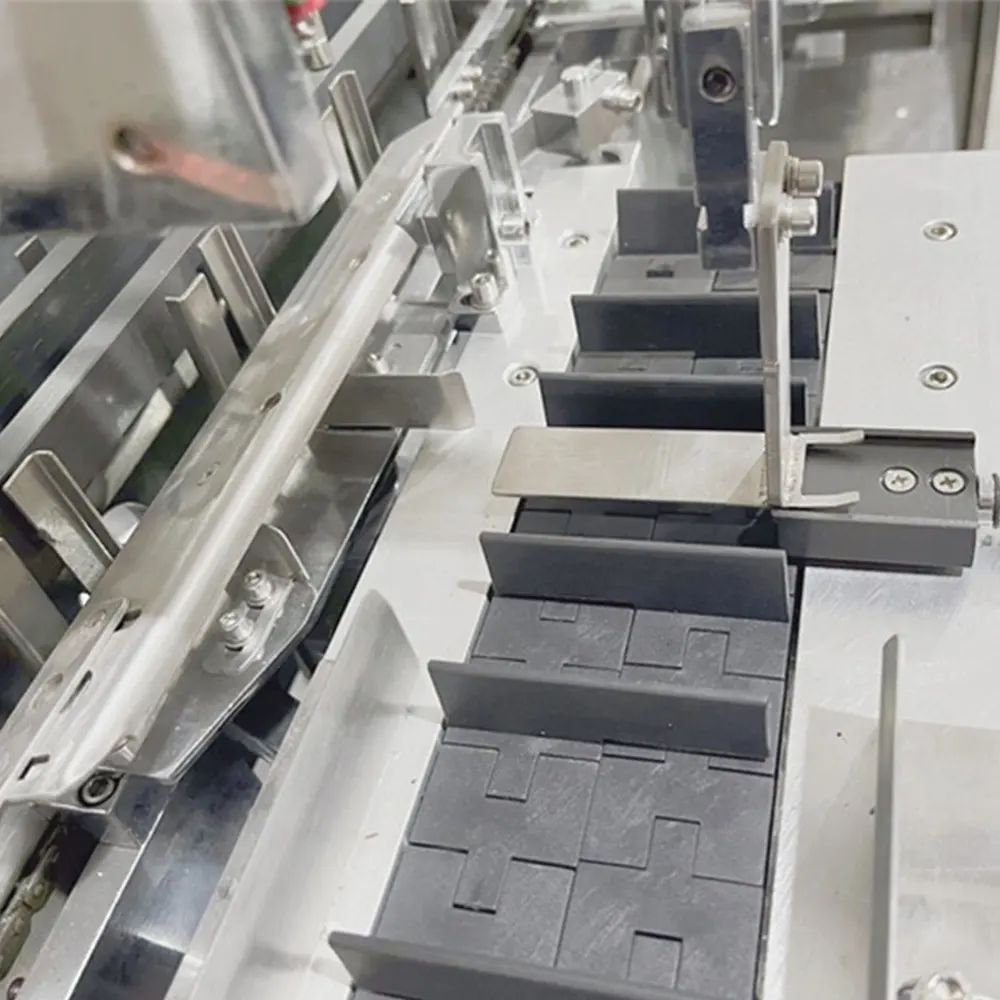
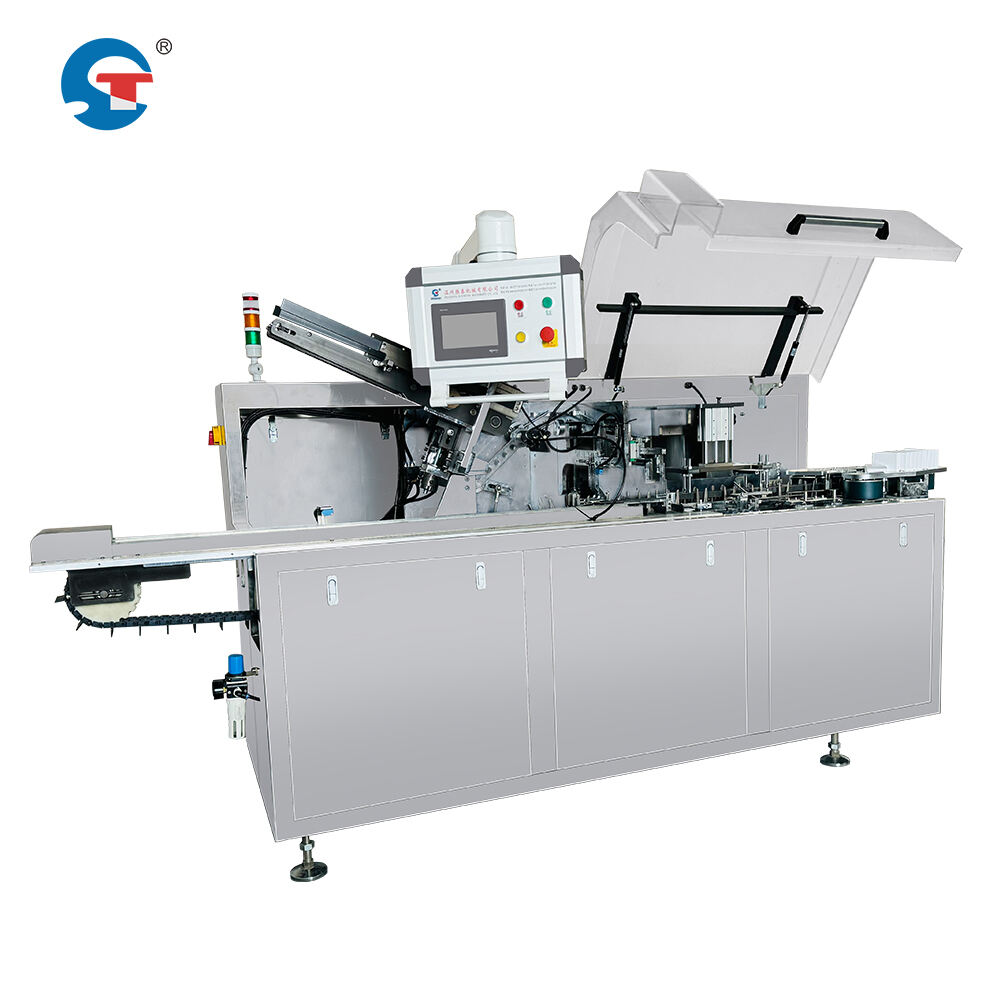
A pill plate cartoning machine operates through a sophisticated integration of mechanical components designed to handle blister packs efficiently. The primary feeding mechanism receives blister packs from upstream production lines and positions them accurately for insertion into cartons. Advanced sensors monitor the presence and orientation of each blister pack, ensuring consistent placement and preventing packaging errors. The carton forming section creates boxes from flat cardboard blanks, while the insertion mechanism carefully places the blister packs into the formed cartons with precise positioning.
The sealing and closing mechanisms represent critical components that ensure package integrity and product protection. Heat sealing systems or adhesive application units secure the carton flaps, creating tamper-evident closures that meet pharmaceutical packaging standards. Quality control systems integrated throughout the process verify proper sealing, correct product placement, and overall package quality before products continue to downstream operations.
Automation Levels and Control Systems
Modern pill plate cartoning machines offer varying degrees of automation to accommodate different production scales and operational requirements. Semi-automatic systems require operator intervention for certain functions while automating core packaging processes, making them suitable for smaller production runs or facilities with limited automation budgets. Fully automatic systems integrate all functions from product feeding through final package discharge, maximizing throughput and minimizing labor requirements for high-volume production environments.
Advanced control systems feature touch-screen interfaces that simplify operation and provide real-time monitoring of production parameters. These systems store multiple product configurations, allowing quick changeovers between different pill plate sizes and carton specifications. Integrated data collection capabilities track production metrics, quality parameters, and maintenance requirements, supporting continuous improvement initiatives and regulatory compliance documentation.
Production Capacity and Speed Requirements
Determining Optimal Output Specifications
Calculating your required production capacity involves analyzing current demand patterns and projecting future growth to ensure your pill plate cartoning machine investment meets long-term needs. Consider peak production periods, seasonal variations, and potential market expansion when determining speed requirements. Machine specifications typically range from 30 to 200 cartons per minute, with higher-speed units designed for large-scale pharmaceutical manufacturing operations.
Efficiency factors beyond raw speed significantly impact overall production capacity, including changeover times, maintenance intervals, and quality control procedures. Machines with rapid format changeover capabilities minimize downtime between different product runs, maximizing effective production time. Consider the total cost of ownership, including energy consumption, maintenance requirements, and operator training needs when evaluating different speed and capacity options.
Scalability and Future Expansion Considerations
Selecting a pill plate cartoning machine with scalability features ensures your investment remains valuable as production requirements evolve. Modular designs allow for capacity upgrades through additional components or enhanced control systems without requiring complete equipment replacement. Integration capabilities with upstream and downstream equipment enable seamless production line expansion as business needs grow.
Future-proofing considerations include compatibility with emerging packaging materials, evolving regulatory requirements, and advancing automation technologies. Machines designed with flexible programming and adaptable mechanical components can accommodate new product formats and packaging specifications without significant modifications. This adaptability protects your investment while providing operational flexibility to respond to changing market demands.
Product Compatibility and Format Flexibility
Blister Pack Size and Configuration Options
Product compatibility represents a fundamental consideration when selecting pill plate cartoning equipment, as different pharmaceutical products require specific handling approaches. Blister pack dimensions, thickness variations, and material properties influence machine configuration requirements and operational parameters. Standard blister formats include single-dose strips, multi-dose cards, and specialized configurations for different medication types and dosing regimens.
Format flexibility enables processing multiple product types on a single machine, maximizing equipment utilization and reducing capital investment requirements. Quick-change tooling systems allow operators to switch between different blister pack sizes and carton configurations with minimal downtime. Consider the range of products you plan to package and ensure the selected machine accommodates all current and anticipated future format requirements.
Material Handling and Product Protection
Gentle product handling mechanisms protect delicate blister packs from damage during the cartoning process, ensuring product integrity and visual appeal. Vacuum handling systems and soft-grip mechanisms minimize mechanical stress on packaging materials while maintaining precise positioning accuracy. Anti-static features prevent dust attraction and reduce contamination risks, particularly important for sterile pharmaceutical products.
Environmental protection features safeguard products from moisture, light, and temperature variations during packaging operations. Enclosed processing chambers maintain controlled atmospheric conditions, while integrated desiccant insertion capabilities provide additional moisture protection for hygroscopic medications. These features ensure product stability and extend shelf life while meeting pharmaceutical packaging requirements.
Quality Control and Regulatory Compliance
Inspection and Verification Systems
Integrated quality control systems provide comprehensive inspection capabilities to ensure every packaged product meets stringent pharmaceutical standards. Vision inspection systems verify correct blister pack placement, detect missing or damaged products, and confirm proper carton closure. Barcode reading capabilities enable lot tracking and serialization compliance, supporting traceability requirements throughout the supply chain.
Automated rejection systems remove defective packages from the production stream without disrupting overall operations. Statistical process control features monitor quality trends and alert operators to potential issues before they impact production quality. Documentation capabilities generate detailed quality reports supporting regulatory compliance and continuous improvement initiatives.
Regulatory Standards and Documentation
Pharmaceutical packaging equipment must comply with various regulatory standards including FDA guidelines, European Medicines Agency requirements, and international quality standards. Proper documentation includes equipment validation protocols, cleaning procedures, and maintenance records that demonstrate ongoing compliance with good manufacturing practices. Machine suppliers should provide comprehensive documentation packages supporting regulatory submissions and facility inspections.
Change control procedures ensure any equipment modifications or software updates maintain regulatory compliance while improving operational performance. Audit trail capabilities track all system changes, operator actions, and quality events, providing complete documentation for regulatory review. These features support pharmaceutical manufacturers in maintaining compliance while optimizing production efficiency.
Maintenance and Service Considerations
Preventive Maintenance Requirements
Establishing comprehensive maintenance programs ensures reliable pill plate cartoning machine performance while minimizing unexpected downtime. Regular maintenance schedules include lubrication procedures, wear part replacement, and calibration verification to maintain optimal operating conditions. Predictive maintenance technologies monitor machine health indicators, enabling proactive maintenance scheduling based on actual equipment condition rather than arbitrary time intervals.
Maintenance accessibility features simplify routine procedures and reduce maintenance time requirements. Quick-release mechanisms, diagnostic indicators, and modular component designs enable efficient maintenance operations with minimal production impact. Training programs for maintenance personnel ensure proper procedures are followed while building internal expertise for ongoing equipment support.
Technical Support and Parts Availability
Reliable technical support services provide critical assistance during equipment installation, operator training, and ongoing operations. Local service networks reduce response times for emergency repairs while providing convenient access to routine maintenance services. Remote diagnostic capabilities enable suppliers to troubleshoot issues quickly, often resolving problems without requiring on-site visits.
Parts availability and delivery logistics significantly impact overall equipment reliability and operational costs. Suppliers with comprehensive parts inventories and efficient distribution networks minimize downtime risks while controlling maintenance expenses. Long-term parts availability commitments protect your investment by ensuring continued support throughout the equipment lifecycle.
Cost Analysis and Return on Investment
Initial Investment and Operational Costs
Total cost of ownership analysis encompasses initial equipment purchase, installation expenses, operator training, and ongoing operational costs. Energy consumption, maintenance requirements, and consumable materials contribute to ongoing expenses that accumulate over the equipment lifecycle. Financing options and leasing arrangements provide alternatives to outright purchase, improving cash flow management while accessing advanced packaging technology.
Operational efficiency improvements generate cost savings through reduced labor requirements, minimized material waste, and improved production throughput. Quality improvements reduce rework costs and customer complaints while enhancing brand reputation. These benefits often justify higher initial investments in advanced pill plate cartoning equipment with superior capabilities and reliability.
Productivity Gains and Efficiency Improvements
Automated cartoning systems deliver significant productivity improvements compared to manual packaging operations, reducing labor costs while improving consistency and speed. Integration with existing production lines eliminates material handling steps and reduces work-in-process inventory requirements. These efficiency gains translate directly to improved profitability and enhanced competitive positioning.
Quality improvements reduce customer complaints, regulatory issues, and product recalls that can result in substantial costs and reputational damage. Consistent packaging quality enhances brand image and customer satisfaction, supporting premium pricing strategies and market share growth. These intangible benefits contribute to long-term business success beyond immediate operational improvements.
FAQ
What factors should I consider when determining the required speed for my pill plate cartoning machine
When determining the required speed for your pill plate cartoning machine, consider your current production volume, peak demand periods, and future growth projections. Factor in changeover times between different products, planned maintenance windows, and quality control requirements that may impact effective production time. Also evaluate your upstream and downstream equipment capabilities to ensure balanced line speeds that optimize overall production efficiency without creating bottlenecks.
How important is format flexibility when selecting a pill plate cartoning machine
Format flexibility is crucial for maximizing equipment utilization and accommodating diverse product portfolios. A machine with quick-change capabilities allows you to process different blister pack sizes and carton configurations efficiently, reducing the need for multiple dedicated machines. This flexibility becomes especially valuable when launching new products or adapting to changing market demands, as it provides operational agility while protecting your capital investment.
What maintenance requirements should I expect with a modern pill plate cartoning machine
Modern pill plate cartoning machines typically require daily cleaning and inspection procedures, weekly lubrication of key components, and periodic calibration verification. Preventive maintenance schedules usually include monthly wear part inspections, quarterly mechanical adjustments, and annual comprehensive overhauls. Advanced machines feature predictive maintenance capabilities that monitor component health and alert operators to potential issues before they cause unexpected downtime.
How can I ensure my pill plate cartoning machine meets regulatory compliance requirements
Ensuring regulatory compliance requires selecting equipment designed to meet pharmaceutical manufacturing standards, implementing proper validation procedures, and maintaining comprehensive documentation. Choose suppliers with experience in pharmaceutical applications who provide validation support packages and regulatory compliance documentation. Establish change control procedures for any modifications and maintain detailed records of all maintenance activities, calibrations, and quality control measures to support regulatory inspections and audits.
Table of Contents
- Understanding Pill Plate Cartoning Technology
- Production Capacity and Speed Requirements
- Product Compatibility and Format Flexibility
- Quality Control and Regulatory Compliance
- Maintenance and Service Considerations
- Cost Analysis and Return on Investment
-
FAQ
- What factors should I consider when determining the required speed for my pill plate cartoning machine
- How important is format flexibility when selecting a pill plate cartoning machine
- What maintenance requirements should I expect with a modern pill plate cartoning machine
- How can I ensure my pill plate cartoning machine meets regulatory compliance requirements