
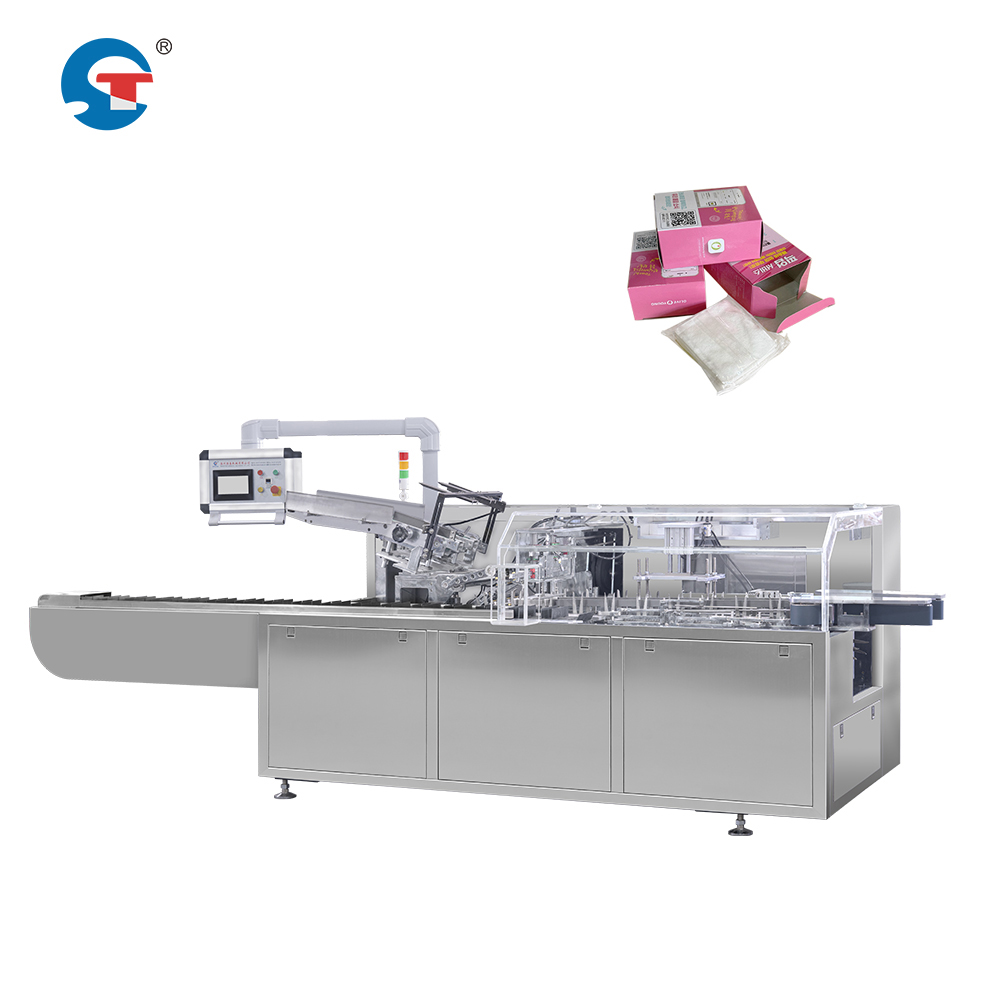
Modern toy manufacturing has evolved dramatically over the past decade, with production volumes reaching unprecedented levels and consumer expectations for quality packaging continuing to rise. As manufacturers strive to meet these demands while maintaining competitive pricing, the integration of automated toy cartoning machines has become not just advantageous but essential for sustainable business growth. These sophisticated packaging solutions offer manufacturers the opportunity to transform their production lines from labor-intensive operations into streamlined, efficient systems that deliver consistent results around the clock.
The toy industry presents unique packaging challenges that require specialized solutions, from delicate collectibles requiring protective positioning to bulk items demanding secure containment. Traditional manual packaging methods, while initially cost-effective for smaller operations, quickly become bottlenecks as production scales increase. Investment in automated packaging technology represents a strategic decision that impacts every aspect of manufacturing operations, from labor allocation and quality control to customer satisfaction and market competitiveness.
Understanding Automated Toy Cartoning Technology
Core Components and Functionality
Automated toy cartoning machines represent sophisticated engineering solutions designed specifically for the unique requirements of toy packaging. These systems integrate multiple technological components including servo-driven mechanisms, programmable logic controllers, and precision sensors that work together to create seamless packaging operations. The heart of these machines lies in their ability to handle diverse toy shapes, sizes, and materials while maintaining consistent packaging quality throughout extended production runs.
Modern cartoning systems feature modular designs that allow manufacturers to customize configurations based on their specific product lines. From action figures and board games to electronic toys and educational products, these machines can be programmed to handle multiple SKUs without requiring extensive retooling. The flexibility extends to carton sizes, with many systems capable of automatically adjusting to different box dimensions through servo-controlled mechanisms that ensure precise folding and sealing operations.
Integration with Existing Production Lines
Successful implementation of automated toy cartoning machines requires careful consideration of existing production infrastructure and workflow patterns. These systems are designed to integrate seamlessly with upstream processes such as product assembly, quality inspection, and labeling operations. Advanced models feature communication protocols that enable real-time data exchange with other manufacturing equipment, creating synchronized production lines that optimize overall efficiency.
The integration process typically involves collaboration between equipment manufacturers and production engineers to ensure optimal placement and configuration. Factors such as floor space requirements, power specifications, and maintenance access must be carefully evaluated during the planning phase. Many manufacturers find that the investment in professional installation and training services significantly reduces implementation time and ensures optimal performance from day one of operation.
Financial Benefits and Return on Investment
Labor Cost Reduction and Reallocation
One of the most immediate and measurable benefits of implementing automated toy cartoning machines is the substantial reduction in labor costs associated with packaging operations. Manual cartoning typically requires multiple operators working in coordination to achieve reasonable throughput rates, while automated systems can often replace entire packaging teams with minimal supervision requirements. This labor reduction translates directly to reduced payroll expenses, lower benefits costs, and decreased exposure to workers' compensation claims.
Beyond simple cost reduction, automation enables manufacturers to redeploy skilled workers to higher-value activities such as quality control, equipment maintenance, and process improvement initiatives. This strategic reallocation of human resources often leads to improved overall productivity and employee satisfaction, as workers transition from repetitive manual tasks to more engaging technical roles. The long-term career development opportunities created by this transition also contribute to improved employee retention and reduced recruitment costs.
Production Capacity and Throughput Enhancement
Automated cartoning systems deliver consistent production speeds that far exceed manual packaging capabilities, with many systems capable of processing hundreds of units per hour without breaks or performance degradation. This increased throughput capacity enables manufacturers to meet larger order volumes, reduce lead times, and respond more effectively to seasonal demand fluctuations common in the toy industry. The ability to maintain consistent production rates also improves delivery reliability and customer satisfaction.
The enhanced capacity provided by automation creates opportunities for business growth that would be difficult to achieve through manual processes alone. Manufacturers can pursue larger contracts, expand into new markets, and develop more ambitious product lines knowing that their packaging capabilities can scale to meet increased demand. This scalability often proves crucial during peak seasons when toy sales surge, allowing companies to capitalize on market opportunities without being constrained by packaging bottlenecks.
Quality and Consistency Improvements
Packaging Precision and Uniformity
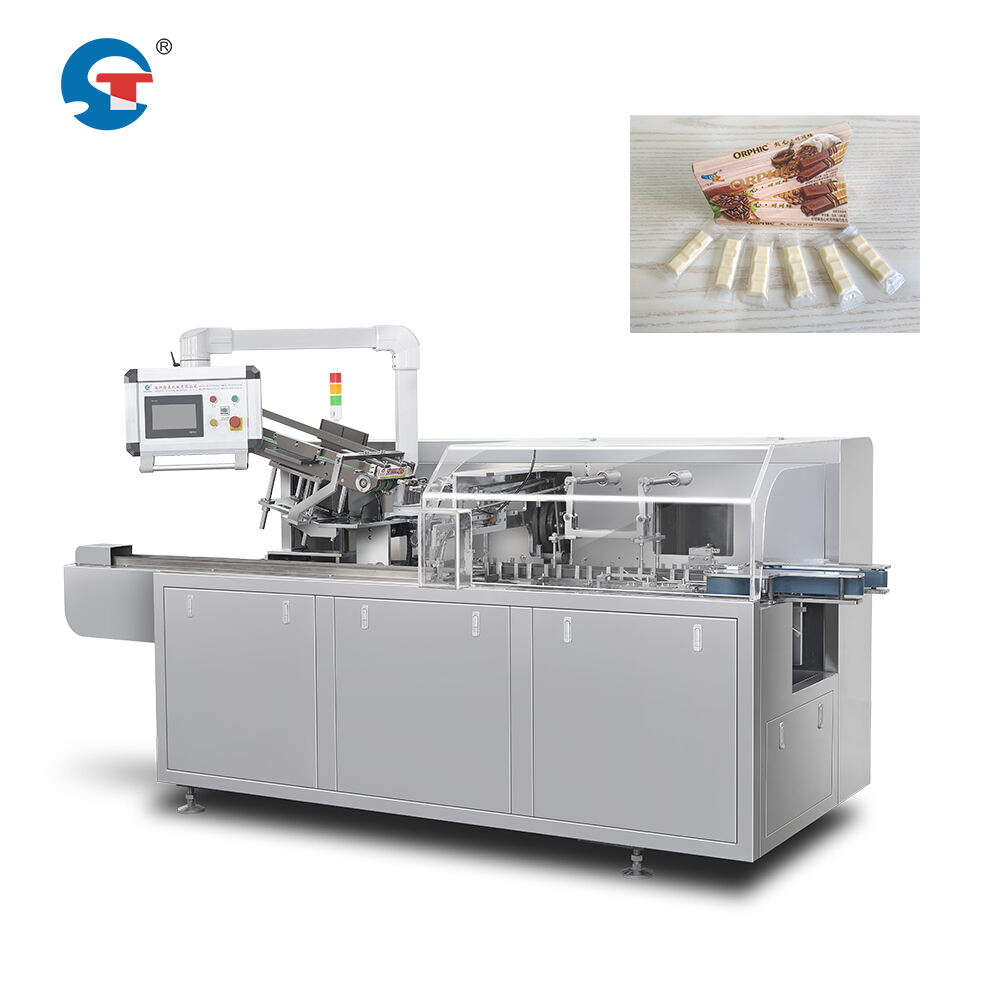
Automated toy cartoning machines deliver unprecedented levels of packaging precision and uniformity that are simply unattainable through manual processes. Every carton is folded, filled, and sealed according to exact specifications programmed into the system, eliminating the variability inherent in human-performed tasks. This consistency extends to all aspects of the packaging process, from carton positioning and product placement to adhesive application and final sealing operations.
The precision offered by automated systems becomes particularly valuable when packaging high-value collectibles or licensed products where presentation quality directly impacts perceived value. Consistent packaging appearance reinforces brand image and creates positive first impressions that influence purchasing decisions. Additionally, uniform packaging dimensions facilitate more efficient shipping arrangements and retail display configurations, adding value throughout the supply chain.
Quality Control and Defect Prevention
Modern automated cartoning systems incorporate sophisticated quality control mechanisms that detect and reject defective packages before they enter the distribution chain. Vision systems can identify improperly positioned products, incomplete carton sealing, or damaged packaging materials, automatically diverting problematic units for manual inspection and correction. This real-time quality monitoring significantly reduces the likelihood of defective products reaching customers, protecting brand reputation and minimizing costly returns.
The prevention of packaging defects also reduces waste throughout the manufacturing process, as properly packaged products require fewer resources for handling, storage, and shipping. Automated systems can track quality metrics and generate reports that help manufacturers identify trends and implement preventive measures. This data-driven approach to quality management enables continuous improvement initiatives that further enhance overall operational efficiency.
Operational Efficiency and Workflow Optimization
Reduced Setup Time and Changeover Efficiency
Contemporary automated toy cartoning machines feature rapid changeover capabilities that minimize downtime between different product runs. Quick-change tooling systems allow operators to switch between different toy types and carton sizes in minutes rather than hours, maximizing productive time and improving overall equipment effectiveness. These systems often include memory functions that store setup parameters for different products, enabling automatic configuration recall for repeat orders.
The efficiency gains from reduced setup times become particularly significant for manufacturers producing diverse product lines or operating in markets with frequent product introductions. The ability to quickly adapt packaging configurations enables more flexible production scheduling and improved responsiveness to market demands. This agility often translates to competitive advantages in fast-moving toy market segments where time-to-market considerations are critical.
Maintenance Requirements and Reliability
Modern automated cartoning systems are designed for reliability and ease of maintenance, incorporating predictive maintenance technologies that monitor component performance and alert operators to potential issues before they result in unplanned downtime. Scheduled maintenance routines are typically straightforward and can be performed by trained operators or maintenance technicians using standard tools and procedures. Many systems feature modular component designs that facilitate rapid replacement of wear items without requiring extensive disassembly.
The reliability of automated systems directly impacts overall production efficiency and cost control. Planned maintenance schedules can be coordinated with production requirements to minimize disruption, while the predictable nature of automated operations enables more accurate production planning and delivery commitments. The reduced risk of unexpected breakdowns compared to aging manual processes provides manufacturers with greater operational stability and improved customer service capabilities.
Competitive Advantages in the Toy Market
Market Responsiveness and Flexibility
The toy industry is characterized by rapid product cycles, seasonal demand variations, and evolving consumer preferences that require manufacturers to remain highly responsive to market changes. Automated toy cartoning machines provide the operational flexibility needed to adapt quickly to new product introductions, packaging design modifications, and volume fluctuations without significant capital investment or extended implementation timelines. This responsiveness often determines competitive success in market segments where timing and adaptability are crucial factors.
Automated systems enable manufacturers to experiment with different packaging concepts and promotional configurations without the labor-intensive setup requirements associated with manual processes. This capability supports marketing initiatives such as limited edition packaging, seasonal themes, and co-branded promotions that enhance product appeal and differentiate offerings in crowded retail environments. The ability to implement these strategies efficiently provides significant competitive advantages in the highly competitive toy marketplace.
Scalability and Growth Support
Investment in automated cartoning technology creates a foundation for sustainable business growth that can accommodate increasing production volumes without proportional increases in labor requirements or operational complexity. As manufacturers expand their product lines or enter new markets, automated systems can often be upgraded or reconfigured to handle additional capacity requirements. This scalability eliminates the need for complete system replacements as businesses grow, protecting initial investment and reducing long-term capital requirements.
The growth support provided by automated systems extends beyond simple capacity increases to include enhanced capabilities for handling new product types, packaging formats, and quality requirements. Many manufacturers find that their initial investment in automation creates opportunities for business expansion that would not have been feasible with manual processes alone. This growth enablement often justifies the initial capital investment through expanded revenue opportunities and improved market positioning.
Implementation Considerations and Best Practices
Planning and Assessment Requirements
Successful implementation of automated toy cartoning machines requires comprehensive planning that addresses technical, operational, and financial considerations. Manufacturers should conduct thorough assessments of their current packaging processes, production volumes, and quality requirements to determine the most appropriate automation solution. This evaluation should include analysis of product mix, seasonal variations, and future growth projections to ensure that the selected system can accommodate both current needs and anticipated expansion.
The planning process should also consider facility requirements including floor space, utilities, and environmental conditions necessary for optimal equipment performance. Integration with existing systems, material handling requirements, and workflow optimization opportunities should be evaluated to maximize the benefits of automation investment. Collaboration with experienced equipment suppliers and integration specialists can provide valuable insights that improve implementation success and reduce potential complications.
Training and Change Management
The transition to automated packaging operations requires comprehensive training programs that prepare operators and maintenance personnel for their new responsibilities. Effective training should cover system operation, troubleshooting procedures, routine maintenance tasks, and safety protocols specific to automated equipment. Investment in thorough training reduces the likelihood of operational errors, equipment damage, and safety incidents that can undermine the benefits of automation.
Change management considerations are equally important for successful automation implementation, as the transition from manual to automated processes often requires adjustments to work patterns, job responsibilities, and organizational structures. Clear communication about the benefits of automation, job security implications, and career development opportunities helps ensure employee buy-in and smooth implementation. Many manufacturers find that involving key personnel in the selection and implementation process creates advocates who facilitate acceptance throughout the organization.
FAQ
What is the typical payback period for automated toy cartoning machines
The payback period for automated toy cartoning machines typically ranges from 18 to 36 months, depending on factors such as production volume, labor costs, and system complexity. Manufacturers with higher throughput requirements and significant labor costs often achieve faster payback periods, while smaller operations may require longer timeframes to realize full return on investment. The calculation should include direct labor savings, quality improvements, increased capacity utilization, and reduced waste to provide an accurate assessment of financial benefits.
How do automated systems handle different toy sizes and packaging requirements
Modern automated toy cartoning machines feature adjustable mechanisms and programmable controls that accommodate a wide range of product sizes and packaging configurations. Servo-driven adjustments allow rapid changeover between different carton dimensions, while flexible product handling systems can accommodate various toy shapes and materials. Many systems include memory functions that store setup parameters for different products, enabling quick transitions between production runs without manual adjustments or extensive setup time.
What maintenance requirements should manufacturers expect with automated cartoning equipment
Automated cartoning machines require routine preventive maintenance that typically includes daily cleaning, weekly lubrication, and periodic inspection of wear components such as belts, seals, and cutting mechanisms. Most systems feature diagnostic capabilities that monitor performance and alert operators to potential issues before they cause unplanned downtime. Manufacturers should budget for annual maintenance costs equivalent to approximately 5-8% of the initial equipment cost, including replacement parts, service visits, and operator training updates.
Can automated cartoning systems integrate with existing quality control processes
Yes, automated toy cartoning machines can be integrated with existing quality control systems through various communication protocols and inspection technologies. Vision systems can be incorporated to verify product placement, carton integrity, and labeling accuracy, while data collection capabilities enable real-time monitoring and reporting of quality metrics. Integration with upstream inspection processes ensures that only approved products enter the cartoning system, while downstream verification can confirm packaging completeness and accuracy before products enter shipping operations.
Table of Contents
- Understanding Automated Toy Cartoning Technology
- Financial Benefits and Return on Investment
- Quality and Consistency Improvements
- Operational Efficiency and Workflow Optimization
- Competitive Advantages in the Toy Market
- Implementation Considerations and Best Practices
-
FAQ
- What is the typical payback period for automated toy cartoning machines
- How do automated systems handle different toy sizes and packaging requirements
- What maintenance requirements should manufacturers expect with automated cartoning equipment
- Can automated cartoning systems integrate with existing quality control processes