
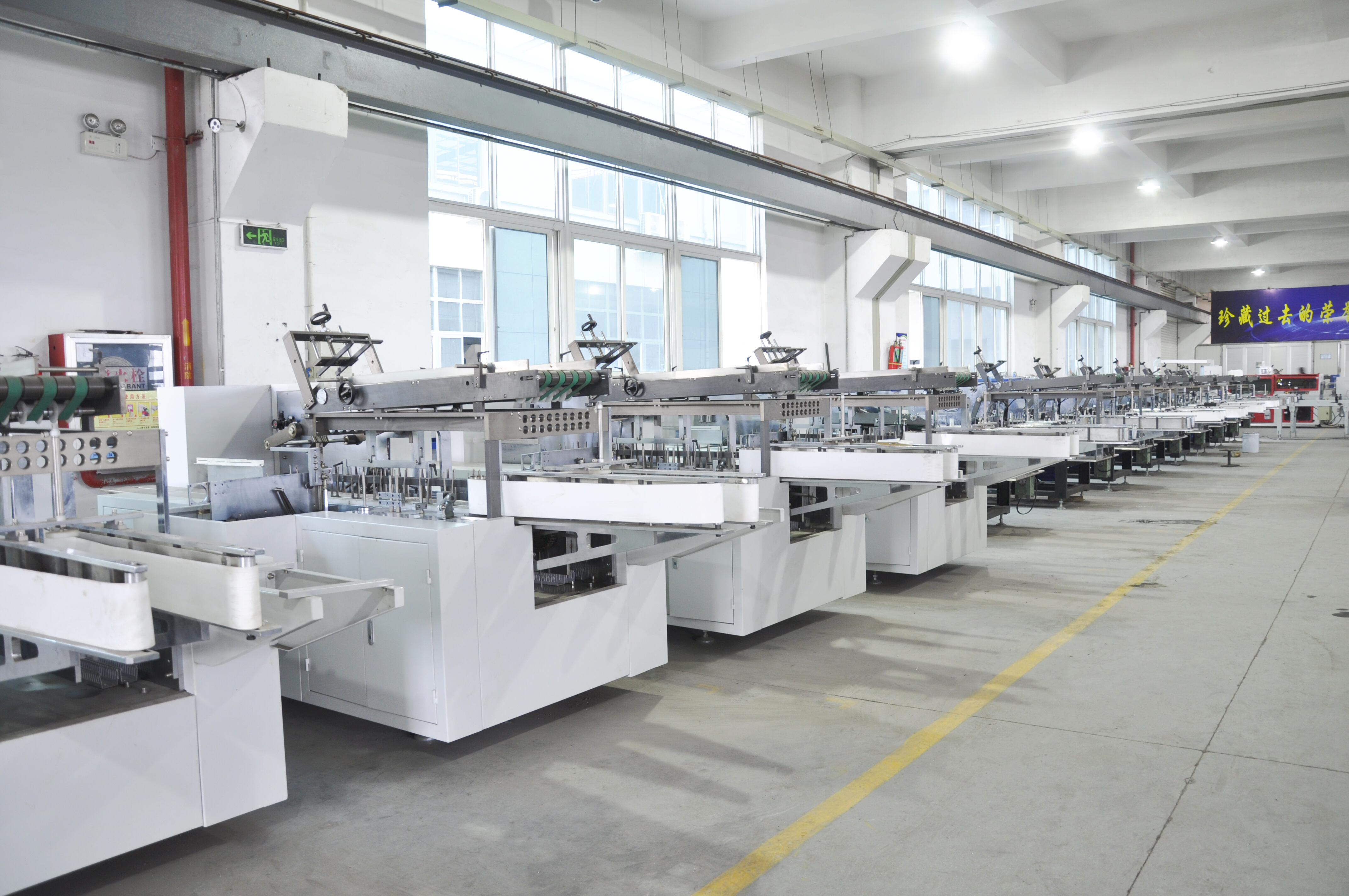
Manufacturing efficiency has become the cornerstone of competitive advantage in today's fast-paced industrial landscape. Horizontal cartoning machines represent a revolutionary approach to packaging automation that transforms production lines across various industries. These sophisticated systems deliver unparalleled speed, precision, and reliability while reducing operational costs and improving product presentation. Companies investing in horizontal cartoning machines experience significant improvements in throughput, consistency, and overall packaging quality that directly impact their bottom line.
Enhanced Production Speed and Efficiency
Accelerated Throughput Capabilities
Modern horizontal cartoning machines achieve remarkable production speeds that far exceed manual packaging operations. These automated systems can process hundreds of products per minute while maintaining consistent quality standards. The continuous-motion design eliminates bottlenecks that typically occur in manual or semi-automated packaging processes. Production managers report productivity increases of 300-500% when transitioning from manual to automated horizontal cartoning solutions.
The seamless integration of feeding, folding, and sealing mechanisms creates an uninterrupted workflow that maximizes operational efficiency. Advanced servo-driven technology ensures precise timing and coordination between all mechanical components. This synchronized operation minimizes downtime and reduces the likelihood of production interruptions that can cost manufacturers thousands of dollars in lost productivity.
Reduced Labor Dependencies
Automation through horizontal cartoning machines significantly reduces the workforce requirements for packaging operations. Companies can reallocate human resources to higher-value activities while maintaining or increasing packaging output. The reduced reliance on manual labor also eliminates concerns about workforce availability, training costs, and human error variability that plague traditional packaging methods.
These systems operate continuously with minimal supervision, requiring only periodic maintenance and quality checks. The consistency of automated operations ensures predictable production schedules and delivery timelines. Manufacturers benefit from improved planning capabilities and enhanced customer satisfaction through reliable order fulfillment.
Superior Quality Control and Consistency
Precise Product Placement
Horizontal cartoning machines excel in delivering consistent product placement within cartons through advanced positioning systems. Sophisticated sensors and guidance mechanisms ensure products are properly oriented and securely positioned before carton closure. This precision eliminates common packaging defects such as product shifting, improper alignment, or incomplete insertion that often occur with manual packaging methods.
The repeatable accuracy of automated systems creates uniform packaging appearance that enhances brand perception and consumer confidence. Quality control systems integrated into these machines can detect and reject improperly packaged products before they enter the distribution chain. This proactive approach to quality management reduces customer complaints and returns while protecting brand reputation.
Consistent Carton Formation and Sealing
Automated carton formation ensures every package meets exact specifications for dimensions, closure integrity, and structural strength. The mechanical precision of horizontal cartoning machines eliminates variations in fold patterns, glue application, and sealing pressure that commonly occur with manual operations. This consistency is particularly critical for products requiring specific storage conditions or extended shelf life.
Advanced monitoring systems continuously verify carton integrity throughout the packaging process. Real-time feedback mechanisms automatically adjust machine parameters to maintain optimal performance standards. These quality assurance features provide manufacturers with confidence in their packaging integrity and reduce the risk of product damage during transportation and storage.
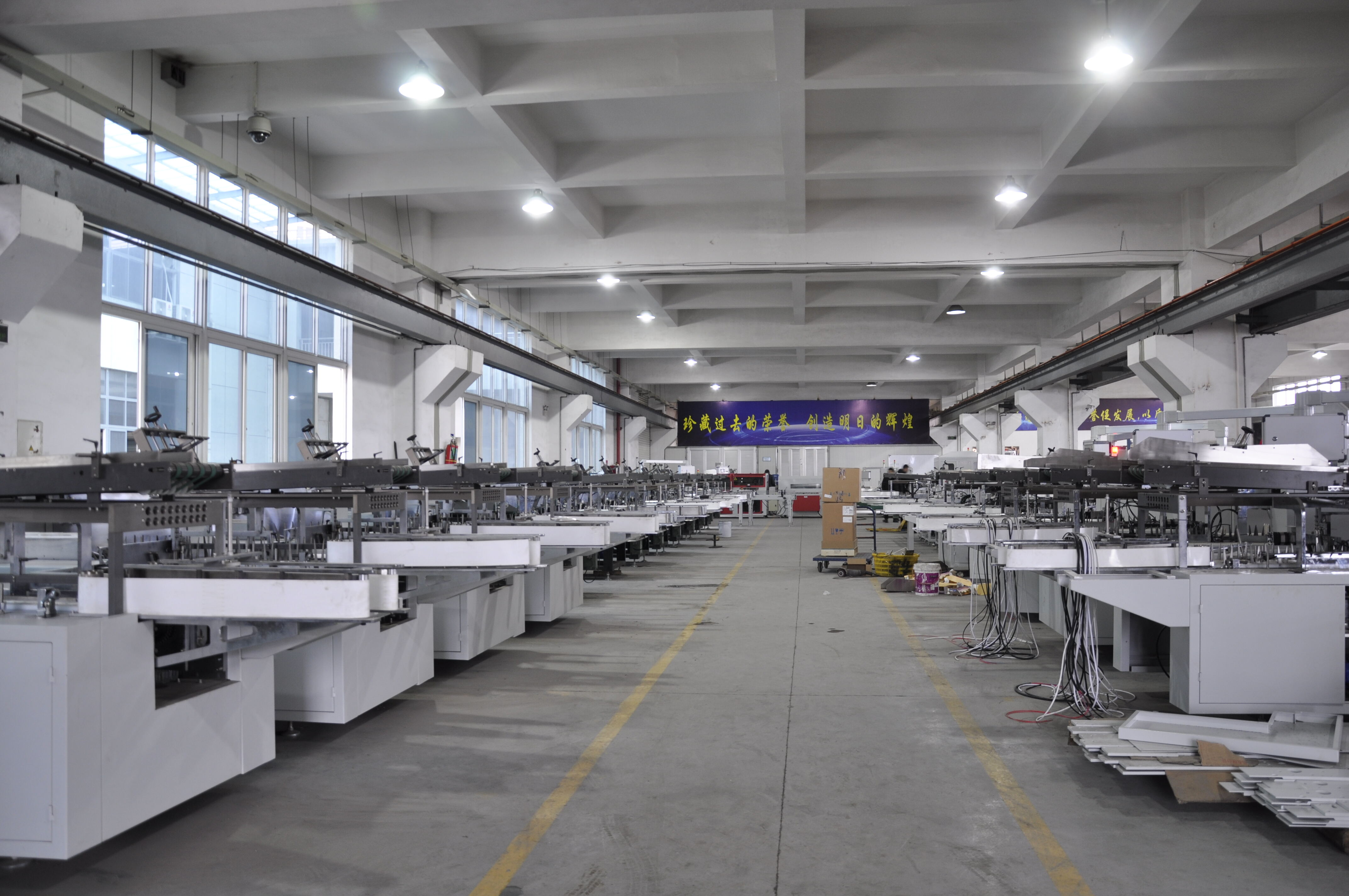
Cost Efficiency and Economic Benefits
Reduced Material Waste
Precision engineering in horizontal cartoning machines minimizes material consumption through accurate carton forming and optimal adhesive application. Automated systems calculate exact requirements for each package, eliminating overuse of glue, tape, or other sealing materials. The consistent forming process also reduces carton damage and rejection rates that contribute to material waste in manual operations.
Smart material handling features prevent product spillage and contamination that typically result in significant losses during manual packaging. The enclosed processing environment protects products from environmental contaminants while ensuring complete utilization of raw materials. These efficiency improvements directly translate to reduced operating costs and improved profit margins for manufacturing operations.
Lower Long-term Operational Costs
While the initial investment in horizontal cartoning machines requires significant capital, the long-term operational savings far exceed the upfront costs. Reduced labor expenses, decreased material waste, and improved productivity create substantial cost savings over the equipment lifetime. Most manufacturers achieve return on investment within 18-24 months of implementation.
Maintenance costs for modern horizontal cartoning machines remain relatively low due to robust construction and advanced diagnostic capabilities. Predictive maintenance systems alert operators to potential issues before they result in costly breakdowns. The extended equipment lifespan and minimal downtime requirements make these systems highly cost-effective for long-term operations.
Flexibility and Adaptability Features
Multi-Product Compatibility
Contemporary horizontal cartoning machines offer exceptional versatility in handling diverse product types, sizes, and packaging requirements. Quick-change capabilities allow manufacturers to switch between different products with minimal setup time and adjustment procedures. This flexibility enables efficient production scheduling and reduces inventory holding costs associated with dedicated packaging equipment.
Modular design principles facilitate easy reconfiguration for new product introductions or changing market demands. Manufacturers can adapt their packaging operations without significant equipment investments or extensive downtime. This adaptability provides competitive advantages in dynamic markets where product portfolios frequently evolve.
Customizable Automation Levels
Horizontal cartoning machines can be configured with varying degrees of automation to match specific production requirements and budget constraints. Basic models provide essential cartoning functions while advanced systems incorporate sophisticated features such as automatic product feeding, quality inspection, and integrated labeling capabilities. This scalability allows companies to implement automation gradually as their operations grow.
Integration capabilities with existing production lines and enterprise resource planning systems streamline operations and improve data visibility. Real-time production monitoring and reporting features enable better decision-making and continuous improvement initiatives. These technological advantages position manufacturers for future growth and operational excellence.
Safety and Compliance Advantages
Enhanced Workplace Safety
Automated horizontal cartoning machines significantly improve workplace safety by reducing manual handling requirements and minimizing exposure to repetitive motion injuries. Safety interlocks and protective barriers prevent operator contact with moving machinery during operation. Emergency stop systems and comprehensive safety protocols ensure rapid response to potential hazards.
The enclosed design of modern systems contains dust, particles, and other airborne contaminants that can pose health risks in traditional packaging environments. Improved air quality and reduced physical demands on workers contribute to better overall workplace conditions and employee satisfaction. These safety improvements also reduce workers' compensation costs and liability exposure for manufacturing companies.
Regulatory Compliance Support
Horizontal cartoning machines facilitate compliance with stringent industry regulations through consistent documentation and traceability features. Automated systems maintain detailed production records including timestamps, batch information, and quality parameters that support regulatory reporting requirements. This documentation capability is particularly valuable in highly regulated industries such as pharmaceuticals, food processing, and medical devices.
Validation protocols and qualification procedures for automated packaging equipment align with Good Manufacturing Practice guidelines and other regulatory standards. The reproducible nature of automated processes simplifies validation efforts and reduces compliance-related costs. Manufacturers benefit from reduced regulatory risk and improved audit outcomes through documented process control.
FAQ
What maintenance requirements do horizontal cartoning machines typically have
Horizontal cartoning machines require routine preventive maintenance including lubrication of moving parts, cleaning of sensors and guides, and periodic calibration of positioning systems. Most manufacturers recommend daily cleaning procedures and weekly inspection schedules to maintain optimal performance. Modern machines feature diagnostic systems that monitor component wear and alert operators to maintenance needs before failures occur.
How quickly can operators learn to use horizontal cartoning machines
Training requirements for horizontal cartoning machines vary depending on system complexity, but most operators can achieve basic proficiency within 2-4 weeks of structured training. User-friendly interfaces and intuitive controls minimize the learning curve for experienced production personnel. Comprehensive training programs provided by equipment manufacturers ensure operators understand both routine operations and troubleshooting procedures.
What return on investment can companies expect from horizontal cartoning machines
Return on investment for horizontal cartoning machines typically ranges from 12-30 months depending on production volumes, labor costs, and current packaging methods. Higher volume operations generally achieve faster payback periods due to increased labor savings and productivity improvements. Factors such as reduced material waste, improved quality control, and decreased downtime contribute to overall financial benefits beyond direct labor cost savings.
Can horizontal cartoning machines handle different carton sizes and styles
Modern horizontal cartoning machines offer excellent flexibility for handling various carton sizes and styles through adjustable guides, quick-change tooling, and programmable controls. Most systems can accommodate carton length variations of several inches and height adjustments without requiring extensive mechanical modifications. Advanced models feature servo-driven adjustments that allow rapid changeovers between different package formats with minimal downtime.
Table of Contents
- Enhanced Production Speed and Efficiency
- Superior Quality Control and Consistency
- Cost Efficiency and Economic Benefits
- Flexibility and Adaptability Features
- Safety and Compliance Advantages
-
FAQ
- What maintenance requirements do horizontal cartoning machines typically have
- How quickly can operators learn to use horizontal cartoning machines
- What return on investment can companies expect from horizontal cartoning machines
- Can horizontal cartoning machines handle different carton sizes and styles