
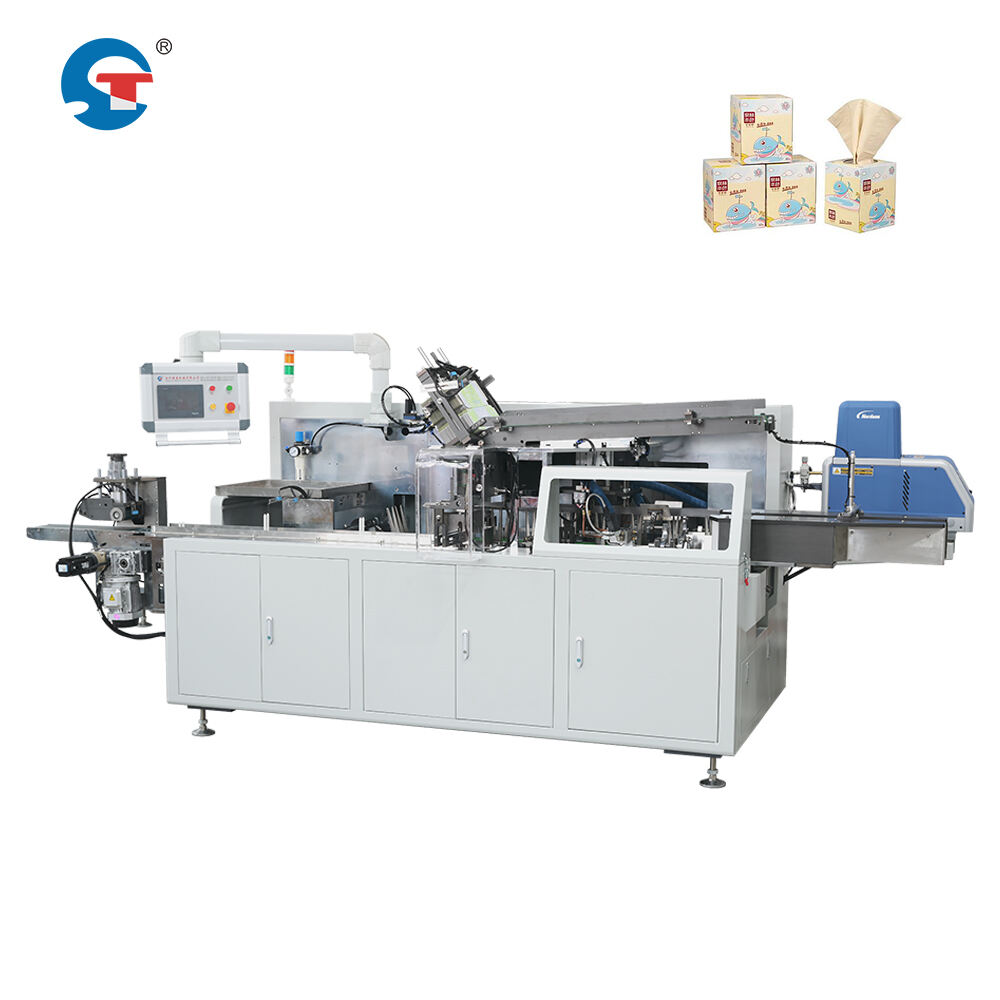
Modern manufacturing facilities face unprecedented pressure to increase productivity while maintaining quality standards and reducing operational costs. In this rapidly evolving industrial landscape, automated packaging machines have emerged as critical components that determine a plant's competitive advantage. These sophisticated systems represent the convergence of advanced engineering, precision manufacturing, and intelligent automation technologies that transform how products move from production lines to consumer markets. The integration of automated packaging solutions has become essential for manufacturers seeking to optimize their operations, enhance product quality, and meet the demanding requirements of today's global supply chains.
Operational Efficiency Through Automation Technology
Speed and Throughput Optimization
The implementation of automated packaging systems dramatically increases production throughput compared to manual packaging operations. These machines operate continuously at consistent speeds, eliminating the variability and fatigue factors associated with human workers. Modern packaging automation can process hundreds or thousands of units per hour, depending on product specifications and machine configurations. This enhanced speed capability enables manufacturers to meet higher demand volumes while maintaining delivery schedules that satisfy customer expectations.
Advanced automated packaging machines incorporate sophisticated control systems that optimize cycle times through precise timing coordination. These systems synchronize multiple packaging operations simultaneously, including product feeding, container preparation, filling, sealing, and labeling processes. The resulting operational efficiency translates directly into improved production capacity without requiring proportional increases in labor costs or facility space requirements.
Consistency and Reliability Standards
Automated systems deliver exceptional consistency in packaging quality that manual operations cannot match. Every package receives identical treatment regarding fill levels, seal integrity, label placement, and overall presentation quality. This consistency ensures that products maintain their intended specifications throughout the packaging process, reducing customer complaints and return rates while strengthening brand reputation in competitive markets.
The reliability of automated packaging machines extends beyond operational consistency to include predictable maintenance schedules and failure prevention capabilities. Modern systems incorporate diagnostic sensors and monitoring technologies that identify potential issues before they cause production disruptions. This proactive approach to equipment management minimizes unplanned downtime and ensures continuous production flow during critical manufacturing periods.
Quality Control and Product Integrity
Precision Packaging Standards
Quality control represents a fundamental advantage of automated packaging machines over traditional manual methods. These systems incorporate multiple quality verification checkpoints throughout the packaging process, including weight verification, seal integrity testing, and visual inspection capabilities. Each package undergoes consistent evaluation against predetermined specifications, ensuring that only products meeting quality standards proceed to distribution channels.
Advanced packaging automation integrates sophisticated rejection systems that automatically remove non-conforming products from the production line. These systems utilize various detection technologies, including vision systems, weight sensors, and metal detectors, to identify packages that fail to meet established criteria. The automatic rejection capability prevents defective products from reaching customers while providing valuable data for process improvement initiatives.
Contamination Prevention and Hygiene
Automated packaging systems provide superior contamination control compared to manual packaging operations, particularly in industries with strict hygiene requirements such as food, pharmaceutical, and medical device manufacturing. These machines operate in controlled environments with minimal human contact, reducing the risk of bacterial contamination, foreign object introduction, and cross-contamination between different product batches.
Modern packaging automation incorporates design features that facilitate thorough cleaning and sanitization procedures. Stainless steel construction, smooth surface finishes, and accessible component designs enable effective cleaning protocols that maintain hygienic conditions throughout production cycles. These features ensure compliance with regulatory standards while protecting product integrity and consumer safety.
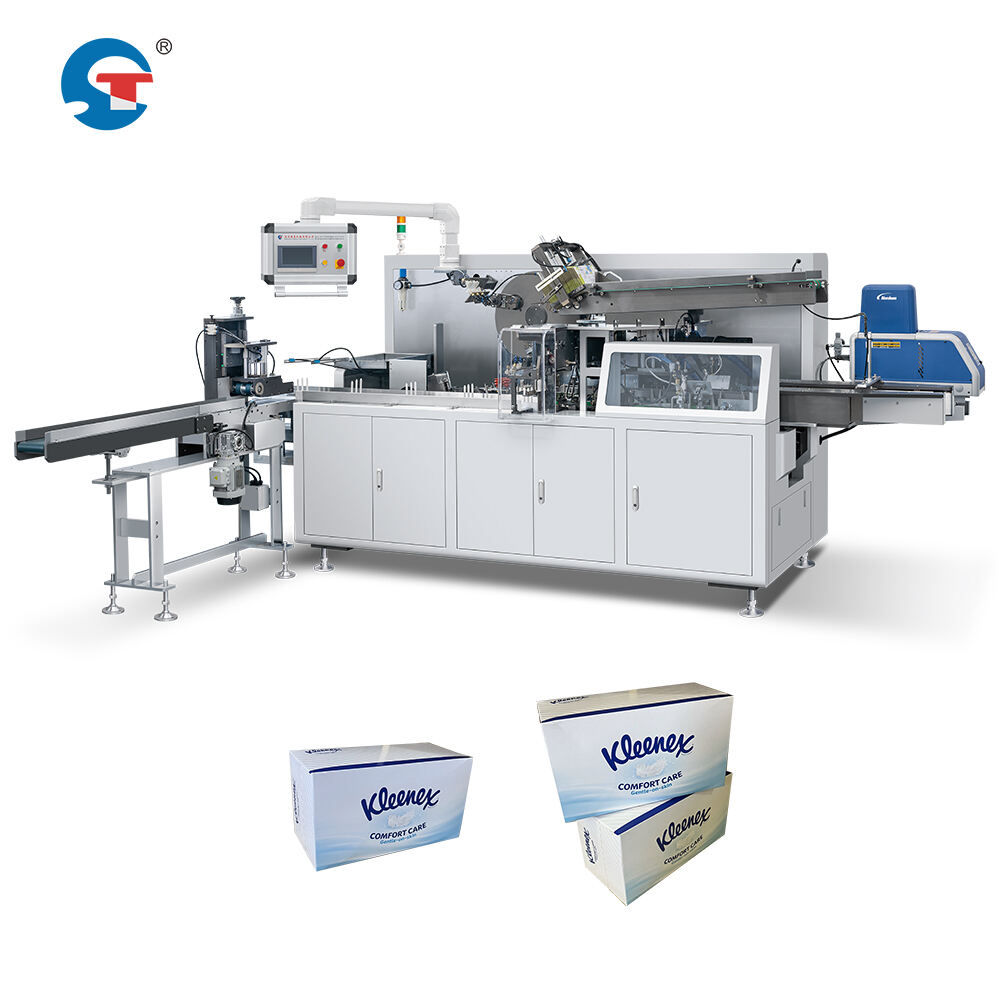
Economic Benefits and Cost Reduction
Labor Cost Optimization
The implementation of automated packaging machines significantly reduces labor requirements while simultaneously improving productivity metrics. These systems typically require minimal operator intervention, allowing skilled workers to focus on higher-value activities such as quality monitoring, process optimization, and equipment maintenance. The reduction in labor dependency provides manufacturing facilities with greater operational flexibility and reduced vulnerability to workforce availability fluctuations.
Long-term labor cost savings from packaging automation extend beyond direct wage reductions to include decreased training requirements, reduced worker compensation claims, and minimized turnover-related expenses. Automated systems eliminate repetitive manual tasks that contribute to workplace injuries and employee fatigue, creating safer working environments while reducing associated insurance costs and liability exposures.
Material Waste Minimization
Automated packaging machines optimize material usage through precise control of packaging materials and elimination of human error factors. These systems dispense exact quantities of packaging materials, apply consistent seal parameters, and minimize product spillage during transfer operations. The resulting material efficiency reduces packaging costs while supporting environmental sustainability initiatives through waste reduction.
Advanced packaging automation incorporates intelligent material management systems that monitor consumption patterns and optimize inventory levels. These systems provide real-time data on material usage rates, enabling proactive procurement planning and reducing the risk of production disruptions due to material shortages. The improved material management contributes to overall cost reduction while ensuring continuous production capability.
Scalability and Future-Proofing Operations
Flexible Production Capabilities
Modern automated packaging machines offer exceptional flexibility in accommodating different product sizes, packaging formats, and production volumes. These systems incorporate adjustable components and programmable control systems that enable rapid changeovers between different packaging configurations. The flexibility advantage allows manufacturers to respond quickly to market demands and product line expansions without requiring significant equipment investments or facility modifications.
Modular packaging automation designs enable incremental capacity expansion as production requirements grow. Manufacturers can add processing modules, increase line speeds, or integrate additional quality control features without replacing entire packaging systems. This scalable approach provides cost-effective growth strategies while protecting initial equipment investments over extended operational periods.
Technology Integration and Industry Evolution
Automated packaging machines integrate seamlessly with broader manufacturing execution systems, enterprise resource planning software, and industrial internet of things platforms. This connectivity enables real-time production monitoring, predictive maintenance scheduling, and comprehensive data collection for process optimization initiatives. The integration capabilities support continuous improvement programs while providing valuable insights for strategic decision-making.
The continuous evolution of packaging automation technology ensures that modern systems remain competitive throughout their operational lifespans. Regular software updates, hardware upgrades, and feature enhancements extend equipment capabilities while incorporating latest industry innovations. This technological progression protects equipment investments while maintaining competitive advantages in rapidly changing market conditions.
Regulatory Compliance and Industry Standards
Documentation and Traceability
Automated packaging machines provide comprehensive documentation capabilities that support regulatory compliance requirements across various industries. These systems automatically record packaging parameters, quality metrics, and production timestamps for every package processed. The detailed documentation ensures complete traceability throughout the packaging process, enabling rapid response to quality issues or regulatory inquiries while supporting product recall procedures when necessary.
Advanced packaging automation incorporates serialization and tracking capabilities that meet increasingly stringent regulatory requirements for product identification and supply chain visibility. These features enable manufacturers to comply with regulations such as pharmaceutical track-and-trace requirements while providing valuable data for supply chain optimization and counterfeit prevention initiatives.
Safety and Environmental Standards
Modern automated packaging machines incorporate comprehensive safety systems that exceed industry standards for worker protection and operational safety. These systems include emergency stop mechanisms, safety interlocks, protective barriers, and hazard monitoring capabilities that minimize accident risks while ensuring compliance with occupational safety regulations. The enhanced safety features protect workers while reducing liability exposures and insurance costs.
Environmental compliance capabilities of automated packaging machines include energy efficiency optimizations, emissions monitoring, and waste reduction features that support sustainability initiatives. These systems consume less energy per package compared to manual operations while generating detailed environmental impact data that supports corporate sustainability reporting and regulatory compliance requirements.
FAQ
What are the primary advantages of automated packaging machines over manual packaging methods?
Automated packaging machines offer several key advantages including significantly higher processing speeds, consistent quality control, reduced labor costs, improved safety conditions, and enhanced product traceability. These systems operate continuously without fatigue, maintain precise packaging specifications, and eliminate human error factors that can compromise product quality or regulatory compliance.
How do automated packaging machines improve manufacturing plant profitability?
These machines enhance profitability through multiple mechanisms including increased production throughput, reduced material waste, lower labor requirements, decreased quality-related costs, and improved equipment utilization rates. The combination of higher efficiency and lower operational costs directly translates to improved profit margins while supporting business growth through enhanced production capacity.
What maintenance requirements are associated with automated packaging machines?
Modern automated packaging machines require scheduled preventive maintenance including lubrication, component inspection, calibration verification, and software updates. However, these maintenance requirements are typically predictable and can be scheduled during planned downtime periods. Many systems incorporate diagnostic capabilities that provide early warning of potential issues, enabling proactive maintenance that minimizes unplanned disruptions.
How do automated packaging machines adapt to different product types and packaging requirements?
Contemporary packaging automation systems feature modular designs and programmable control systems that accommodate various product sizes, shapes, and packaging formats. These machines can store multiple packaging recipes and execute rapid changeovers between different products. Advanced systems include automatic adjustment capabilities that optimize packaging parameters for different products without requiring manual intervention or extensive setup procedures.
Table of Contents
- Operational Efficiency Through Automation Technology
- Quality Control and Product Integrity
- Economic Benefits and Cost Reduction
- Scalability and Future-Proofing Operations
- Regulatory Compliance and Industry Standards
-
FAQ
- What are the primary advantages of automated packaging machines over manual packaging methods?
- How do automated packaging machines improve manufacturing plant profitability?
- What maintenance requirements are associated with automated packaging machines?
- How do automated packaging machines adapt to different product types and packaging requirements?