
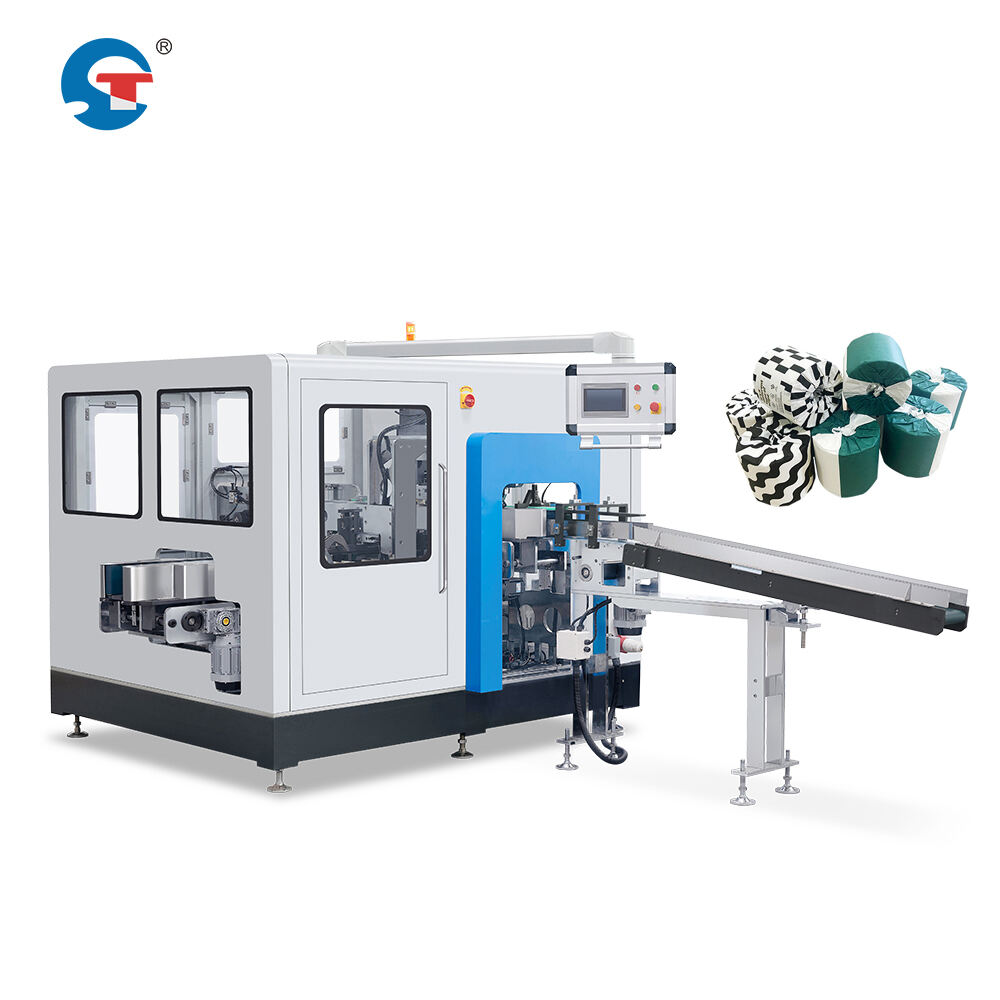
Modern manufacturing facilities face unprecedented pressure to maximize output while maintaining quality standards and controlling operational costs. The integration of advanced packaging machines has emerged as a critical solution for factories seeking to enhance their production efficiency and compete effectively in today's fast-paced industrial landscape. These sophisticated systems transform traditional manual packaging processes into streamlined, automated operations that deliver consistent results with minimal human intervention.
The impact of automated packaging technology extends far beyond simple speed improvements, fundamentally reshaping how factories approach their production workflows. By implementing comprehensive packaging automation, manufacturers can achieve remarkable gains in throughput, reduce labor dependency, and establish more predictable operational patterns. This technological evolution represents a paradigm shift that enables businesses to scale their operations efficiently while maintaining the flexibility needed to adapt to changing market demands.
Automation Technology Revolutionizing Factory Operations
Advanced Control Systems and Smart Integration
Contemporary packaging machines incorporate sophisticated programmable logic controllers and human-machine interfaces that enable seamless integration with existing production lines. These advanced control systems facilitate real-time monitoring and adjustment capabilities, allowing operators to optimize performance parameters based on specific product requirements and production targets. The intelligent software platforms embedded within modern packaging equipment provide comprehensive data analytics and predictive maintenance alerts that minimize unexpected downtime.
The integration capabilities of modern packaging systems extend to enterprise resource planning software and manufacturing execution systems, creating a unified digital ecosystem that enhances visibility across the entire production process. This connectivity enables factory managers to make data-driven decisions regarding capacity planning, resource allocation, and process optimization. The ability to synchronize packaging operations with upstream and downstream processes ensures optimal material flow and reduces bottlenecks that traditionally limited production efficiency.
Precision Engineering and Quality Assurance
High-performance packaging machines deliver exceptional precision in product handling, positioning, and sealing operations through advanced servo motor technology and vision-guided systems. These precision engineering features ensure consistent package dimensions, proper seal integrity, and accurate product placement that meets stringent quality standards. The implementation of automated quality control mechanisms within packaging systems reduces the likelihood of defective products reaching customers while maintaining high-speed operation.
Vision inspection systems integrated into packaging equipment perform real-time quality assessments that detect packaging defects, missing components, or incorrect labeling before products leave the production line. This proactive quality assurance approach prevents costly recalls and maintains brand reputation while supporting lean manufacturing principles. The combination of mechanical precision and intelligent monitoring creates a robust quality framework that enhances overall production reliability.
Speed and Throughput Enhancement Strategies
High-Speed Processing Capabilities
Modern packaging machines achieve remarkable processing speeds that far exceed manual packaging capabilities, with some systems handling hundreds or thousands of products per hour depending on package complexity and size requirements. The implementation of parallel processing architectures and optimized motion control algorithms enables sustained high-speed operation without compromising packaging quality or system reliability. These speed improvements translate directly into increased daily production volumes and enhanced capacity utilization.
The design philosophy behind high-speed packaging equipment emphasizes continuous motion principles that minimize acceleration and deceleration cycles while maintaining smooth product flow throughout the packaging process. Advanced cam-driven mechanisms and servo-controlled systems work in perfect synchronization to eliminate timing inconsistencies that could limit throughput. This engineering approach ensures that packaging machines operate at peak efficiency across extended production runs.
Flexible Configuration Options
Advanced packaging systems offer modular configurations that adapt quickly to different product specifications, package sizes, and production requirements without extensive mechanical modifications. This flexibility enables manufacturers to respond rapidly to market demands and product line changes while maintaining optimal throughput levels. The ability to reconfigure packaging parameters through software adjustments rather than physical modifications significantly reduces changeover times and increases overall equipment effectiveness.
Multi-format packaging capabilities allow single machines to handle diverse product portfolios, eliminating the need for multiple dedicated packaging lines and maximizing floor space utilization. These versatile systems incorporate adjustable guides, variable-speed drives, and programmable forming mechanisms that accommodate various package styles and sizes within a single production shift. The operational flexibility provided by modern packaging equipment supports lean manufacturing strategies and enables more responsive production planning.
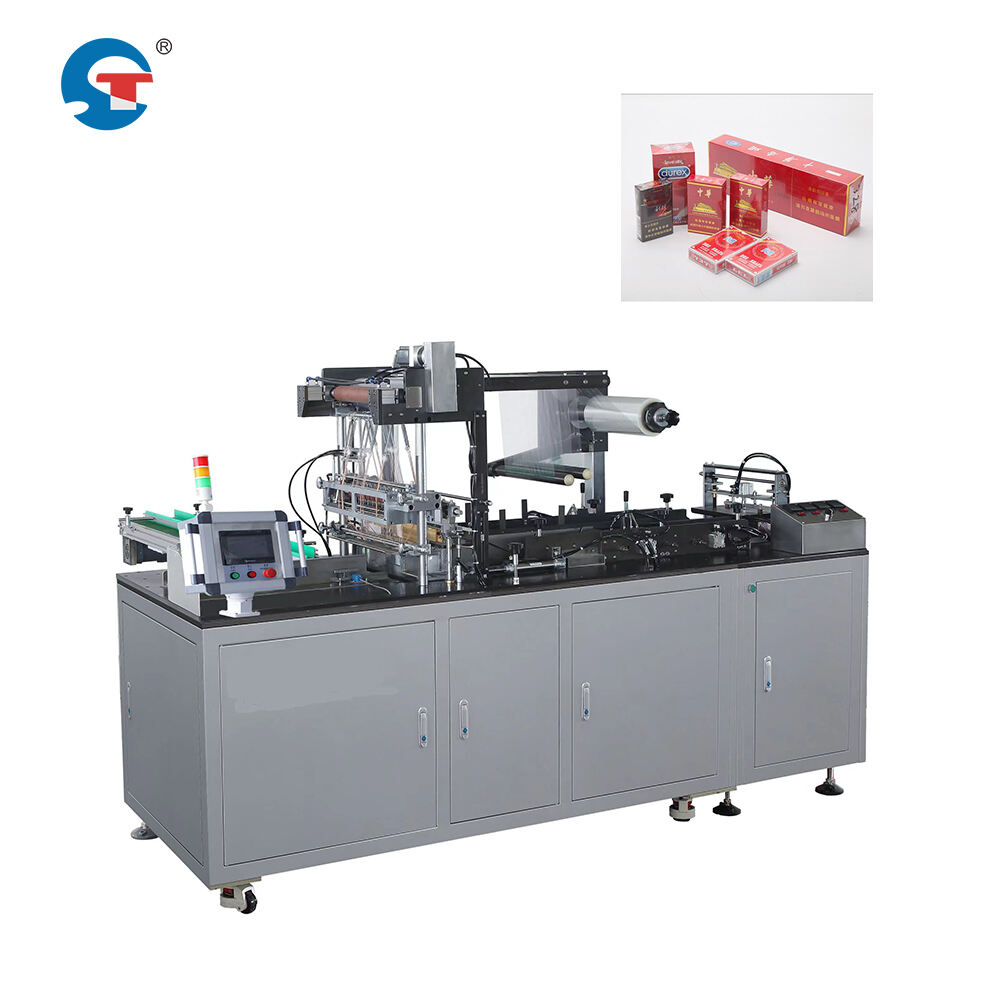
Labor Optimization and Workforce Development
Reduced Manual Labor Requirements
Automated packaging systems dramatically reduce the number of personnel required for packaging operations while simultaneously improving worker safety by eliminating repetitive manual tasks and exposure to potential workplace hazards. This labor optimization allows factories to redeploy human resources to higher-value activities such as quality assurance, equipment maintenance, and process improvement initiatives. The reduction in labor dependency also provides greater scheduling flexibility and reduces the impact of workforce fluctuations on production capacity.
The implementation of packaging automation addresses common labor challenges including worker fatigue, consistency variations, and training requirements associated with manual packaging processes. Automated systems maintain consistent performance levels throughout extended production periods without the performance degradation typically associated with human operators during long shifts. This reliability enhancement contributes to more predictable production schedules and improved delivery performance.
Skill Development and Technical Training
The transition to automated packaging systems creates opportunities for workforce development as employees acquire technical skills related to equipment operation, maintenance, and troubleshooting. These enhanced skill sets increase employee value and career advancement potential while supporting the factory's long-term competitiveness. Comprehensive training programs for packaging machine operation develop expertise in areas such as preventive maintenance, parameter optimization, and quality control procedures.
Technical competency development extends beyond basic machine operation to include data interpretation, process analysis, and continuous improvement methodologies that support ongoing efficiency gains. The emphasis on technical skills development aligns with industry trends toward intelligent manufacturing and positions the workforce for success in increasingly automated production environments. This investment in human capital complements the technological advancement achieved through packaging automation.
Cost Efficiency and Return on Investment
Operating Cost Reduction Strategies
Packaging machines deliver substantial operating cost reductions through decreased labor expenses, reduced material waste, and improved energy efficiency compared to manual packaging methods. The precision control capabilities of automated systems minimize packaging material consumption while ensuring adequate protection for products during transportation and storage. Energy-efficient motor technologies and optimized mechanical designs reduce power consumption and contribute to lower operational expenses.
Preventive maintenance programs supported by predictive analytics help minimize unplanned downtime and extend equipment service life, resulting in lower total cost of ownership. The ability to schedule maintenance activities during planned production breaks maximizes equipment availability and reduces the impact of maintenance requirements on production schedules. Advanced diagnostic capabilities enable proactive component replacement before failures occur, preventing costly emergency repairs and production interruptions.
Investment Recovery and Long-Term Benefits
The capital investment required for packaging machine implementation typically generates positive returns through increased production capacity, reduced operating costs, and improved product quality within reasonable payback periods. Financial analysis of packaging automation projects must consider factors such as labor cost savings, productivity improvements, quality enhancements, and competitive advantages gained through enhanced production capabilities. The long-term benefits of packaging automation extend beyond immediate cost savings to include strategic advantages such as increased market responsiveness and scalability.
Packaging machine investments support business growth objectives by providing the production capacity and flexibility needed to pursue new market opportunities and expand product offerings. The scalability advantages of automated packaging systems enable manufacturers to increase output without proportional increases in labor costs or facility requirements. This operational leverage enhances profitability and supports sustainable business expansion strategies.
Quality Control and Consistency Improvements
Standardized Packaging Processes
Automated packaging systems establish standardized processes that eliminate variability associated with manual operations, ensuring consistent package appearance, seal integrity, and product protection across all production batches. The implementation of standardized procedures through programmable controls reduces the likelihood of packaging defects and maintains uniform quality standards regardless of operator experience or shift changes. This consistency enhancement supports brand image and customer satisfaction objectives.
Process standardization extends to material handling procedures, environmental controls, and documentation requirements that support comprehensive quality management systems. Automated data collection capabilities provide detailed production records and traceability information that facilitate quality investigations and continuous improvement initiatives. The elimination of manual variability through packaging automation strengthens quality assurance programs and supports regulatory compliance requirements.
Integrated Inspection Technologies
Modern packaging machines incorporate sophisticated inspection technologies including barcode verification, seal integrity testing, and dimensional measurement systems that provide real-time quality assessment capabilities. These integrated inspection features detect packaging defects immediately and enable automatic rejection of non-conforming products before they enter the distribution system. The implementation of multi-point quality checks throughout the packaging process ensures comprehensive quality coverage and minimizes the risk of defective products reaching customers.
Vision-based inspection systems utilize advanced image processing algorithms to detect subtle packaging defects that might escape human inspection, including incomplete seals, foreign material contamination, and label positioning errors. The combination of multiple inspection technologies creates redundant quality safeguards that enhance overall system reliability and product quality assurance. These automated quality control capabilities reduce the need for manual inspection while providing superior defect detection performance.
FAQ
What factors determine the optimal packaging machine configuration for a specific factory?
The selection of optimal packaging machine configuration depends on multiple factors including product characteristics, production volume requirements, available floor space, integration needs with existing equipment, and budget constraints. Product factors such as size, weight, fragility, and packaging material compatibility directly influence machine specifications and capabilities. Production volume targets determine the required throughput capacity and may influence decisions regarding single versus multiple machine installations.
How do packaging machines integrate with existing factory management systems?
Modern packaging machines feature comprehensive connectivity options including Ethernet, wireless communications, and industrial protocols that enable integration with enterprise resource planning systems, manufacturing execution systems, and quality management databases. This integration provides real-time production data, enables remote monitoring and control capabilities, and supports predictive maintenance programs. The data exchange capabilities facilitate improved production planning, inventory management, and overall operational efficiency.
What maintenance requirements are associated with automated packaging equipment?
Packaging machine maintenance requirements typically include routine cleaning procedures, lubrication schedules, component inspection protocols, and periodic calibration activities that ensure optimal performance and extend equipment service life. Preventive maintenance programs based on manufacturer recommendations and operational experience help minimize unplanned downtime and maintain consistent packaging quality. Many modern systems include diagnostic capabilities that provide early warning of potential maintenance needs and guide troubleshooting activities.
How quickly can factories expect to see efficiency improvements after implementing packaging automation?
Efficiency improvements from packaging machine implementation typically become apparent within the first few weeks of operation as production teams become familiar with equipment operation and optimize process parameters. Initial benefits often include immediate throughput increases, reduced labor requirements, and improved packaging consistency. Long-term efficiency gains develop over several months as operators gain experience, maintenance procedures mature, and process optimization opportunities are identified and implemented.
Table of Contents
- Automation Technology Revolutionizing Factory Operations
- Speed and Throughput Enhancement Strategies
- Labor Optimization and Workforce Development
- Cost Efficiency and Return on Investment
- Quality Control and Consistency Improvements
-
FAQ
- What factors determine the optimal packaging machine configuration for a specific factory?
- How do packaging machines integrate with existing factory management systems?
- What maintenance requirements are associated with automated packaging equipment?
- How quickly can factories expect to see efficiency improvements after implementing packaging automation?