
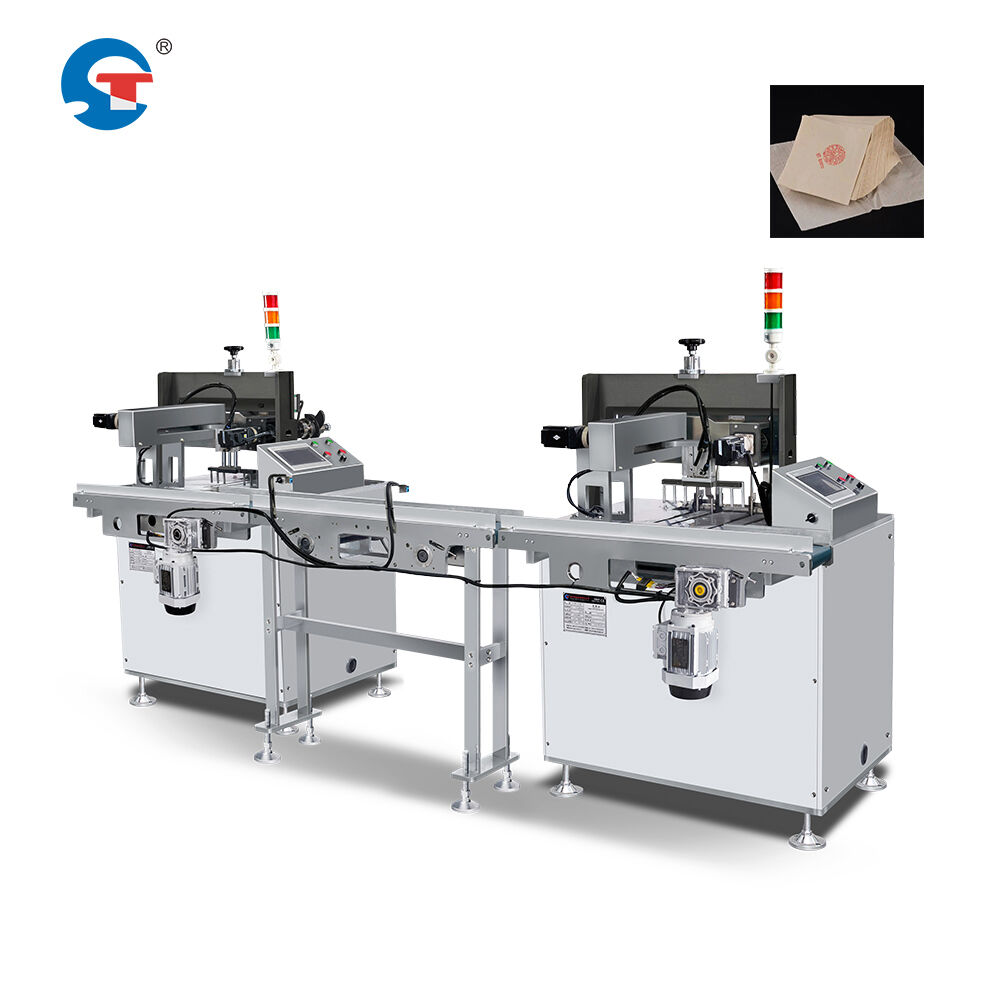
Selecting the right tissue folding machine is a critical decision for factories involved in tissue paper production, whether for facial tissues, napkins, or household paper products. The performance of a tissue folding machine directly affects production efficiency, product consistency, labor costs, and long-term operational stability. Understanding what factories should evaluate when selecting a tissue folding machine helps decision-makers avoid costly mistakes and ensures that the chosen equipment aligns with production goals, quality standards, and operational realities.
Production Capacity and Output Requirements
Matching Machine Speed With Factory Demand
Production capacity is often the first factor factories consider when selecting a tissue folding machine. Machine speed must align with current output needs while allowing room for future growth. If the folding speed is too low, bottlenecks may occur downstream, reducing overall line efficiency. On the other hand, an excessively high-speed tissue folding machine may operate below capacity, leading to unnecessary capital expenditure.
Factories should evaluate daily and hourly production targets and compare them with the machine’s rated folding speed. Understanding what factories should evaluate when selecting a tissue folding machine includes assessing whether the machine can maintain stable output at high speeds without frequent stoppages or quality issues.
Compatibility With Upstream and Downstream Equipment
A tissue folding machine does not operate in isolation. It must integrate smoothly with upstream processes such as rewinding or cutting, as well as downstream packaging systems. Mismatched speeds or inconsistent material flow can disrupt the entire production line.
Factories should examine whether the tissue folding machine can synchronize with existing equipment. This evaluation is essential when considering what factories should evaluate when selecting a tissue folding machine, as compatibility reduces the need for costly modifications and ensures continuous, balanced production.
Folding Types and Product Versatility
Supported Folding Styles and Configurations
Different tissue products require different folding styles, such as V-fold, Z-fold, C-fold, or interfold. A versatile tissue folding machine that supports multiple folding configurations allows factories to diversify their product offerings without investing in additional equipment.
When analyzing what factories should evaluate when selecting a tissue folding machine, flexibility in folding types is a major advantage. It enables manufacturers to respond quickly to changing market demands or customer specifications while maximizing equipment utilization.
Adjustability for Different Tissue Sizes and Plies
Factories often produce tissues in varying sizes, thicknesses, and ply counts. A high-quality tissue folding machine should allow easy adjustment for different paper widths, lengths, and ply structures. This adjustability minimizes downtime during product changeovers.
Understanding what factories should evaluate when selecting a tissue folding machine includes considering how user-friendly these adjustments are. Simple, tool-free adjustments save time, reduce operator error, and improve overall production efficiency.
Material Compatibility and Paper Handling
Handling Different Paper Grades and Weights
Tissue paper varies widely in softness, strength, and basis weight. A reliable tissue folding machine must handle these variations without tearing, wrinkling, or misfolding. Poor paper handling can lead to high waste rates and inconsistent product quality.
Factories should test or verify the machine’s ability to process different paper grades smoothly. This is a critical part of what factories should evaluate when selecting a tissue folding machine, especially for manufacturers serving diverse markets or premium segments.
Tension Control and Stability During Folding
Consistent tension control ensures accurate folding and alignment. Uneven tension can cause skewed folds, jams, or paper breakage. Advanced tissue folding machines incorporate precise tension control systems to maintain stability throughout the folding process.
Evaluating tension control mechanisms helps factories understand what factories should evaluate when selecting a tissue folding machine that delivers uniform quality and minimizes material loss.
Automation Level and Control Systems
Manual Versus Automated Operation
Automation level significantly influences labor requirements and operational consistency. Fully automated tissue folding machines reduce dependence on skilled operators and ensure repeatable results. Semi-automatic systems may offer lower upfront costs but require more manual intervention.
Factories should assess their labor availability, skill levels, and long-term cost goals when deciding on automation. This assessment is a key aspect of what factories should evaluate when selecting a tissue folding machine for sustainable operations.
Control Interfaces and Monitoring Capabilities
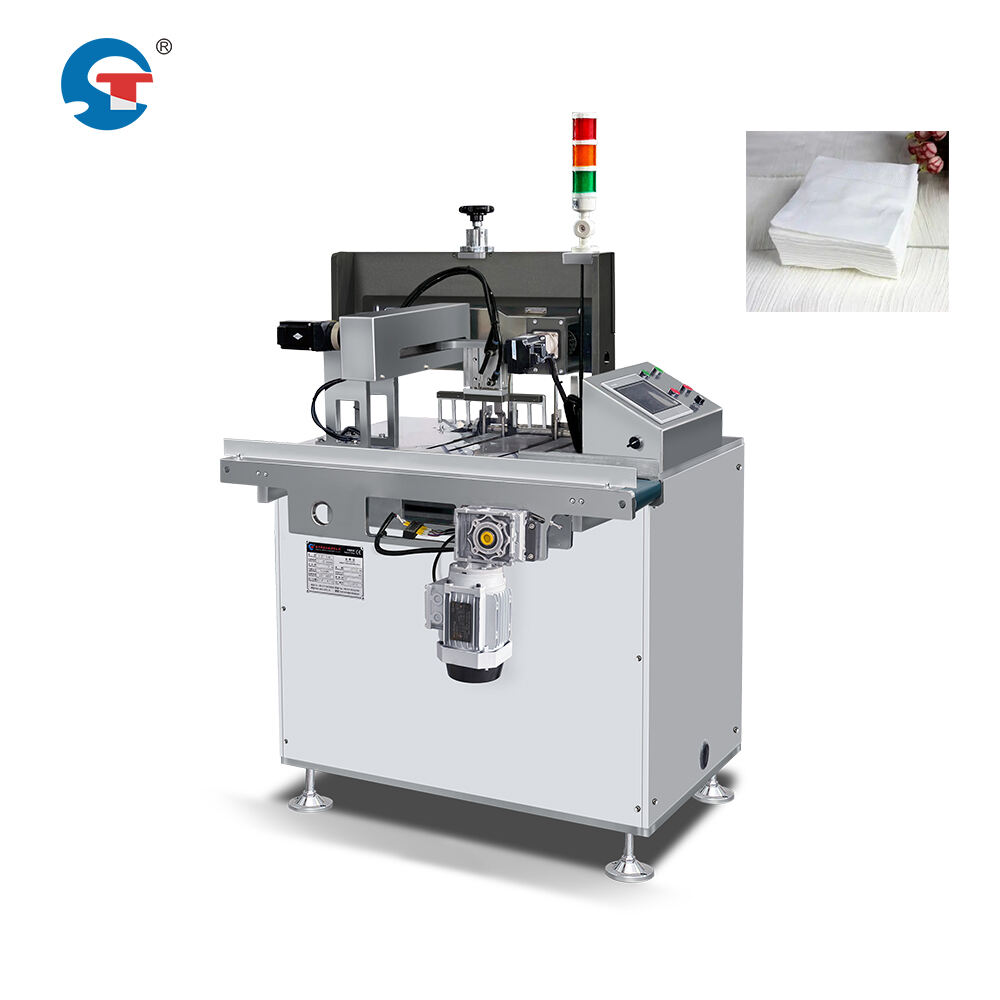
Modern tissue folding machines often feature touch-screen interfaces, programmable settings, and real-time monitoring. These features improve ease of use and allow operators to detect issues early. Clear alarms and diagnostic functions reduce downtime and simplify troubleshooting.
When determining what factories should evaluate when selecting a tissue folding machine, the quality of the control system plays a vital role in maintaining consistent output and reducing operational risks.
Build Quality and Mechanical Design
Structural Strength and Component Durability
A tissue folding machine operates continuously under repetitive motion. Robust frames, high-quality bearings, and precision-machined components contribute to long service life and stable performance. Weak structures or low-grade components increase maintenance frequency and failure risk.
Factories should inspect material quality and manufacturing standards. Build quality is a fundamental element of what factories should evaluate when selecting a tissue folding machine that can withstand long-term industrial use.
Precision and Consistency in Folding Mechanisms
Accurate folding depends on well-designed mechanical systems. Misalignment or excessive vibration can compromise fold accuracy and product appearance. Precision engineering ensures that each tissue is folded consistently, batch after batch.
Evaluating folding accuracy helps factories understand what factories should evaluate when selecting a tissue folding machine that meets quality expectations and customer requirements.
Maintenance Requirements and Serviceability
Ease of Maintenance and Access to Components
Maintenance efficiency directly affects uptime. A tissue folding machine with easy access to key components allows faster inspection, cleaning, and replacement of wear parts. Poor accessibility increases maintenance time and disrupts production schedules.
Factories should consider maintenance design as part of what factories should evaluate when selecting a tissue folding machine, especially in high-volume production environments.
Availability of Spare Parts and Technical Support
Reliable access to spare parts and technical support ensures quick recovery from unexpected issues. Machines designed with standardized components simplify spare parts management and reduce dependency on specialized suppliers.
This consideration is central to what factories should evaluate when selecting a tissue folding machine that supports long-term operational stability and predictable maintenance planning.
Energy Efficiency and Operating Costs
Power Consumption and Efficiency
Energy costs represent a significant portion of operational expenses. An energy-efficient tissue folding machine reduces electricity consumption while maintaining high output. Efficient motors, optimized drive systems, and intelligent control contribute to lower energy usage.
Factories should analyze power ratings and efficiency features when evaluating what factories should evaluate when selecting a tissue folding machine that aligns with cost-control objectives.
Total Cost of Ownership Evaluation
Initial purchase price is only one part of the investment. Maintenance costs, energy usage, labor requirements, and machine lifespan all contribute to total cost of ownership. A lower-cost machine may become more expensive over time if operating costs are high.
Understanding total cost of ownership is essential when considering what factories should evaluate when selecting a tissue folding machine that delivers long-term value rather than short-term savings.
Safety Standards and Operator Protection
Built-In Safety Features
Safety is a non-negotiable requirement in modern factories. A tissue folding machine should include guards, emergency stop buttons, and safety interlocks to protect operators. These features reduce the risk of accidents and ensure compliance with safety regulations.
Evaluating safety design is an important part of what factories should evaluate when selecting a tissue folding machine that supports a safe working environment.
Ergonomic Design and Operator Comfort
Ergonomic considerations affect operator efficiency and fatigue levels. Easy access to controls, comfortable working heights, and intuitive layouts improve daily operation. Over time, good ergonomics contribute to fewer errors and higher productivity.
Factories should include ergonomic factors in what factories should evaluate when selecting a tissue folding machine for sustainable workforce performance.
Customization and Future Adaptability
Custom Configuration Options
Different factories have unique production needs. The ability to customize a tissue folding machine in terms of folding type, speed, or integration options allows better alignment with specific requirements.
Customization capability is a valuable aspect of what factories should evaluate when selecting a tissue folding machine, as it reduces compromises and enhances operational fit.
Scalability and Upgrade Potential
Production demands may change over time. A tissue folding machine that allows upgrades or expansion supports long-term planning. Modular designs and software upgrades help extend machine relevance as requirements evolve.
Considering adaptability ensures that what factories should evaluate when selecting a tissue folding machine includes future-proofing within current operational scope.
FAQ
What production factors are most important when selecting a tissue folding machine
Factories should focus on required output speed, compatibility with existing lines, and product size range. These factors are central to what factories should evaluate when selecting a tissue folding machine that meets production goals.
How does folding flexibility affect factory operations
Folding flexibility allows manufacturers to produce different tissue products using one machine. This versatility is an important part of what factories should evaluate when selecting a tissue folding machine to maximize equipment utilization.
Why is maintenance design important in tissue folding machines
Easy maintenance reduces downtime and labor costs. Maintenance-friendly design is a key consideration in what factories should evaluate when selecting a tissue folding machine for continuous operation.
Table of Contents
- Production Capacity and Output Requirements
- Folding Types and Product Versatility
- Material Compatibility and Paper Handling
- Automation Level and Control Systems
- Build Quality and Mechanical Design
- Maintenance Requirements and Serviceability
- Energy Efficiency and Operating Costs
- Safety Standards and Operator Protection
- Customization and Future Adaptability
- FAQ