
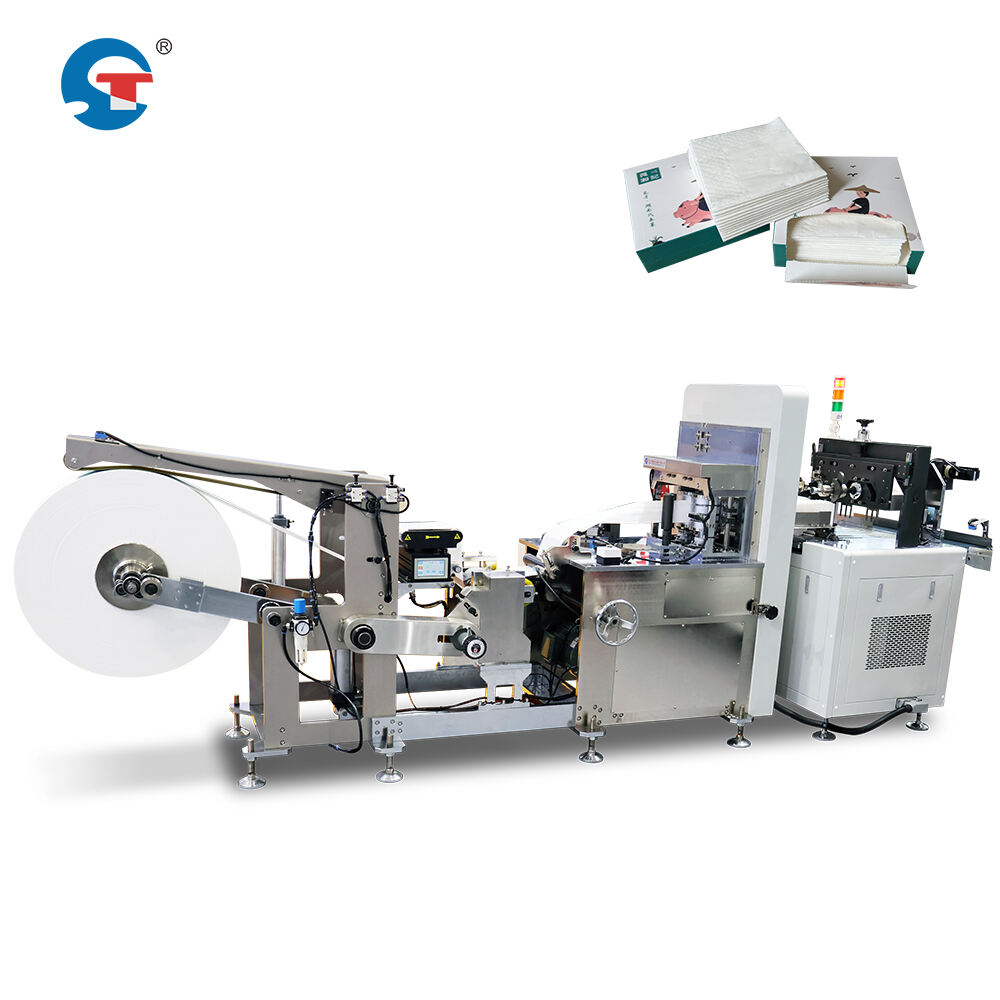
Modern manufacturing facilities require sophisticated equipment to meet growing demand for tissue products while maintaining cost efficiency and consistent quality. Large-scale tissue production plants face unique challenges that demand specialized machinery capable of handling high-volume operations. The selection of appropriate folding equipment becomes critical for maintaining competitive advantage in today's fast-paced manufacturing environment. Industrial facilities must consider multiple factors when choosing equipment that can sustain continuous operation while delivering precise folding patterns and maintaining product integrity throughout the production process.
Production Capacity Requirements for Industrial Operations
High-Volume Processing Capabilities
Large-scale tissue manufacturing facilities typically process thousands of units per hour, requiring machinery with exceptional throughput capabilities. Industrial tissue folding machines must demonstrate consistent performance under continuous operation conditions, handling varying tissue weights and thicknesses without compromising folding precision. The equipment should maintain optimal speed ranges that align with upstream and downstream production processes, ensuring seamless integration within existing production lines. Advanced servo motor systems enable precise speed control while maintaining energy efficiency throughout extended operating periods.
Production managers evaluate folding machines based on their ability to sustain peak performance during multi-shift operations without significant maintenance interruptions. Modern industrial folding systems incorporate robust mechanical components designed to withstand the mechanical stress associated with high-volume processing. Temperature management systems prevent overheating during continuous operation, while automated lubrication systems ensure optimal component performance without manual intervention. These features collectively contribute to maximizing overall equipment effectiveness and reducing unplanned downtime costs.
Scalability and Future Expansion
Forward-thinking manufacturers prioritize equipment that accommodates future production increases without requiring complete system replacements. Modular tissue folding machine designs allow facilities to expand processing capacity through additional units or upgraded components. Flexible configuration options enable manufacturers to adapt folding patterns and product specifications as market demands evolve. Integration capabilities with digital production management systems facilitate real-time monitoring and optimization of folding operations across multiple production lines.
Investment in scalable folding technology provides long-term value by supporting business growth while minimizing capital expenditure requirements for future expansions. Advanced control systems offer programmable settings that accommodate diverse product specifications without extensive reconfiguration time. Standardized component interfaces ensure compatibility with various auxiliary equipment, simplifying integration processes and reducing installation complexity. These scalability features enable manufacturers to respond quickly to market opportunities while maintaining operational efficiency.
Quality Control and Consistency Standards
Precision Folding Mechanisms
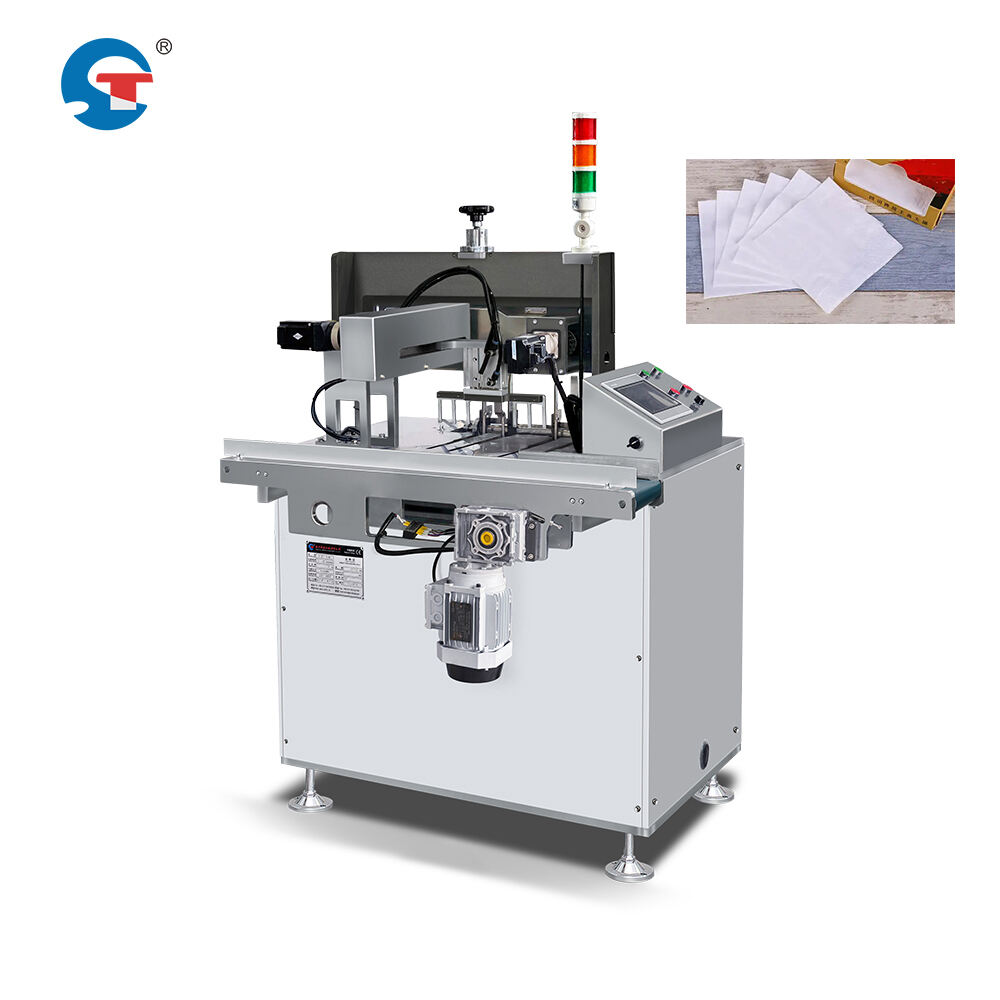
Industrial applications demand unwavering consistency in fold accuracy and product presentation, requiring sophisticated mechanical systems that deliver precise results across millions of cycles. Advanced tissue folding machines incorporate sensor technology that monitors fold quality in real-time, automatically adjusting parameters to maintain specifications. Pneumatic folding systems provide controlled pressure application, ensuring consistent fold sharpness without damaging delicate tissue materials. Precision guide systems maintain proper tissue alignment throughout the folding process, preventing misalignment that could compromise product quality.
Quality assurance protocols integrated into modern folding equipment include automatic rejection systems that remove defective products before packaging. Vision inspection systems detect irregularities in fold patterns, triggering corrective actions or product removal as appropriate. Statistical process control capabilities track quality metrics continuously, providing manufacturers with detailed performance data for optimization purposes. These quality control features minimize waste while ensuring consistent product presentation that meets consumer expectations and regulatory requirements.
Material Handling Precision
Large-scale operations require gentle yet secure material handling systems that preserve tissue integrity while maintaining processing speed. Vacuum-assisted feeding systems ensure reliable tissue pickup without causing tears or deformation that could affect folding quality. Anti-static treatments and humidity control systems prevent tissue adherence issues that commonly occur in high-volume processing environments. Adjustable tension controls accommodate varying tissue characteristics while maintaining consistent handling throughout the production process.
Advanced material handling systems incorporate multiple sensor technologies that detect tissue thickness variations and automatically adjust handling parameters accordingly. Soft-touch gripper systems minimize mechanical stress on delicate materials while ensuring secure transport through folding stations. Buffer systems accommodate minor variations in upstream feeding rates, maintaining steady material flow to folding mechanisms. These precision handling capabilities ensure optimal product quality while maximizing processing efficiency in demanding industrial environments.
Energy Efficiency and Operational Costs
Power Consumption Optimization
Modern tissue folding machines incorporate energy-efficient technologies that significantly reduce operational costs for large-scale facilities. Variable frequency drives optimize motor performance by adjusting power consumption based on actual processing requirements rather than running at constant maximum capacity. Regenerative braking systems capture energy during deceleration phases, returning power to the electrical system and reducing overall consumption. Smart power management systems automatically reduce energy usage during idle periods while maintaining rapid startup capabilities when production resumes.
LED lighting systems and efficient pneumatic components further contribute to reduced energy consumption without compromising operational performance. Energy monitoring systems provide detailed consumption data that enables manufacturers to identify optimization opportunities and track efficiency improvements over time. High-efficiency motors and optimized mechanical systems reduce heat generation, decreasing cooling requirements and associated energy costs. These energy-saving features provide substantial cost reductions over the equipment lifecycle while supporting sustainability initiatives.
Maintenance Cost Management
Predictive maintenance technologies integrated into tissue folding machine systems enable proactive component replacement before failures occur, minimizing unplanned downtime costs. Automated lubrication systems reduce manual maintenance requirements while ensuring optimal component performance throughout extended operating periods. Modular component designs facilitate rapid replacement procedures, minimizing production interruptions when maintenance activities become necessary. Remote diagnostic capabilities enable technical support teams to identify issues and provide solutions without requiring on-site visits.
Comprehensive maintenance management systems track component usage and schedule preventive maintenance activities based on actual operating conditions rather than arbitrary time intervals. Quick-change tooling systems reduce changeover times when switching between different product configurations, maximizing productive operating time. Standardized component specifications simplify spare parts inventory management while ensuring compatibility across multiple equipment units. These maintenance optimization features significantly reduce total cost of ownership while improving overall equipment reliability.
Integration Capabilities and Automation
Production Line Compatibility
Seamless integration with existing production infrastructure requires folding equipment that communicates effectively with upstream tissue manufacturing processes and downstream packaging systems. Industrial communication protocols enable real-time data exchange between folding machines and central production management systems, facilitating coordinated operation across the entire production line. Synchronized timing systems ensure proper material flow rates that prevent bottlenecks while maintaining consistent product quality. Flexible interface options accommodate various control system architectures commonly found in established manufacturing facilities.
Advanced integration capabilities include automatic recipe management systems that store folding parameters for different product specifications, enabling rapid changeovers without manual reconfiguration. Material tracking systems maintain product traceability throughout the folding process, supporting quality management and regulatory compliance requirements. Buffer management systems coordinate with upstream processes to maintain optimal material flow while accommodating normal production variations. These integration features enable manufacturers to optimize overall production efficiency while maintaining operational flexibility.
Digital Control Systems
Modern tissue folding machines feature sophisticated digital control systems that provide precise parameter control and comprehensive monitoring capabilities. Human-machine interfaces present intuitive operation screens that enable operators to monitor performance metrics and adjust settings efficiently. Data logging systems capture detailed operational information that supports process optimization and quality improvement initiatives. Remote connectivity options enable technical support and performance monitoring from off-site locations, reducing response times for technical issues.
Programmable logic controllers provide reliable operation control while offering flexibility for custom programming requirements. Recipe management systems store multiple product configurations, enabling rapid changeovers between different folding specifications without extensive setup procedures. Alarm systems provide immediate notification of operational issues, enabling rapid response to prevent quality problems or equipment damage. These digital control capabilities enhance operational efficiency while providing the flexibility needed for diverse product requirements in large-scale manufacturing environments.
Safety Features and Compliance Standards
Operator Protection Systems
Industrial tissue folding machines incorporate comprehensive safety systems designed to protect operators while maintaining productivity in high-volume manufacturing environments. Safety interlocks prevent equipment operation when access panels are open, ensuring operator safety during maintenance and cleaning procedures. Emergency stop systems provide immediate equipment shutdown capabilities from multiple locations throughout the operating area. Light curtains and safety mats detect operator presence in hazardous areas, automatically stopping equipment motion to prevent accidents.
Lockout-tagout systems enable safe maintenance procedures by preventing accidental equipment startup during service activities. Safety-rated control systems meet international safety standards while providing reliable protection against electrical and mechanical hazards. Comprehensive safety documentation and training materials support proper operator education and regulatory compliance requirements. These safety features protect personnel while minimizing liability concerns for manufacturing facilities operating in regulated environments.
Regulatory Compliance
Manufacturing facilities must ensure folding equipment meets applicable safety and environmental regulations while maintaining competitive production capabilities. International safety certifications demonstrate equipment compliance with recognized standards for industrial machinery operation. Environmental compliance features include noise reduction systems and emission controls that meet local regulatory requirements. Food-grade materials and sanitary design principles ensure suitability for facilities producing consumer tissue products.
Documentation packages include detailed safety assessments and compliance certificates that support facility safety audits and regulatory inspections. Training programs ensure operators understand proper safety procedures and equipment operation requirements. Regular safety updates and technical support services maintain compliance as regulations evolve over time. These compliance features provide manufacturers with confidence that equipment investments meet current and future regulatory requirements while supporting safe operating practices.
FAQ
What production speeds can industrial tissue folding machines achieve
Industrial tissue folding machines designed for large-scale operations typically achieve production speeds ranging from 800 to 2000 pieces per minute, depending on product specifications and folding complexity. Advanced servo-driven systems provide precise speed control while maintaining consistent fold quality across the entire speed range. Variable speed capabilities enable optimization for different tissue weights and sizes, ensuring maximum productivity while preserving product integrity. High-performance models incorporate multiple folding stations that enable even higher throughput rates for facilities with exceptional volume requirements.
How do maintenance requirements differ for high-volume folding operations
Large-scale tissue folding operations require more frequent maintenance intervals due to continuous operation and higher component wear rates compared to smaller facilities. Predictive maintenance systems monitor component condition continuously, scheduling maintenance activities based on actual wear rather than arbitrary time intervals. Automated lubrication systems and easily accessible maintenance points reduce service time requirements while ensuring optimal component performance. Comprehensive spare parts programs and rapid response technical support minimize production interruptions when maintenance activities become necessary.
What factors determine the return on investment for industrial folding equipment
Return on investment calculations for tissue folding machines consider initial equipment cost, operational efficiency gains, maintenance cost reductions, and quality improvement benefits. Energy-efficient designs reduce ongoing operational costs while high-speed capabilities increase production output from existing facilities. Automated quality control systems reduce waste and rework costs while ensuring consistent product presentation. Typical payback periods range from 18 to 36 months depending on facility size, product mix, and operational efficiency improvements achieved through equipment upgrades.
How do modern folding machines accommodate different tissue product specifications
Contemporary tissue folding machines feature programmable control systems that store multiple product recipes, enabling rapid changeovers between different specifications without extensive manual adjustments. Adjustable folding stations accommodate various tissue sizes while maintaining precise fold positioning and consistent quality. Variable pressure controls adapt to different tissue thicknesses and materials without compromising folding accuracy. Quick-change tooling systems further reduce changeover times when switching between significantly different product configurations, maximizing productive operating time in facilities producing diverse product lines.
Table of Contents
- Production Capacity Requirements for Industrial Operations
- Quality Control and Consistency Standards
- Energy Efficiency and Operational Costs
- Integration Capabilities and Automation
- Safety Features and Compliance Standards
-
FAQ
- What production speeds can industrial tissue folding machines achieve
- How do maintenance requirements differ for high-volume folding operations
- What factors determine the return on investment for industrial folding equipment
- How do modern folding machines accommodate different tissue product specifications