
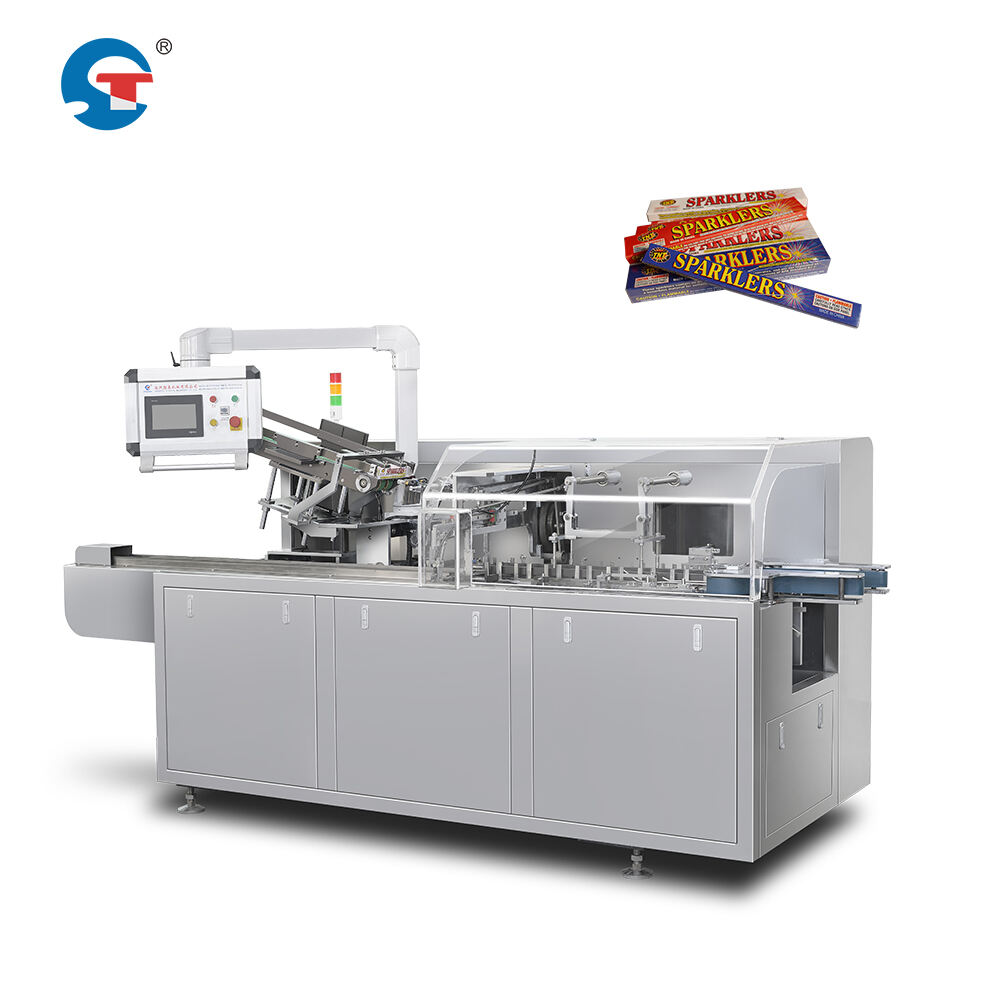
The modern toy manufacturing industry demands exceptional packaging solutions that protect products while creating memorable unboxing experiences. A toy cartoning machine represents a revolutionary advancement in automated packaging technology, enabling manufacturers to achieve consistent, professional results while accommodating diverse custom packaging requirements. These sophisticated machines combine precision engineering with flexible design capabilities, making them indispensable for companies seeking to differentiate their products in competitive markets.
Contemporary packaging requirements extend far beyond basic product protection, encompassing brand identity, consumer engagement, and regulatory compliance. Manufacturers must navigate complex challenges including varying product dimensions, multiple SKU management, and evolving consumer preferences for sustainable packaging solutions. A properly configured toy cartoning machine addresses these challenges by providing automated precision that manual processes simply cannot match, while maintaining the flexibility needed for custom packaging applications.
Advanced Engineering Features for Custom Packaging
Modular Design Architecture
The foundation of effective custom packaging support lies in modular engineering design that allows extensive configuration options. A high-quality toy cartoning machine incorporates interchangeable components that can be quickly adjusted or replaced to accommodate different packaging specifications. These modular systems include adjustable forming stations, variable speed controls, and customizable folding mechanisms that adapt to unique carton designs without requiring complete machine reconfiguration.
Manufacturing flexibility becomes particularly crucial when dealing with seasonal product lines or limited edition releases that require distinctive packaging approaches. The modular architecture enables operators to implement design changes efficiently, reducing downtime and maximizing production efficiency across diverse product categories.
Precision Control Systems
Advanced control systems represent the technological backbone of modern packaging automation, providing the precise coordination necessary for complex custom packaging operations. These systems utilize sophisticated sensors and feedback mechanisms to monitor every aspect of the cartoning process, from initial carton blank feeding through final closure and ejection. Real-time adjustments ensure consistent quality regardless of packaging design variations or material specifications.
Integration with digital control interfaces allows operators to store multiple packaging configurations, enabling rapid changeovers between different product lines. This capability proves essential for manufacturers producing diverse toy categories that require specialized packaging approaches, from delicate collectibles to robust outdoor toys.
Customization Capabilities and Flexibility
Variable Carton Size Accommodation
One of the most significant advantages of a sophisticated toy cartoning machine lies in its ability to handle varying carton dimensions without extensive manual adjustments. Advanced feeding systems accommodate carton blanks ranging from compact sizes suitable for small figurines to large formats required for complex toy sets or multiple-item packages. This versatility eliminates the need for separate machines dedicated to specific size ranges.
Size flexibility extends beyond simple dimensional variations to include different carton styles and closure methods. Whether the application requires straight-line boxes, display cartons with viewing windows, or complex multi-panel designs, modern cartoning equipment provides the mechanical adaptability necessary to execute these packaging concepts reliably and efficiently.
Material Handling Versatility
Custom packaging often involves working with specialized materials that offer unique aesthetic or functional properties. A well-designed toy cartoning machine accommodates various carton materials including recycled paperboard, coated stocks, and specialty substrates without compromising processing speed or quality. Material handling systems incorporate gentle transport mechanisms that prevent surface damage to printed graphics or special finishes.
The ability to process different material thicknesses and textures within the same production run enables manufacturers to implement sophisticated packaging strategies that combine multiple material types for enhanced visual impact or functional performance. This capability supports innovative packaging concepts that help toys stand out in crowded retail environments.
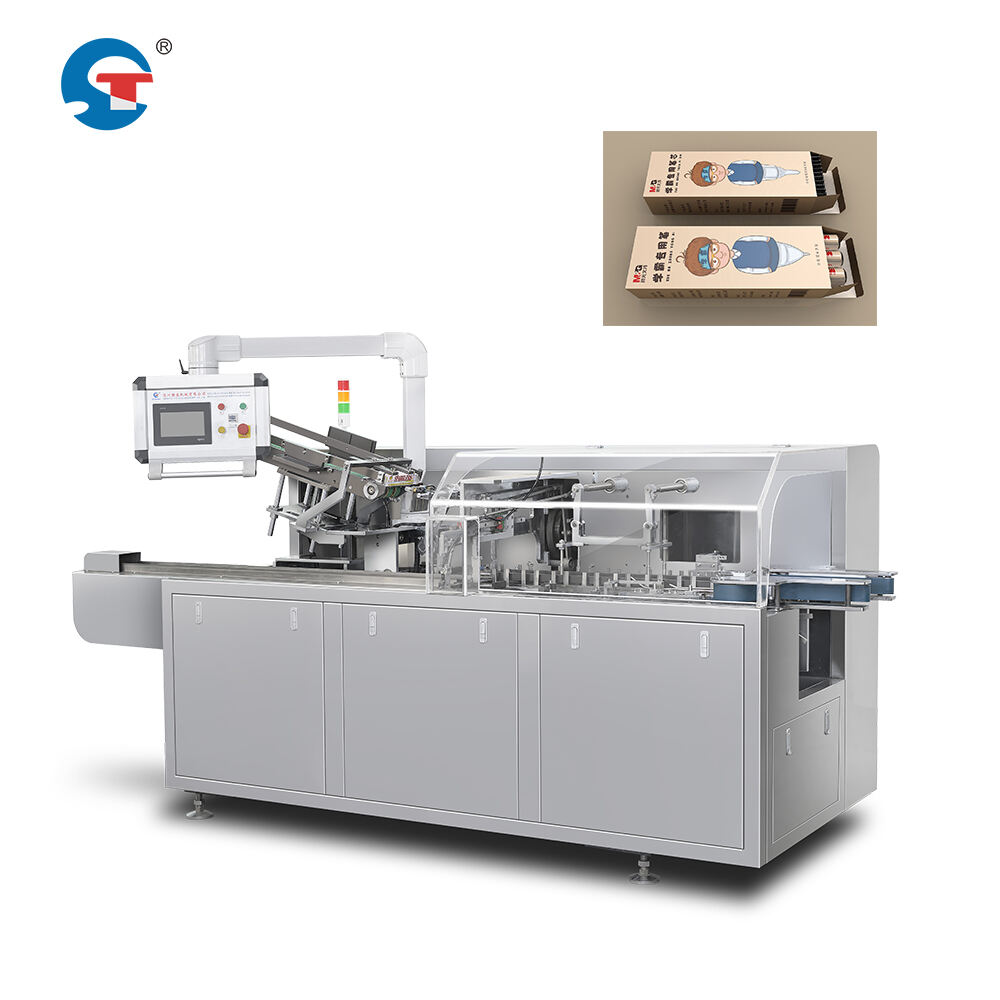
Quality Control and Consistency Management
Integrated Inspection Systems
Maintaining consistent quality across custom packaging applications requires comprehensive inspection capabilities integrated throughout the cartoning process. Modern toy cartoning machine designs incorporate vision systems that verify proper carton formation, accurate product placement, and correct closure execution. These systems detect defects or variations that could compromise package integrity or aesthetic appeal.
Advanced inspection technology extends beyond basic dimensional verification to include print quality assessment, ensuring that custom graphics and branding elements meet specified standards. This level of quality control becomes particularly important for premium toy products where packaging quality directly impacts consumer perception and brand value.
Process Monitoring and Optimization
Continuous process monitoring enables operators to identify optimization opportunities and prevent quality issues before they impact production output. Sophisticated toy cartoning machine systems collect detailed performance data that reveals trends in processing efficiency, material utilization, and quality metrics. This information supports data-driven decision making for process improvements and preventive maintenance scheduling.
Real-time monitoring capabilities also facilitate rapid response to changing production requirements or material specifications, ensuring that custom packaging operations maintain optimal performance levels regardless of complexity or volume variations.
Integration with Production Workflows
Upstream Process Coordination
Effective custom packaging implementation requires seamless integration between cartoning operations and upstream manufacturing processes. A properly configured toy cartoning machine coordinates with product assembly lines, quality inspection stations, and inventory management systems to create smooth production flow. This integration eliminates bottlenecks that could compromise efficiency or quality in custom packaging applications.
Coordination extends to material handling systems that ensure proper synchronization between product availability and packaging readiness. Advanced scheduling algorithms optimize production sequences to minimize changeover times while maximizing equipment utilization across diverse product categories.
Downstream Distribution Preparation
Custom packaging requirements often include specific considerations for downstream distribution processes, including retail display optimization and shipping protection. Modern toy cartoning machine capabilities extend beyond basic package formation to include features that support these distribution requirements. This might include specialized closure methods, reinforcement placement, or orientation control that facilitates efficient handling in distribution centers.
Integration with labeling and marking systems ensures that custom packages receive appropriate identification and tracking codes without disrupting production flow. This coordination becomes particularly important for seasonal products or promotional items that require specific distribution timing and routing.
Economic Benefits and Return on Investment
Labor Cost Reduction
Implementing automated cartoning solutions significantly reduces labor requirements while improving consistency and throughput in custom packaging operations. A well-designed toy cartoning machine eliminates repetitive manual tasks that are prone to variability and fatigue-related errors. This automation allows skilled workers to focus on higher-value activities such as quality management, process optimization, and equipment maintenance.
Labor cost benefits extend beyond direct wage savings to include reduced training requirements, lower turnover rates, and decreased workplace injury risks associated with repetitive packaging tasks. These comprehensive cost reductions contribute to improved profitability and competitive positioning in price-sensitive markets.
Material Utilization Optimization
Precise automation capabilities in modern toy cartoning machine systems minimize material waste through accurate forming, consistent folding, and optimal adhesive application. These efficiencies become particularly significant in custom packaging applications where specialty materials command premium costs. Reduced waste translates directly to lower material costs and improved environmental sustainability.
Advanced material handling also enables the use of thinner or more cost-effective substrates that might be difficult to process reliably with manual methods. This capability opens opportunities for cost reduction while maintaining package performance and aesthetic quality standards.
Technology Integration and Future Readiness
Digital Connectivity Features
Modern manufacturing environments increasingly rely on digital connectivity for process monitoring, performance analysis, and predictive maintenance. Advanced toy cartoning machine designs incorporate Industrial Internet of Things capabilities that enable remote monitoring, data collection, and diagnostic analysis. These features support proactive maintenance strategies that minimize unplanned downtime while optimizing performance across custom packaging applications.
Digital integration also facilitates connection with enterprise resource planning systems, enabling real-time production tracking, inventory management, and quality reporting. This connectivity supports data-driven decision making and enables manufacturers to respond quickly to changing market demands or customer requirements.
Scalability and Expansion Capabilities
Investment in cartoning automation requires consideration of future growth and evolving packaging requirements. Well-designed toy cartoning machine systems provide expansion capabilities that accommodate increased production volumes, additional product lines, or enhanced packaging features without requiring complete equipment replacement. This scalability protects long-term investment value while supporting business growth objectives.
Modular expansion options might include additional forming stations, enhanced quality control systems, or integration with robotic handling equipment. These capabilities ensure that packaging automation investments continue to deliver value as business requirements evolve and expand.
FAQ
What types of custom packaging designs can a toy cartoning machine accommodate
A modern toy cartoning machine can handle various custom packaging designs including display boxes with windows, multi-compartment cartons, promotional packaging with special inserts, and seasonal packaging with unique graphics. The key is selecting equipment with sufficient flexibility in size adjustment, material handling, and forming capabilities to match specific design requirements.
How quickly can packaging changeovers be completed for different toy products
Changeover times depend on the complexity of design differences and the machine's automation level, but advanced toy cartoning machine systems typically complete changeovers between similar products in 15-30 minutes. More complex transitions involving significant size changes or different closure methods may require 45-60 minutes, still representing substantial time savings compared to manual processes.
What maintenance requirements are necessary for optimal performance
Regular maintenance for a toy cartoning machine includes daily cleaning and lubrication, weekly inspection of wear components, and monthly calibration of control systems. Preventive maintenance schedules typically involve quarterly replacement of consumable parts and annual comprehensive inspections. Modern machines often include diagnostic systems that alert operators to maintenance needs before problems impact production.
Can existing packaging designs be easily adapted for automated cartoning
Most existing packaging designs can be adapted for automated processing with minor modifications to improve machine compatibility. Common adaptations include adjusting score line depths, modifying fold patterns for consistent forming, or adding registration marks for vision system guidance. Working with experienced packaging engineers during the adaptation process ensures optimal results while maintaining design integrity and brand requirements.