
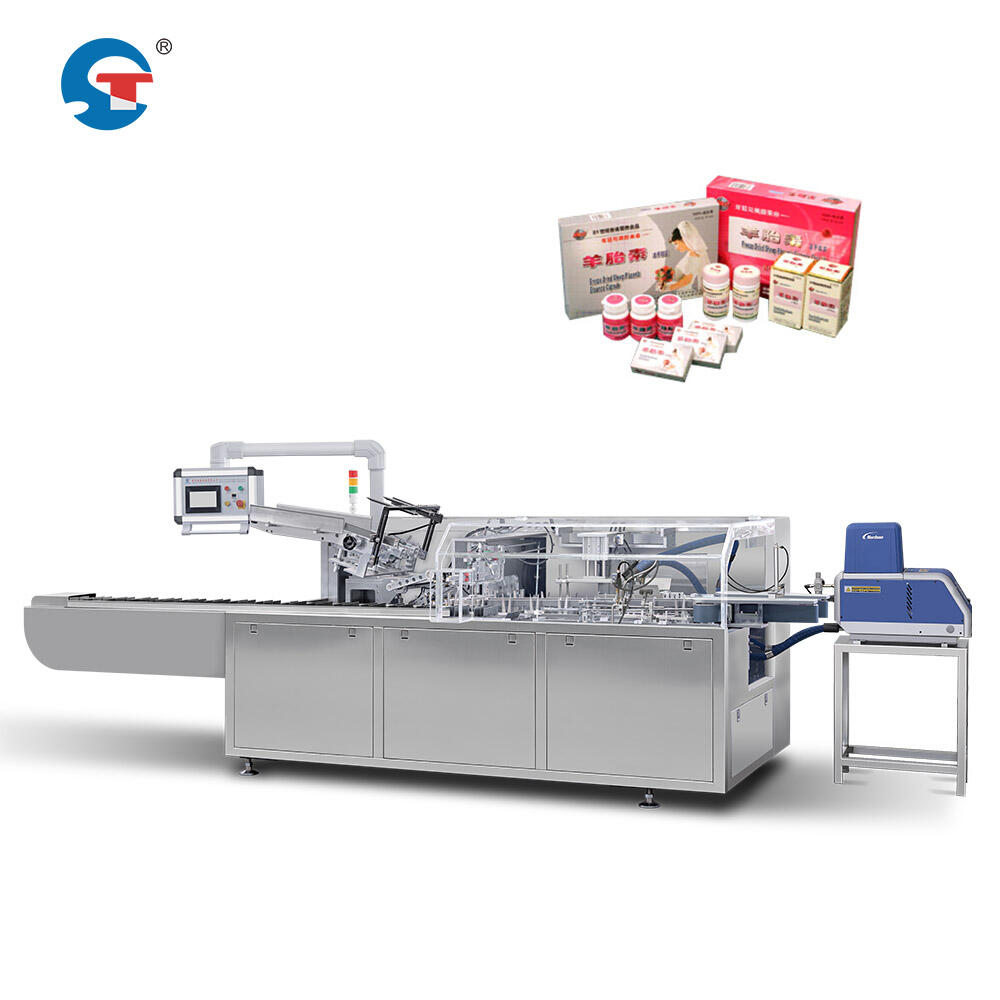
Modern manufacturing operations demand precision, speed, and cost-effectiveness in every aspect of production, particularly in packaging processes. The cartoning machine has emerged as an indispensable solution for manufacturers seeking to optimize their packaging operations while maintaining consistent quality standards. These sophisticated automated systems transform the traditional manual packaging approach into a streamlined, efficient process that significantly reduces labor costs and eliminates human error. The growing preference for automated cartoning solutions reflects the industry's commitment to meeting increasing consumer demands while maintaining competitive advantages in today's fast-paced marketplace.
Enhanced Production Speed and Efficiency
Automated Processing Capabilities
The cartoning machine revolutionizes packaging speed by automating complex folding, filling, and sealing operations that would traditionally require multiple manual workers. These systems can process hundreds of products per minute, depending on the specific model and product requirements. The automated nature eliminates bottlenecks commonly associated with manual packaging lines, where human fatigue and varying skill levels can significantly impact throughput rates. Modern cartoning equipment incorporates advanced servo motor technology and precision control systems that maintain consistent operating speeds throughout extended production runs.
Integration with upstream and downstream equipment creates seamless production flows that maximize overall line efficiency. The cartoning machine synchronizes with conveyor systems, product feeders, and quality inspection devices to create a continuous packaging process. This integration eliminates manual transfer points and reduces the risk of product damage during handling. Manufacturing facilities report productivity increases of up to 300% when transitioning from manual to automated cartoning processes, highlighting the significant impact on operational efficiency.
Flexible Production Scheduling
Automated cartoning systems enable manufacturers to implement flexible production scheduling strategies that respond quickly to market demands. The cartoning machine can easily switch between different product sizes and carton configurations through programmable control systems and quick-change tooling options. This flexibility allows manufacturers to run smaller batch sizes economically while maintaining the ability to scale up for larger orders. The reduced changeover times associated with modern cartoning equipment support lean manufacturing principles and just-in-time production strategies.
Advanced cartoning machines feature recipe-based control systems that store multiple product configurations, enabling rapid transitions between different packaging requirements. Operators can switch between products with minimal downtime, often requiring only a few minutes for complete changeovers. This capability is particularly valuable for contract manufacturers and facilities producing multiple product lines, as it maximizes equipment utilization and improves overall operational flexibility.
Superior Accuracy and Quality Control
Precision Measurement Systems
The cartoning machine incorporates sophisticated measurement and control systems that ensure consistent product placement and carton formation accuracy. These systems utilize advanced sensors, cameras, and mechanical guides to position products precisely within each carton, eliminating variations that commonly occur with manual packaging processes. The precision capabilities are particularly critical for pharmaceutical, food, and consumer goods industries where product presentation and protection are paramount concerns.
Vision inspection systems integrated into modern cartoning equipment verify proper product orientation, count accuracy, and carton quality before sealing operations. These systems can detect missing products, incorrect positioning, or defective cartons, automatically rejecting non-conforming packages before they reach downstream processes. The real-time quality monitoring capabilities of a cartoning machine significantly reduce the risk of defective products reaching end customers, protecting brand reputation and reducing costly product recalls.
Consistent Packaging Standards
Automated cartoning processes eliminate human variability factors that can impact packaging consistency and quality. The cartoning machine applies uniform folding forces, adhesive patterns, and sealing pressures to every carton, ensuring consistent package integrity and appearance. This consistency is particularly important for retail environments where package appearance influences consumer purchasing decisions and for applications requiring specific shipping and storage requirements.
Statistical process control capabilities built into modern cartoning systems continuously monitor critical packaging parameters and alert operators to potential quality issues before they impact production. These monitoring systems track variables such as carton dimensions, seal strength, and cycle times, providing valuable data for continuous improvement initiatives. The documented quality control provided by a cartoning machine supports regulatory compliance requirements and customer quality specifications.
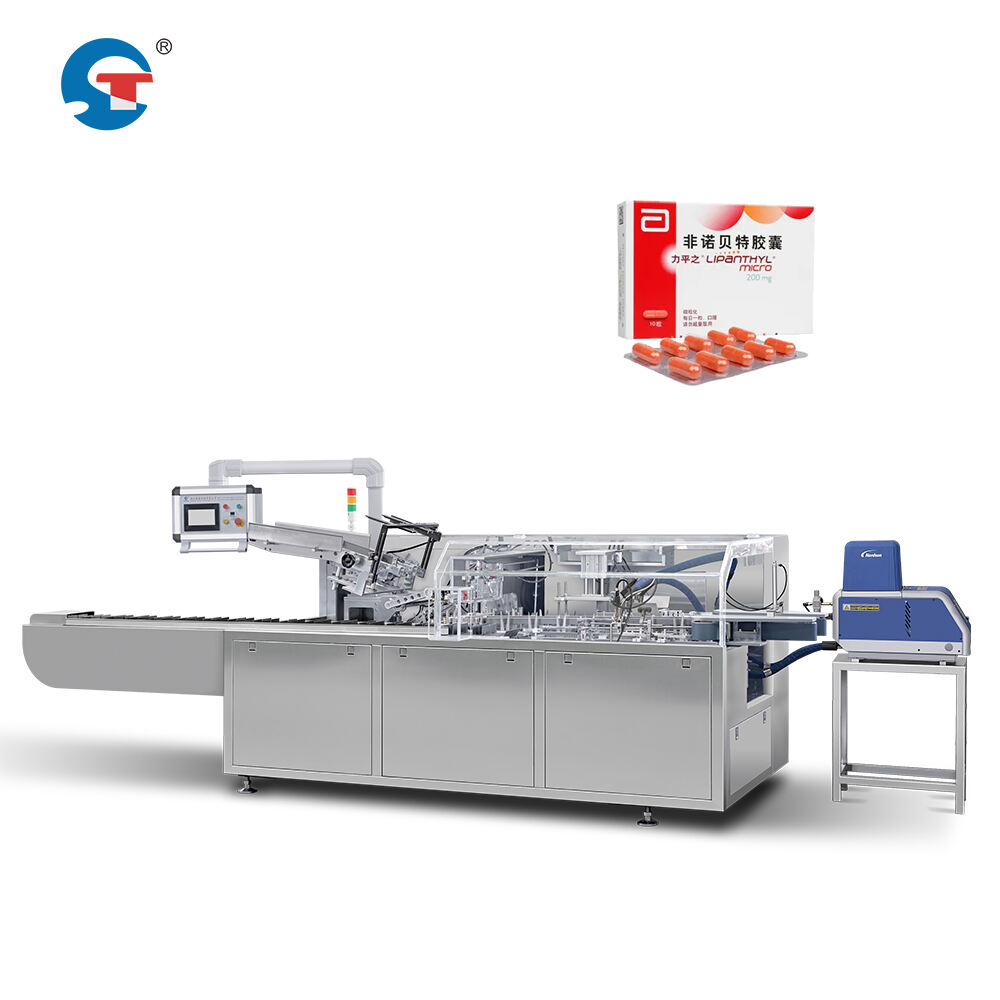
Cost-Effective Manufacturing Solutions
Labor Reduction Benefits
The implementation of a cartoning machine significantly reduces labor requirements while improving worker safety and job satisfaction. Manual packaging operations often involve repetitive motions that can lead to workplace injuries and high employee turnover rates. Automated cartoning eliminates these ergonomic concerns while allowing workers to focus on higher-value activities such as quality assurance, equipment maintenance, and process optimization. The labor cost savings typically justify the equipment investment within 12 to 18 months of operation.
Reduced dependence on manual labor also provides greater scheduling flexibility and eliminates concerns about workforce availability during peak production periods. The cartoning machine can operate continuously with minimal supervision, supporting extended production schedules and maximizing equipment utilization. This capability is particularly valuable during seasonal demand fluctuations or when meeting tight delivery deadlines that would be challenging to achieve with manual packaging processes.
Material Waste Reduction
Automated cartoning systems optimize material usage through precise carton forming and consistent adhesive application patterns. The cartoning machine eliminates material waste associated with manual errors, such as damaged cartons, excessive adhesive usage, or incorrectly folded packages. These systems calculate optimal carton sizes based on product dimensions, minimizing packaging material costs while maintaining adequate product protection during shipping and storage.
Advanced cartoning equipment incorporates material tracking systems that monitor carton stock levels and adhesive consumption, enabling predictive inventory management strategies. These systems can alert operators when material replenishment is required and provide detailed consumption reports for cost analysis purposes. The material optimization capabilities of a cartoning machine contribute to sustainable manufacturing practices while reducing overall packaging costs.
Scalability and Future-Proofing
Modular Design Advantages
Modern cartoning machines feature modular designs that allow manufacturers to expand capabilities as business requirements evolve. These systems can accommodate additional features such as serialization printing, track-and-trace integration, or specialized product handling accessories without requiring complete equipment replacement. The modular approach protects equipment investments while enabling manufacturers to adapt to changing regulatory requirements and market demands.
Scalability extends beyond individual machine capabilities to include integration with broader manufacturing execution systems and enterprise resource planning platforms. The cartoning machine can communicate production data, quality metrics, and maintenance requirements to centralized management systems, supporting data-driven decision-making processes. This connectivity enables manufacturers to optimize production schedules, predict maintenance needs, and identify continuous improvement opportunities across multiple production lines.
Technology Integration Capabilities
Advanced cartoning systems incorporate Industry 4.0 technologies that enable remote monitoring, predictive maintenance, and artificial intelligence optimization features. These capabilities allow manufacturers to maximize equipment uptime while minimizing unplanned maintenance costs. The cartoning machine can transmit real-time performance data to cloud-based analytics platforms that identify potential issues before they impact production schedules.
Integration with emerging technologies such as blockchain for supply chain traceability and augmented reality for maintenance support positions manufacturers to capitalize on future innovations. The technology-ready design of modern cartoning equipment ensures long-term viability and return on investment, even as industry standards and customer requirements continue to evolve.
FAQ
What types of products can be packaged using a cartoning machine
A cartoning machine can accommodate a wide variety of products including pharmaceuticals, food items, cosmetics, electronics, and consumer goods. The equipment handles different product formats such as bottles, tubes, blister packs, pouches, and individual items. Specific cartoning systems are designed for particular product categories, with adjustable features that accommodate various sizes and shapes within their operational range. The versatility of modern cartoning equipment makes it suitable for industries ranging from healthcare and food processing to automotive parts and household products.
How long does it take to implement a cartoning machine in existing production lines
Implementation timelines for a cartoning machine typically range from 4 to 12 weeks, depending on the complexity of integration requirements and customization needs. The process includes equipment delivery, installation, operator training, and production validation phases. Manufacturers can minimize implementation time by preparing facility utilities, developing changeover procedures, and training personnel before equipment arrival. Professional installation and commissioning services ensure proper integration with existing conveyor systems and quality control processes.
What maintenance requirements are associated with cartoning machines
Regular maintenance for a cartoning machine includes daily cleaning, weekly lubrication, and periodic replacement of wear components such as belts, seals, and cutting blades. Preventive maintenance schedules typically require 2-4 hours per week for routine inspections and adjustments. Modern cartoning systems incorporate diagnostic tools that monitor component condition and predict maintenance needs, reducing unplanned downtime. Comprehensive maintenance programs provided by equipment manufacturers include training, spare parts packages, and remote support services that maximize equipment reliability and performance.
How does a cartoning machine integrate with existing quality control systems
A cartoning machine integrates seamlessly with quality control systems through various sensor technologies and communication protocols. Vision inspection systems verify product presence, orientation, and carton integrity, while weight checkweighers ensure accurate product counts. The equipment can communicate with statistical process control software, automatically documenting quality parameters and generating compliance reports. Integration capabilities include data logging, alarm systems, and automatic reject mechanisms that maintain product quality standards without interrupting production flow. These quality control features support regulatory compliance requirements across multiple industries while providing traceability documentation for customer audits and internal quality assurance programs.