
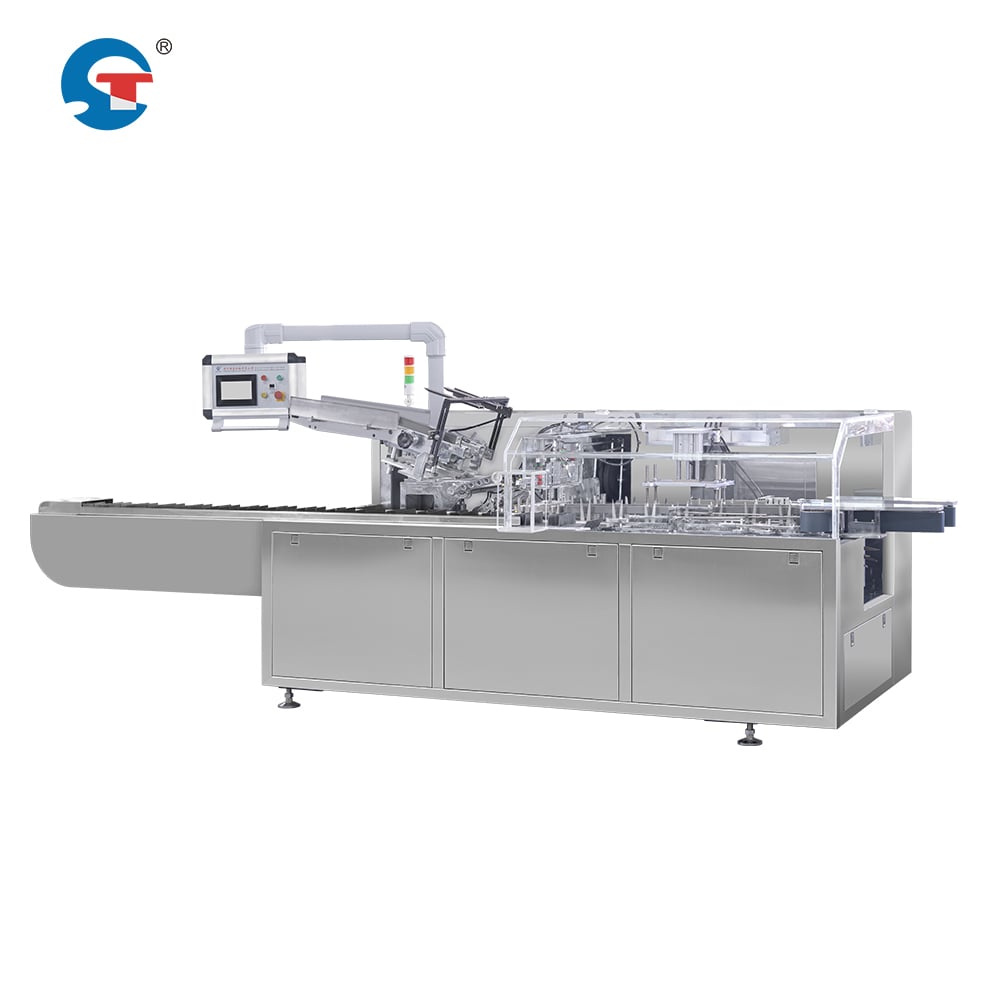
Manual labor in packaging operations remains one of the largest cost drivers and operational bottlenecks across the pharmaceutical, consumer goods, and food industries. A tuck-in cartoning machine directly addresses this challenge by automating the carton closure process, significantly reducing the human workforce required for line operations. This technology transforms how companies handle product packaging, replacing repetitive manual folding and sealing with precise, continuous mechanical action that operates at speeds far exceeding human capability.
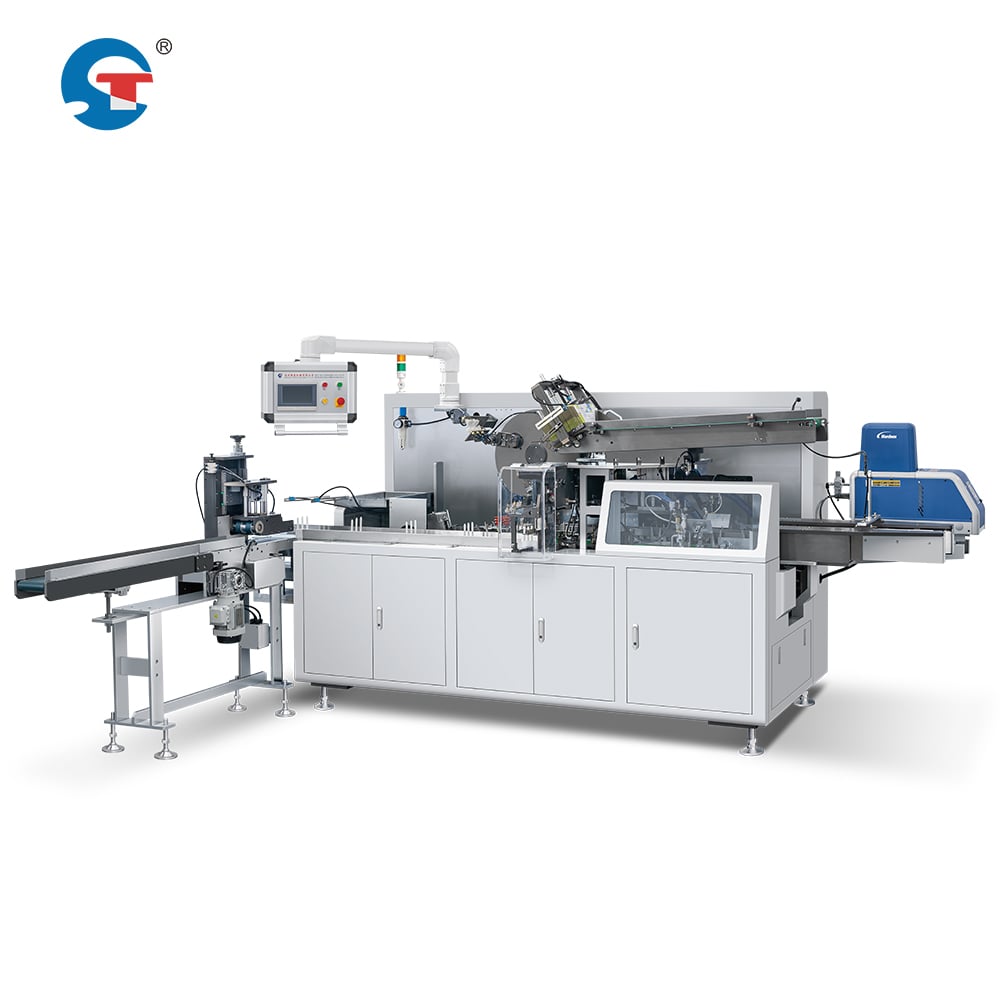
Understanding whether upgrading to high-speed automatic carton closing equipment makes business sense requires examining labor reduction metrics, throughput gains, and long-term operational benefits. Organizations processing thousands of cartons daily face growing pressure to optimize labor allocation, reduce packaging defects, and maintain consistent output quality. A modern tuck-in cartoning machine delivers measurable improvements across all these dimensions, making it a strategic investment for production managers and operations directors seeking competitive advantage.
Labor Reduction Through Automation
Eliminating Manual Carton Closure Tasks
The most immediate benefit of deploying a tuck-in cartoning machine is the elimination of hand-folding and manual sealing operations. Traditional packaging lines require operators to physically fold carton flaps, apply adhesive, and seal boxes—tasks that demand consistent attention and physical dexterity. Even experienced workers cannot maintain peak performance throughout extended shifts, leading to variable closure quality and product damage during transit. A high-speed tuck-in cartoning machine performs these operations automatically at rates of 150 to 300 cartons per minute, depending on machine specification and product dimensions.
This automation directly translates to headcount reduction. Facilities processing 500,000 cartons monthly can typically reduce manual packaging staff by 60 to 80 percent when implementing comprehensive automatic carton closing equipment. Workers previously assigned to carton closure can be redeployed to quality inspection, product handling, or higher-value tasks requiring human judgment. Organizations report average labor cost savings of 35 to 50 percent within the first 12 months of deployment, with continued savings accruing as the machine operates continuously across multiple shifts.
Productivity Gains and Output Acceleration
Beyond workforce reduction, pharmaceutical packaging automation through a tuck-in cartoning machine accelerates total line throughput significantly. Manual closure operations typically create the packaging bottleneck, limiting overall production to human operating speed rather than upstream production capacity. When this constraint is removed, entire lines achieve previously unattainable output levels using the same floor space and infrastructure. Many organizations find they can increase daily carton volumes by 40 to 60 percent without expanding facilities or significantly adding upstream equipment.
This productivity multiplication effect justifies capital investment rapidly. A machine requiring €80,000 to €150,000 initial outlay can recoup its cost within 18 to 24 months through labor savings and increased throughput alone. Folding carton sealing system implementations also reduce production scheduling complexity by enabling longer, uninterrupted runs that require fewer setup changes and operator interventions throughout each operating shift.
Quality and Consistency Improvements
Precision Closure and Defect Reduction
Manual carton closing introduces inherent variability that impacts product quality and customer satisfaction. Operators experience fatigue, momentary inattention, and inconsistent application of folding techniques that result in weak seals, misaligned flaps, or incomplete closure. Defect rates in hand-sealed operations typically range from 2 to 5 percent, meaning significant waste and rework costs. A high-speed tuck-in cartoning machine applies identical closure pressure, fold angles, and adhesive quantities to every single carton, achieving defect rates below 0.5 percent under normal operating conditions.
This consistency delivers dual benefits: reduced waste from rejected cartons and enhanced end-user experience through reliable packaging that protects product integrity throughout the supply chain. For pharmaceutical applications especially, where regulatory compliance and product protection are non-negotiable, automatic carton closing equipment eliminates the human factor that creates closure variability and compliance risk.
Regulatory Compliance and Traceability
Modern pharmaceutical packaging automation systems integrate data logging and production traceability that manual operations cannot provide. Every carton closure can be tracked, timestamped, and recorded with machine parameters, creating audit trails required by regulatory bodies and quality assurance protocols. A folding carton sealing system equipped with sensors identifies closure failures immediately, automatically rejecting defective cartons before they progress further down the line. This real-time feedback loop ensures regulatory compliance while preventing contaminated or improperly sealed products from reaching customers.
Strategic Workforce Management
Redeployment Opportunities and Skill Development
Implementing a tuck-in cartoning machine does not eliminate employment—it transforms labor requirements. Workers formerly performing repetitive manual closure tasks can transition to machine operation, preventive maintenance, quality inspection, or technical support roles that demand higher skill levels and offer greater career advancement potential. Organizations that manage this transition proactively report improved employee retention and workplace satisfaction, as manual packaging labor is physically demanding and offers limited professional development.
Progressive manufacturers view automatic carton closing equipment deployment as workforce modernization rather than reduction. Training programs adapted to help employees transition from manual operations to technical roles strengthen organizational capability and create internal expertise that improves overall equipment performance and reliability across the production environment.
Operational Flexibility and Scalability
A high-speed tuck-in cartoning machine provides operational flexibility that manual labor cannot match. Production volumes can scale up or down through simple speed adjustments without requiring staff scheduling changes or temporary labor sourcing. Seasonal demand fluctuations, special product runs, or rush orders can be accommodated purely through machine configuration rather than hiring temporary workers or requesting overtime. This flexibility is particularly valuable in pharmaceutical packaging automation environments where product changeovers occur frequently and production forecasting carries inherent uncertainty.
FAQ
How much manual labor reduction can we realistically expect?
Most facilities implementing automatic carton closing equipment report 60 to 80 percent reduction in manual closure labor within the first operating month. The exact reduction depends on your current line configuration, carton volumes, product dimensions, and product mix complexity. A high-speed tuck-in cartoning machine consistently outperforms manual operations while enabling workforce redeployment to higher-value activities rather than elimination of positions.
What is the typical payback period for a tuck-in cartoning machine investment?
Capital cost typically ranges from €80,000 to €150,000 depending on speed and customization requirements. With labor savings averaging 40 to 50 percent annually and throughput gains of 40 to 60 percent, most organizations achieve full cost recovery within 18 to 24 months. Pharmaceutical packaging automation systems often show faster payback due to higher labor costs and regulatory requirements that favor automated compliance documentation and consistency.
Can we implement a folding carton sealing system without disrupting current production?
Yes, installation of a tuck-in cartoning machine typically requires 2 to 4 weeks of integration planning and testing before full deployment. Most equipment suppliers offer phased implementation options where the machine operates parallel to manual processes during transition, allowing staff training and process optimization without production interruption. Once the equipment demonstrates reliable performance and full output capability, manual closure operations can be discontinued completely.